Get in touch with Zejiang Paper Machinery Company

Last updated: October 2026
The best paper machine clothing manufacturers for your shortlist depend on the machine position: Albany International for demanding seamed press applications, AstenJohnson for layered press-fabric designs, Voith for clothing with diagnostics, and Valmet for multi-section options. Zejiang combines clothing enquiries with paper-machine parts, while regional specialists offer narrower forming, press or dryer choices.
Quick answer
Paper machine clothing manufacturers make fabrics and felts for forming, pressing and drying. Match the supplier’s product to the position, paper grade and installation method before comparing prices.
Quick Picks
- Best for clothing and mill-part coordination: Zejiang, with a paper-machinery and replacement-clothing offering.
- Best for demanding seamed press positions: Albany International, whose stated applications include tissue and shoe presses.
- Best for layered single-seam press designs: AstenJohnson, with AccuFlow S2/E2 and AccuLink.
- Best for clothing with condition assessment: Voith Paper, combining section-specific products and diagnostic options.
- Best for selected bio-based material options: Valmet, through its Bioneer mass-balance approach.
- Best for Indian forming and dryer sourcing: Wires & Fabriks (with woven and spiral-link dryer screens).
Disclosure: This guide is published by Zejiang. We list ourselves first because this is our website, not because we claim to be the market leader. The other 19 manufacturers are grouped by what they’re best for, in no particular order within each group.
How We Selected These Manufacturers
Company information was verified against official company websites and public information in October 2026. The shortlist includes businesses that publicly offer finished-clothing manufacturing, with defined product families and pertinent capability information across North America, Europe and Asia. Pure trading companies, distributors, sourcing and directory platforms, media companies and used equipment dealers were excluded. Manufacturing groups that integrate other supply activities are still shown with that mixed role.
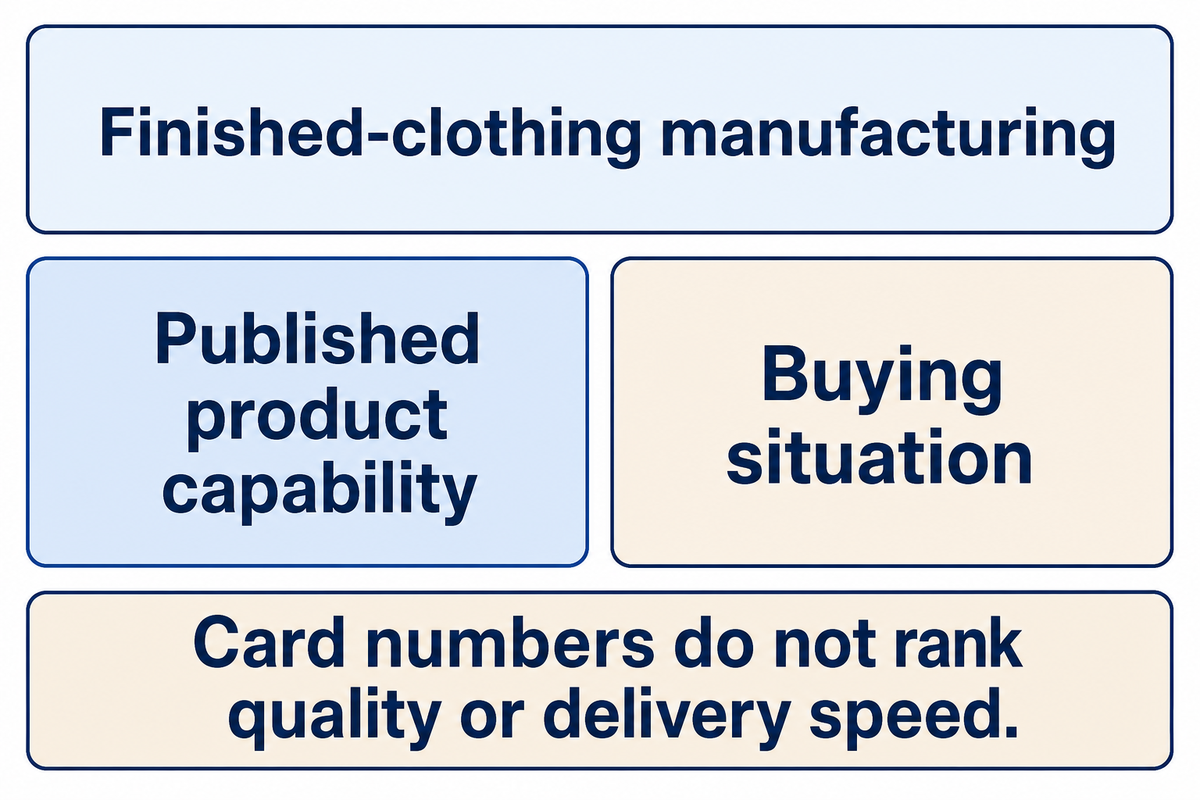
“Best for” means an editorial match between a published product capability and a buying situation. It doesn’t mean that we tested all suppliers under identical mill conditions. The numbers connect table rows with company cards; they don’t rank market share, quality or delivery speed. When comparing paper machine clothing manufacturers worldwide, supplier history and the proposed production scope are more useful than a directory’s count of contacts.
Each corporate group appears once. Heimbach is included within Albany, Huyck.Wangner and Xerium within ANDRITZ, and Taiwan Felt within Nippon Felt. The publisher’s paper-machinery role is explicit: Zejiang’s forming-fabric product page describes manufacture, while its parts business also coordinates clothing supply for existing equipment. A manufacturer of pulp and paper equipment or weaving machinery alone doesn’t qualify as a finished-clothing producer.
What Is Paper Machine Clothing?
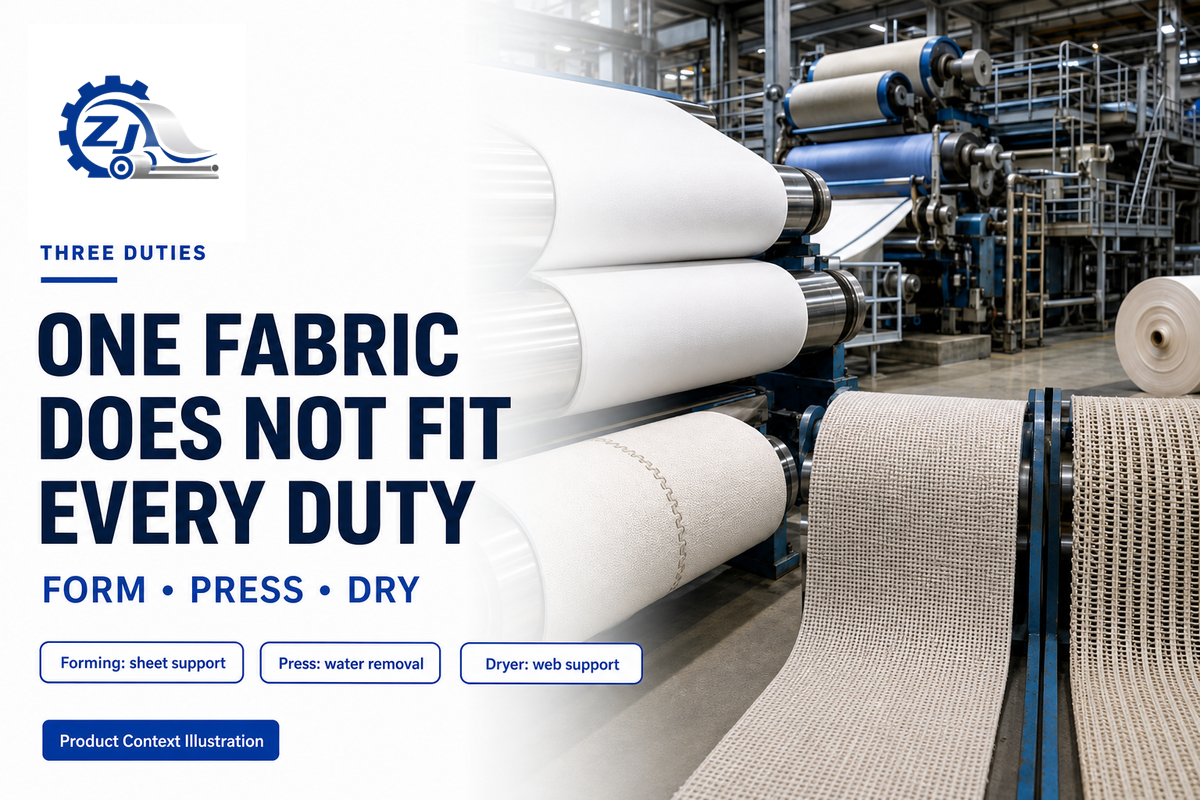
Paper machine clothing (PMC) consists of engineered textiles that support and transport the sheet through forming, pressing and drying. Forming fabric supports fibers as water drains to form the paper; a press felt carries the wet web through a loaded nip and handles water removal; dryer fabric supports paper web through the drying arrangement. Each family has a different responsibility in the paper production process.
At the wet end, monofilament yarn is woven in a structure to balance fiber support, drainage, and wear. Press felts add a batt of fibers and a base construction suited to the press section. As heat, moisture and running conditions vary for dryer fabrics, a mesh can’t be selected simply because it looks similar and fits the dimensions. The weave and polymer must be suited to that section of the paper machine.
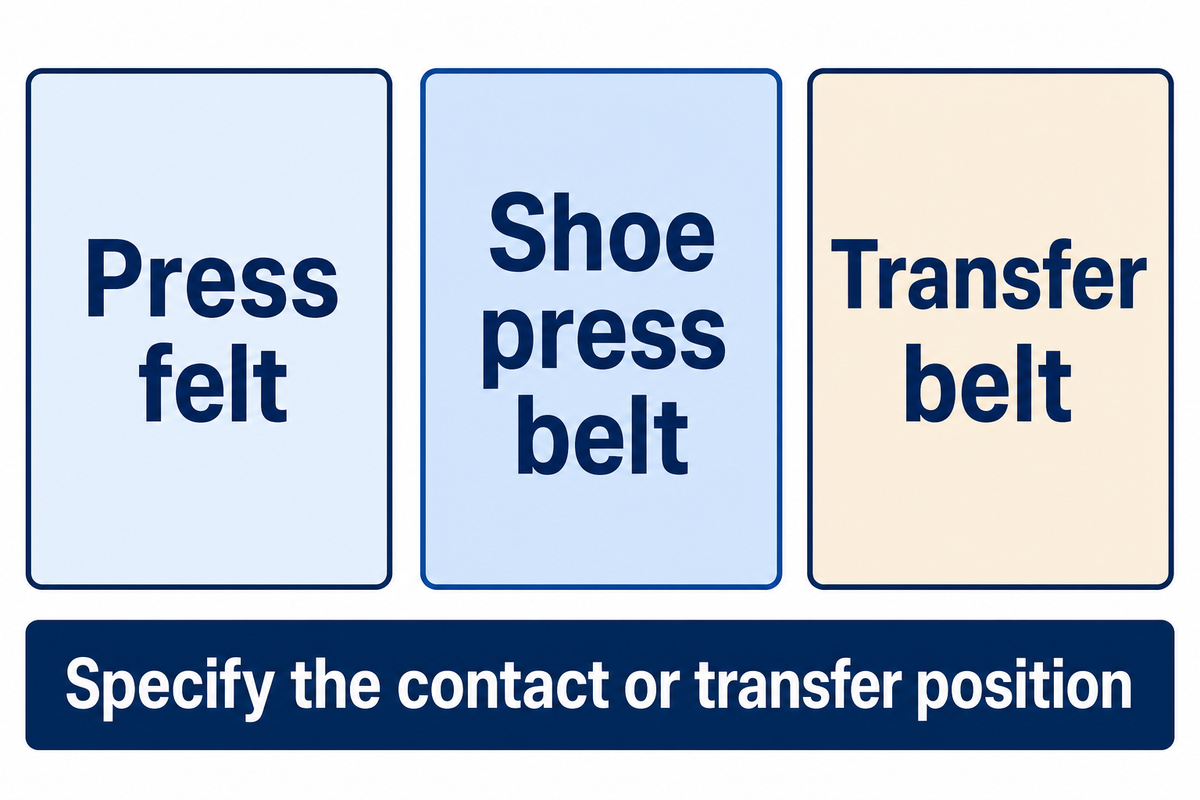
Within the PMC industry, shoe press belts, transfer belts and filter fabrics are complementary products with their own duties. They aren’t interchangeable with every felt or dryer fabric. Specialist tissue processes also need the named construction for that process, rather than a general “tissue suitable” label. The forming fabric and wire range illustrates how layer construction and finished loop dimensions enter an enquiry.
20-Supplier Machine-Position Match
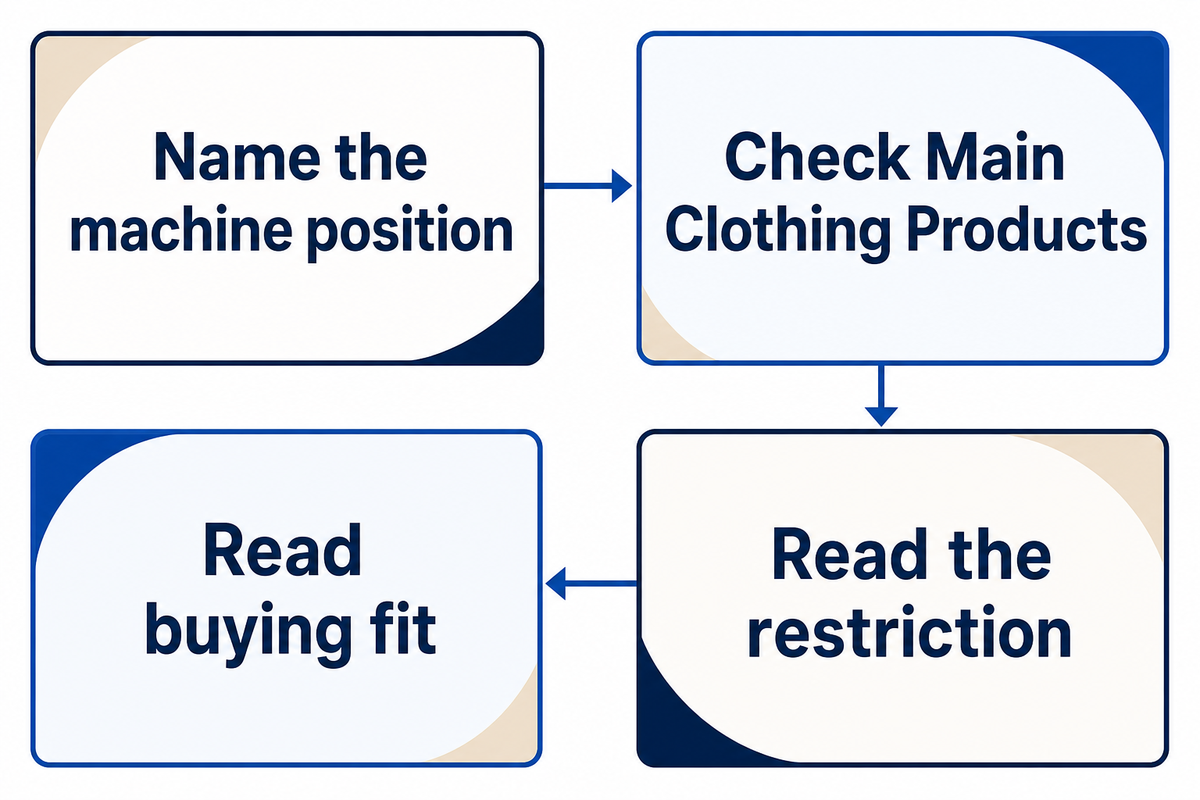
Use the 20-Supplier Machine-Position Match to determine which companies warrant a technical query. Begin with the Main Clothing Products section, and use the buying fit and restriction to further refine your choices. For example, a manufacturer with global paper industry presence may provide several options for the same position; a regional specialist may be a better match for a particular replacement.
Company and site locations are shown with their respective descriptions. Dates labeled “origin,” “merger,” “site” or “clothing” denote that event rather than the founding of the businesses in the current group. The concise nature of the table leaves manufacturing and quality statements for the company profiles.
| No. | Company Name | Headquarters / location | Founded Year / milestone | Best For | Brief Introduction | Main Clothing Products | Key Advantages | Potential Disadvantages | Official Website |
|---|---|---|---|---|---|---|---|---|---|
| 1 | Zejiang | Qinyang, China | 2014 | Clothing and mill-part coordination | Paper machinery and clothing supply | Forming; press; dryer | Machine-component context | Pin-seamed installation; capability to thread an endless belt | https://zjpapermachine.com/ |
| 2 | Albany International | Rochester, USA | 1895 origin | Demanding seamed press positions | Custom clothing manufacturer | Forming; press; dryer; belts | Tissue and shoe-press applications | Custom position design | https://www.albint.com/ |
| 3 | AstenJohnson | Charleston, USA | 1999 merger | Layered, single-seam press fabrics | Multi-section textile manufacturer | Forming; press; dryer | AccuFlow base modules | Single seam | https://www.astenjohnson.com/ |
| 4 | ANDRITZ Fabrics and Rolls | Reutlingen, Germany¹ | 1849 site origin | Documented forming production | Clothing and roll-technology group | Forming; press; dryer; shoe belts | Warping-to-finishing route | Reutlingen specializes in forming | https://www.andritz.com/ |
| 5 | Voith Paper | Heidenheim, Germany | 1867 group | Clothing with diagnostics | Paper technology manufacturer | I-Series; Infinity; CleanWeave | QFit condition assessment | Q-Fit camera; service engineers during machine run | https://www.voith.com/ |
| 6 | Valmet | Espoo, Finland | 2013 corporation | Selected bio-based material options | Process and clothing manufacturer | Forming; press; dryer; belts; filters | Bioneer supply-chain approach | Product-specific Bioneer availability | https://www.valmet.com/ |
| 7 | Cristini Group | Fiorano al Serio, Italy | 1914 clothing milestone | Textiles with process diagnostics | Family clothing manufacturer | Forming; press; dryer | Seamed and spiral development | Diagnostics specified separately | https://www.cristini.com/ |
| 8 | Nippon Felt | Tokyo, Japan | 1917 | Export press-felt enquiries | Clothing manufacturer | Press felts; shoe belts | 30-plus base checks | Export range mainly press felts | https://www.felt.co.jp/en/ |
| 9 | Ichikawa | Tokyo, Japan | 1949 | Press and transfer duties | Felt and process-belt manufacturer | Press felts; shoe belts; transfer belts | Registered quality-system scope | Press section | https://www.ik-felt.co.jp/english/ |
| 10 | Dinesh Felts | Vadodara, India | 1964 clothing | Indian press/dryer sourcing | Dinesh Group textile business | Press; dryer fabrics | Paper-grade application range | Press Fabrics; Dryer Fabrics | https://www.dineshfelts.com/ |
| 11 | Feltri Marone | Marone, Italy | 1933 | Used-fabric sample analysis | Technical textile manufacturer | Forming; press; dryer | Laboratory after-sales support | Sample and process context needed | https://www.feltrimarone.it/ |
| 12 | Shikibo | Osaka, Japan | 1892 | Dryer-canvas enquiries | Industrial textile manufacturer | Dryer canvas | Dedicated drying textiles | Dryer canvas | https://www.shikibo.co.jp/english/ |
| 13 | Wires & Fabriks (S.A.) Ltd. | Jaipur, India | 1963 | Indian forming/dryer sourcing | Clothing manufacturer | Forming; woven/spiral dryer | Published management systems | Separate press-felt sourcing | https://www.wirefabrik.com/ |
| 14 | Hebei Hehuang | Anping factory, China¹ | 1987 | Dryer yarn/construction comparison | Forming/dryer manufacturer | Forming; four dryer designs | Round- and flat-yarn options | Flat-yarn double-warp design: low to medium air permeability | https://forming-dryerfabrics.com/ |
| 15 | PFM SCREEN | Beijing, China | 1987 group | Wide-fabric production enquiries | Industrial fabric manufacturer | Forming; press; dryer | Published 16 m weaving ceiling | Maximum is not every series | https://www.polyestermeshbelts.com/ |
| 16 | KEYLIFE | China¹ | Not disclosed | Seamed felt alternatives | Clothing/filter-belt manufacturer | Forming; press; dryer | Single/double seam options | Double or triple layer monofilament structure | https://klfabric.com/ |
| 17 | Sun Hong Group | Xuzhou, China | 2010 group | Clothing plus component procurement | Manufacturing and trading group | Forming; press; dryer | Owned clothing-factory history | Item-specific production scope | https://www.sunhongpapermachine.com/ |
| 18 | Bonfilt | Qingdao, China | Not disclosed | Width-defined forming enquiries | Fabric/filtration manufacturer | Forming; spiral dryer | Published 13.5 m maximum | Wider orders exceed published range | https://www.bonfilt.com/ |
| 19 | BENOST | Zhengzhou, China | 1980 statement | Layered forming alternatives | Forming/dryer manufacturer | Forming; woven/spiral dryer | Named layer constructions | 2-shed: sewage treatment; 3-shed: sludge dewatering | https://benost.com/ |
| 20 | Oasis Fabrix | China¹ | 2015 statement | Custom SSB enquiries | Clothing/filter-belt manufacturer | Forming; press; dryer | Weaving-to-seaming operations | KZ/KZH: board; WN: tissue; YX/YSL: writing and printing | https://www.oasisfabrix.com/en/ |
¹ ANDRITZ is represented by its Reutlingen manufacturing entity. Anping is Hehuang’s factory location. KEYLIFE and Oasis are shown at country level as China. Published capacity limits are supplier statements, not guaranteed dimensions for every product series.
Mill-Parts Coordination
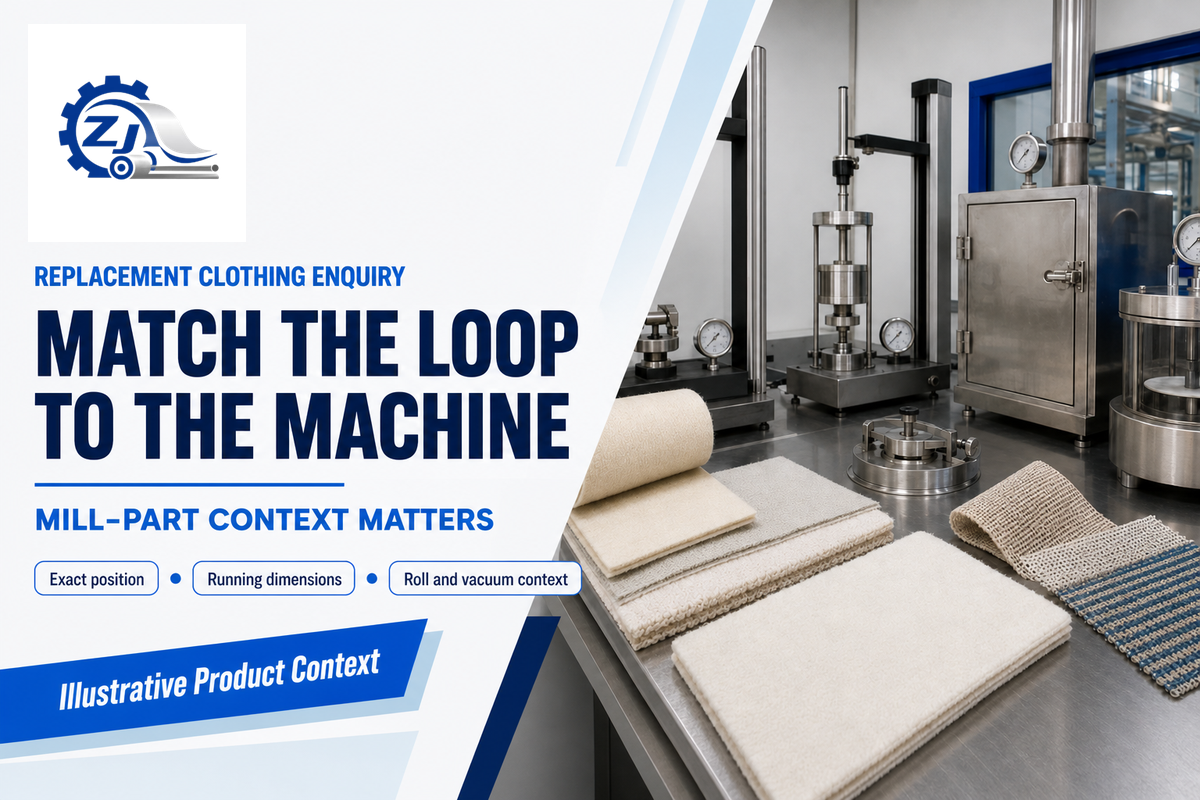
1. Zejiang: Best for coordinating replacement clothing with existing mill parts
Headquarters / location: Qinyang, Henan, China · Founded / milestone: 2014 · Type: Paper machinery manufacturer and clothing supplier
Official website: https://zjpapermachine.com/
Main products: Forming fabrics, press felts and dryer fabrics
Certifications / notable work: The machinery website states ISO 9001 certification for that business; the forming-fabric page describes SSB constructions and heat setting. (according to the company website).
According to its product page, Zejiang manufactures polyester forming fabrics in single-layer through SSB constructions, with weaving and heat setting described as part of production. The useful buying connection is the machine around the textile: a replacement fabric can be discussed alongside rolls, vacuum components and other mill parts rather than ordered from dimensions alone. Zejiang’s machinery pages carry an ISO 9001 Certified statement for that business. A clothing enquiry still needs the exact position and running dimensions; an equipment model by itself does not define the loop that must fit or whether the machine needs Zejiang’s pin-seamed option because it cannot thread an endless loop.
Multi-Section Paper Machine Clothing Portfolios
2. Albany International: Best for seamed press fabrics for demanding paper grades
Headquarters / location: Rochester, New Hampshire, USA · Founded / milestone: 1895; Albany Felt Company origin · Type: Custom machine-clothing and process-belt manufacturer
Official website: https://www.albint.com/
Main products: Forming fabrics, press felts, dryer fabrics and process belts
Certifications / notable work: The seamed press portfolio covers mark-critical tissue and shoe-press applications.
Albany’s published press-fabric range gives a concrete reason to consider a seamed construction on demanding grades: its applications include mark-critical tissue and publication or packaging shoe-press positions. That makes the company relevant when installation access matters but sheet marking remains a concern, rather than only when a mill wants the quickest change. Heimbach belongs within the same corporate group following Albany’s 2023 acquisition and is therefore not a second entry here. Length and width alone are insufficient purchasing specifications because Albany describes clothing designed around individual machine positions.
3. AstenJohnson: Best for single-seam press fabrics with layered base designs
Headquarters / location: Charleston, South Carolina, USA · Founded / milestone: 1999 merger; predecessor history to 1790 · Type: Paper machine clothing manufacturer
Official website: https://www.astenjohnson.com/
Main products: Forming, press and dryer fabrics; distinct filament and nonwoven businesses
Certifications / notable work: AccuFlow S2/E2 combines a single seam with two angled base modules.
AccuFlow S2/E2 is the distinctive product in this comparison: the company describes two angled, multi-layer base modules combined with AccuLink seam technology in a single-seam press fabric. A mill considering a seamed replacement can therefore discuss the base arrangement and seam together, instead of treating seam choice as an accessory added after selecting felt weight. Separate filament and nonwovens businesses explain the group’s wider textile range but don’t replace a finished fabric order. AccuFlow addresses a press position with a single seam; a press position requiring two seams needs a different product selection.
4. ANDRITZ Fabrics and Rolls: Best for forming fabrics with documented in-house production stages
Headquarters / location: Reutlingen, Germany; profiled manufacturing entity · Founded / milestone: 1849 Wangner site origin; joined ANDRITZ in 2018 · Type: Machine clothing and roll technology manufacturer
Official website: https://www.andritz.com/
Main products: Forming fabrics, press felts, dryer fabrics and shoe press belts
Certifications / notable work: The Reutlingen operation lists warping through finishing as its forming-fabric production chain.
The Reutlingen operation provides a fairly concrete manufacturing description, listing warping, weaving, heat setting, seaming and finishing for forming fabrics. Its Wangner origin dates to 1849, while entry into ANDRITZ came in 2018; those dates describe different stages of the business. The wider Fabrics and Rolls offering includes press felts, dryer fabrics and shoe press belts alongside forming products. A buyer seeking production-stage discussions has a useful starting point here, although Reutlingen’s forming specialization shouldn’t be mistaken for a statement that every clothing family is made at that site.
5. Voith Paper: Best for clothing selection alongside machine diagnostics
Headquarters / location: Heidenheim, Germany · Founded / milestone: 1867; Voith group · Type: Paper technology and machine-clothing manufacturer
Official website: https://www.voith.com/
Main products: I-Series forming fabrics, Infinity press fabrics and CleanWeave dryer fabrics
Certifications / notable work: Infinity press fabrics and QFit diagnostics bring product construction and condition assessment together.
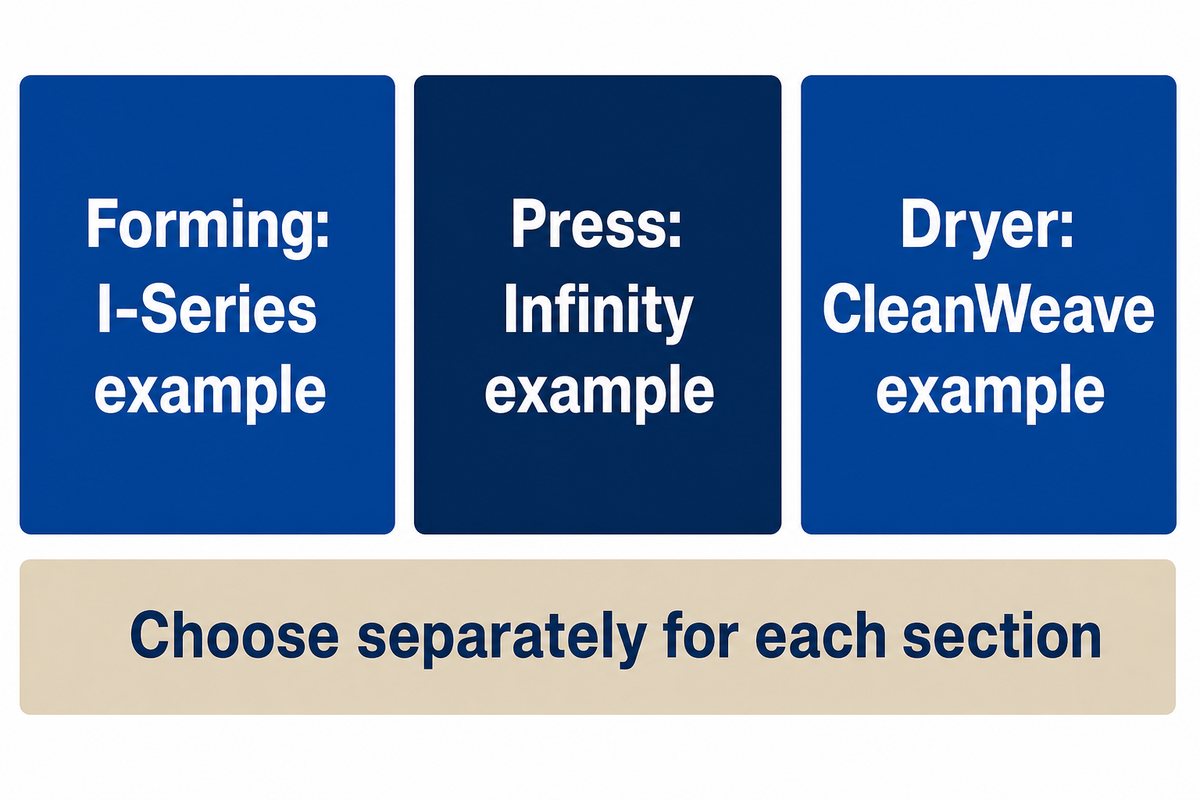
Voith separates its offer into I-Series forming fabrics, Infinity press fabrics and CleanWeave dryer fabrics, so the product names already help route an enquiry to the correct section. QFit and the Dryer Fabric Analyzer add a condition-assessment and information dimension to that selection conversation. This is useful when the mill needs to connect observed fabric behaviour with a replacement specification rather than simply reorder a textile by size. The purchasing constraint extends beyond section specificity: Infinity, I-Series and CleanWeave are different paper-machine clothing families, while Voith describes QFit inspections by its service engineers using a camera on the running machine.
6. Valmet: Best for full-process clothing with selected Bioneer material options
Headquarters / location: Espoo, Finland · Founded / milestone: 2013 current corporation after Metso demerger; older predecessor roots · Type: Paper process technology and machine-clothing manufacturer
Official website: https://www.valmet.com/
Main products: Forming fabrics, press felts, shoe press belts, dryer fabrics and filter fabrics
Certifications / notable work: ISCC PLUS-certified supply chain for the Bioneer mass-balance approach, not every product (according to the company website).
Valmet’s range extends across the paper web’s passage through forming, pressing and drying, with shoe press belts and filter fabrics separately identified. Its Bioneer approach introduces bio-based raw materials through an ISCC PLUS-certified mass balance supply chain, which gives buyers a particular material option to discuss rather than a general environmental promise. The Espoo company’s current corporate form dates to the 2013 Metso demerger, with earlier predecessor history. Bioneer availability and any associated carbon information are product-specific; the description doesn’t mean every Valmet fabric has the same material composition or footprint.
7. Cristini Group: Best for machine clothing supported by textile-process diagnostics
Headquarters / location: Fiorano al Serio, Italy; Italian headquarters · Founded / milestone: 1914 paper machine clothing business milestone; earlier family textile roots · Type: Family-owned machine-clothing manufacturer
Official website: https://www.cristini.com/
Main products: Forming fabrics, press felts and dryer fabrics; diagnostic systems
Certifications / notable work: Company history records seamed press-fabric development and spiral dryer-fabric production.
Cristini combines machine clothing with diagnostic systems, making its offer relevant to a mill that wants the replacement textile discussed together with measurements of the process. The family company’s history marks 1914 as a paper-machine-clothing milestone and records both seamed press-fabric development and spiral dryer-fabric production. Its Italian headquarters and Canadian operations belong to the same group in this shortlist. Clothing and diagnostics are different deliverables, however: an order for a fabric alone doesn’t specify the instruments, installation or measurement service that a mill may also want.
Press-Felt and Regional Clothing Specialists
8. Nippon Felt: Best for press felts for export markets
Headquarters / location: Tokyo, Japan · Founded / milestone: 1917 · Type: Paper machine clothing manufacturer
Official website: https://www.felt.co.jp/en/
Main products: Press felts, shoe press belts and industrial textile products; group dryer fabrics
Certifications / notable work: Subsidiary Taiwan Felt lists ISO 9001 and ISO 14001; this is subsidiary-specific (according to the company website).
Nippon Felt describes checking base fabric against more than 30 inspection items before subsequent processing, a useful detail for discussing how construction quality is controlled. Its overseas product emphasis is mainly press felts, even though the wider group has a broader textile range. Taiwan Felt is a subsidiary within this entry, and the group’s location page attributes ISO 9001 and ISO 14001 to that subsidiary. For an overseas mill, the practical limit is market scope: the entire domestic catalogue should not automatically be treated as the export offer for its location.
9. Ichikawa: Best for press-section felts, shoe press belts and transfer belts
Headquarters / location: Tokyo, Japan · Founded / milestone: 1949 · Type: Press-felt and process-belt manufacturer
Official website: https://www.ik-felt.co.jp/english/
Main products: Press felts, shoe press belts and transfer belts
Certifications / notable work: ISO 9001:2015 / JIS Q 9001:2015 for listed felt and belt activities; registration 1592 (according to the company website).
Ichikawa’s product mix concentrates attention on pressing and transfer duties, with press felts, shoe press belts and transfer belts treated as related but distinct products. The company dates its Japanese shoe press belt development to 1988 and overseas transfer-belt sales to 2002, giving buyers specific business milestones beyond its 1949 foundation. Its quality page lists ISO 9001:2015 and JIS Q 9001:2015 registration 1592 for the stated felt and belt activities. The published transfer-belt and press-felt range concentrates on the press section, so an enquiry for a different forming or drying position needs a separate supply arrangement.
10. Dinesh Felts: Best for press and dryer fabrics from an Indian textile group
Headquarters / location: Vadodara, Gujarat, India · Founded / milestone: 1964 clothing-business start; parent Shri Dinesh Mills incorporated in 1935 · Type: Paper machine clothing and industrial felt manufacturer within Dinesh Group
Official website: https://www.dineshfelts.com/
Main products: Press fabrics, dryer fabrics and separate cement felts
Certifications / notable work: The company distinguishes paper-machine fabrics from fiber-cement felts.
Dinesh places the start of its clothing business in 1964, while parent Shri Dinesh Mills was incorporated in 1935. That distinction matters when comparing a textile group’s age with its experience in paper-machine fabrics. Its offer covers press fabrics and dryer fabrics for paper, paperboard, newsprint and specialty grades; fiber-cement felts belong to a separate industrial duty. Mills seeking an Indian source can begin with the required paper grade and machine position. The procurement boundary is application: a cement felt appearing in the same catalogue sits alongside press and dryer fabrics for papermaking, while a forming-fabric purchase needs a separate supply arrangement.
11. Feltri Marone: Best for tailored fabrics with end-of-life sample analysis
Headquarters / location: Marone, Brescia, Italy · Founded / milestone: 1933 · Type: Technical textile and machine-clothing manufacturer
Official website: https://www.feltrimarone.it/
Main products: Forming, press and dryer fabrics; separate corrugator belts
Certifications / notable work: ISO 9001 certification presented on company page (according to the company website).
Feltri Marone publishes forming, press and dryer products, alongside separate corrugator belts, so its paper-machine range is broader than the word felt in its name might suggest. A useful part of its support offer is laboratory analysis of used samples: examining end-of-life clothing can help connect wear or performance loss with the next specification. The company presents ISO 9001 certification on its website and traces its history to 1933. That analytical service needs the used sample and operating context; a replacement selected without either loses the benefit of that particular support route.
Forming and Dryer Fabric Specialists
12. Shikibo: Best for dryer canvas for the drying section
Headquarters / location: Osaka, Japan · Founded / milestone: 1892 · Type: Textile and industrial-materials manufacturer
Official website: https://www.shikibo.co.jp/english/
Main products: Dryer canvas; separate corrugator belts and filter cloths
Certifications / notable work: Dryer canvas is explicitly identified as a paper-machine drying product.
Dryer canvas is the relevant Shikibo product for this shortlist, within a larger textile and industrial-materials business founded in 1892, serving diverse applications beyond paper drying. The industrial-products page also includes corrugator belts and filter cloths, but those adjacent applications should remain separate from clothing that supports the paper sheet during drying. Shikibo is a useful specialist to approach when the enquiry concerns a dryer position and its textile requirements. A forming-fabric or press-felt order is outside Shikibo’s published dryer-canvas offer, so a mill seeking all three families needs a broader supply arrangement.
13. Wires & Fabriks (S.A.) Ltd.: Best for forming fabrics and dryer screens with Indian production
Headquarters / location: Jaipur, India · Founded / milestone: 1963 · Type: Paper machine clothing manufacturer
Official website: https://www.wirefabrik.com/
Main products: Forming fabrics, woven dryer screens and spiral-link dryer screens
Certifications / notable work: Website lists ISO 9001:2015, ISO 14001:2015, ISO 45001:2018 and ISO 50001:2018 (according to the company website).
Wires & Fabriks publishes forming fabrics plus woven and spiral-link dryer screens, with production in Jaipur and a business history beginning in 1963. Its website states supply to more than 25 countries and lists ISO 9001:2015, ISO 14001:2015, ISO 45001:2018 and ISO 50001:2018. The product split makes it useful for a mill comparing forming and drying purchases through an Indian manufacturer, including alternative dryer-screen constructions. Its displayed range emphasizes those sections; a press-felt requirement should be handled as a separate supply decision rather than assumed from the company name.
14. Hebei Hehuang: Best for comparing round-yarn and flat-yarn dryer constructions
Headquarters / location: Anping, Hebei, China (factory location) · Founded / milestone: 1987 · Type: Forming and dryer fabric manufacturer; factory in Anping, Hebei, China
Official website: https://forming-dryerfabrics.com/
Main products: Forming fabrics and four principal dryer-fabric constructions
Certifications / notable work: Company page presents ISO 9001, ISO 14001 and ISO 45001 management-system certificates (according to the company website).
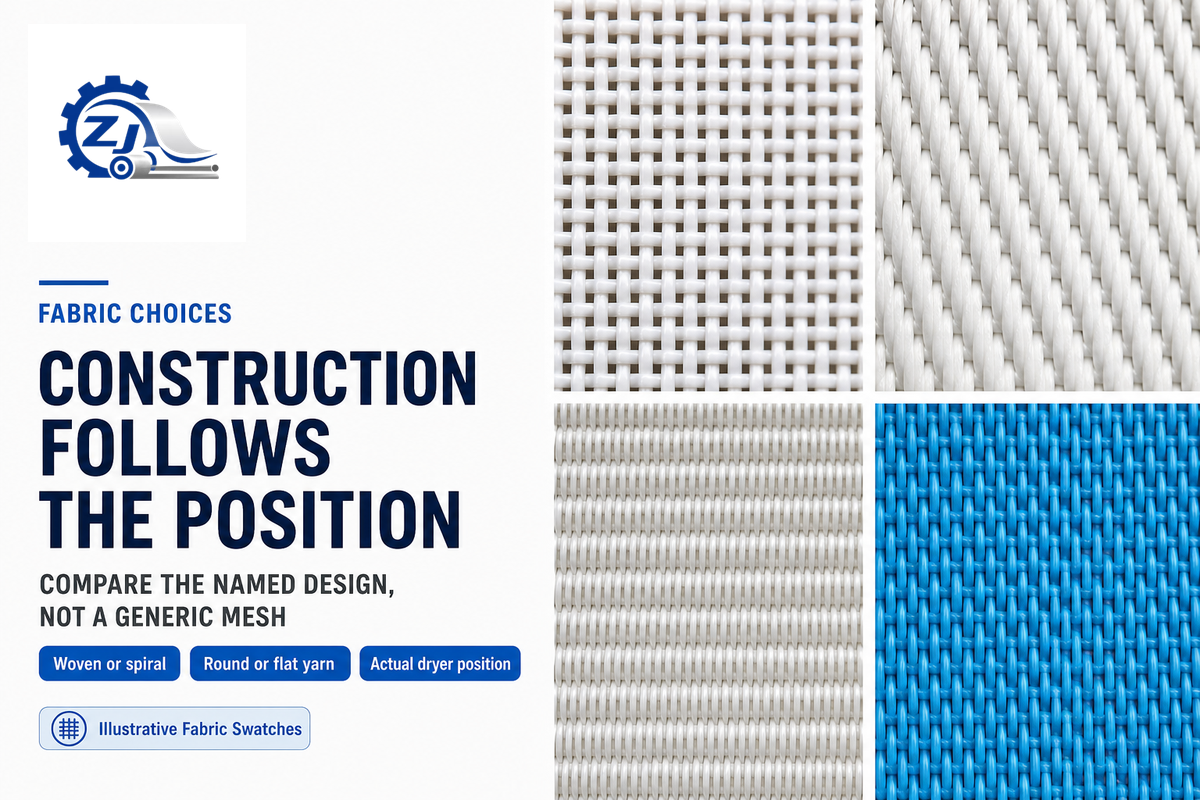
Hehuang’s four principal dryer constructions distinguish round-yarn 1.5-layer and 2-layer designs from flat-yarn single-warp and double warp designs. Those are useful alternatives to put against the actual dryer position instead of requesting an unspecified dryer mesh. The company describes an Anping factory, annual capacity above 800,000 square metres and 17 laboratory test instruments, and presents ISO 9001, ISO 14001 and ISO 45001 certificates on its website. Product choice remains position-dependent: its flat-yarn double-warp construction has low-to-medium air permeability and is not a universal fabric suitable for every dryer group.
15. PFM SCREEN: Best for specifying multi-section clothing from a published production range
Headquarters / location: Beijing, China; Anping manufacturing base · Founded / milestone: 1987; group origin · Type: Industrial fabric and paper-machine-clothing manufacturer
Official website: https://www.polyestermeshbelts.com/
Main products: Forming fabrics, press felts and dryer fabrics
Certifications / notable work: Published manufacturing steps cover warping, weaving, heat setting, finishing and seaming.
PFM SCREEN publishes a forming, press and dryer portfolio with a stated maximum weaving width of 16 m and 12 clothing product types. Its About page places headquarters in Beijing and manufacturing in Anping, describes a group origin in 1987, and lists production stages including warping, weaving, heat setting, finishing and seaming. This gives a mill a concrete production range to discuss when defining a large or multi-position order. The 16 m figure is an advertised manufacturing ceiling, not confirmation that every series and construction can be supplied at that finished width.
16. KEYLIFE: Best for seamed felts and tissue-forming fabric options
Headquarters / location: China; exact headquarters not specified · Founded / milestone: Not publicly disclosed · Type: Paper machine clothing and polyester filter-belt manufacturer in China
Official website: https://klfabric.com/
Main products: Forming fabric, press felt, dryer fabric and filter belts
Certifications / notable work: Company states its plant is ISO 9001 certified (according to the company website).
KEYLIFE’s featured products include a press felt with a seam or double seams and an SSB triple-layer tissue forming fabric. Those named choices make the company relevant when the enquiry must specify more than a generic felt or mesh, particularly the seam arrangement of a replacement press fabric. The company describes itself as a Chinese manufacturer and states that its plant is ISO 9001 certified. Single- and double-seam options still need a specified layout and installation arrangement; their double- or triple-layer bases leave a single-layer order outside the described construction.
17. Sun Hong Group: Best for clothing procurement alongside paper-machine component work
Headquarters / location: Xuzhou, Jiangsu, China · Founded / milestone: 2010; group formation · Type: Manufacturing and trading group with an owned clothing-factory history
Official website: https://www.sunhongpapermachine.com/
Main products: Press felts, forming fabrics and dryer fabrics
Certifications / notable work: The official group history identifies production of all three core clothing families.
Sun Hong’s history describes its own factory producing press felts, forming fabrics and dryer fabrics, followed by a broader paper-machine engineering and supply business. The group identifies Xuzhou as its base and 2010 as its formation year, with both manufacturing and trading in its business description. That combination can suit procurement that spans clothing and nearby machine components. The relevant buying limit is the item boundary: an owned clothing-factory history doesn’t mean every machine or partner product in the group’s larger catalogue comes from the same production operation.
18. Bonfilt: Best for forming fabrics with a published width ceiling
Headquarters / location: Qingdao, China; published company address · Founded / milestone: Not publicly disclosed · Type: Industrial filtration and forming-fabric manufacturer
Official website: https://www.bonfilt.com/
Main products: Forming fabrics and spiral dryer fabrics; broader filtration belts
Certifications / notable work: The forming-fabric product page specifies a 13.5 m maximum width.
Bonfilt’s forming-fabric page describes Texo weaving equipment, automatic seaming and Juergens oil-roller heat setting, and publishes a maximum width of 13.5 m. These details make it useful when a buyer wants to discuss the manufacturing route and dimensional envelope of a forming fabric, rather than only compare catalogue mesh labels. Its wider range includes spiral dryer fabrics and filtration belts, each serving its stated application. An order wider than 13.5 m falls outside the published forming-fabric range; narrower enquiries still need their construction and finished dimensions specified.
19. BENOST: Best for comparing layered forming fabrics and two dryer-fabric types
Headquarters / location: Zhengzhou, Henan, China; published address · Founded / milestone: 1980; company website statement · Type: Forming-fabric and dryer-fabric manufacturer
Official website: https://benost.com/
Main products: Single through triple-layer forming fabrics, spiral dryer fabrics and woven dryer fabrics
Certifications / notable work: The catalogue presents both spiral and woven dryer-fabric families.
BENOST’s catalogue separates single, 1.5-layer, double, 2.5-layer and triple-layer forming fabrics, as well as spiral and woven dryer fabric families. Its website gives a Zhengzhou address and states a 1980 company origin. A buyer comparing construction alternatives can therefore start with a named layer arrangement and the intended section, then describe the paper produced and the operating problem. The wider catalogue includes products for sludge and pulp processing; its two- and three-shed single-layer items shouldn’t be treated as paper-machine replacements simply because both applications use technical textiles.
20. Oasis Fabrix: Best for SSB forming fabrics with custom mill-specific design
Headquarters / location: China; exact headquarters not specified · Founded / milestone: 2015; current official website · Type: Paper machine fabric and filter-belt manufacturer based in China
Official website: https://www.oasisfabrix.com/en/
Main products: SSB forming fabrics, press felts, dryer fabrics and filter belts
Certifications / notable work: The official site shows weaving, heat-setting and seaming operations for its fabric range.
Oasis Fabrix describes custom development of SSB forming fabrics and shows weaving, heat-setting and seaming operations on its official website. Press felts and dryer fabrics extend its clothing range, while filter belts belong to other separation duties. The current About page gives 2015 as the company’s foundation and identifies its Chinese manufacturing base. This offer fits a discussion built around the mill’s grade and existing position. A press-filter or vacuum-filter belt model doesn’t define the construction of a replacement paper-machine fabric, even in the same supplier catalogue; Oasis’ SSB series are grade-specific, with KZ/KZH for board and packaging, WN for tissue, and YX/YSL for writing and printing.
How to Choose a Paper Machine Clothing Manufacturer
Choose a paper machine clothing manufacturer by matching the proposed fabric to a named machine position, then comparing the technical basis of the offers. For paper and board production, a broad catalogue is useful only if the supplier can translate your grade, dimensions and operating conditions into a specific construction. Ask competing suppliers to answer the same enquiry so that differences in their proposals become visible.
Start with the position and the paper grade
When discussing prices, identify the type of paper, furnish, basis-weight range and normal operating speed, with any planned change in production. A replacement for packaging board and a replacement for tissue machines may have completely different priorities for sheet contact, even if both are known as press fabric.
Identify the problem to be corrected as drainage, sheet marking, deposits, wear, guiding, or unstable moisture. Avoid combining every symptom into a request for a “better” fabric. A supplier can be more helpful if it knows what the priority is to be achieved and what will be the constraints. On high-speed paper machines, access for installation and the actual running position also should be mentioned.
Specify the finished dimensions and construction
Specify the required finished width and the corresponding loop length or circumference with agreed measurement conditions. Provide the fabric designation if available, but don’t presume nominal machine width defines the textile. Design drawings, tensioning travel, and seam arrangement can affect what needs to be furnished. For a forming purchase, provide the current layer construction and paper side problem rather than requesting mesh count alone.
Polyamide and polyester are common elements of the discussion on clothing, but the naming of the material doesn’t define the complete product. The size of filament and the arrangement of the yarn, base and batt can influence the end properties. The proposal should define the construction of the item, abrasion resistance, and its dimensional stability. Where applicable, discuss shrinkage. More layers don’t automatically mean superior properties for a particular paper produced.
When Should a Mill Choose a Seamed Press Felt?
A seamed press felt should be considered by a mill when the installation arrangement or shutdown window makes a seamed construction useful and the proposed fabric suits the paper grade and press position. For a seam, sheet marking and base construction should be considered, as well as the position of the press. For applications involving tissue and a shoe press, among others, proposed by Albany, it can be shown that the “endless is better” rule is too broad.
Compare the actual seam and base design. AstenJohnson’s AccuFlow S2/E2, for example, describes a particular layered construction with AccuLink, rather than a generic seam added to any fabric. KEYLIFE separately lists single- and double-seam options. Those are different technical conversations, not reasons to select a supplier solely on the word seamed.
For an existing line, send photographs or drawings of the installation path and explain the available shutdown period. The press and dryer felt options provide a starting point for defining that enquiry. The agreed seam layout should appear in the proposal alongside the fabric construction and finished size.
Match the dryer construction to its environment
Ask which dryer group the offered fabric is intended for and explain the temperature, moisture and sheet-support conditions there. Woven and spiral constructions give suppliers different design choices, while round and flat yarns introduce another distinction. Hehuang’s four construction families and BENOST’s woven/spiral split make those differences visible in the catalogue.
Don’t use a single air-permeability number as a complete selection rule. The fabric also needs to work through the machine’s guiding, tensioning and cleaning arrangement. Heat resistance and behavior in wet conditions are properties of the material and construction, so a “high-performance” description can’t substitute for operating data. A fabric that runs dry in one duty isn’t necessarily the right choice for a different hot and wet position.
Compare measurements on the same basis
Ask for the test method and conditions behind a permeability value. ISO 9237:1995 describes determination of air permeability of fabrics; citing it does not certify the manufacturer. Numbers collected under different test conditions should not be treated as a like-for-like comparison simply because the units match.
Factory measurements of clothing for paper machines and observations of the fabric in service answer different questions. A new fabric statement doesn’t explain how a felt changes from running with the mill’s furnish and cleaning regime. Keep the original specification and operating observations side-by-side. With those, the supplier can assess if a subsequent change is due to deposits, wear, the conditioning system, or construction.
How Does Paper Machine Clothing Affect Paper Quality?
Paper machine clothing modifies paper quality via its contact with the sheet, its dewatering behavior, and its consistency in running through the position. Forming-fabric support can affect sheet formation and marking; press-fabric construction affects water removal and surface contact; dryer support alters the way the web travels through the dryers. A comparison of practical value is the measured result at the mill.
Define the acceptance measures before changing the fabric. Depending on the particular condition, these may include the mill’s existing formation, surface marking, moisture, or runnability records. Keep the paper grade and machine configuration with the measurements, so an apparent improvement isn’t wrongly attributed to clothing when other settings changed. Uniformity extends in both directions across the web as well as through the length of the run.
Prioritize the final product requirements. A newly developed paper grade may require a different sheet surface, while an established packaging grade may place a greater priority on drainage and stable operation. Neither situation justifies a universal guarantee of higher output. A useful supplier proposal explains the expected mechanism and how the mill can evaluate it.
How Do You Maintain and Care for Paper Machine Clothing?
Maintain paper machine clothing with a conditioning and inspection routine matched to the fabric, installed equipment and contaminants. Document and discuss changes in drainage, guiding, visible wear and sheet quality with the supplier before changing cleaning practices. Generic chemical doses and showers can’t replace experience and knowledge of each construction and mill environment.
Clarify technical support before the purchase: who reviews operating records, what samples are useful and whether on-site measurements are included. Feltri Marone’s used-sample analysis and Voith’s diagnostic options illustrate two different support routes. Their value depends on what the order includes and on the information the mill supplies, not simply on the existence of a service catalogue.
Discuss fabric life alongside downtime, change-out work and saleable paper production. A low purchase price may not reduce costs if the position requires frequent replacement, but no supplier-wide life ranking follows from that observation. When assessing machine efficiency, productivity and profitability, compare the mill’s operating records with the support scope to be provided. If the issue is drive efficiency, provide the related power records rather than use fabric life as a surrogate.
What Should a Mill Send for Comparable Clothing Quotes?
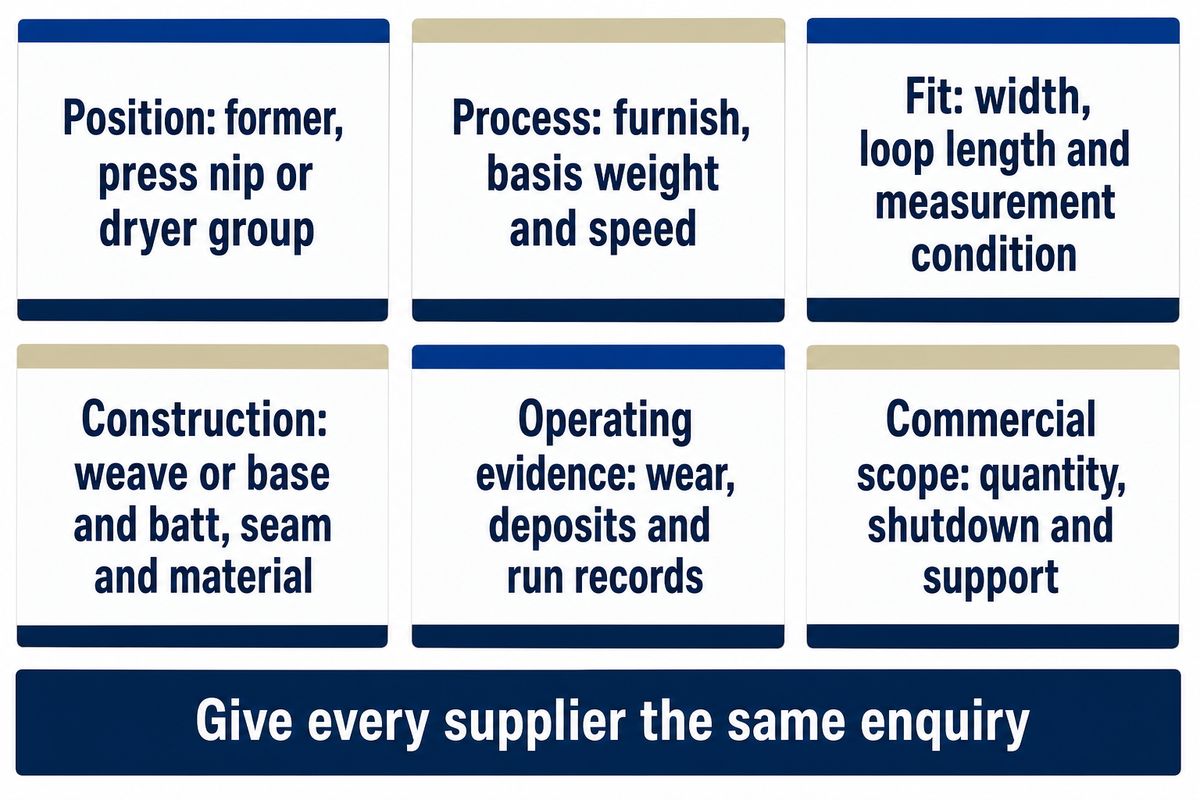
A mill should provide each supplier with the same position, paper grade, finished dimensions, operating speed, existing construction and installation requirements. Add the main problem to solve and the planned shutdown date. Related quotes require a similar technical basis; an attractive price for a different seam, size or supply scope answers a different requirement.
- Position: former, named press nip or dryer group, with the current designation.
- Process: furnish, basis-weight range, normal speed and the sheet-quality priority.
- Fit: finished width, loop length, measurement condition and tensioning arrangement.
- Construction: existing weave or base/batt, seam preference and material requirements.
- Operating evidence: wear pattern, deposits, guiding observations and useful run records.
- Commercial scope: quantity, delivery location, shutdown date, installation and support.
For a B2B order, once the technical match is confirmed, check the quotation for the stated manufacturing entity, applicable certificate scope and product inspection records. Separate the factory where the clothing is manufactured from the group company selling other products and services. Any subcontracted process, material traceability or first-piece inspection should be covered in the order discussion, as opposed to being repeated as a general concern against every supplier.
For a rebuild, clothing selection belongs beside the drawings for the rolls and other paper-machine parts and replacement clothing. A complete machine project has a wider delivery boundary, as the kraft machine project comparison explains. Keeping those scopes distinct prevents a textile quotation from being mistaken for a complete process upgrade.
FAQs
Which is the best paper machine clothing manufacturer for a multi-section order?
Albany, AstenJohnson, ANDRITZ, Voith and Valmet all publish multi-section clothing ranges.
The best fit depends on the specific forming, press and dryer positions in the order. Compare the proposed construction and service scope for each one rather than choosing on group size alone. A single supplier may simplify coordination, but the mill still needs separate specifications for each position. Include the grade, operating conditions and acceptance measures so that the proposal explains how the products fit together without assuming identical requirements throughout the machine.
Who is the largest paper machine clothing manufacturer in the world?
A defensible largest-supplier answer needs comparable clothing-business data for the same period.
Group revenue, the number of offices and an online directory’s contact count measure different things. The sources don’t supply a consistent market-share comparison across all twenty companies. Albany International, AstenJohnson, ANDRITZ, Voith and Valmet are relevant multi-section candidates, but naming them doesn’t establish a size ranking. The production operation and service team handling the actual order matter for procurement; global scale alone doesn’t settle that question.
What is the difference between a paper machine clothing manufacturer and a supplier?
A manufacturer produces the clothing; a supplier is the business through which the mill buys it.
One company can perform both roles, while a group may combine its own production with products sourced elsewhere. The distinction matters when discussing inspection records, construction changes and responsibility for support. The entity that makes the specific fabric can differ from the entity that quotes and services the order. A paper-machinery company may also supply clothing matched to its equipment, so the answer should describe the particular product rather than rely only on a broad business label.
How much does paper machine clothing cost?
Price depends on the specified construction, dimensions, materials, seam and delivery scope.
No comparable universal price band is published. Send the same technical enquiry to shortlisted manufacturers and separate the fabric price from installation, measurements or other support services.
Which paper machine clothing manufacturers operate in India?
Wires & Fabriks in Jaipur and Dinesh Felts in Vadodara are included here.
Wires & Fabriks emphasizes forming and dryer products; Dinesh describes press and dryer fabrics. Match that product scope to the required position before treating both as alternatives for every clothing purchase.
Which paper machine clothing manufacturers operate in China?
The shortlist includes Zejiang, Hehuang, PFM SCREEN, KEYLIFE, Sun Hong, Bonfilt, BENOST and Oasis Fabrix.
Their ranges differ. Some emphasize forming and drying, while others publish press-felt options or combine clothing with machinery supply. Use the company profiles to identify the relevant construction and production role.
Discuss Your Machine Clothing Requirements
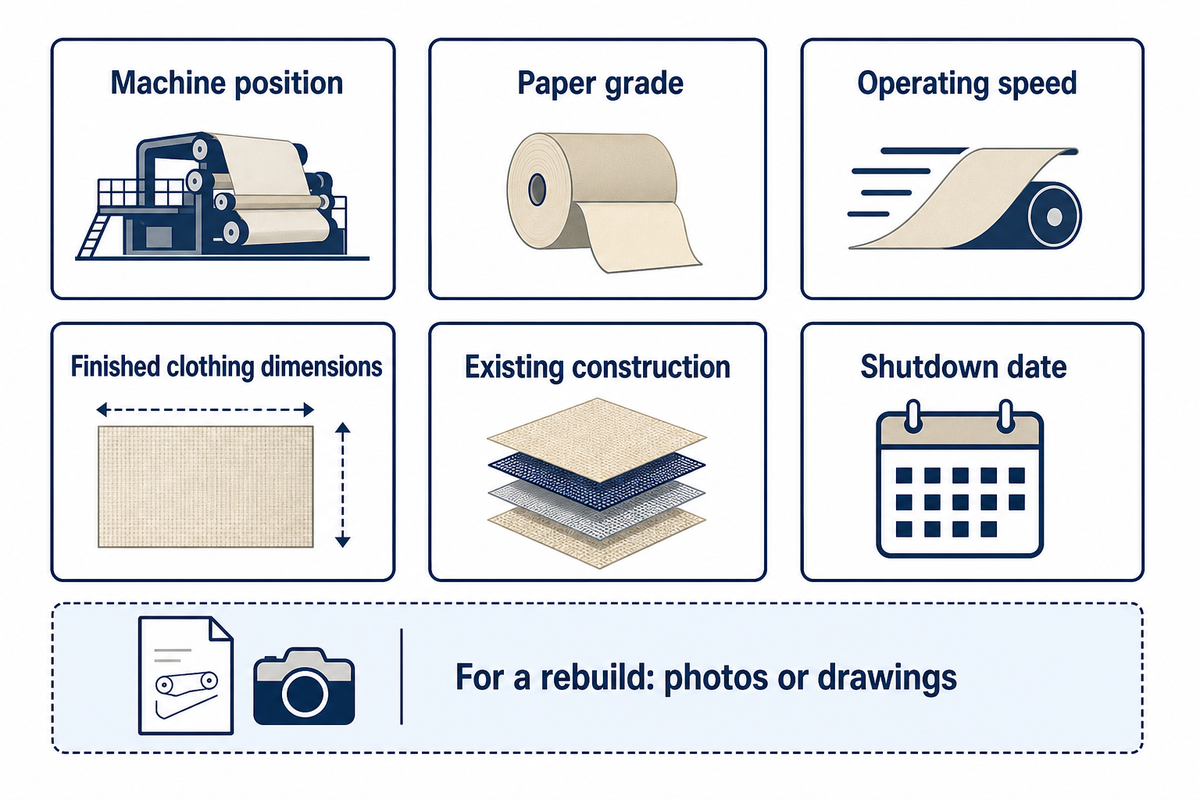
Send Zejiang the machine position, paper grade, operating speed and finished clothing dimensions, together with the existing construction and your shutdown date. Include photographs or drawings when the replacement is part of a roll or section rebuild. Those details let the enquiry address fit and supply scope before a price is prepared.
Start with the Zejiang workshop and company background to understand the machinery business. For a wider project involving a tissue line, the tissue machine supplier comparison addresses equipment suppliers rather than treating a clothing order as a full machine purchase.
References & Sources
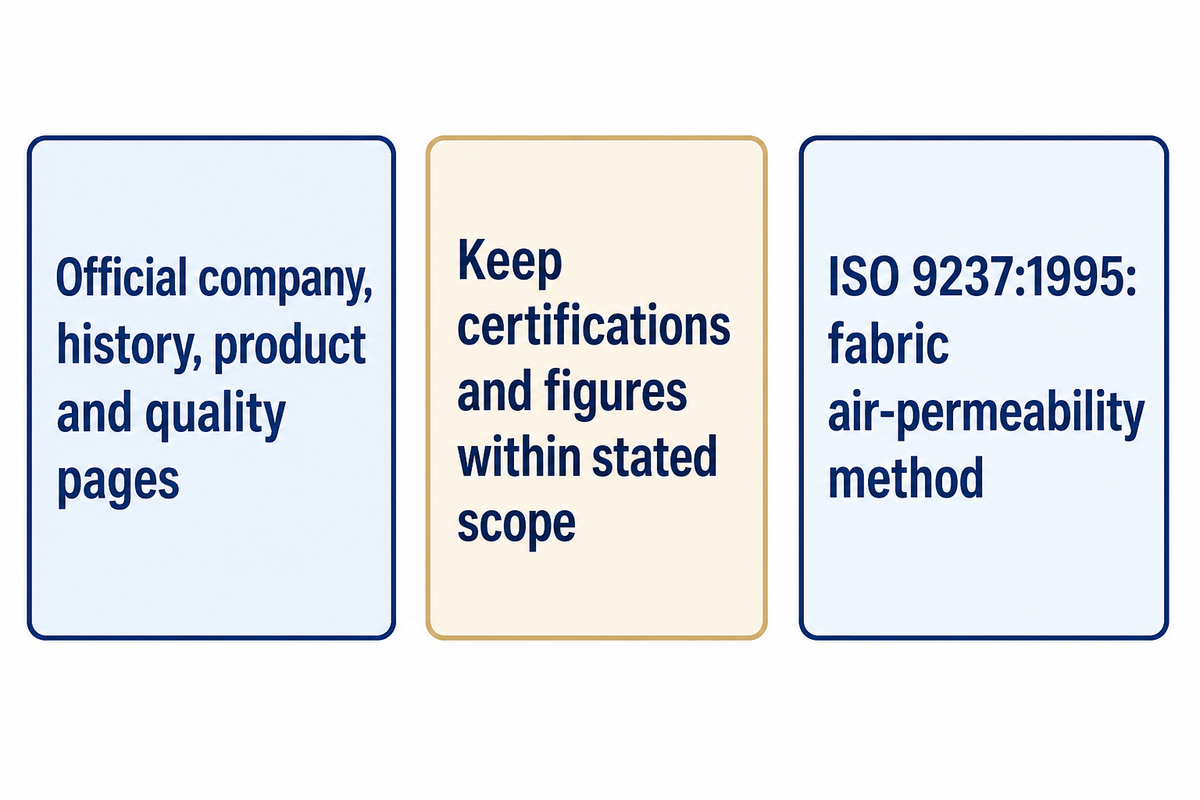
Company facts come from the official company, history, product and quality pages reviewed in October 2026. Official websites are shown in the table in plain text. Company certifications and production figures show the stated entity and product scope. The standards reference is ISO 9237:1995, Textiles: determination of the permeability of fabrics to air.