Get in touch with Zejiang Paper Machinery Company

Pulping Equipment / Stock Preparation Cleaners
Paper Mill Cleaners
Paper Mill Cleaners — High Density & Low Density Cleaning Systems for Pulp Stock Preparation
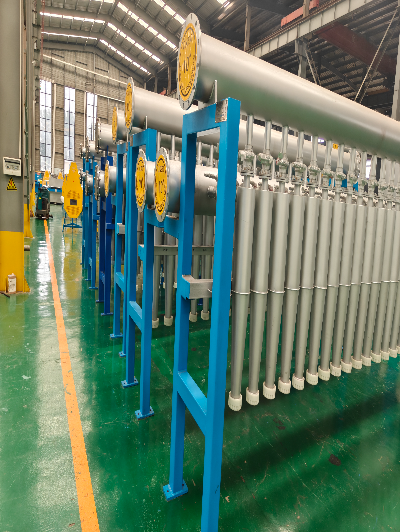
High density cleaner and low density cleaner systems remove the sand, glass, metal, wax, and hot-melt contaminants that cause paper breaks, roll wear, and rejected reels before they ever reach your paper machine. Henan Zejiang Paper Machinery builds the full cleaner family – high density, low density, and multi-stage centrifugal – instead of the single-model lineups most suppliers offer, so your stock preparation line gets matched capacity at every cleaning stage rather than a compromise unit stretched across jobs it wasn’t sized for.
Hover to view · Click to Zoom
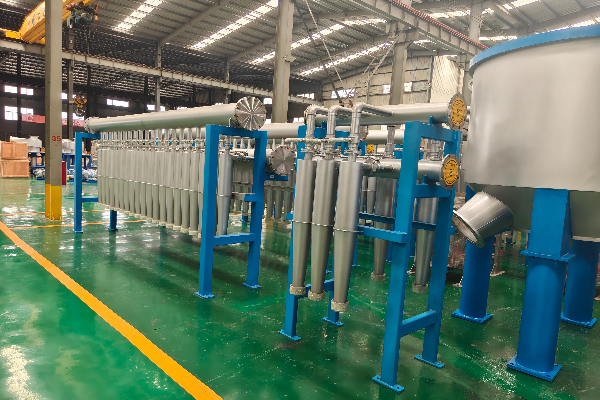
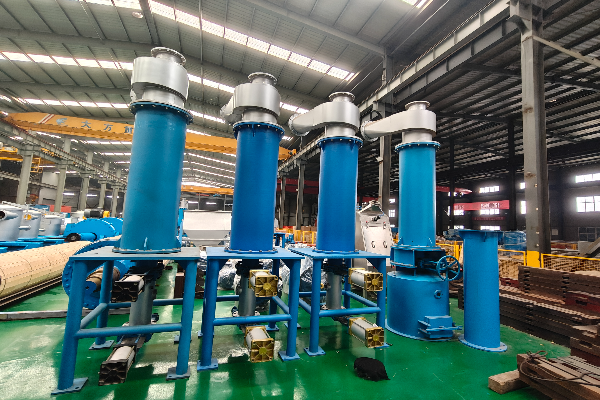
2-6%
Typical HD cleaner feed consistency
25-120cm
HD cleaner diameter range
0.4-1.2%
LD/reverse cleaner feed consistency
HD+LD+Multi-Stage
Full cleaner family, one supplier
CE / ISO 9001
Certified manufacturing (on request)
Ceramic or Steel
Wear-part cone material options
1 / 5
Why Unclean Pulp Stock Costs You More Than You Think
01
The Hidden Contaminants
Before pulp stock ever reaches the headbox, it carries sand, glass, staples, metal fragments, wax, hot-melt adhesives, and stickies picked up from raw fiber and recycled furnish. TAPPI Test Method T275 defines the job of a stock cleaner plainly: separate shives, macro stickies, plastics, sand, metal pieces, and flakes from the fiber before they can travel further into the system.
03
Compound Effects
Even a single missed impurity class in your cleaning application can compound. Efficient removal of impurities at the first stage is what makes every downstream process – refining, screening, forming – run against consistently high-quality stock. The goal of a properly staged cleaner line isn’t just removing impurities, it’s minimizing total contaminant carryover.
The Zejiang Cleaner Line — High Density, Low Density & Multi-Stage Centrifugal Models
Every cleaner in this line works on the same physical principle – centrifugal force separating particles by density inside a conical vortex – but the diameter, feed consistency, and cone geometry are tuned for a specific contaminant class. That’s the difference between a cleaner that actually protects your machine and one that just adds a pressure drop.
“We size the cone diameter and stage count to the actual tonnage and contaminant load a mill reports to us — not to a standard catalog model. A cleaner that’s oversized for your flow runs inefficiently at low velocity; one that’s undersized short-cycles and lets rejects through. Both mistakes cost more in downstream wear than the unit itself.”
Core Cleaner Models
Heavy Reject
Forward Cleaner
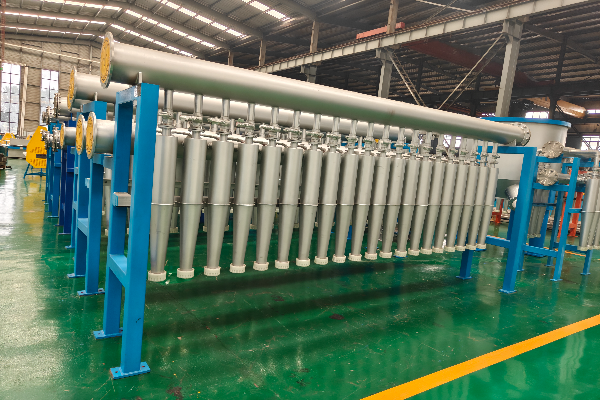
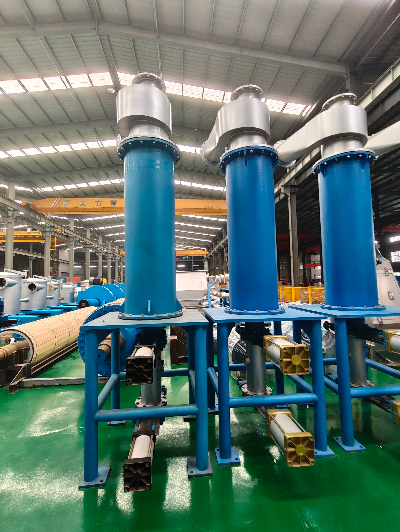
High Density Cleaner
Removes contaminants with specific gravity greater than fiber – sand, glass, metal fragments, staples, and grit – early in the line, right after pulping, to protect downstream refiners and screens from abrasive wear.
Typical feed consistency 2-6%, diameter 25-120cm depending on tonnage.[1]
Light Reject
Reverse Cleaner
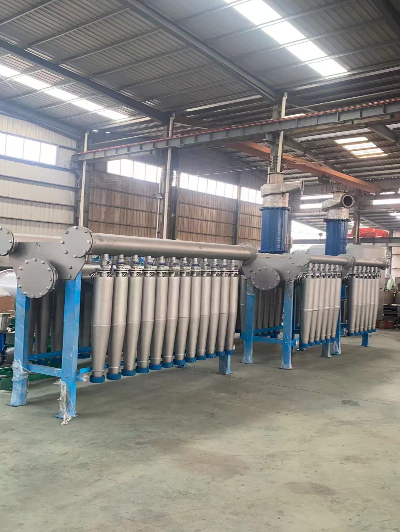
Low Density Cleaner
Runs at lower consistency (0.4-1.2%) and removes lightweight contaminants – hot-melt adhesives, wax, foam plastics, stickies, and ink particles – that a high density cleaner physically cannot reject because they’re not heavier than the fiber itself. Specially designed cones extend residence time.
Available in Ceramic or Steel cone Construction – Refer to wear-part Trade-off below.
Multi-Stage System
Cascade System
Multi-Stage Centrifugal Cleaner
Primary, secondary, and tertiary stage cleaners, sequenced such that each stage recuperates usable fiber from the prior stage’s rejects rather than sending them directly to the waste – this same design used by premium cleaning-system suppliers in their top-recovery lines.
Wear Part Trade-Off: Ceramic vs. Steel Cones
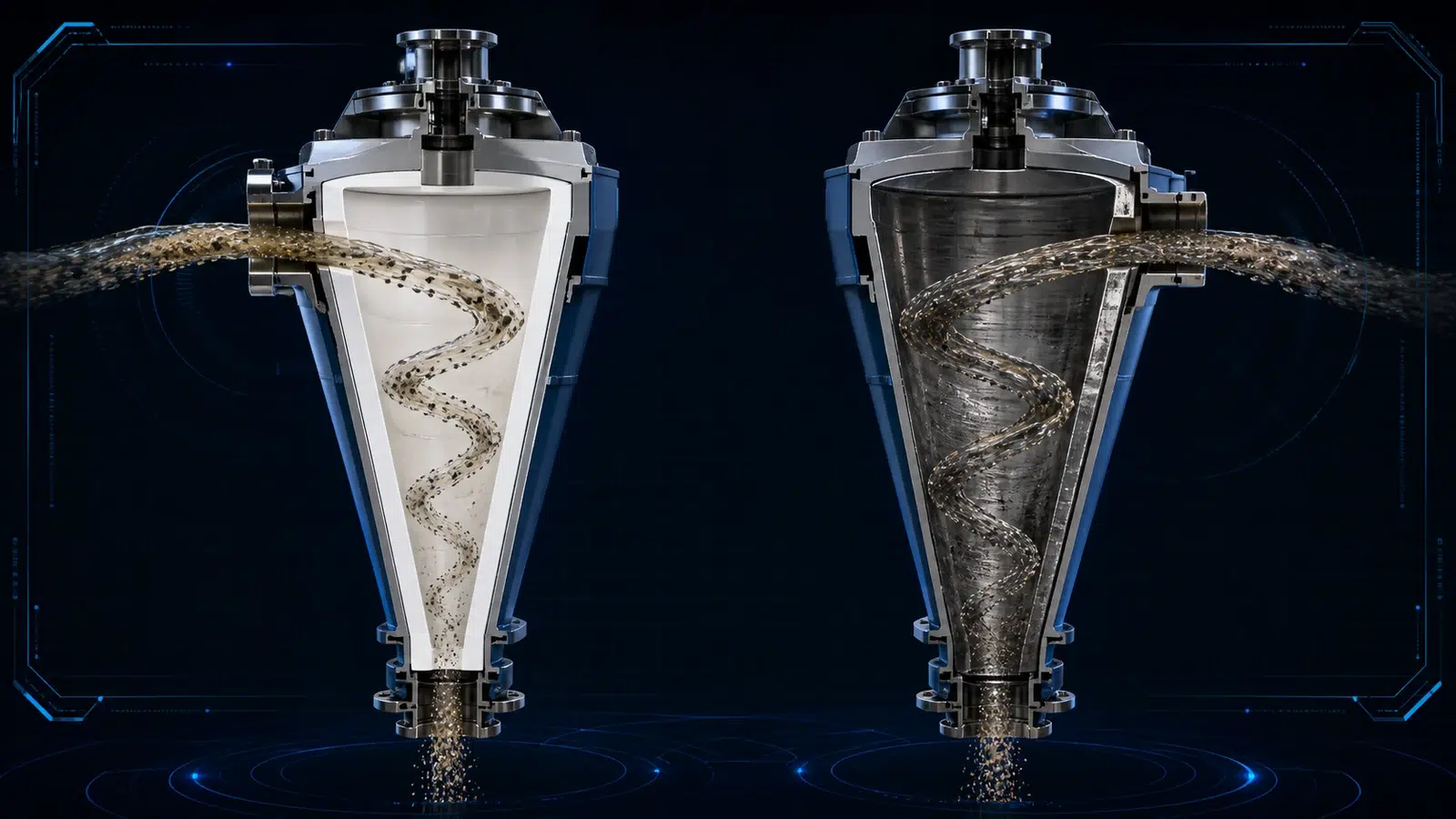
Ceramic cones generally provide far superior wear resistance against highly abrasive sand and grit when compared to steel construction, though the increase in lifespan does not always compensate for the higher price tag in each specific application.[2] When using lower-abrasion furnishes such as virgin kraft clean or mild OCC mixes, a steel cone will run for a full service life with no significant wear accumulation, rendering ceramic the more expensive option with no operational advantage.
When running heavy-grit recovered fiber, the difference in wear life favors the ceramic construction, a choice based entirely on the incoming stock, not an automatic recommendation for the premium model to inflate a quote — the honest answer is “it depends on your furnish,” not “always ceramic.”
The Furnish-to-Cleaner Fit Map
Proper cleaner design depends entirely on the specifics of what you’re feeding into your stock preparation. A standard virgin kraft furnish often carries less total contaminant load, so a standard configuration like a single low-density polishing stage alongside a high density cleaner is typically adequate. For recovered fiber processes running old corrugated containers (OCC), where incoming stock can have much heavier grit and staple loads, a high density cleaner is placed just after pulping, as indicated by Venditti’s paper recycling coursework at NC State, to prevent wear from the heavier material from damaging refiners and screens further downstream. Specialty and tissue lines require minimal visible specks in the final sheet, often making a specialized stage, like an additional low-density reverse cleaning stage, a sound investment even when high-contaminant loads are not a major concern. These guidelines are only a starting point; our engineering department reviews your incoming furnish analysis and makes adjustments accordingly.
The Contaminant-to-Cleaner Fit Index
The goal is to match the cleaner to its duty so it operates efficiently at design velocity through its tangential inlet. If the cleaner is incorrectly sized, it will short-cycle the rejects or run at a pressure drop that wastes energy with no real decrease in downstream contaminant load. Use the stock profile below as an initial guideline and then cross-reference it with your own furnish analysis.
| Contaminant Profile | Feed Consistency | Recommended Stage | Cone Material |
|---|---|---|---|
| Sand, glass, metal, staples (specific gravity >1.0) | 2-6% | High Density Cleaner (primary) | Ceramic for high-grit OCC/recovered furnish |
| Wax, hot-melt adhesives, foam plastics, ink specks (specific gravity <1.0) | 0.4-1.2% | Low Density / Reverse Cleaner (secondary) | Steel for lower-abrasion virgin furnish |
| Mixed heavy + light contamination, high fiber-recovery target | Cascaded 2-6% → 0.4-1.2% | Multi-Stage Centrifugal system | Mixed per stage |
| Fine residual sand after primary cleaning | <1% | Sand separator (tertiary/polishing stage) | Ceramic |
The same in-house engineering team that specs Zejiang’s paper machines specs the cleaner line feeding them — a factory-direct arrangement, not an order routed through a trading company that has never seen your furnish analysis. Unlike suppliers who sell a single catalog cleaner and leave you to work out the rest of the stage sequence yourself, Zejiang engineers the full cascade as one system, whereas a reseller with no in-house design control over cone geometry or stage count can only offer you whatever’s already sitting in a catalog.
See which stage count fits your tonnage before you commit to a full cascade.
Request a Configuration Review →Forward vs Reverse Cleaning — How Density Separation Actually Works
Most cleaning-equipment product pages simply say cleaners handle contaminant removal and stop there. The mechanism is more specific, and knowing it is what lets you actually troubleshoot a cleaning stage instead of just replacing parts when rejects rise.
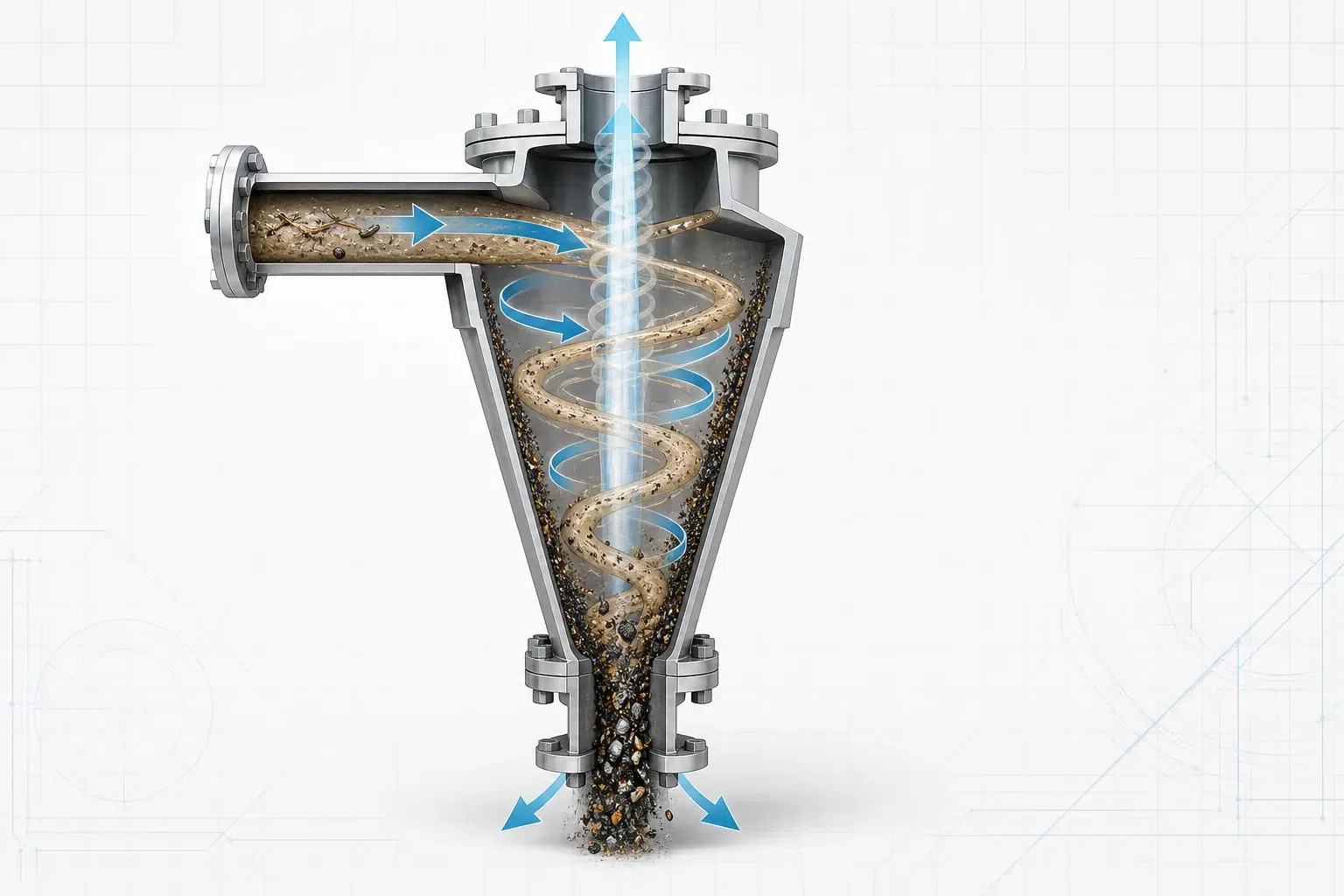
Stock enters the cleaner tangentially under pressure and is forced into a high-speed vortex inside the conical chamber — the same component whether the unit is built forward or reverse; only the cone geometry and residence time change. In a forward cleaner — the default configuration for a standard high density cleaner — the denser (specific gravity greater than roughly 1.0) particles are centrifugally pushed out toward the cone wall and spiral down toward the apex and the reject nozzle. Meanwhile, the lighter, cleaner fiber migrates toward the low-pressure core and exits at the top as accepts.[3]
A reverse cleaner — the design behind low density cleaning — is built to do the opposite: since light contaminants like wax and hot-melt plastics (specific gravity below 1.0) are less dense than fiber, the cleaner has a much longer separation cone and a centered deaeration tube so the light rejects are drawn into the center, extending the residence time enough to separate those light particles whose specific gravity is very close to fiber’s.[4]
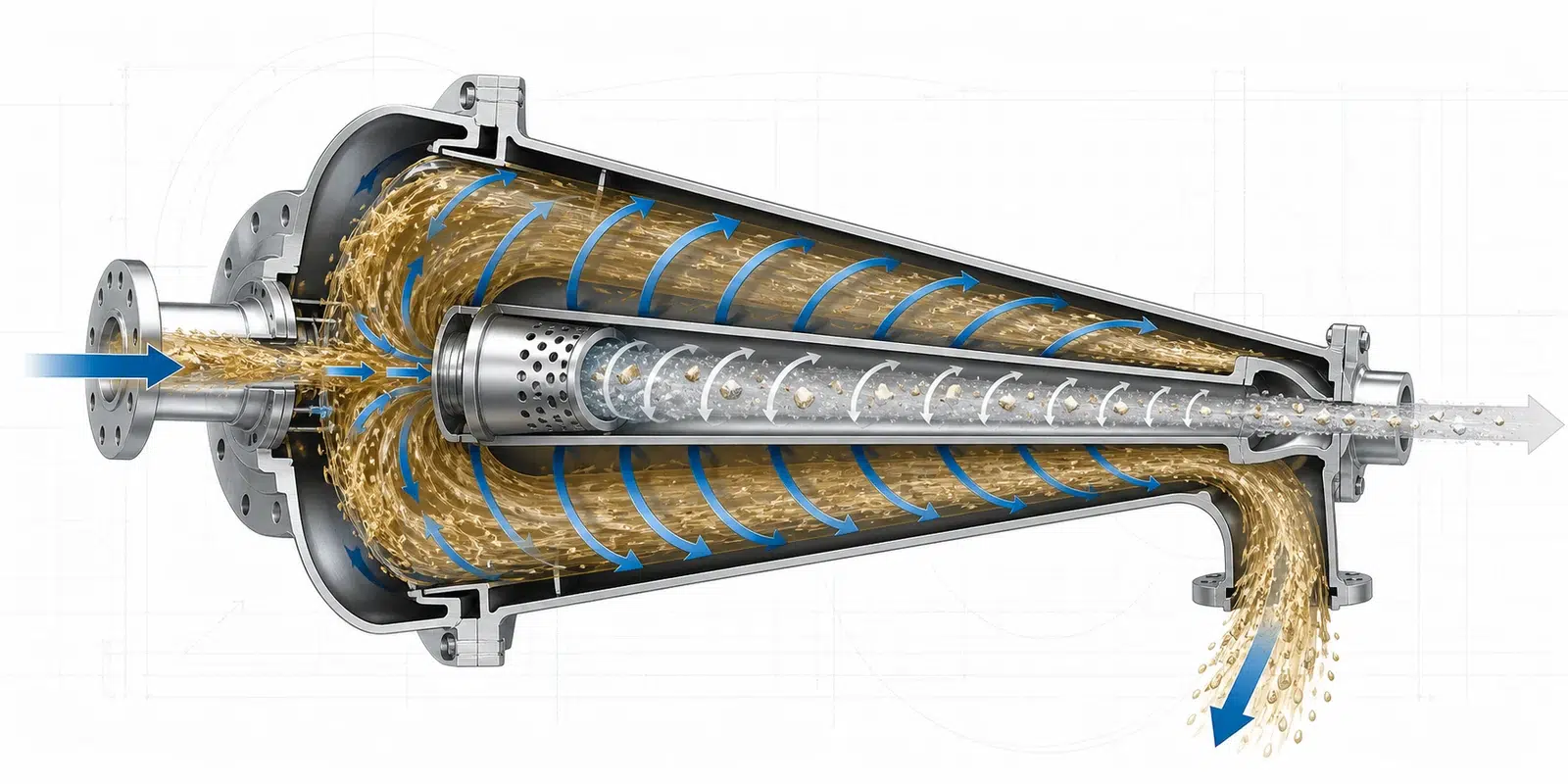
This difference explains why a single cleaner can’t do both. TAPPI’s standard text reference for secondary fiber processing lays out the same four-part vocabulary used in this section — forward cleaners, reverse cleaners, high density, and low consistency reject handling — as the framework for specifying any stock cleaning plant.[5] Get this wrong — reverse cleaning before forward, for example — and you ask the cleaner to work against the density gradients in the wrong order. That just translates downstream to more rejects and unexplained loss of fiber.
At the end of the day, this is precisely how the Zejiang engineering team designs every time we spec a cascade for a new OCC line, a kraft mill, or a tissue producer: the forward/reverse principle documented in USPTO patent US4797203A is not a proprietary claim of a single supplier, it’s the physics the whole industry designs to. Where a standard catalog cleaner is configured with a single presumed contaminant profile, Zejiang’s cone geometry and residence time is configured per furnish – this is the structural reason that two mills processing the same tonnage may have different cleaners installed even though both would call it “a high density cleaner.”
Multi-Stage Cascade Systems — Recovering Fiber From Rejects
SYS
CORE
CORE
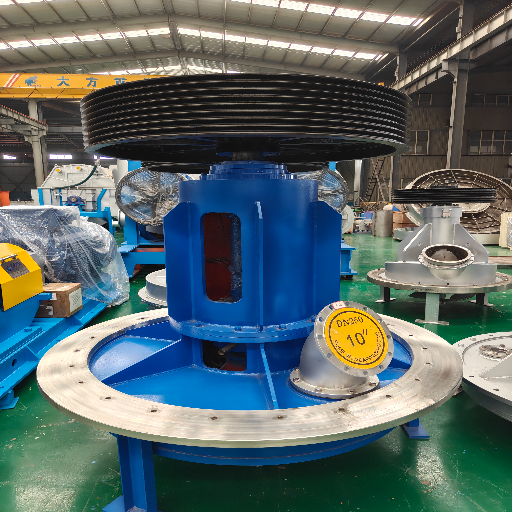
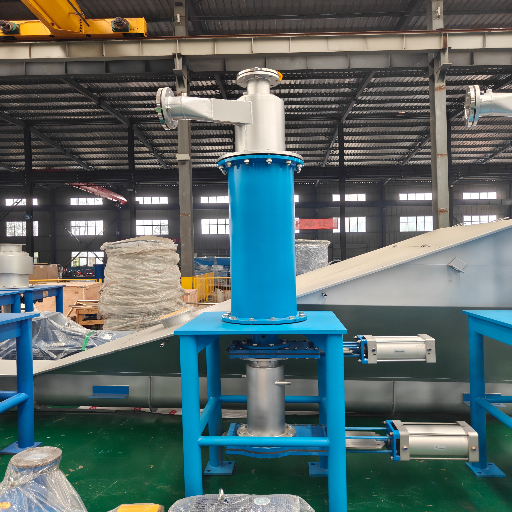
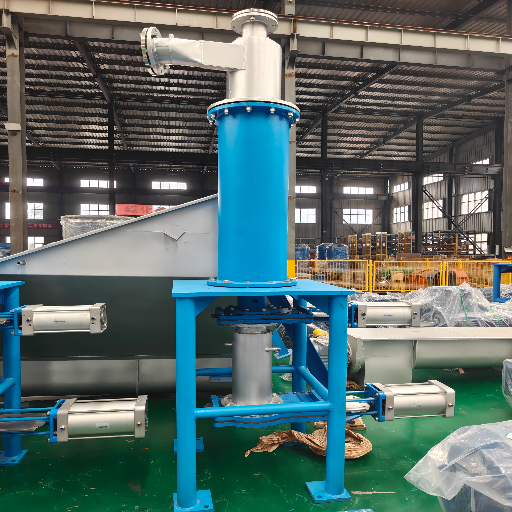
There is a very clear hidden cost of running a single-stage cleaning plant: each reject stream out of the system will contain some quantity of good fiber, and for a mill operating at 100+ tons per day, a 1-2% loss of fiber in the reject stage adds up very quickly in terms of cost over the operation cycle, a cost that is rarely even quantified in a single-pass setup until someone does a fiber balance.
There isn’t a free lunch regarding fiber loss with a single cleaning stage – each reject stream has some quantity of good fiber exiting with the contaminants. However, when you cascade stages, you can change the economics: The rejects out of the first (forward/reverse) cleaner stage are diluted and fed to a second cleaning stage, the rejects out of that second stage feed a third, and so on, each subsequent stage capturing and recovering usable fiber that a single-pass system would reject in the reject stream and lose in the waste.[6] The premium system suppliers operate with this same configuration – a primary reverse cleaner stage feeding a secondary forward through-flow cleaner stage – because the combination will remove more mass in the contaminant-containing stream with less fiber loss and less total pressure drop than a single stage.[7]
One significant limitation, which we need to be blunt about, is the underlying separation mechanism. Cleaners separate based on density, and a Western Michigan University thesis focused on upgrading post-consumer OCC stated it quite plainly: centrifugal cleaners will recover some denser particles but fine screens will perform best, with the two used together as opposed to cleaning. The thesis added that the “use of a cascaded cleaner configuration without a screening stage will still pass some heavy-weight and large-sized particles” that are too close in density to the fiber to be captured by the cleaners. NC State’s stock preparation course material frames this the same way: screening separates mainly by particle size and shape, while cleaning separates mainly by particle density — two fundamentally different principles, not two versions of the same filter.
What matters here isn’t the cost of the cleaner units themselves, but rather what they recover downstream. Reject rate is one of the parameters that determines cleaning efficiency in the first place; too low a rate and your cleaning efficiency drops, too high a rate and you’re discarding good fiber. A staged cascade helps you keep the reject rate relatively tight while minimizing your fiber loss and every percentage point of recovered fiber saves you a percentage point of furnish you otherwise would need to re-pulp or re-purchase.
3-Stage
Cascade architecture recovers usable fiber at each stage instead of discarding it at the first reject — the same design principle documented in fiber-loss studies of fine paper mill cleaner rejects.
Source: Barber, “Analysis and Prevention of Usable Fiber Loss From a Fine Paper Mill,” Virginia Tech — industry framework, not a Zejiang-measured figure. Request a mill-specific fiber balance for your furnish.
While a mill may draw steam or grid power for an entire stock preparation line, the cleaning stage is a small component of total energy draw – but a worn or plugged cleaner causes downstream refiners and pumps to work harder against a dirtier stock, which is the hidden energy cost that most mills never associate with their cleaning plant.[9] In an OCC recycling application using a 3-stage cascade, a 2% improvement in fiber recovery in the first stage is the sort of production line adjustment that easily pays for an extra cleaner stage over the life of the equipment.
Certifications & Manufacturing Standards
Henan Zejiang Paper Machinery produces to a documented quality system; certificate number and latest audit date will be given to buyers during the RFQ process, rather than listed as a published, unverified logo. Environmental compliance (ISO 14001) sits alongside the same energy-efficiency priorities the U.S. EPA’s ENERGY STAR pulp and paper energy guide documents for the wider industry.
STANDARDS
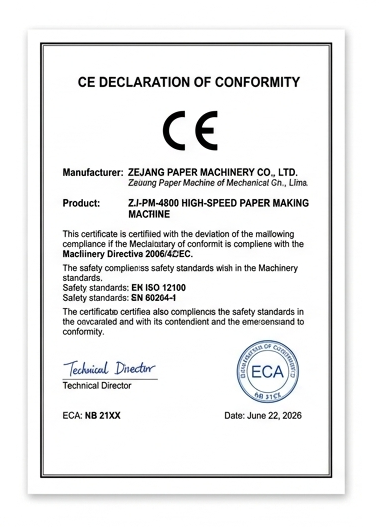
CE
On request
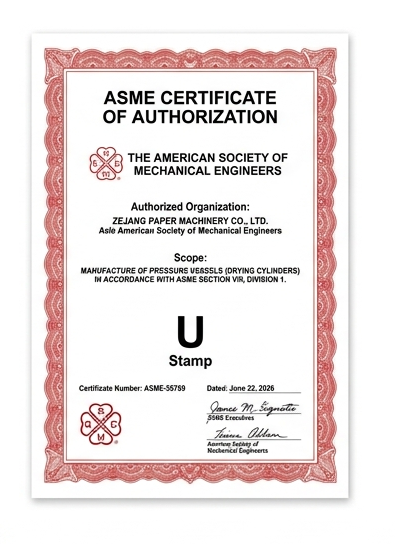
ISO 9001
Quality management, on request
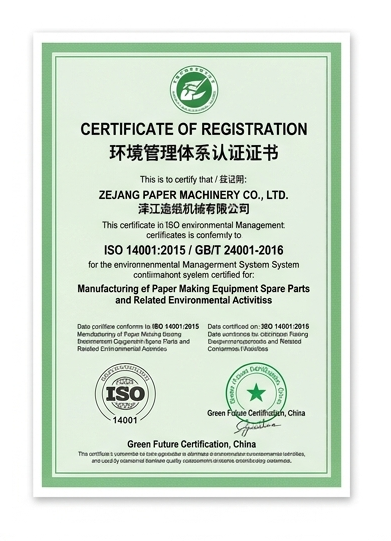
ISO 14001
Environmental management, on request
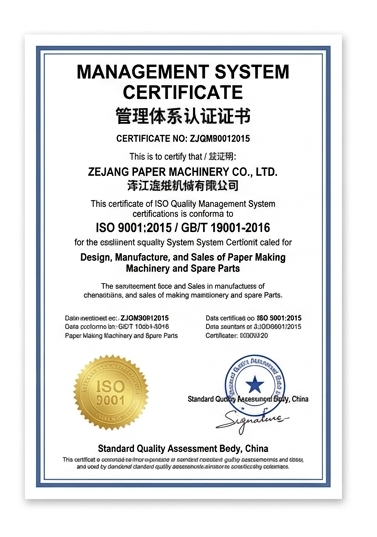
ISO 45001
Occupational safety, on request
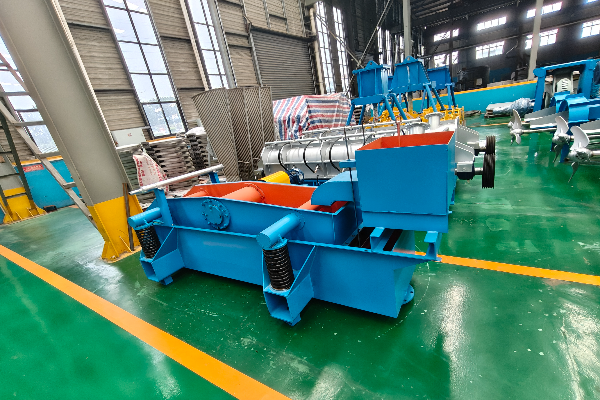
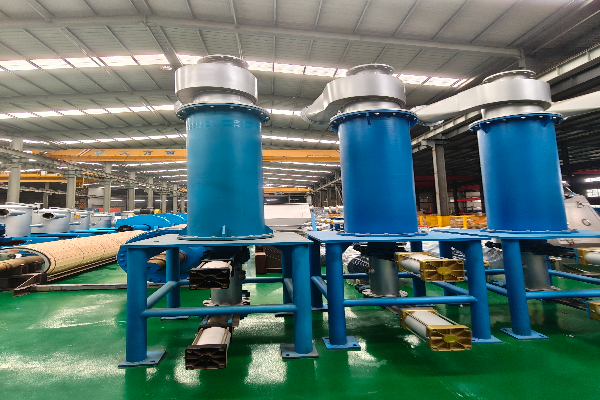
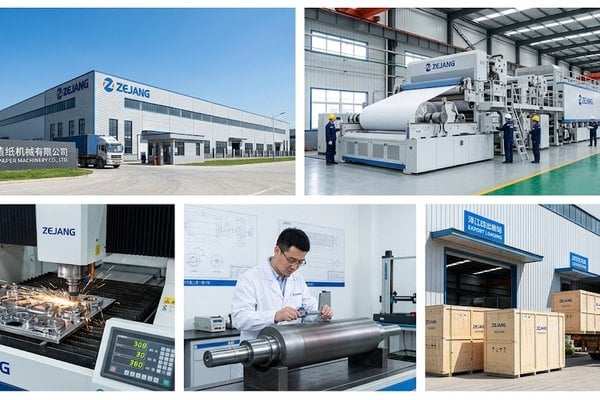
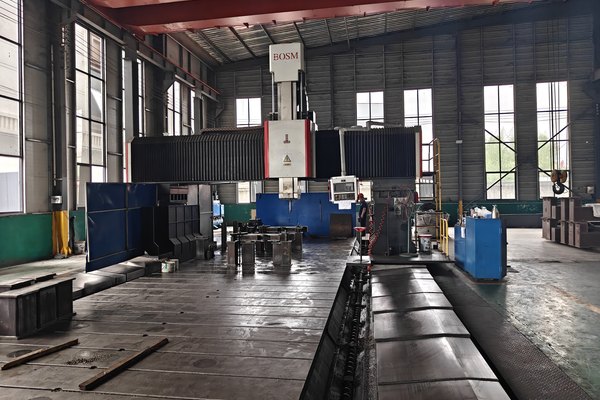
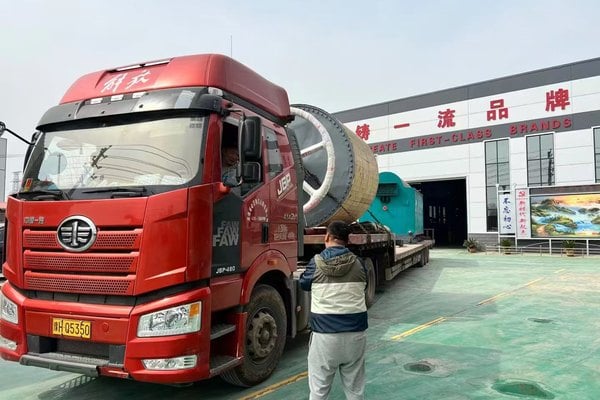
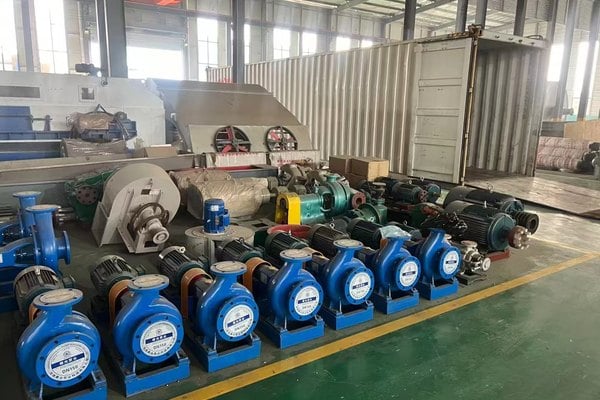
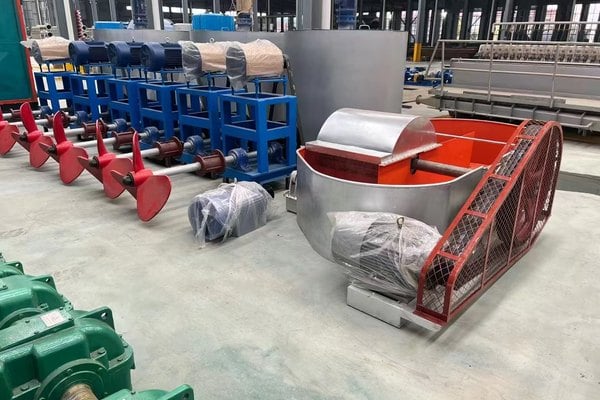
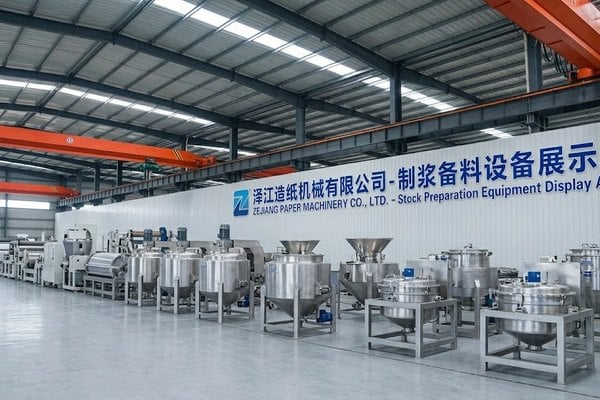
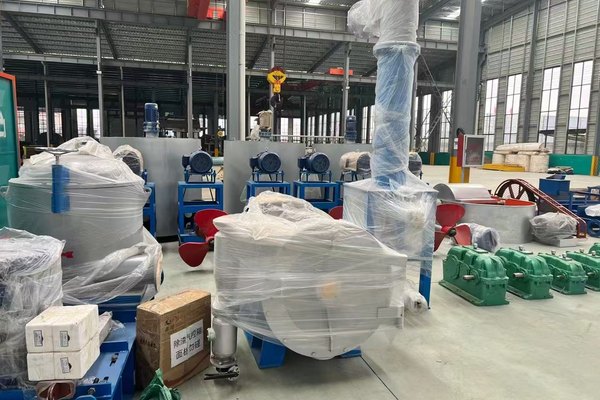
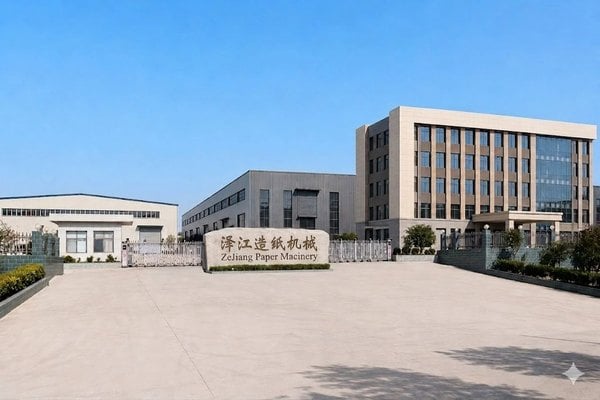
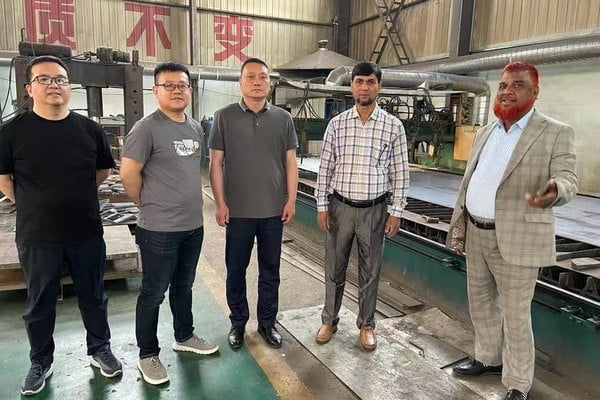
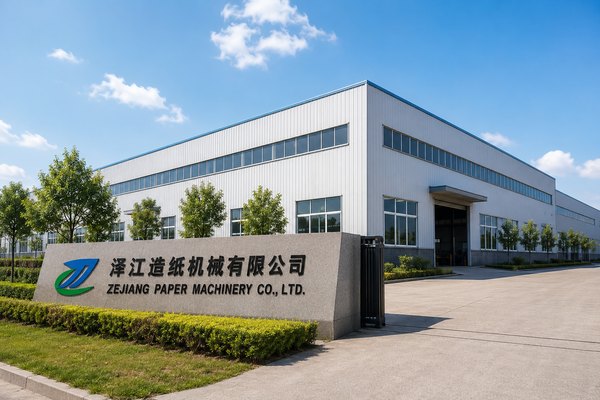
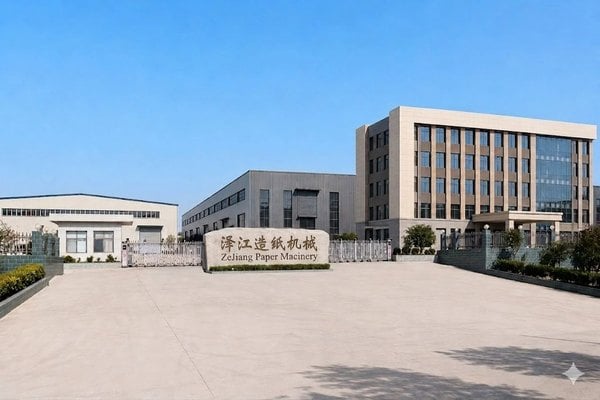
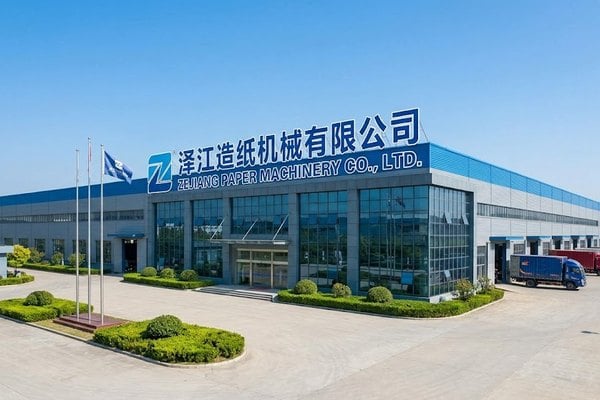
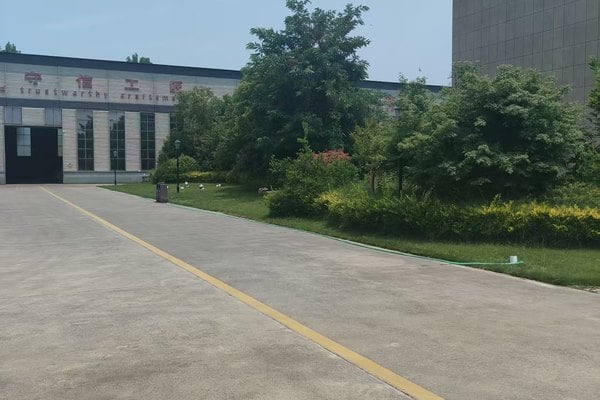
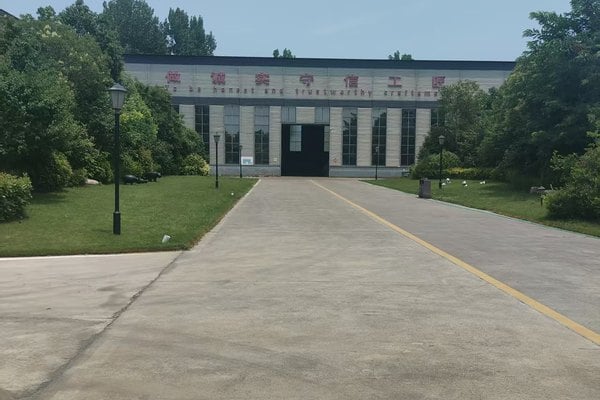
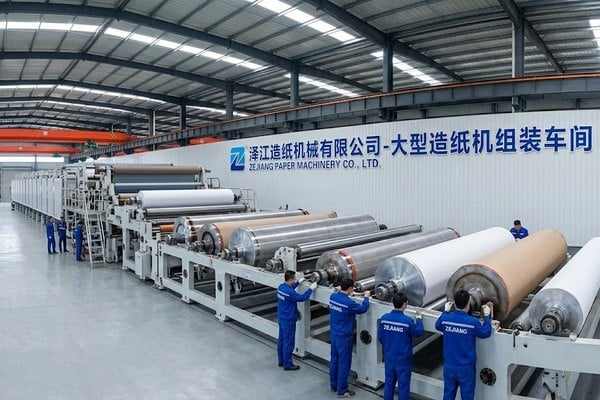
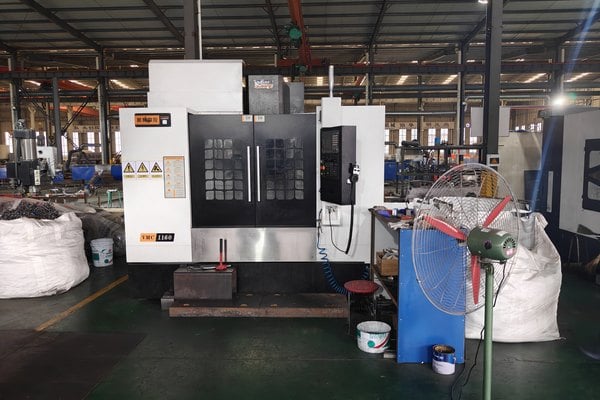
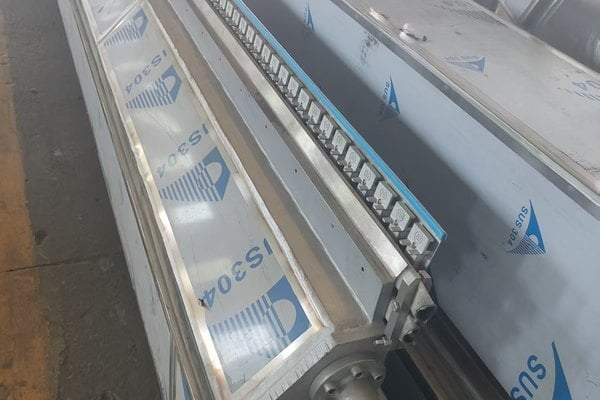
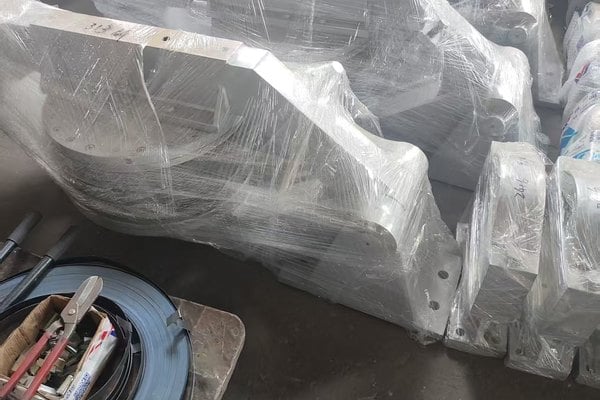
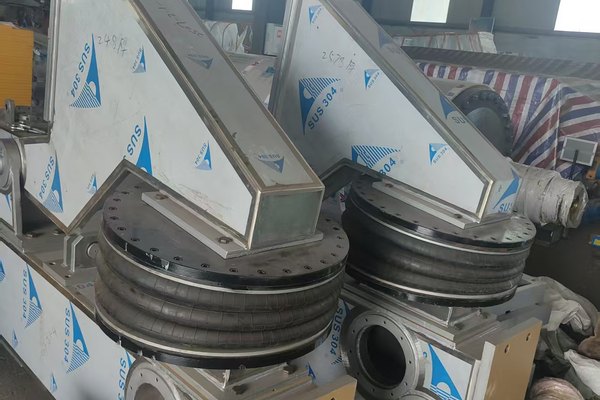
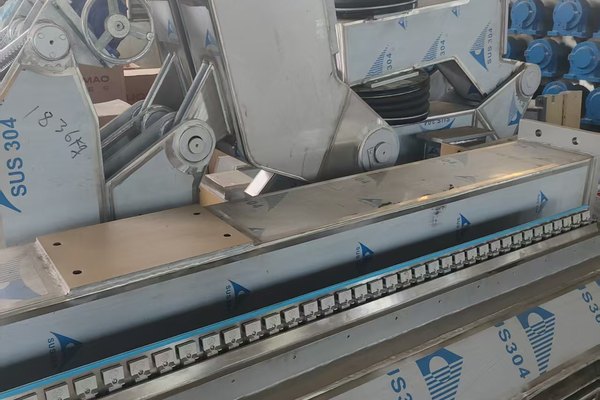
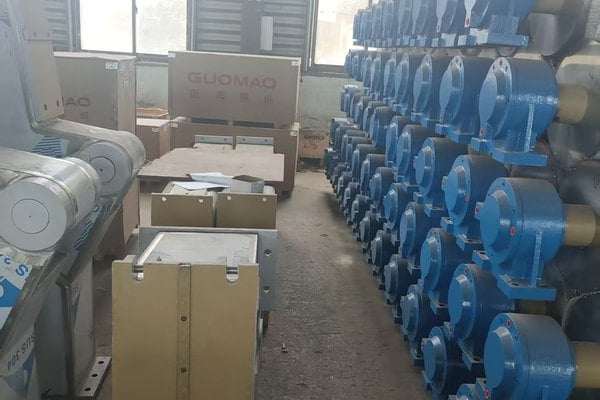
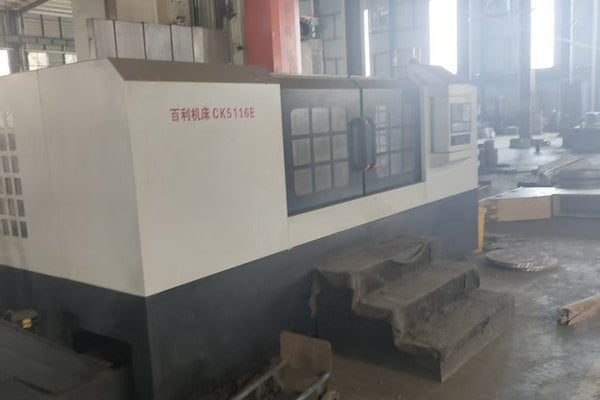
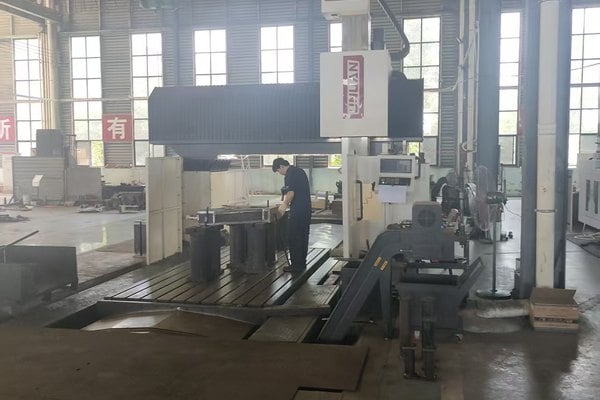
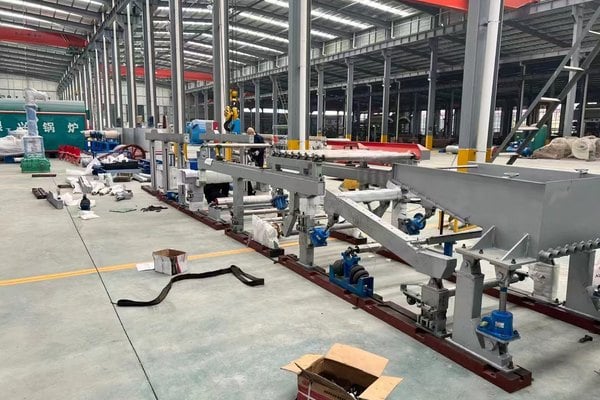
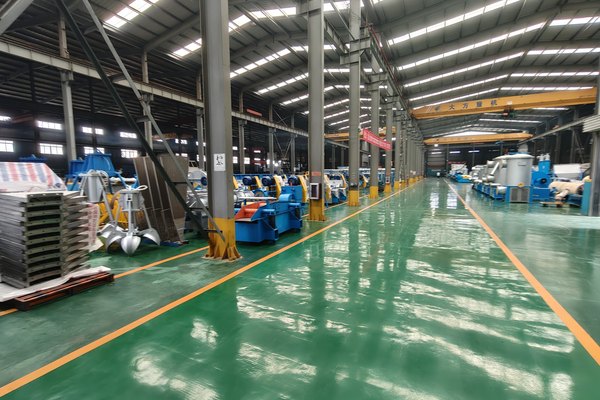
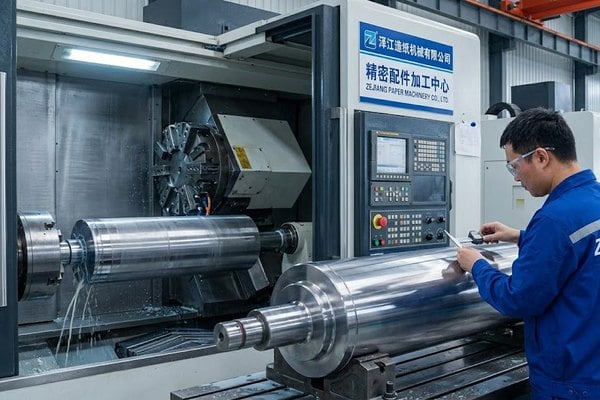
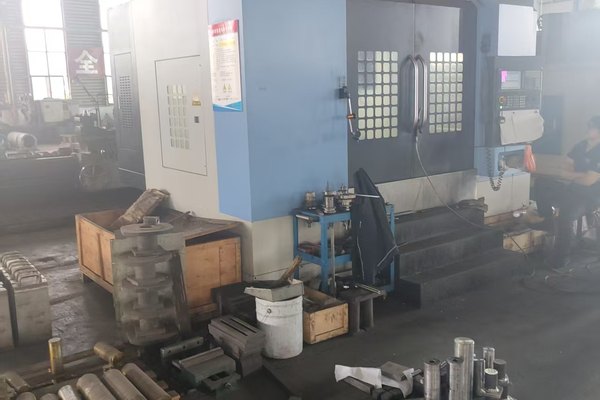
Advanced Paper Mill Cleaner & Paper Machinery Manufacturing Facilities
Precision Engineering, Assembly & Delivery Center
×
Paper Mill Cleaner Recovery & Verification Tools
01
Single-Stage vs Multi-Stage Fiber Recovery Estimator
Estimate the fiber value at stake between a single-pass cleaning stage and a multi-stage cascade. Directional estimate for discussion — not a quoted guarantee.
Access Tool
02
Single-Stage vs Multi-Stage Fiber Recovery Estimator
Estimate the fiber value at stake between a single-pass cleaning stage and a multi-stage cascade. Directional estimate for discussion — not a quoted guarantee.
Access Tool
03
Ceramic vs. Steel Cone Verification Checklist
Ceramic cones cost more upfront — this checklist tells you honestly whether that premium is likely to pay back on your furnish, based on the same factors our engineers review before recommending either option.
Access Tool
Frequently Asked Questions
Scroll Down
Centrifugal force. Stock enters tangentially and spins, and density separates the contaminant from the fiber; the light or heavy rejects leave one port and the clean accepts exit the other.
A high density cleaner operates at higher feed consistency (2-6%) and removes heavy contaminants like sand, glass, and metal in the first cleaning stage. A low density cleaner operates at lower consistency (0.4-1.2%) and removes lighter contaminants – wax, stickies, hot-melt adhesives, and foam plastics – in a later stage, using a reverse-cleaning configuration rather than the forward configuration a high density cleaner uses.
In a cascade cleaning system, the first stage handles the full stock flow. Rejects from that stage are diluted and cleaned again in a second stage, and that stage’s rejects move to a third – each stage recovering usable fiber from the previous stage’s reject stream rather than discarding it. Only the final stage’s rejects go to waste.
Screens separate primarily by particle size and shape; cleaners separate by density. A cleaner will pull out dense particles like sand, glass, and metal, or light particles like wax and foam, that pass straight through a screen because they’re not oversized – only correctly sized cleaning equipment separates them from the fiber. In practice, screens and cleaners are complementary, not interchangeable; a line that relies on screening alone will under-remove density-based contaminants.
Ceramic cones resist abrasive wear from sand and grit better than steel, but that extended wear life doesn’t automatically justify the added cost on every furnish. If your incoming stock is low-abrasion (clean virgin kraft, light OCC), a steel cone often runs a full service interval without measurable wear. Heavy-grit recovered fiber is where ceramic earns its premium back. We review your furnish profile before recommending one over the other.
Because it’s cheaper to remove a contaminant once than to repair what it damages downstream. Unclean stock causes paper defects – holes, spots, breaks – and wears out machine clothing, press rolls, and doctor blades faster than the equipment’s rated service life.
Emptying frequency depends on incoming contaminant load rather than a fixed schedule – mills running heavily recovered furnish empty junk traps far more often than mills on clean virgin kraft. Auto-reject discharge with sight-glass inspection (available on our HD models) lets operators monitor trap fill visually instead of guessing on a calendar-based maintenance schedule, which is the single biggest advantage of automated flushing over a manual valve.
Yes – cleaners are typically retrofit into an existing stock preparation line at the pulping, approach-flow, or recycled-fiber cleaning stage, matched to the existing pump pressure and consistency rather than requiring a full line rebuild. Confirm existing pipe sizing and available pressure drop budget with our engineering team before finalizing a model.
Yes, indirectly, and it’s a cost that the vast majority of mills don’t track back to the cleaning stage. The cleaner itself is a minimal energy user – it’s the pump moving stock through it that takes a huge fraction of a stock preparation line’s total power, not the vortex separation itself. But where it gets interesting is what happens when a cleaner is worn, undersized, or otherwise just not configured correctly for the contaminant it’s feeding; in that case, dirtier stock goes on through to the downstream refiners, screens, and pumps, and every one of those stages has to work harder against the contamination the cleaner should have removed earlier. U.S. Department of Energy guidance on pulp and paper energy efficiency takes stock cleanliness as one of several cascading factors for downstream energy use, but not because cleaning equipment is a big steam or power user in its own right. It’s because leaving contamination in the stock results in greater workload for every other piece of equipment down the line – and typically, the extra cost lands on a power bill nobody traces back to the five-year-old cleaner that should have been replaced two capacity upgrades ago.
![Refiner Plates & Screen Baskets [Complete Guide]](https://zjpapermachine.com/wp-content/uploads/2026/07/refiner-plates-screen-baskets-guide-featured-150x150.png)
![Doctor Blade: Types, Materials & How It Works [Guide]](https://zjpapermachine.com/wp-content/uploads/2026/07/doctor-blade-guide-featured-1-150x150.png)
![Pulping Equipment: How Paper Pulping Works [Guide]](https://zjpapermachine.com/wp-content/uploads/2026/07/pulping-equipment-guide-featured-150x150.png)