Get in touch with Zejiang Paper Machinery Company


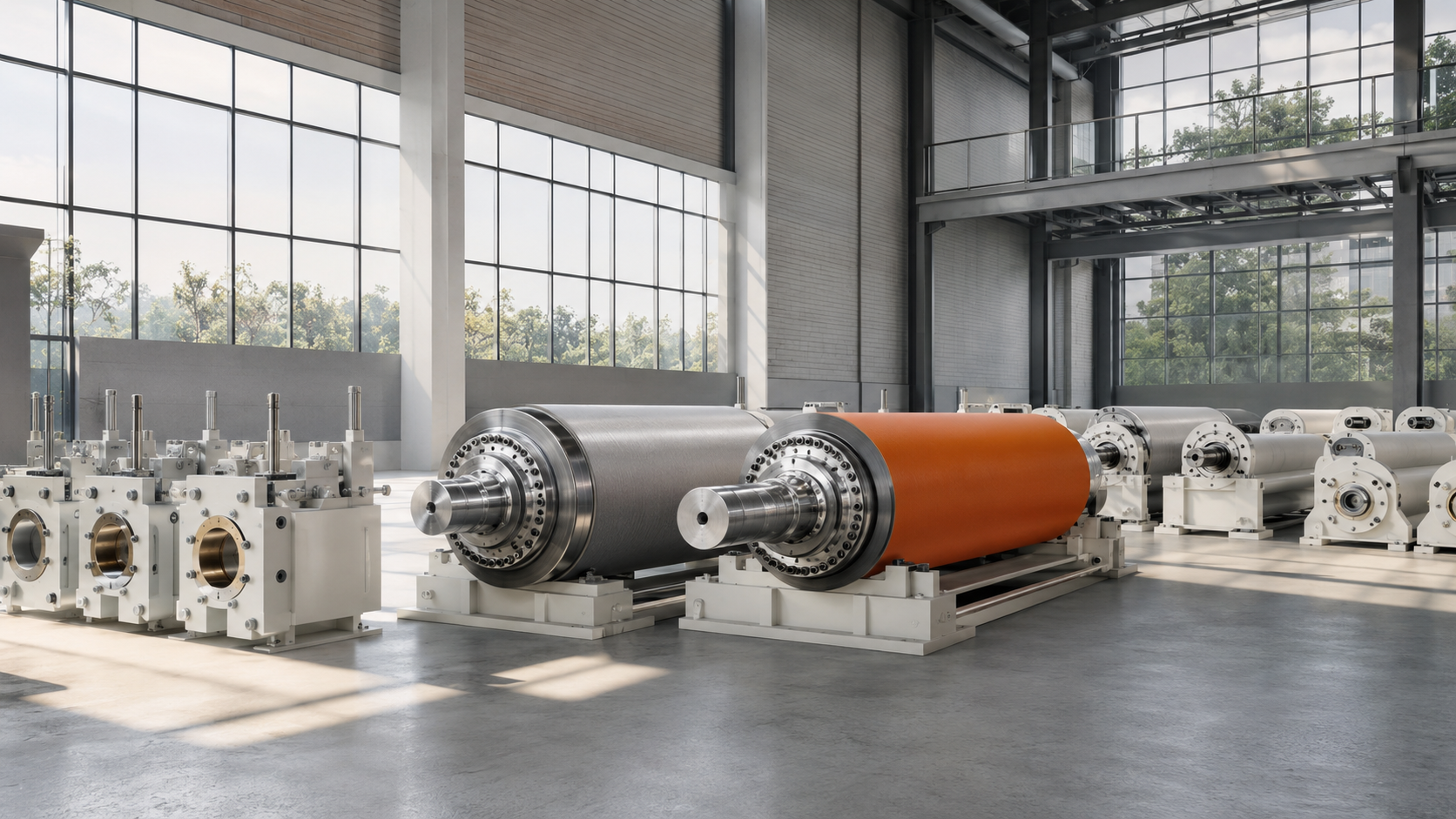
Press, Vacuum & Couch Rolls for Paper Machines
Custom-made press rolls, suction & vacuum rolls, couch rolls and rubber-covered rolls engineered to your machine drawings – for kraft, testliner, corrugated, duplex board, tissue and specialty grades. Made to fit existing Valmet, Voith and Andritz positions, covered in the right compound for your nip.
Request a Quote
Press · Vacuum · Couch
Roll types
S/S · Bronze · Cast Iron
Shell materials
Rubber · PU · Ceramic
Cover options
Valmet · Voith · Andritz
Made to drawing
Up to 12 m
Face length machined
Worldwide
Asia · ME · Africa · S.America
The Roll Problems That Take a Paper Machine Down
A worn press roll, vacuum roll or couch roll seldom dies silently. It appears first as a creeping loss of dryness after the press, then as vibration marks and, finally, a sheet break on the worst shift of all. Press rolls, vacuum rolls and couch rolls carry the wet paper sheet through the wettest, highest-load position on the machine - forming and pressing - so when a shell corrodes or a cover becomes hard, the whole downstream drying load must shift, causing output to slip before a single door is opened.
There is an element most cost calculations neglect entirely, but which contributes the major part of any actual expense. That cost element is the downtime. Recovering a roll, as Valmet's field engineers noted, "requires that the roll be out of the mill for several weeks for replacement" - weeks that a paper mill has not scheduled into its year. A cover that may have cost five figures can cost five times as much in lost production as the machine waits out a recovery. Therefore, the roll which guarantees uptime is not the one that is least expensive to buy. It is the one which has been properly specified from the beginning, for your specific machine position and its operating conditions.
It is against this sequence of failure that we design. Most of our work with poor dewatering and vibration starts at one of these three basic causes: cover too hard, too soft, shell corrosion or under drilled shell, or a cover that binds with the doctor blade against it. We counter each by specifying shell, drill pattern and cover compound based on the exact service of that position in the machine - applying the same fatigue analysis and airflow engineering principles used in TAPPI, and established over decades of vacuum-roll research. What follows will briefly show the built components for each roll type, and tell you which type is best suited to its job.
"We do not start from a catalogue number. We begin with the roll drawing, the paper grade being produced, and the operating nip load, since a couch roll designed for 250 m/min testliner is different in practice from one needed for a 1,000 m/min tissue line."Zejiang Engineering Team, Paper Machine Roll Division
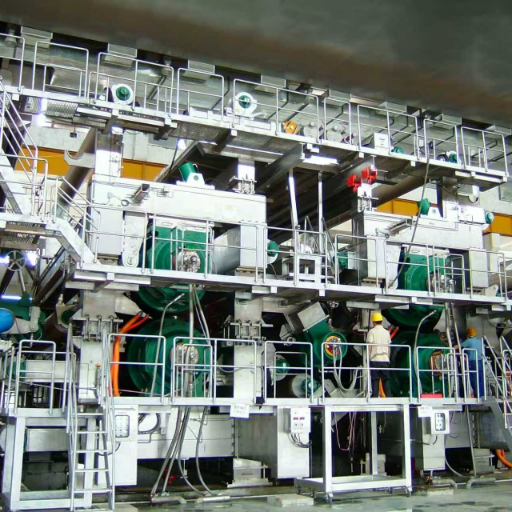
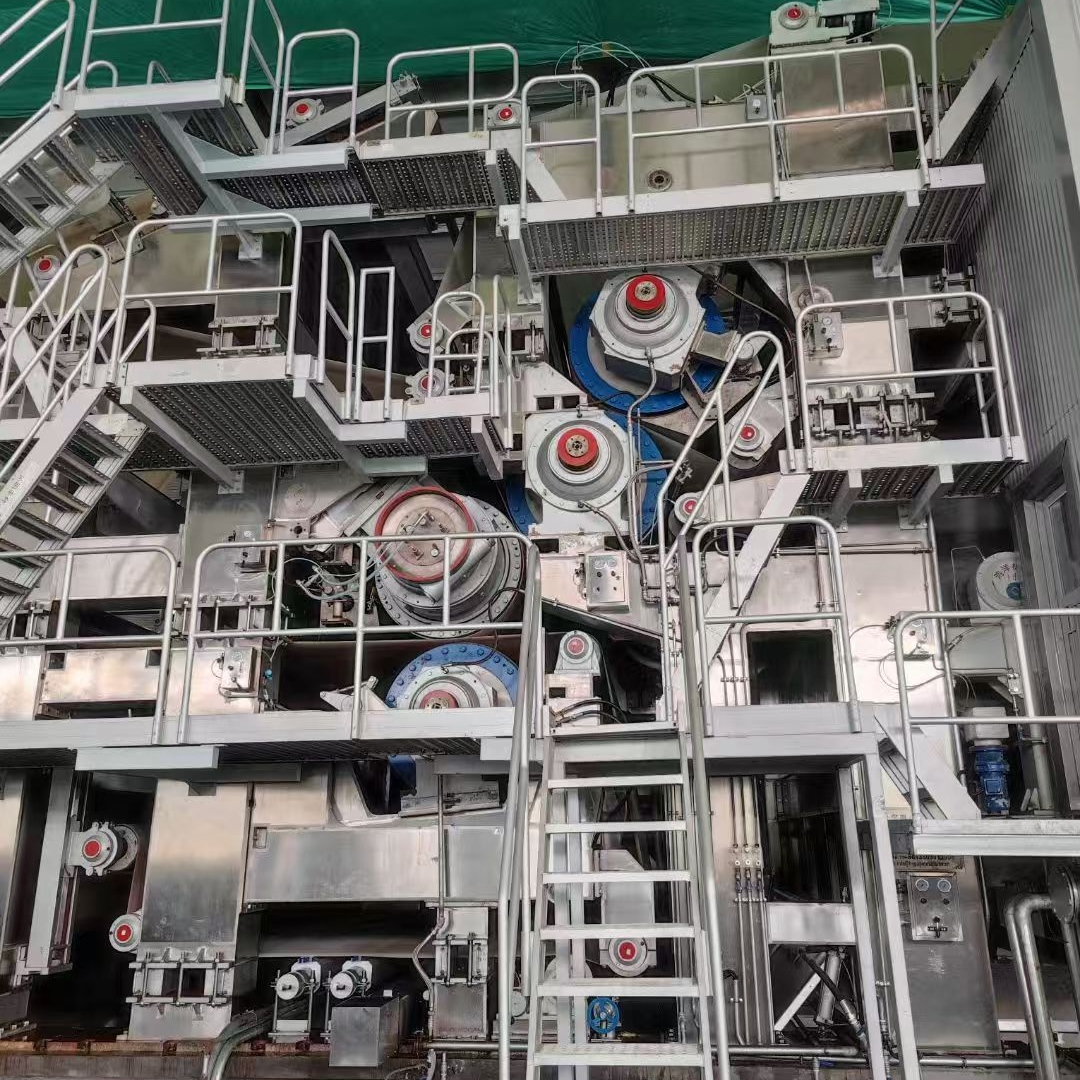
The Zejiang Roll Line — By Machine Position EN · PROC
Although each roll type described here is made to your unique drawing, not selected from a limited range of standard items, each is intended for a different role that determines the best selection of shell material, cover formulation and drilling arrangement. Let the function in the machine determine your roll selection; do not simply refer to a roll by a generic label such as "press roll".
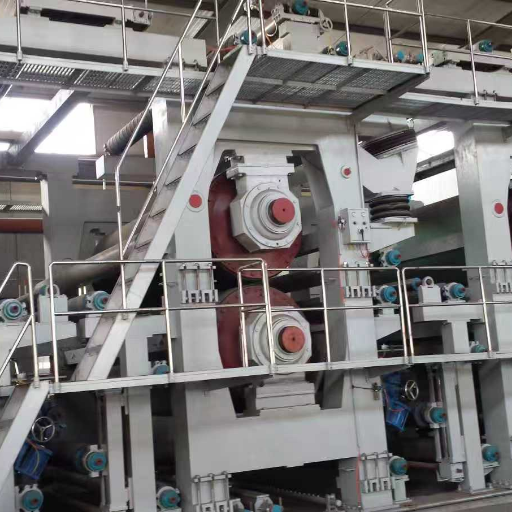 SYSTEM / Press section
Press Rolls
Press Rolls
Main pressing roll used to provide nip dewatering in forming and pressing sections. Constructed with steel or cast iron core, and a polyurethane or rubber cover designed to complement thenip load and doctor setup.
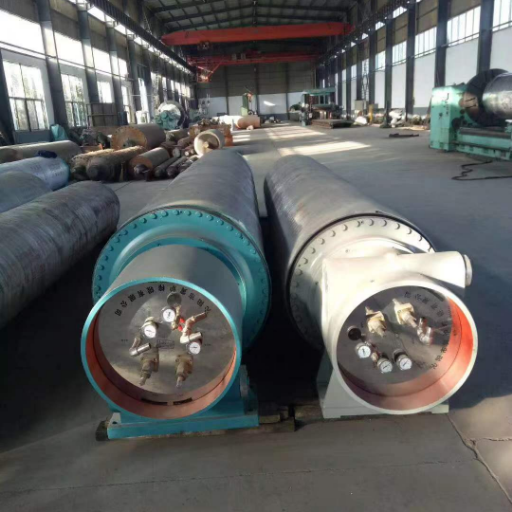 SYSTEM / Press / forming
Suction & Vacuum Rolls
Suction & Vacuum Rolls
Stainless steel or bronze drilled shell surrounding an internal vacuum chamber. This shell configuration pulls water through the holes as the roll passes over the vacuum box and throws it off in the next portion of the pass.
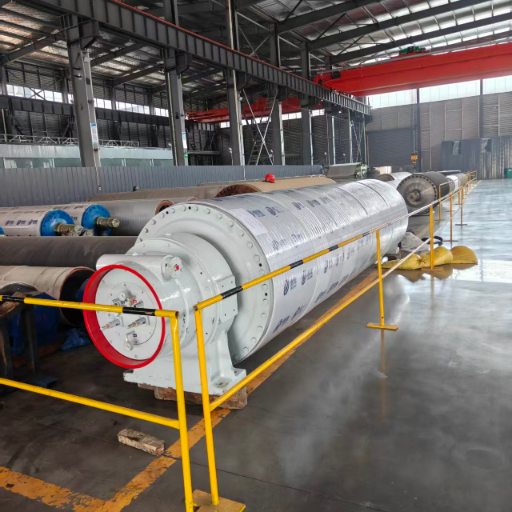 SYSTEM / Forming section
Couch Rolls
Couch Rolls
Final water-removal roll on forming section. A perforated suction shell which de-waters sheet prior to press transfer.
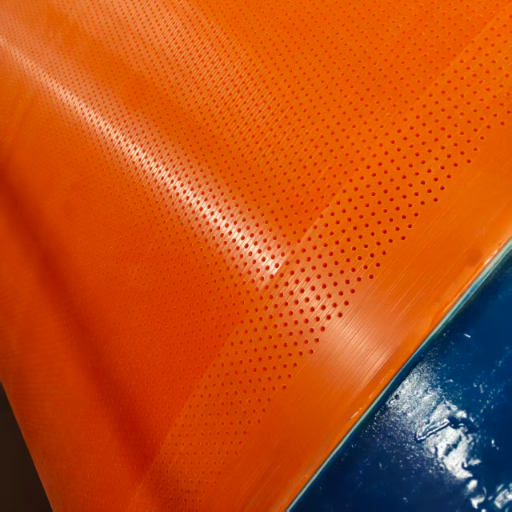 SYSTEM / Multiple positions
Rubber-Covered Rolls
Rubber-Covered Rolls
Re-covers and new builds in rubber, polyurethane and composite -from soft press covers to hard size-press and coater back-ing rolls.
 SYSTEM / Web handling
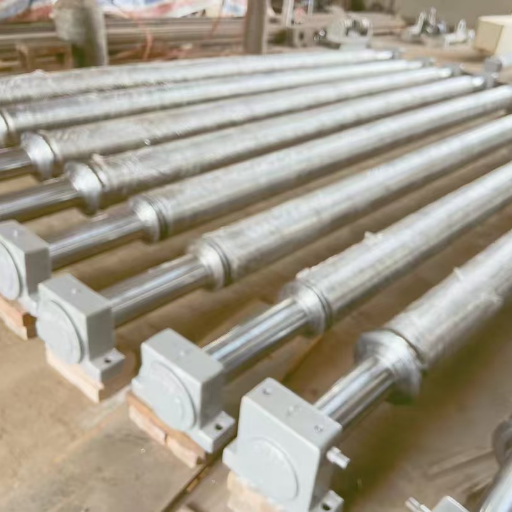
Curved / Spreader Rolls
Curved / Spreader Rolls
Bowed rolls which spread the web and pull wrinkles out of sheet or felt ahead of a critical nip or the reel.
 SYSTEM / Fabric run
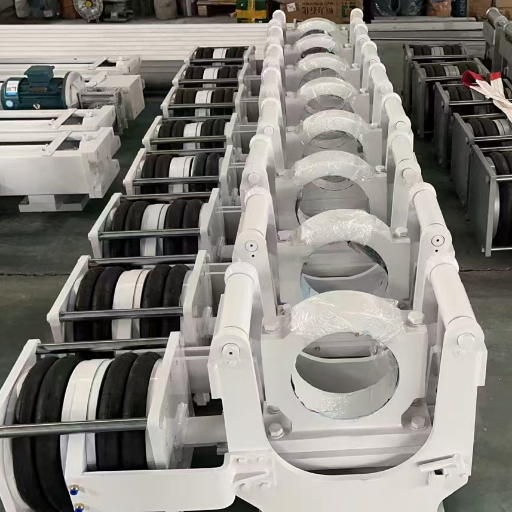
Guide, Table & Tension Rolls
Guide, Table & Tension Rolls
Support rolls that carry fabric and sheet between active positions and keep the felt taut.
Roll Selection Matrix — Pick by Position
Typical build by machine position. Exact shell grade, cover, and drilling are set to your drawing.
| Roll type | Machine position | Primary job | Typical shell | Typical cover | Dewatering method |
|---|---|---|---|---|---|
| Couch roll | End of forming section | Final forming-section water removal | Drilled stainless / bronze | Bare shell or rubber | Vacuum through drilled shell |
| Pick-up roll | Forming → press transfer | Lift sheet to press felt, no open draw | Drilled stainless | Rubber / polyurethane | Vacuum transfer |
| Suction press roll | Press nip | Pull water into felt + shell at nip | Drilled stainless / bronze | Rubber or polyurethane | Vacuum + nip pressure |
| Plain press roll | Press nip | Apply nip load for dewatering | Cast iron / steel | Rubber (Shore A ~95) or PU | Mechanical nip pressure |
| Spreader / curved roll | Before nips & reel | Spread web, remove wrinkles | Steel bowed core | Rubber sleeve | — |
Roll Cover Selection — Rubber vs Polyurethane vs Composite vs Ceramic
Colder is not always better, harder is not always tougher. In roll covers, those two instinctive approaches will tank more decisions than any spec sheet. Valmet spells it out simply, whether or not a cover requires cooling water is “not a sales tool but a physical fact.” Run it cooler than about 35 °C for rubber and you’re begging for cracking, exactly what you were trying to avoid. Roll covering is a balancing act among compound, position, chemistry, and the blade it interacts with.
More than a century ago, rubber covers the paper machine roll world. It still holds a solid majority of forming- and press-section positions because hardness can be customized over an extremely broad spectrum. Polyurethane is now the most popular cover for the press section where its wear and hydrolysis resistance allows it to last more than three times as long. A major European mill documented tripling of cover life when it moved from an old-fashioned cover to a modern polyurethane composite. High-performance composite covers hold up in the calender and some forming positions where gloss andbulkare factors. Tungsten carbide and ceramic HVOF coatings have their place in the most demanding positions.
Cover Material Comparison
Cover material
Typical hardness
Best-fit positions
Why choose it
Rubber — press
15–45 P&J
Press rolls, suction press, tissue pressure
Wide hardness range, proven, economical to re-cover
Rubber — size press
Soft 20–45 P&J / Hard 0–1 P&J
Size press, coater backing (45–95 P&J)
Tunable for film transfer and blade load
Polyurethane
Engineered to nip
Suction press, blind-drilled & grooved press, sizing
Cut resistance, chemical & hydrolysis resistance, longer life
Composite (fiber-reinforced)
Hard, rigid
Calender, forming positions
Sheet gloss, smoothness, bulk stability
Ceramic / HVOF carbide
Hardest class
Calender hard rolls, Yankee, dryer
Extreme wear and temperature resistance
P&J stands for the Pusey & Jones plastometer, which provides a scale of how much material yields to a standard pressure: lower P&J means a harder cover. The hardness ranges listed here represent established industry guidelines; the hardness you need is selected from the operating nip, the doctor blade and the paper grade.
But another failure mechanism hides where no one is looking -under the surface of the cover. Rubber cracks are often apparent from the surface; not so with many polyurethanes. Valmet cautions, “It is the damage that is not seen that can be dangerous.” Because of this, you have to tailor the cover to the spray shower and doctoring setup around it - one shower found running at 100 psi against a cover meant for only 20 psi scraped away 54 bands of rubber. Our recommendation includes the cover compound, hardness and grinding profile along with information on your doctor blade and shower.
Replacing OEM Rolls — Fit, Compatibility & What Actually Changes
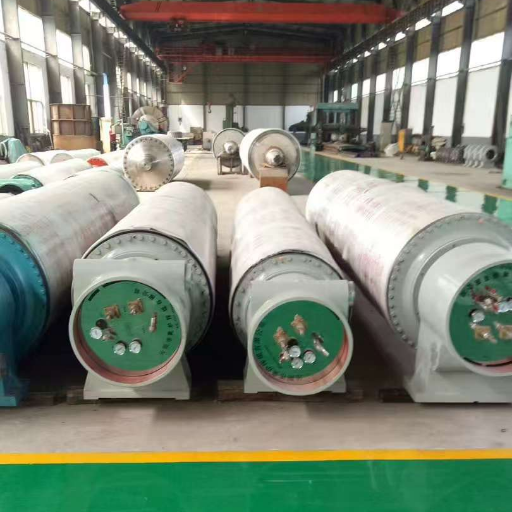
Buying a roll from someone else than the machine builder of your machine seems like rolling the dice - until you understand that the entire industry works like this! Even the machine builders (OEMs) themselves have the ability to refurbish and service rolls ‘no matter what make or who they are sourced from’; running mixed-brand roll fleets are a reality, and the role of a roll is based on the cover, drill pattern, journals and shell - not who made the roll. As long as these four items are manufactured according to your drawings, the roll should fit perfectly and work perfectly in the nip.
What matters is the fit data, and that is what a made-to-drawing supplier can use to compete with an OEM part, while offering the choice that a catalog item will never deliver. That comparison concerns how the roll is spec'd and backed, not skimping on the roll itself.
| Selection factor | Zejiang made-to-drawing | Generic import roll |
|---|---|---|
| Shell material choice | Stainless, CA-15 S/S, bronze, or cast iron to suit chemistry | Often one default grade |
| Cover compound & hardness | Selected to nip load, blade & grade (15–95 P&J range) | Standard hardness only |
| Drilling / open area | Through- and blind-drilled to dewatering target | Fixed pattern |
| Journals & bearing seats | Machined to your drawing for direct drop-in | May need adaptation |
| Balancing | Dynamically balanced to running speed | Varies |
| Engineering support | Drawing review + fit check before build | Rarely offered |
The more honest re-framing to a procurement group: the mission isn’t to save money on the roll and pray it works. The mission is to obtain a roll that’s manufactured to your drawing specs, inspect it against your drawing before shipment, so that the several weeks of downtime the roll change causes provides you with a part that makes its full service interval instead of one that ‘fails on its next roll cycle’ - an eventuality which is common enough in the industry for it to have been given its own term.
Where These Rolls Run — Grades, Machines & Service Life MGR · EN
A single roll family can be fitted to extremely different machines, since it's not the badge that determines the requirement. Our rolls run kraft paper and testliner lines making packaging paper, duplex board machines, high-speed tissue machines, and cultural and specialty grades — the full range Henan Zejiang builds complete paper machines and spare parts for, across customers in Asia, the Middle East, Africa, and South America.
Service life is when the selection of rolls begins to really add up, and the numbers from the field make this clear more effectively than anything we can say: One example reports a pick-up roll with a run life improved “from 4 months to 14 months” following a cover replacement. Another calendar roll “more than doubled” run time “from 20 to 38 days.” A third press roll “provided over twenty years of uninterrupted service.” This isn’t just our advertising, it is real-world performance-and it indicates the value of selecting the proper shell and cover specifications.
How to Think About Roll TCO
So unit price is just the bottom line. There are three costs associated with your roll, over the course of the roll’s life, and the initial purchase price is just one of those:
-
 01
01Downtime per change
a roll swap can take a position out of service for weeks so longer cover life means fewer swaps (implies less runs per year).
-
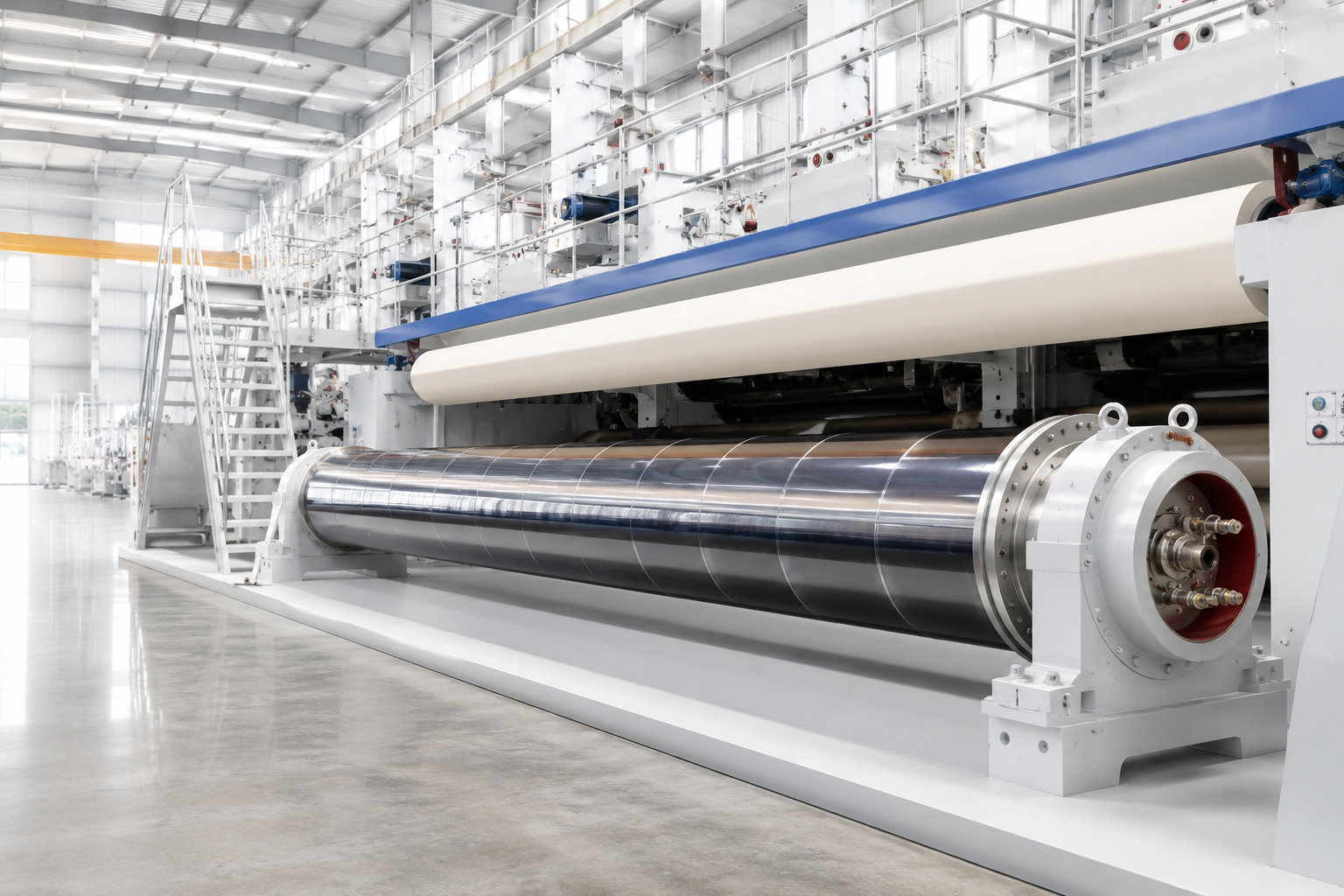 02
02Service Interval
correctly specifying compound for a job may multiply its lifespan by several times, based on typical industry figures shown above.
-
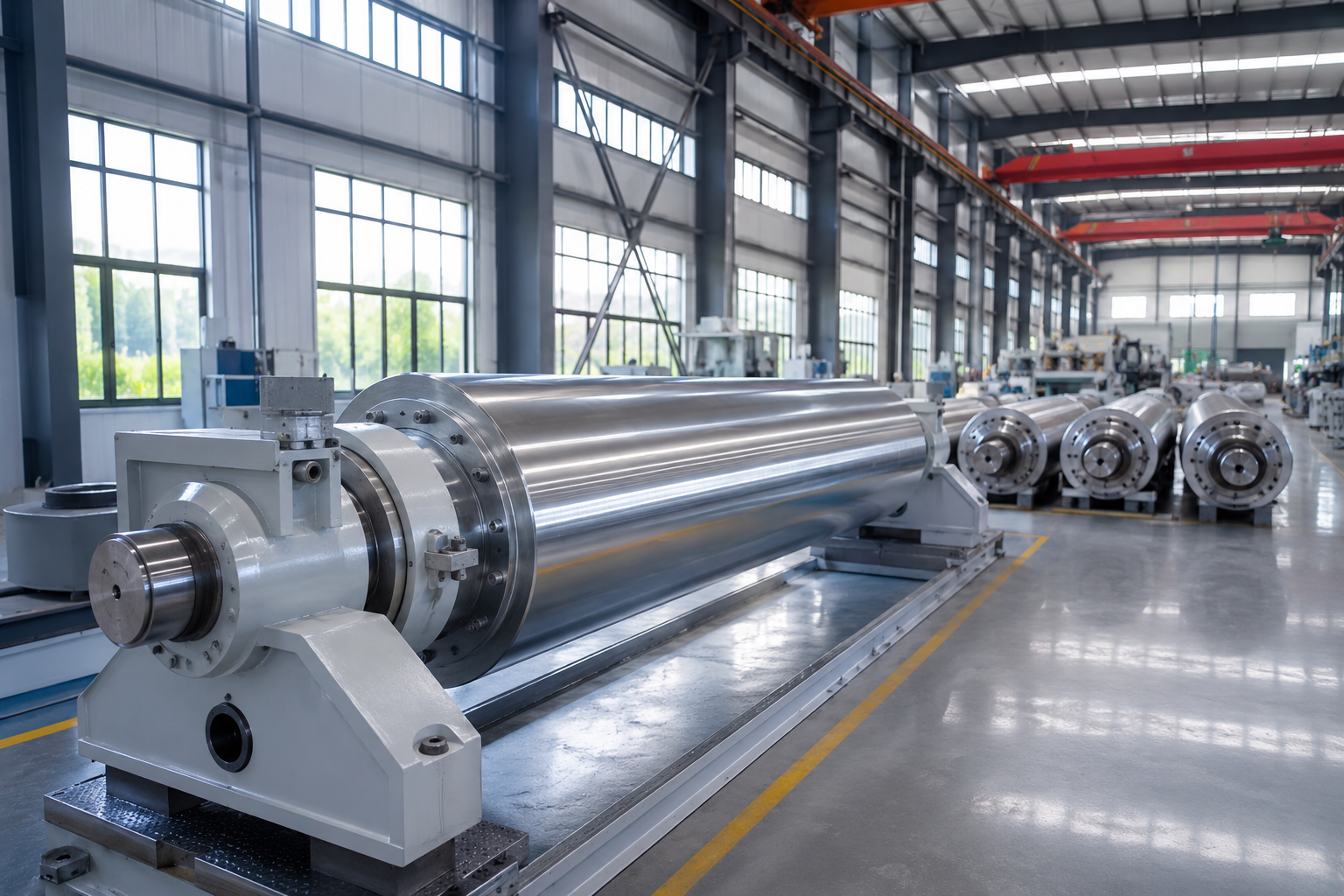 03
03Regrind cycles
the casing that regrinds clean, remains within tolerance and is back to as new for another campaign.
Silver-Tier Estimate: The service-life figures cited above are documented industry ranges, not our own first-party measurements. Request a TCO worksheet built around your grade and machine speed.
Interested in service life projections for your grade?
Materials, Machining & Quality Control
A press-section roll is a rotating pressure part, and the industry treats it that way. Insurance providers like FM Global require scheduled machine maintenance including visual roll-cover inspections and roll maintenance, where you should expect to find magnetic-particle or dye-penetrant inspection of journals. Our manufacturing and documentation meet these standards-we don’t chase the marketing.
What actually dictates shell wear, isn't wear. The reality of a suction-roll shell involves fatigue cracking assisted by corrosion - this has been researched and discussed within the TAPPI Journal for decades. It's not the default: shell-grade selections, whether stainless, CA-15 S/S, duplex, or bronze, must consider your specific furnish. Our specialists design bearings for long life and attach them to the tapered seats, applying L-10 discipline (approximately 120,000 hours under load and at operating speed) as specialist builders do.
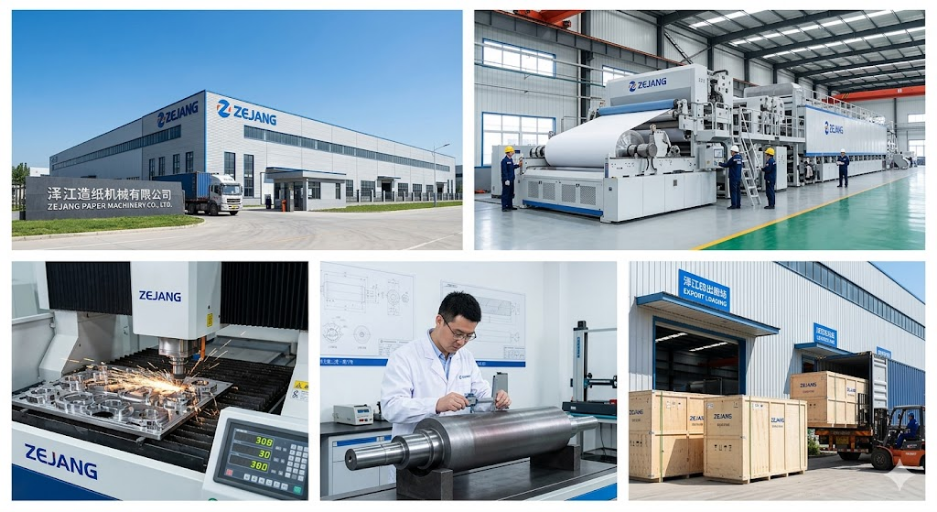
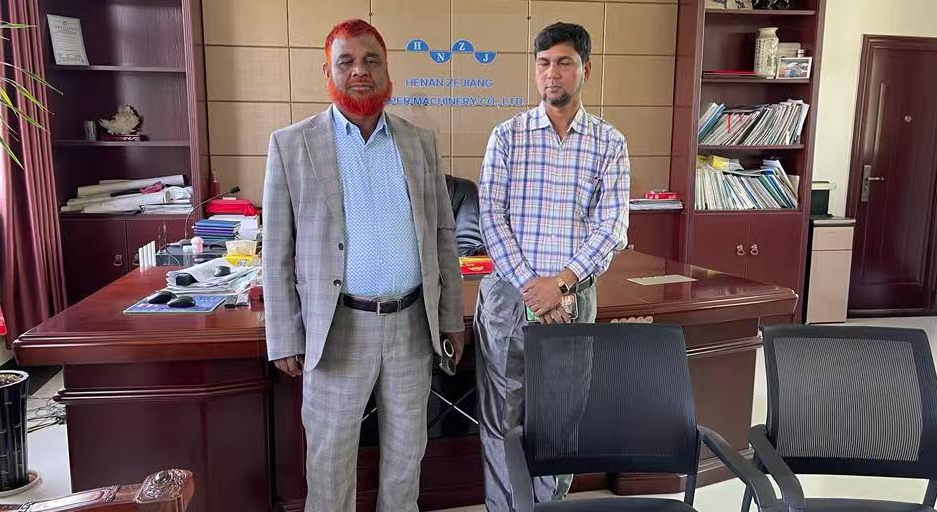
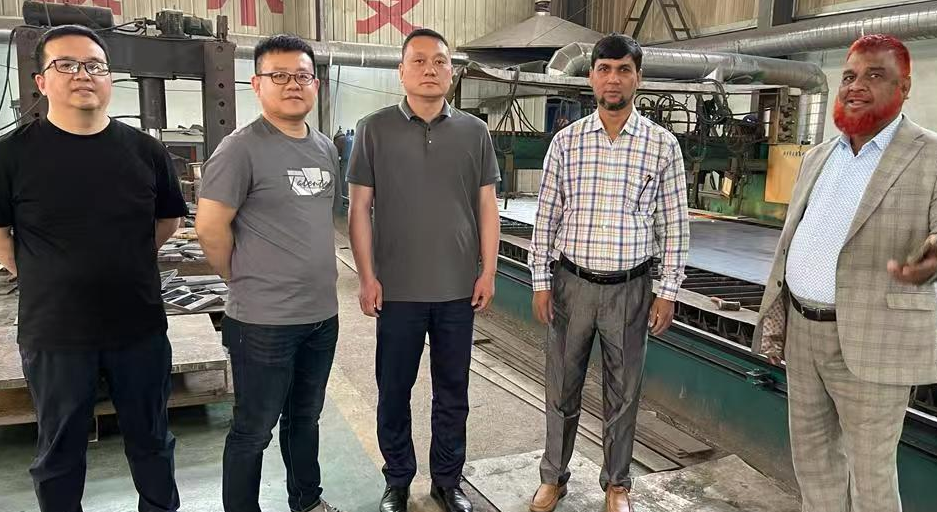
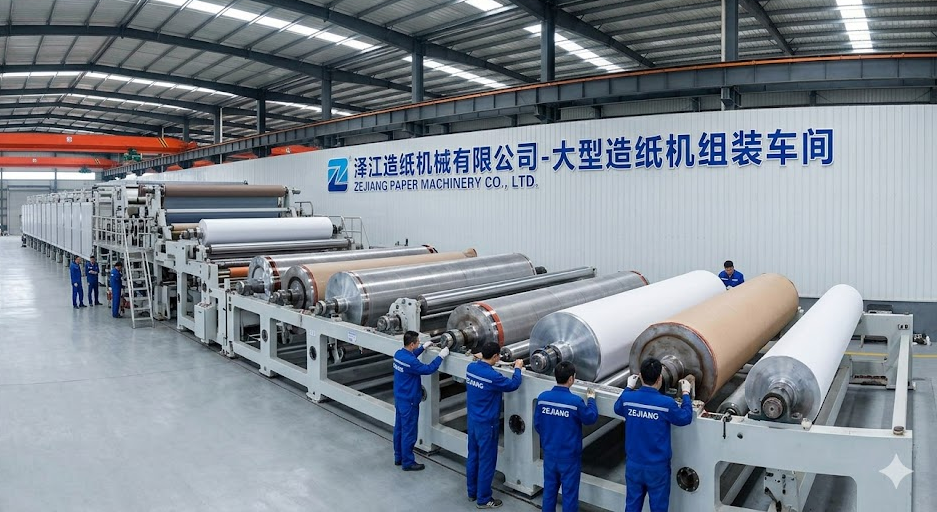
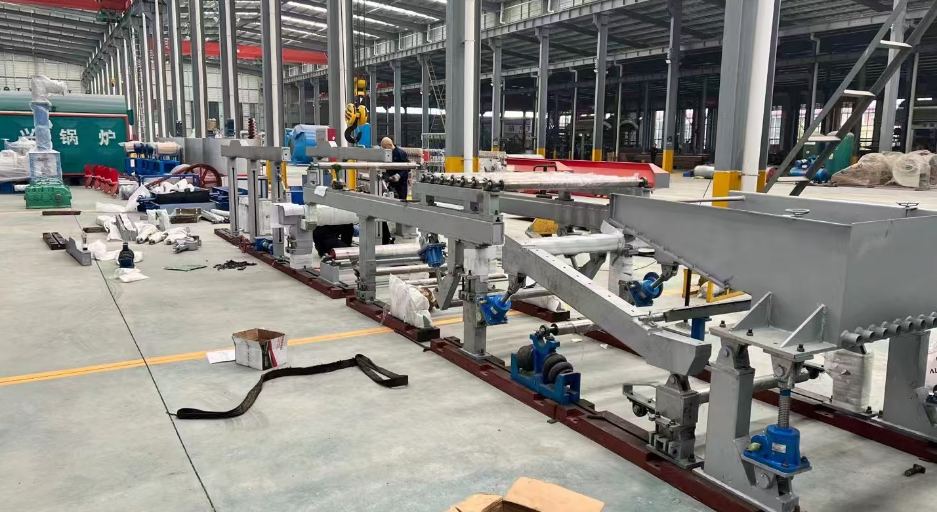
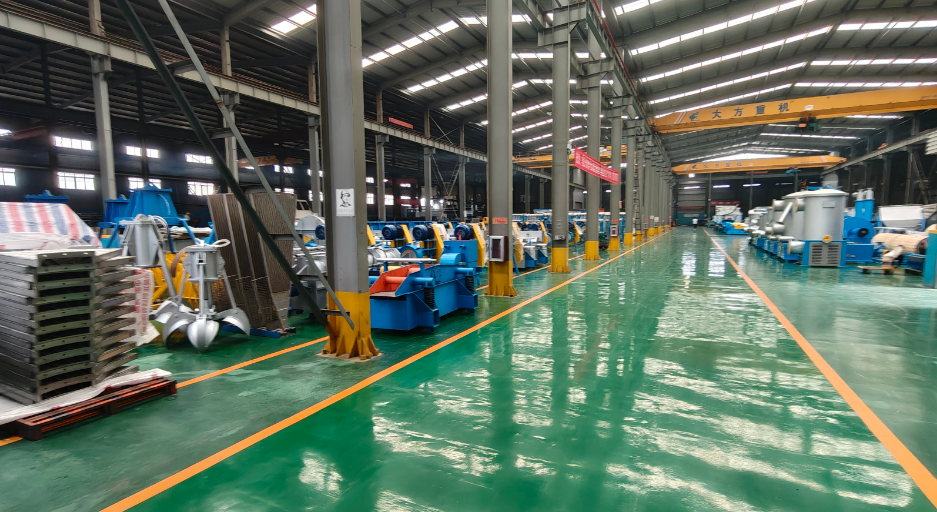
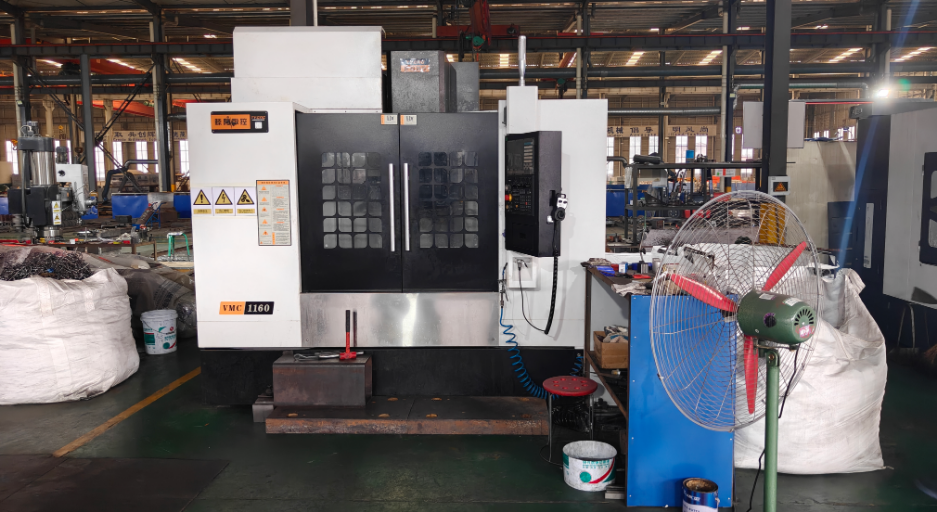

Shell metallurgy matched to chemistry & corrosion-fatigue risk
Dynamic balancing to running speed
Ultrasonic & dimensional inspection before dispatch
Bearing seats engineered for long L-10 life
Build documented against your drawing
Frequently Asked Questions EN · PROC · MGR
What is the difference between a press roll, a suction roll, and a couch roll?
Though all three process water, they perform at different machine stages. A couch roll-the first step after sheet formation-removes water from the sheet with vacuum via the holes in the shell. A vacuum (suction) press roll helps extract water into the felt and shell in conjunction with the pressure exerted at the press nip. A plain press roll simply presses with its nip. What's relevant for selecting a shell, drill pattern, or cover isn't the name but the roll's function.
Can I replace a Valmet, Voith, or Andritz roll with an aftermarket roll?
Yes. A roll is identified by its shell material, cover, drill pattern, and journal dimensions - when those are built to your machine drawing, the roll drops in the same place and runs the same nip. The OEMs themselves service rolls of any origin or make, so mixed-brand fleets are standard. What matters most is building to the drawing and verifying fit before the roll ships, which is why we run a drawing review on every OEM-replacement roll.
Which roll cover material and hardness should I choose?
It depends on the position, the nip load, your furnish chemistry, and the doctor blade riding on the cover. Rubber suits most press and forming positions with hardness tuned across roughly 15-45 P&J for press rolls; polyurethane is preferred where cut and chemical resistance extend life; composite and ceramic take the hard calender and dryer positions. Because harder is not automatically better and colder is not automatically safer, we set hardness and compound from your actual running data rather than a default.
How long do roll covers last, and when should one be replaced?
Service life varies widely by position and specification - documented industry results range from months on a coater backing roll to well over a decade on a well-specified press cover. Replace a cover when inspection shows hardness drift, surface cracking, barring, or sub-surface looseness. One caution from the field matters most: impact damage you cannot see can be more dangerous than damage you can, so a cover that took a hit should be inspected before it goes back in.
Do you supply rolls for tissue and board machines as well as fine paper?
Yes. Henan Zejiang builds complete paper production lines and spare parts for kraft, corrugated, testliner, duplex board, tissue, cultural, and specialty grades, so the roll program spans low-speed board couch rolls through high-speed tissue suction press rolls. Each roll is specified to the machine speed and grade rather than sold as a one-size part.
What lead time and minimum order should I expect?
Both depend on the roll type, shell material, cover, and whether we are re-covering an existing shell or building new. Rather than quote a number that would be a guess, we schedule the build around your maintenance window once we have your drawing and running conditions. Send the drawing and we will return a realistic lead time with the quotation.
![Refiner Plates & Screen Baskets [Complete Guide]](https://zjpapermachine.com/wp-content/uploads/2026/07/refiner-plates-screen-baskets-guide-featured-150x150.png)
![Doctor Blade: Types, Materials & How It Works [Guide]](https://zjpapermachine.com/wp-content/uploads/2026/07/doctor-blade-guide-featured-1-150x150.png)
![Pulping Equipment: How Paper Pulping Works [Guide]](https://zjpapermachine.com/wp-content/uploads/2026/07/pulping-equipment-guide-featured-150x150.png)