Get in touch with Zejiang Paper Machinery Company

Pressure Screen
Pressure Screen for Pulp & Paper Mills: Inflow, Outflow & Upflow
A pressure screen is the decision point between a clean sheet and a machine that keeps breaking. Henan Zejiang builds inflow, outflow and upflow pressure screens, plus the screen baskets and rotors that actually do the screening, for mills running kraft, testliner, duplex board, tissue and recycled OCC furnish.
Screen types
Inflow · Outflow · Upflow
Operating consistency
0.4–3.0%
Basket apertures
Holes & slots
Basket material
SS 304 / 316
Connections observed
DN150–DN300
Typical lead time
30-day class
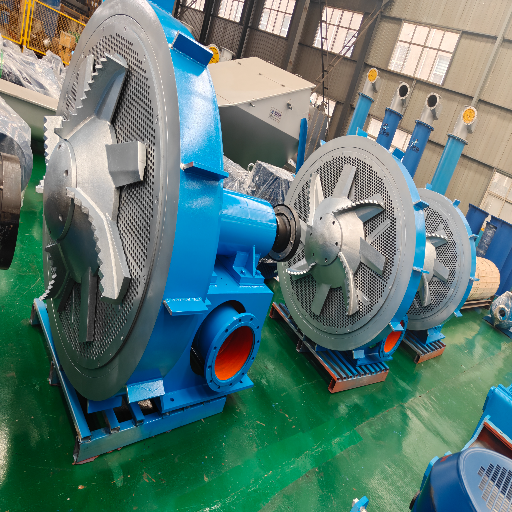
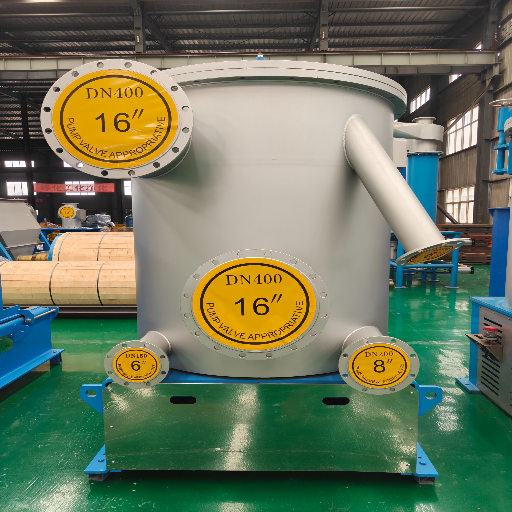
Pressure Screening in Stock Preparation: Cleaner Pulp Without Losing Fiber
Before you copy a Western spec sheet: the screening rules written for virgin wood pulp are not always the right rules for recycled and annual-plant furnish. A 2023 review in the Canadian Journal of Chemical Engineering notes that assumptions that hold for wood pulp are “not always the case for annual plants or recycled paper”. For mills in India, Pakistan and Bangladesh running OCC, straw and bagasse, slot width, reject rate and rotor choice have to be set for that stock — not lifted from a European kraft line.
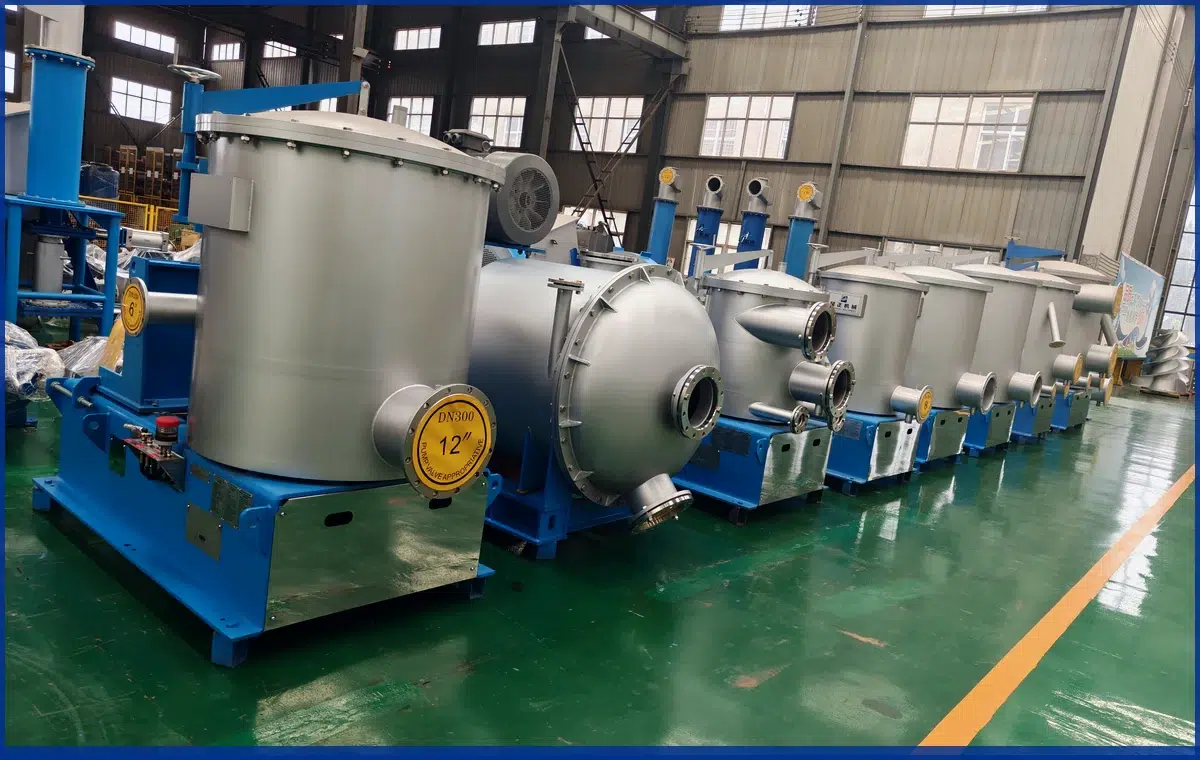
Once screen cylinder holes plug or coating is worn, the whole approach flow suffers, runnability drops, capacity falls and pulp quality slips, and the paper machine pays for it in breaks. That’s the pain a pressure screen exists to prevent. Pressure screens are used to separate good papermaking fibre from contaminants and impurities such as plastics, shives, stickies and fibre bundles, by pushing pulp through a perforated or slotted screen basket while a rotor keeps the apertures clear. Because the whole unit runs under pressure, it handles high flow in a small footprint and a sealed, contaminant-controlled environment, doing the fine separation that decides whether a mill makes a high-quality sheet or fights impurities that carry through to the reel. Screening efficiency here isn’t a slogan, it’s the percentage of contaminants removed at a given fibre loss, and it’s what separates a screen that protects the machine from one
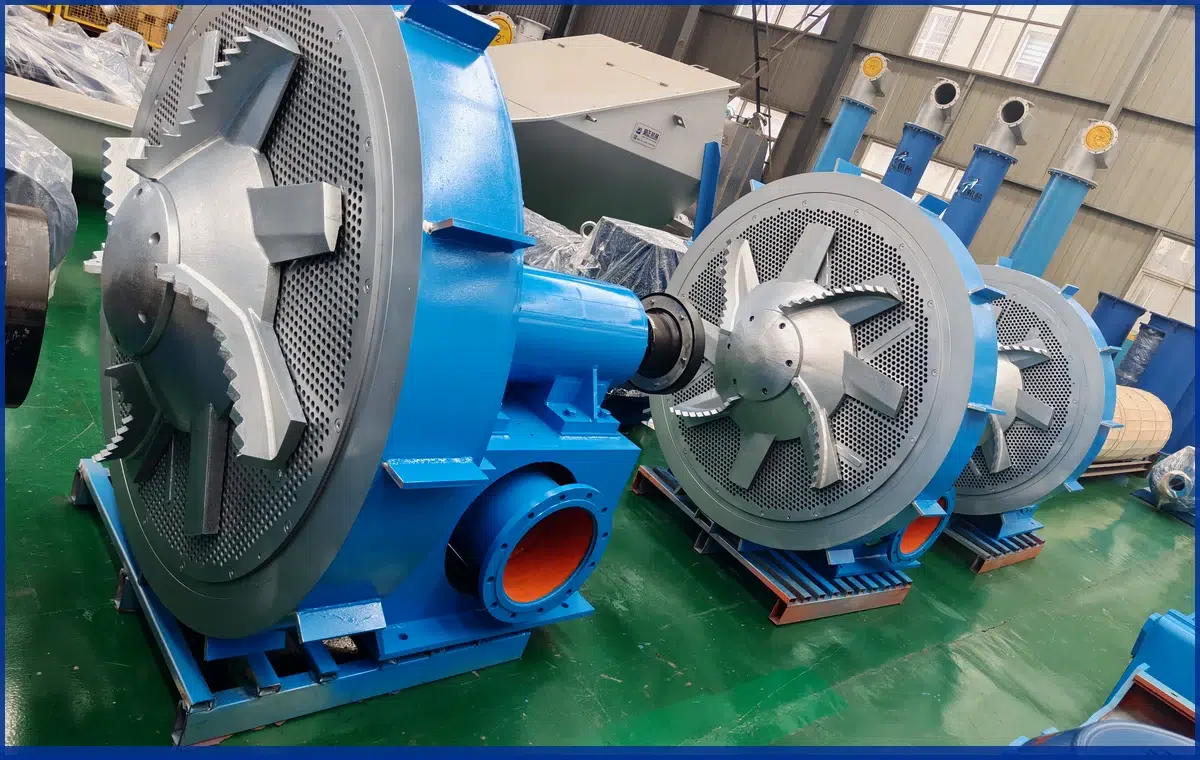
Pressure screen working principle, the four-stage cycle
The working principle of a pressure screen in paper industry lines follows four stages, and the underlying physics is well documented in the academic literature on pressure screening (Olson, UBC, 2003). Each screen is engineered around one hard constraint: the rotor has to clear the basket faster than fibre can mat over it, or the screen blinds and capacity collapses.
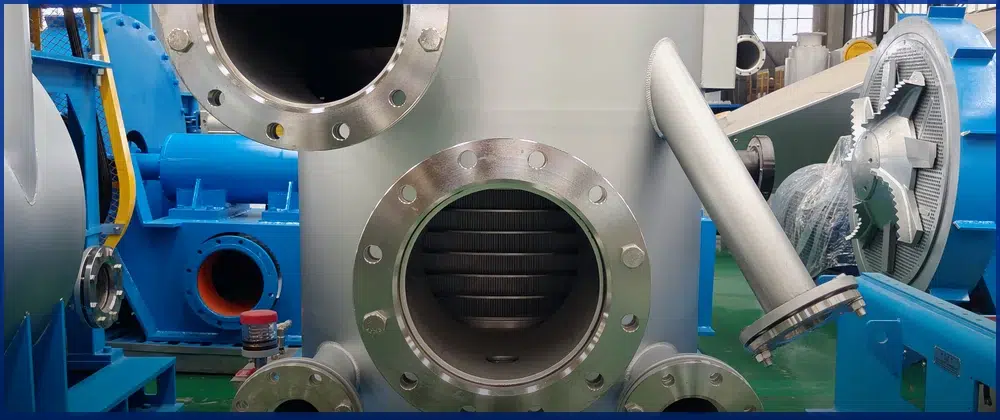
Heavy-reject separation.
Heavier contaminants are thrown outward by centrifugal force and drop to a junk trap before they reach the basket.
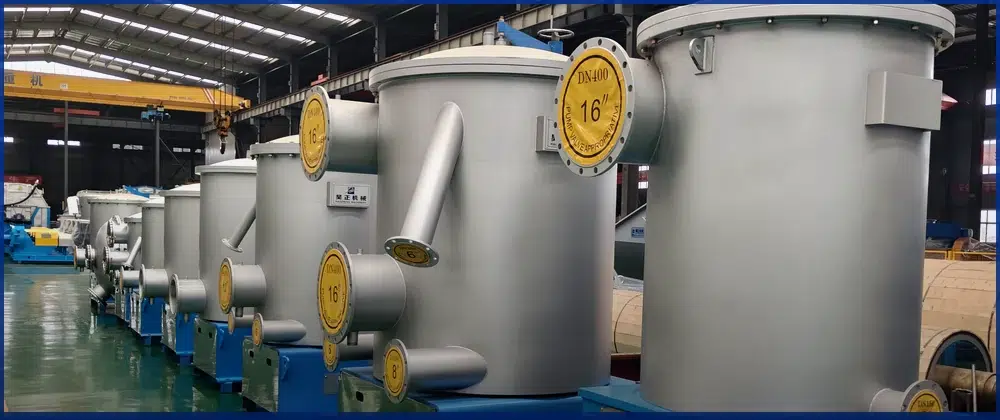
Tangential inlet.
Pulp enters under pressure and is set into a rotating flow around the screen basket.
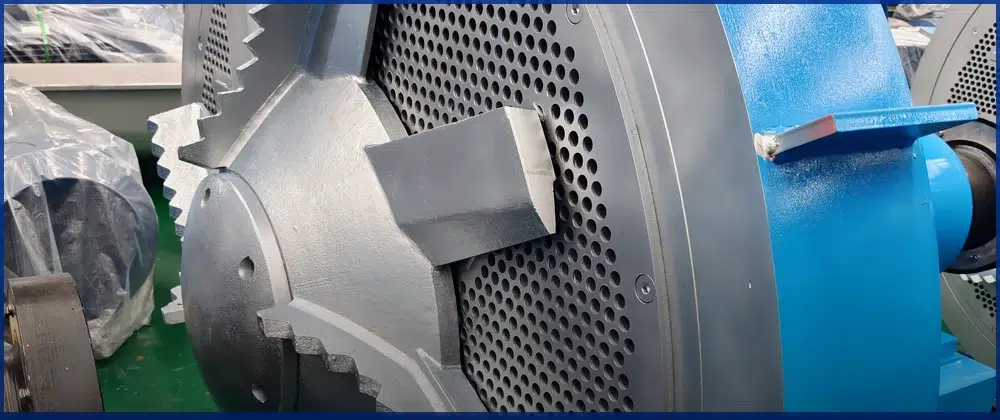
Rotor pulsing.
Foils on the rotor sweep close to the basket, generating positive and negative pressure pulses. That negative pulse back-flushes each aperture, clearing fibre mats so the basket doesn’t blind. This pulse-clearing action is the mechanism protected in screen-basket patents such as WO2009062287A1.
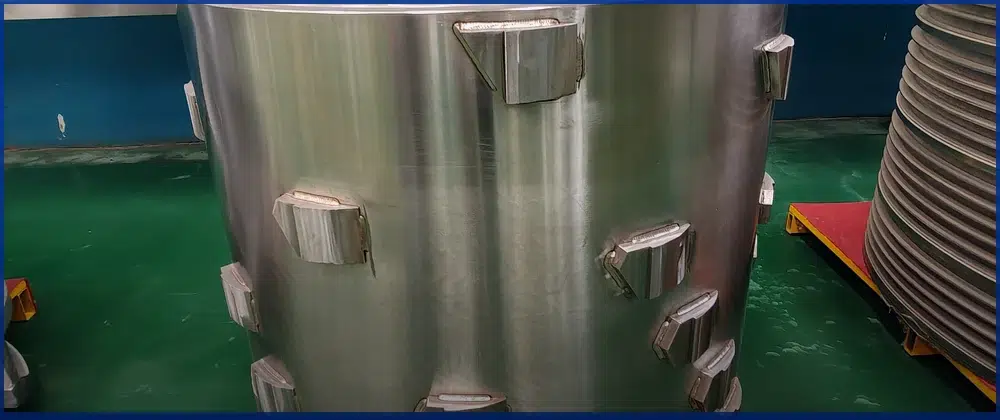
Screening zone.
Accept fibre passes through the basket holes or slots into the accept chamber; oversized particles, shives and fibre bundles stay on the feed side and move toward the reject outlet for discharge to a reject sorter, where accept fibre is recovered rather than lost.
The Stock-Prep Screening Ladder
Screening is staged, not a single machine. A well-built line screens coarse at medium consistency first, then fine at low consistency, then polishes at the approach flow just before the headbox, and the screens are chosen as a set, because the coarse screen protects the fine screen. This ladder is what tells you which Zejiang screen goes where. Consistency bands below are set by screen position in the line, a relationship established across the screening literature, not by any single vendor.
| Line stage | Screen role | Consistency | Aperture | Removes |
|---|---|---|---|---|
| After pulping | Coarse screening | MC 2.0–3.0% | Holes | Large plastics, big contaminants |
| Stock prep | Fine screening | LC 0.4–1.0% | Slots | Shives, stickies, fibre bundles |
| Approach flow | Inflow / upflow polish | LC 0.4–1.0% | Fine slots | Final debris before headbox |
| Medium-consistency line | Upflow screening | MC 1.0–3.0% | Holes / slots | Contaminants at higher consistency |
| Reject stage | Reject sorter / tailing | varies | Holes | Recovers accept fibre from rejects |
Zejiang Pressure Screen Types: Inflow, Outflow & Upflow Models
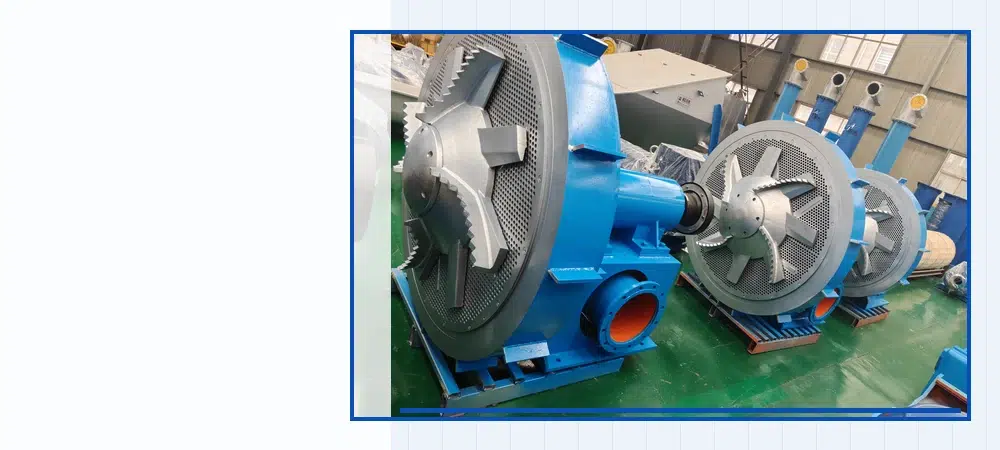
Cheapest on paper rarely means cheapest over five years, the basket, the bearing and the rotor decide that. The hidden cost is real: where a supplier competes only on unit price, the wear parts are usually where the cost was cut, and the mistake shows up as a basket that fails months early on abrasive stock. The reason is structural, a screen is only as good as the clearance between rotor and basket, typically a fraction of a millimetre, and that tolerance is set on the shop floor, not in the brochure. Zejiang is engineered around that constraint: the screen, basket and rotor are built in-house as one matched assembly so the pulse, the clearance and the slot width are set for your stock rather than mixed from three catalogues. Unlike a re-badged screen assembled from bought-in parts, a single-source machine keeps one manufacturer accountable for how the three components work together across 0.4–3.0% consistency. The rotor-position distinction between inflow (centripetal) and outflow (centrifugal) screens is reflected across the screening patent literature, for example multi-foil rotor and screen-plate designs documented in US4529520A.
Type selection, inflow vs outflow vs upflow
| Type | Rotor position | Flow of accept fibre | Best position in the line | Consistency |
|---|---|---|---|---|
| Inflow pressure screen | Outside the basket (centripetal) | Pulp enters outside the cylinder; accept flows to the inside | Approach flow / fine screening before the machine | LC 0.4–1.0% |
| Outflow pressure screen | Inside the basket (centrifugal) | Pulp enters inside; accept flows outward through the basket | Coarse & intermediate screening in stock prep | MC/LC 0.5–3.0% |
| Upflow pressure screen | Vertical, bottom-fed | Upward flow through a vertical basket | Medium-consistency screening, compact footprint | MC 1.0–3.0% |
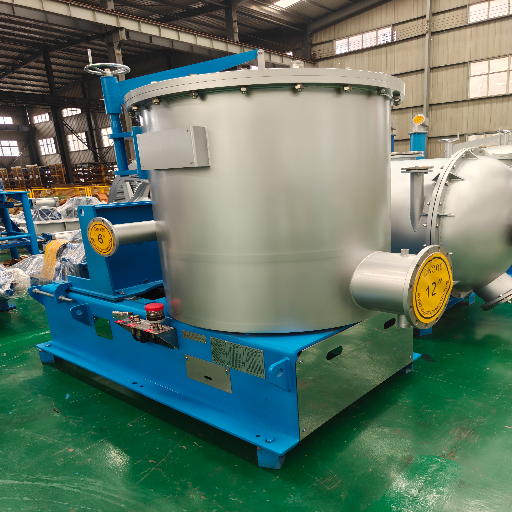
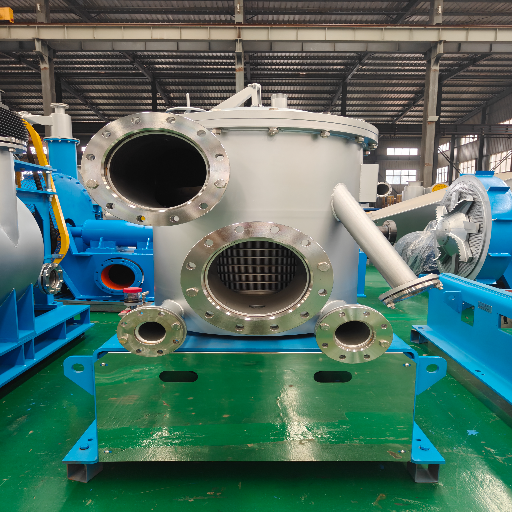
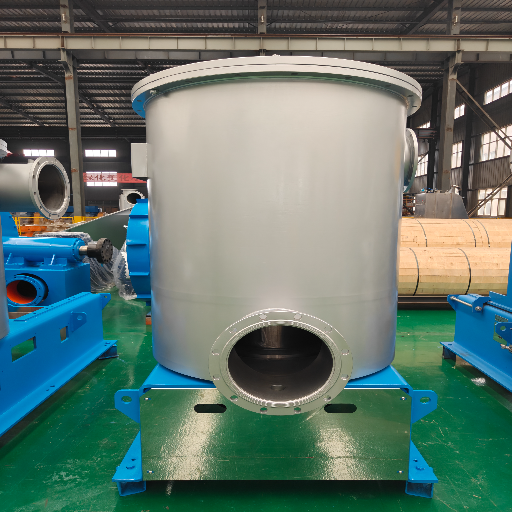
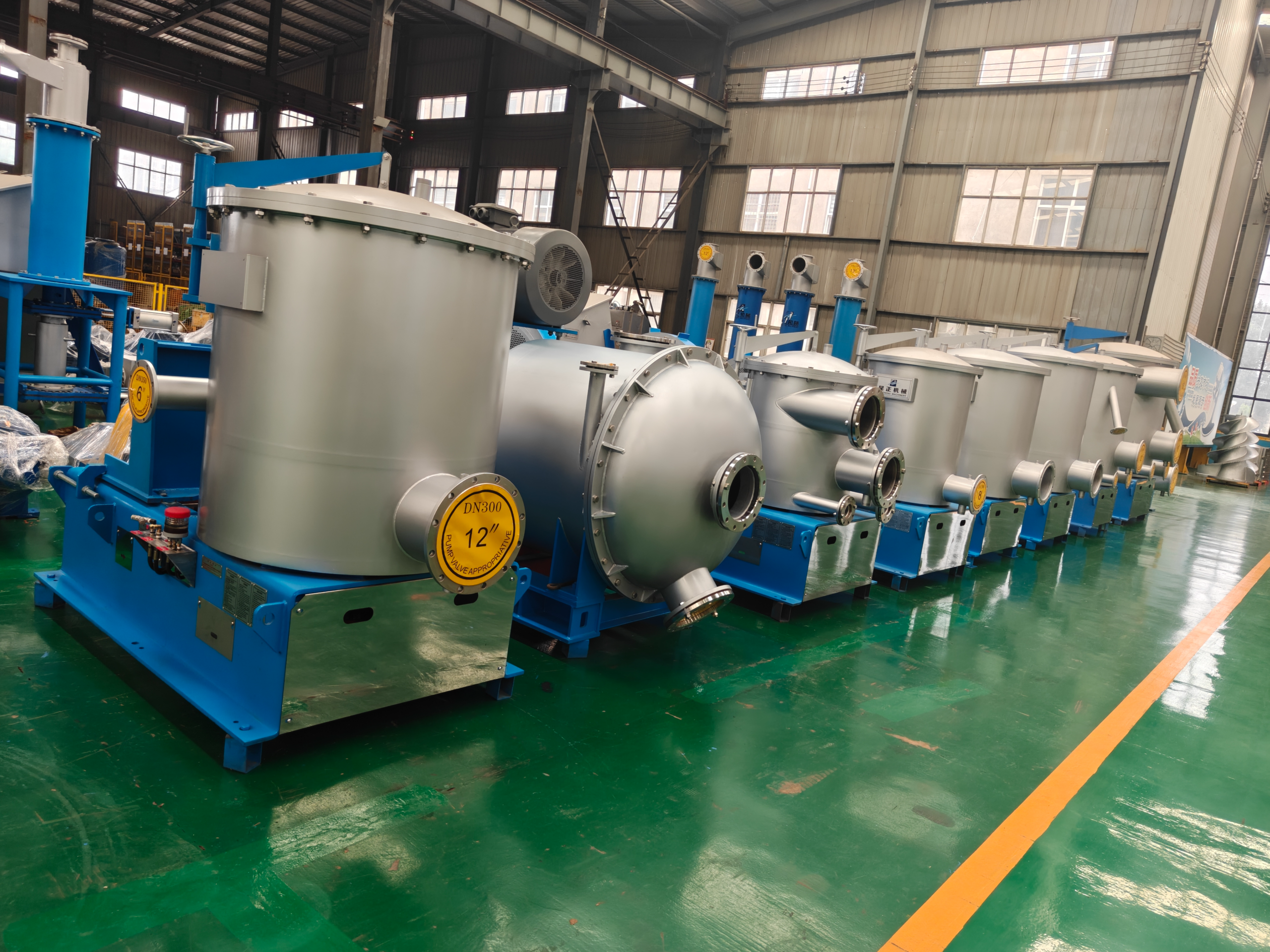
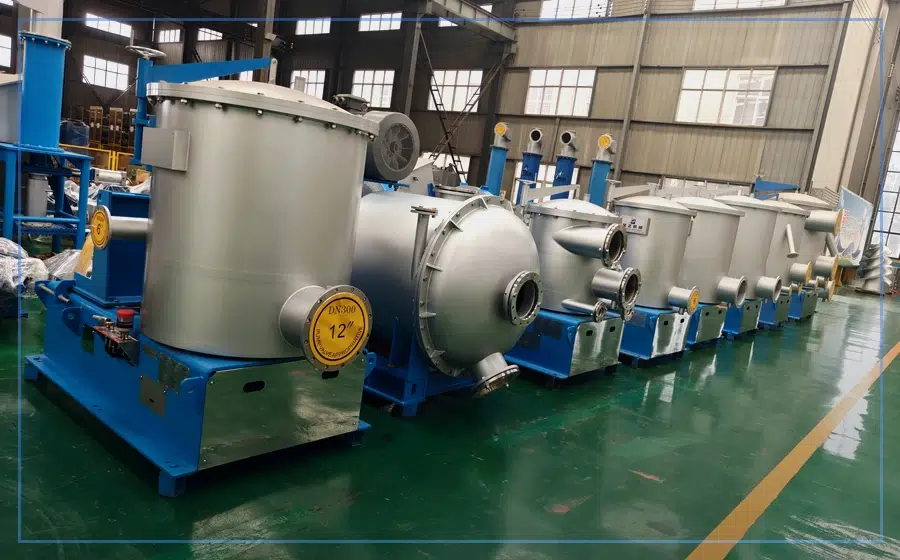
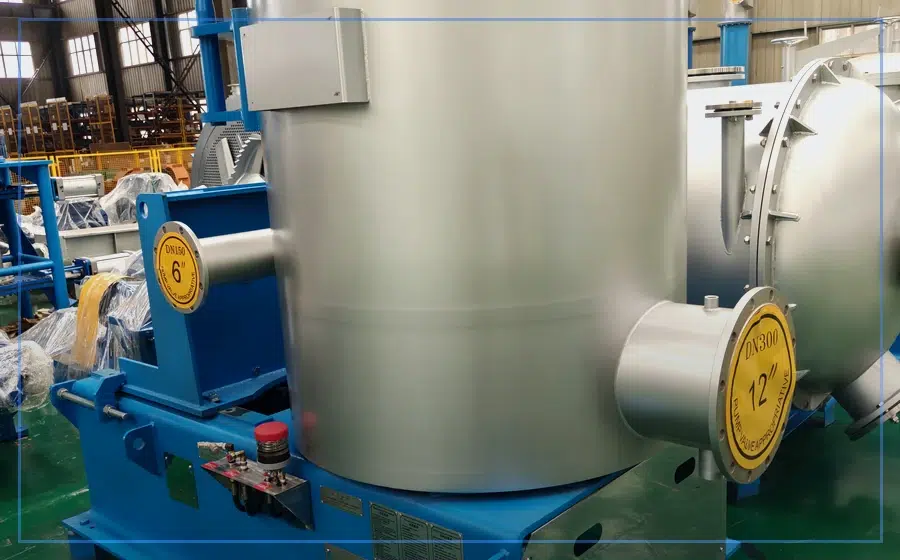
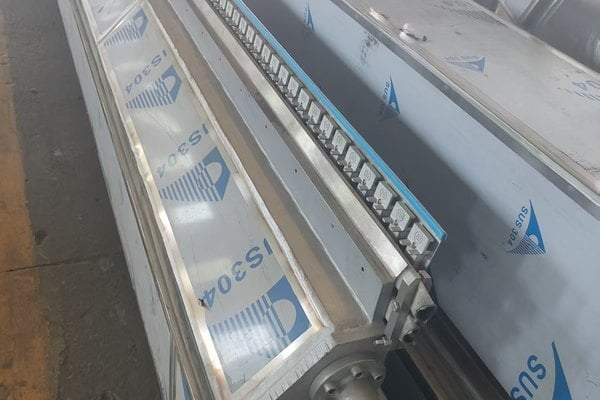
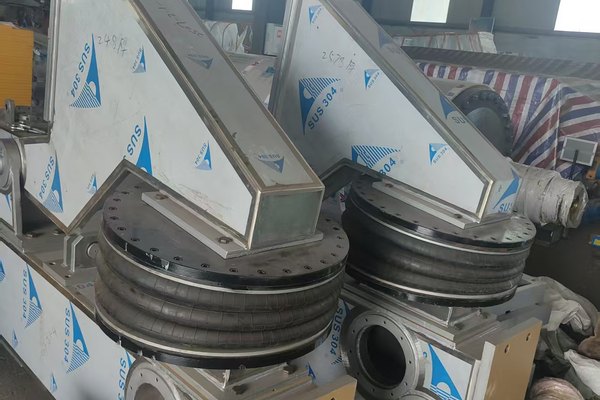
Observed connection sizes on Zejiang screens in the images on this page run from DN150 (6") feed to DN300 (12") on larger housings, the flange class is set by the throughput and position, and is confirmed at quotation. Housings and baskets are precision stainless steel (SS 304 / 316 grades are standard across the pulp-and-paper screening industry for abrasion and corrosion resistance), and baskets are machined to a controlled slot tolerance because a 0.1 mm error in slot width changes what passes. This is the honest version of "type selection": inflow, outflow and upflow aren't tiers of quality, they're different duties, and picking the wrong one for your line position is the most common purchasing mistake in a pulp screening machine. Where a screen must survive abrasive OCC furnish, in-house basket surface treatment matters more than headline price, see the wear-parts section below.
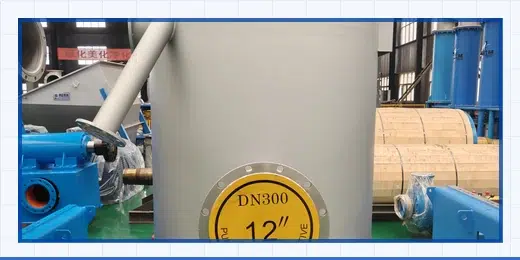
01
Choose Inflow if
Approach flow, low pulse
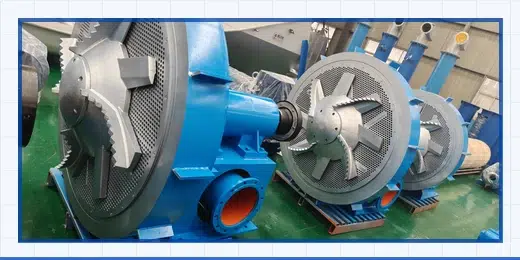
02
Choose Outflow if
Coarse/intermediate stock prep
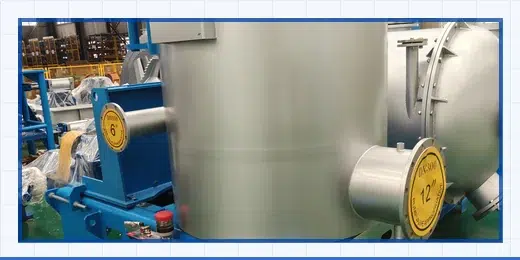
03
Choose Upflow if
MC screening, small footprint
Aperture rule
Holes coarse · Slots fine
Not sure which type your line needs? Get the Screen Sizing Worksheet →
Pressure Screen vs Vibrating Screen vs Centrifugal Screen
Mills often ask whether a vibrating screen or a centrifugal (reject) screen can do the same job for less, and getting this wrong is an expensive mistake, because a screen placed in the wrong duty either passes contaminants or wastes power. They aren't interchangeable for a structural reason: each works on a different physical principle at a different consistency. A vibrating screen dewaters and coarse-screens at the front of the line, a centrifugal screen handles high-consistency reject sorting at 3–5%, and a pressure screen does the pressurised fine separation that decides sheet cleanliness. Zejiang builds all three, so the duty map below is engineered to place each screen where it earns its power draw, not to rank one as universally "best".
Where the money actually is: energy, not unit price
A common assumption is that a Chinese-built screen must cost more to run. Published data points the other way, the pressure screen is an energy lever, not an energy burden. Two independent findings:
Silver Tier
TCO / Energy evidence
≈ 95 kW
SAVED
Replacing a pressure-screen rotor with an energy-efficient rotor can cut power draw by about 95 kW on a 150 TPD paper machine, according to the IPPTA-supported Technology Compendium on Energy Saving Opportunities in Pulp & Paper. Source (India, Shakti/IPPTA)
39 vs 73 kWh/t
39 vs 73
-46%
Using a pressure screen to fractionate OCC pulp before low-consistency refining reached the same paper strength (55 N·m/g tensile) at 39 kWh/t net specific energy versus 73 kWh/t for the conventional route, a peer-reviewed pilot study using a 0.81-mm holed screen cylinder. Cai et al., Paper & Biomaterials, 2023
Read together: a good rotor cuts the screen's own draw by tens of kW, and using the screen to fractionate can nearly halve the refining energy needed downstream. That's the honest version of the energy question, screening done well pays for itself in the energy bill before you count the fibre it saves, whereas a mismatched rotor quietly adds power for years. Zejiang rotors are engineered to that low-pulse, low-energy profile and the specification is confirmed against your furnish and TPD, not assumed.
Screen Baskets, Rotors & Wear Parts That Survive OCC
Basket and rotor are the two parts that do the work, and the two parts that wear and get replaced. In an abrasive recycled-fibre line this is where availability, not brochure spec, decides your uptime: plating slows cylinder wear, but as Valmet's own field guidance puts it, it "is not always enough to protect against the rigors of abrasive pulp and constant wear".
For a mill in South Asia running OCC, a screen you can't re-basket quickly is a screen that stops the machine. The plating does slow cylinder wear, but on abrasive stock it isnt always enough, so basket availability is the real lever. Regional sourcing matters because it directly affects spare-parts lead time, service response and commissioning support, which is why Zejiang holds basket and rotor tooling in-house.
"On OCC lines the basket is the part that decides your run length, not the housing. We keep hole and slotted basket tooling and rotor patterns in-house so a mill can re-basket a Zejiang pressure screen without waiting on an overseas parts queue, that lead time is the real cost, not the basket itself."
Henan Zejiang Paper Machinery, Screening Engineering Team
Hole
Slotted
VS
Hole vs slotted baskets
| Basket type | Aperture / Best for / Duty |
|---|---|
| Hole basket | Drilled holes (straight, countersunk, taper) Coarse & intermediate screening Removing larger contaminants early |
| Slotted basket | Fine slots — slot width is the key variable Fine screening & stickies removal Polishing stock before the machine |
Scan Data
Baskets are precision stainless steel; slotted baskets in the industry are built in a range of pressure screen basket sizes up to roughly 1800 mm diameter, and slot width, machined to a tolerance measured in tenths of a millimetre, is what sets what passes.
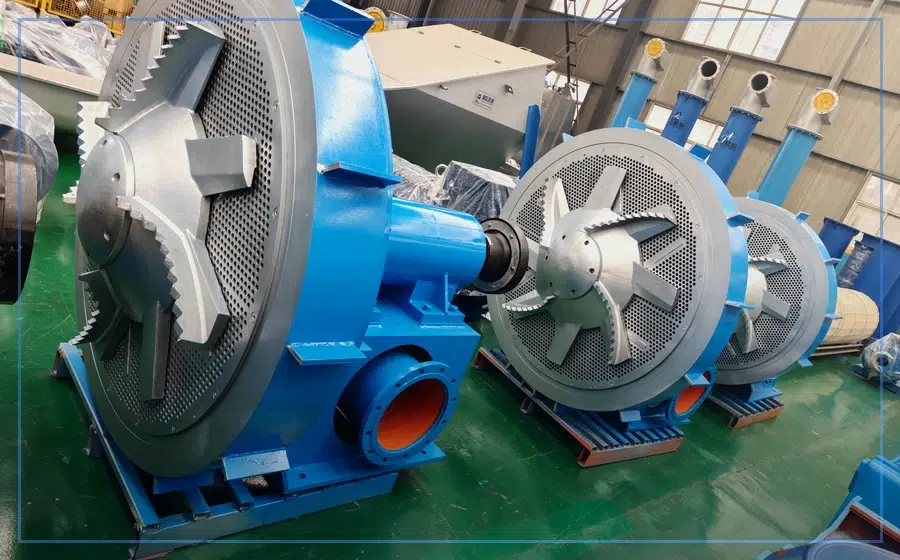
Rotor choice is matched to stock and basket: a foil rotor for low-pulse, low-energy fine screening; a step or vaned rotor where large flat contaminants have to be swept clear. Rotor selection is part of sizing and not an afterthought for a structural reason: a rotor that's wrong for the stock either blinds the basket or wastes power, the same reasoning behind enhanced-rotor screening patents like EP0693976B1.
Because Zejiang machines baskets and rotors in-house rather than buying them in, a pressure screen basket or rotor replacement is engineered to the original tolerance and shipped without an overseas parts queue, the difference between a two-week and a two-month basket change on a line that runs 24 hours a day.
Need a custom pressure screen rotor replacement or a new basket for an existing machine?
Request a detailed spec — WhatsApp an engineer →Screening Targets by Paper Grade: Kraft, Testliner, Duplex & Tissue
What "clean enough" means depends on the grade, and getting it wrong is a real problem, under-screen and stickies carry through to the reel, over-screen and you lose 5% of good fibre to the reject line. This is where screen position and aperture get set. Here's the honest version: as a new supplier to a given mill, Zejiang won't claim installed-case metrics we can't yet attribute, so the targets below are the engineering objectives a screening line is built around for each furnish, grounded in peer-reviewed screening and fractionation research, not a sales story. That trade-off between cleanliness and fibre yield is decided by slot width and reject rate, and for recycled OCC and agro furnish (straw, bagasse) those are set for that stock, not copied from a wood-pulp line.
Grade Spec
01
Kraft & testliner (OCC)
Screening priority
Stickies + fibre bundles
Typical aperture strategy
Fine slots, staged coarse→fine
Why
Recycled furnish carries adhesives & shives
Grade Spec
02
Duplex board
Screening priority
Contaminant removal + fractionation
Typical aperture strategy
Holed cylinder for fractionation, then slots
Why
Long/short fibre split improves ply strength
Grade Spec
03
Tissue
Screening priority
Maximum cleanliness, low pulse
Typical aperture strategy
Fine slots, low-pulse foil rotor
Why
Any debris shows in a thin sheet
Grade Spec
04
Cultural / writing
Screening priority
Uniform accept, runnability
Typical aperture strategy
Fine slots at approach flow
Why
Sheet formation depends on clean stock
High-Consistency Screening
Low-Pulse Rotor Technology
Custom Slot Width Tolerances
Energy Efficient Fractionation
SS 304 / 316 Construction
High-Consistency Screening
Low-Pulse Rotor Technology
Custom Slot Width Tolerances
Energy Efficient Fractionation
SS 304 / 316 Construction
Fractionation is a real lever here, not a buzzword: separating long from short fibre by fibre length through a slotted basket lets a mill refine each fraction to target, the screen-capacity fundamentals behind this are set out in Salem, BioResources, on pulp screen capacity. This fractionation route is what produced the 39-vs-73 kWh/t energy result cited above (Cai et al., 2023), and it pairs directly with refining, see the Zejiang disc refiner range for the stock-prep stage that follows screening. For a mill deciding aperture and rotor by grade, the right call is to confirm the target against your own furnish rather than a generic table.
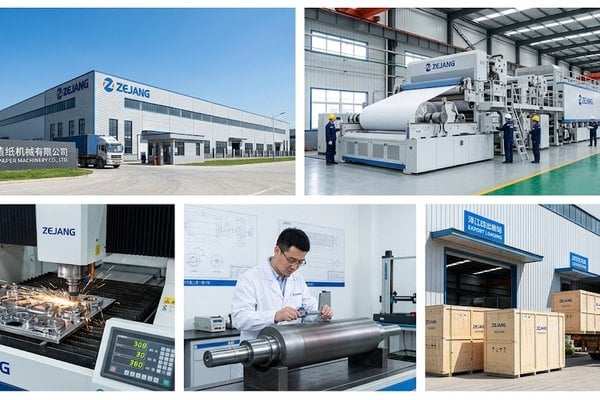
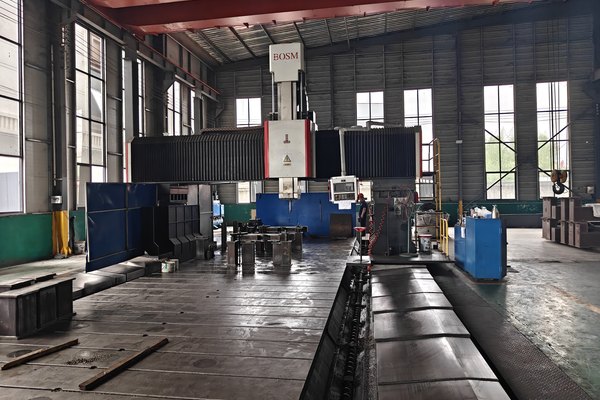
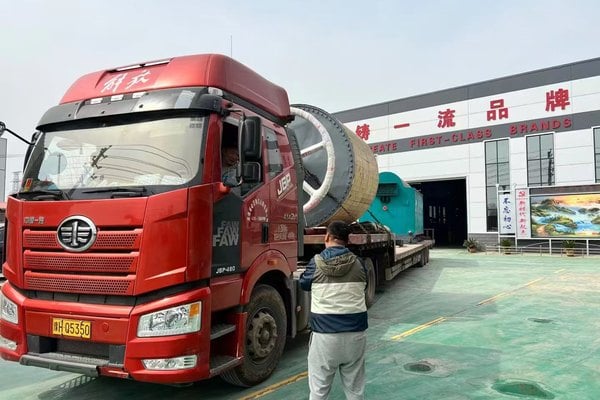
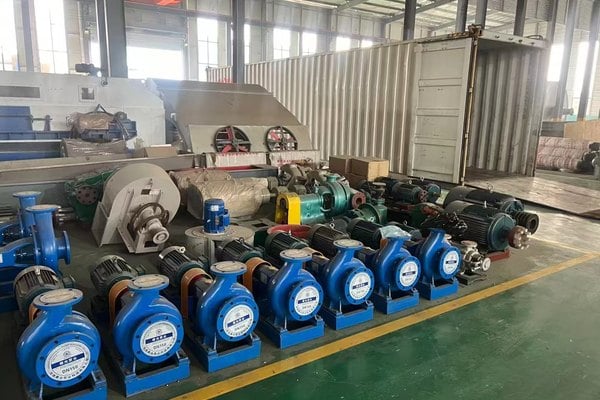
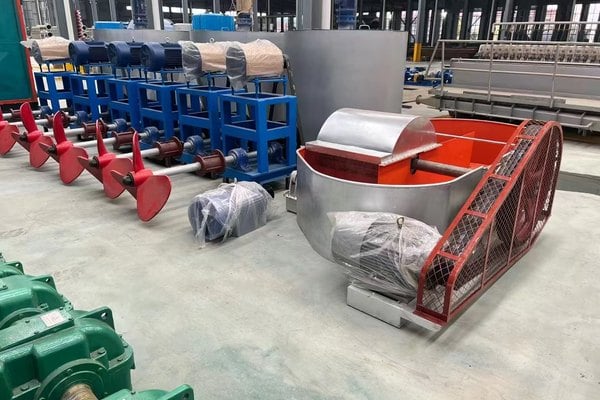
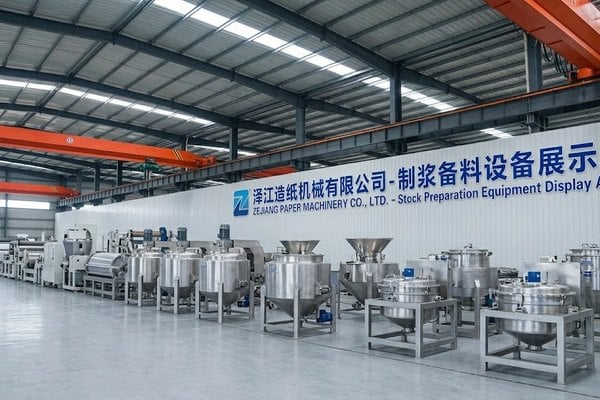
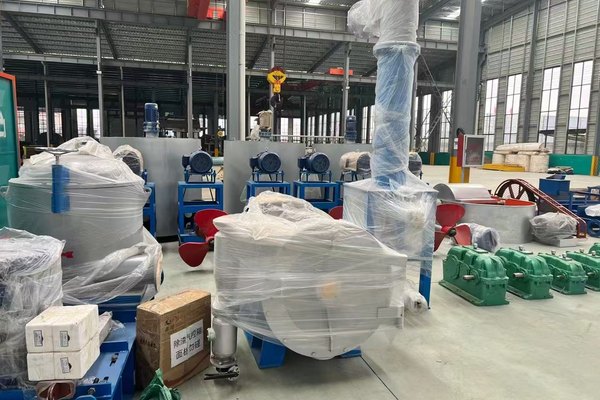
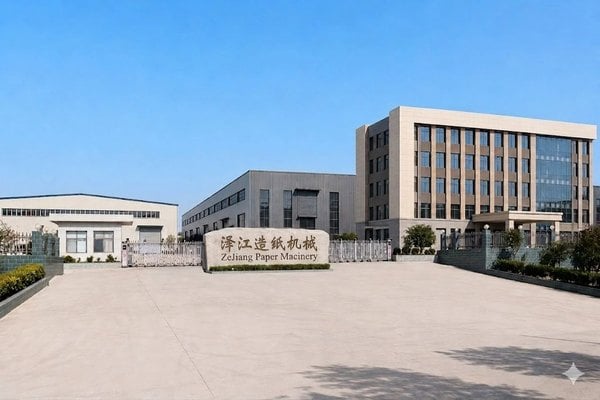
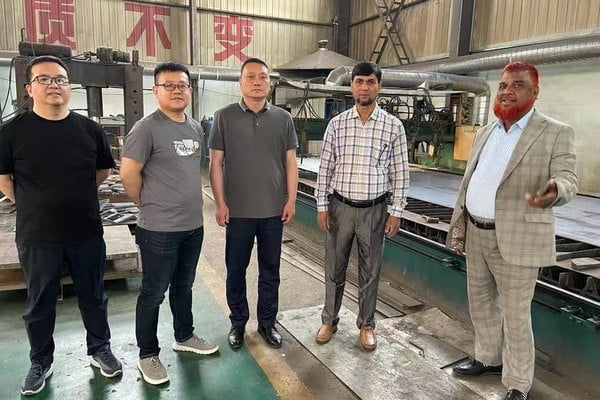
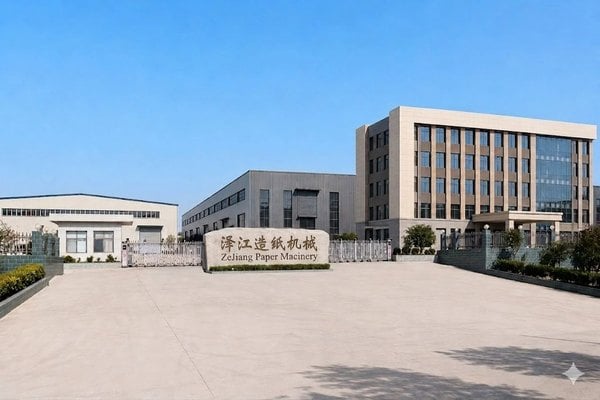
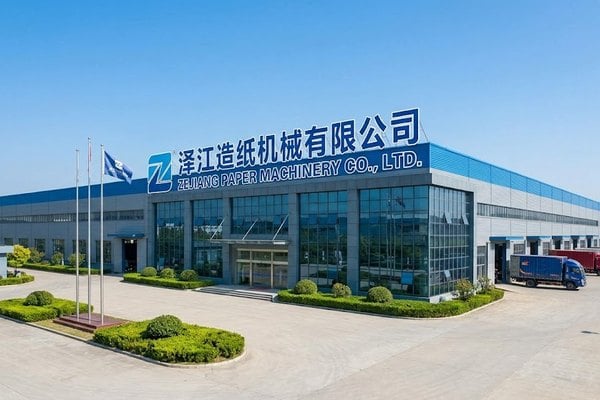
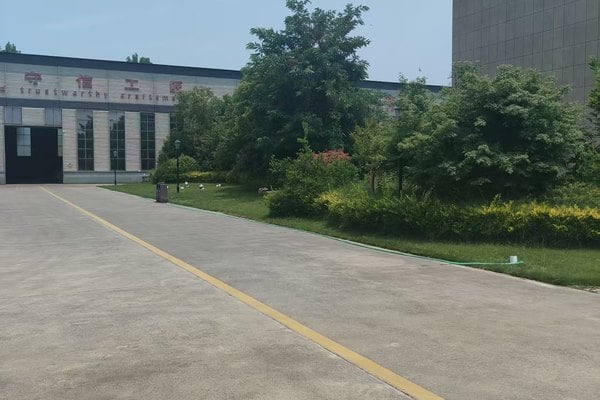
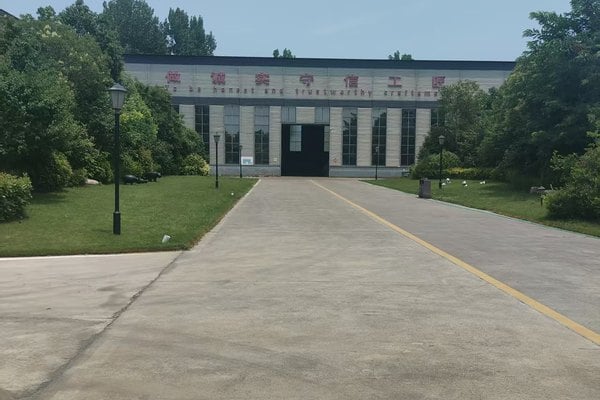
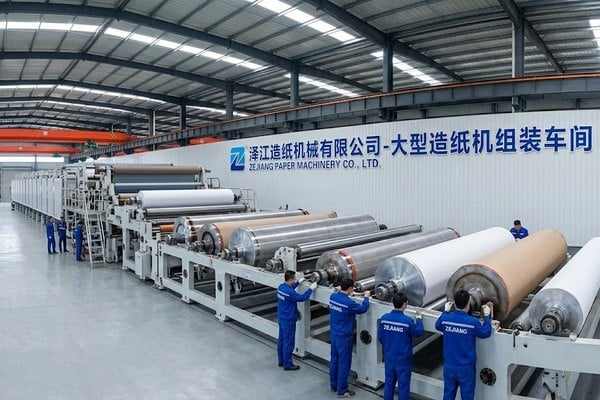
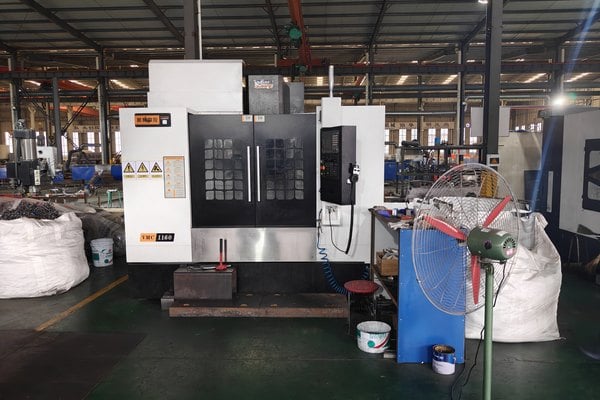
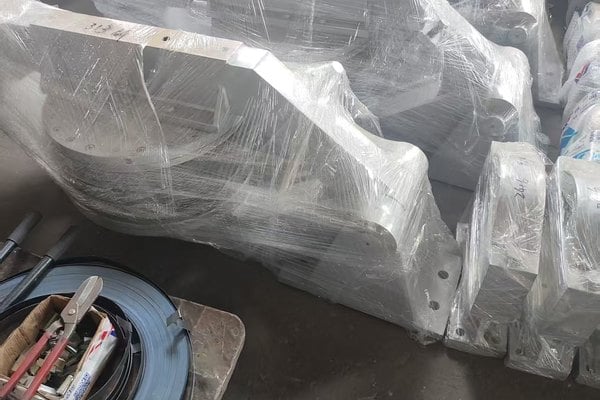
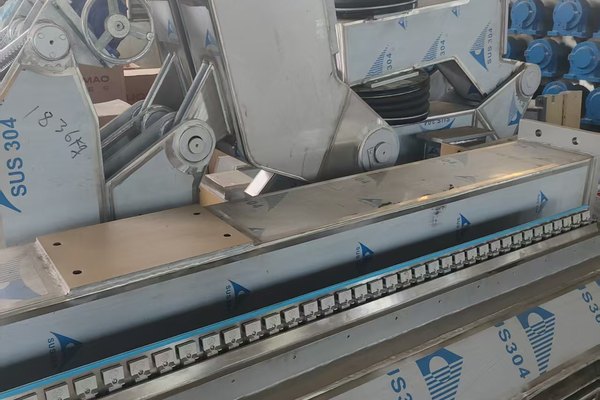
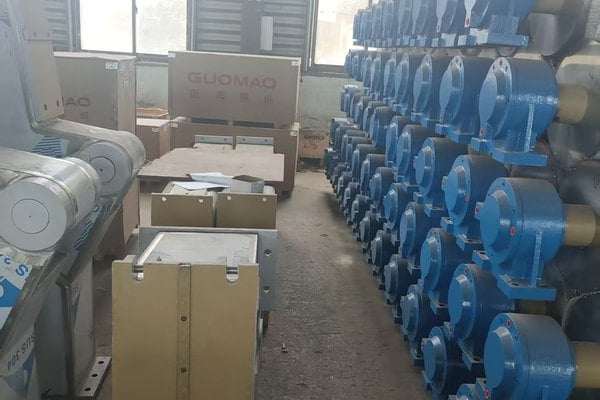
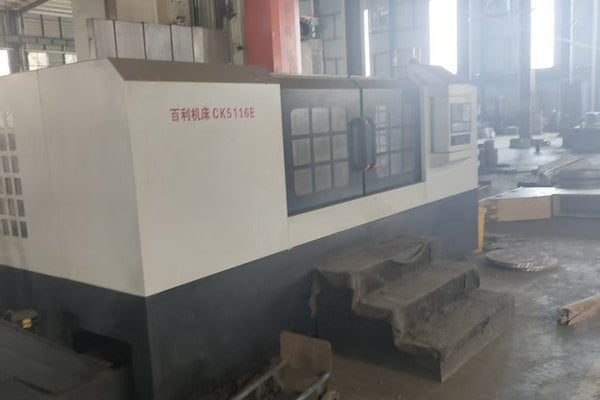
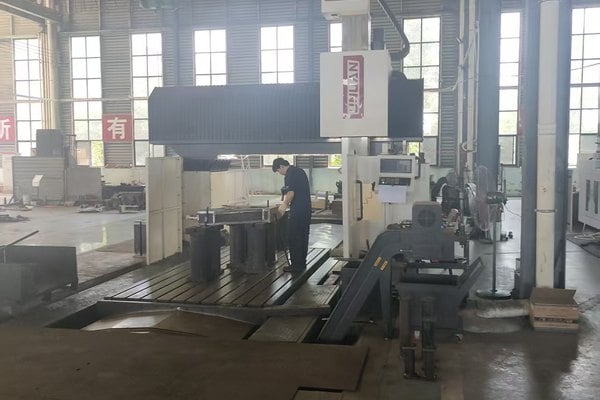
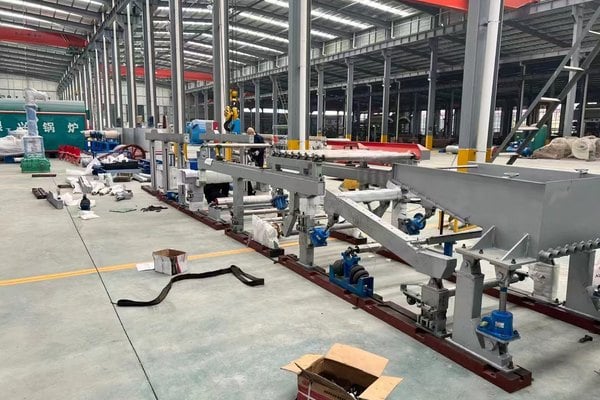
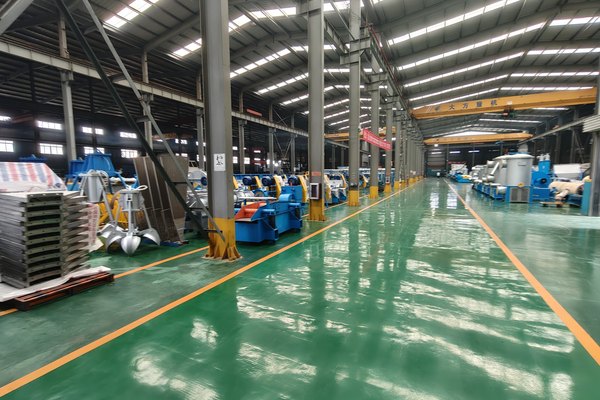
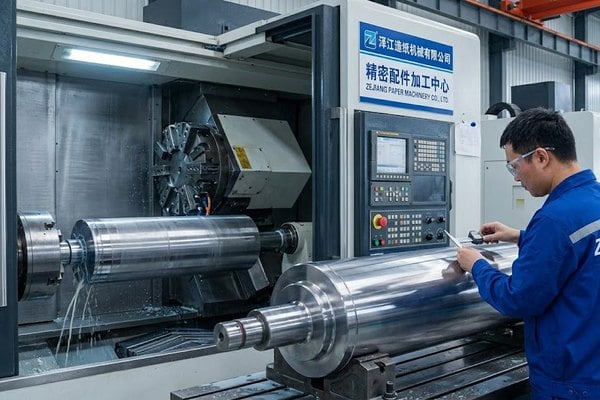
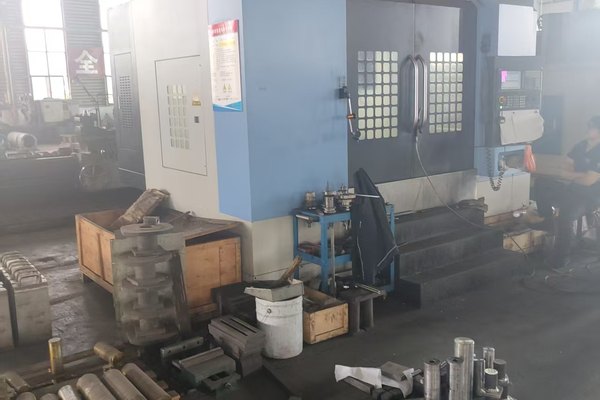
Advanced Pressure Screen & Paper Machinery Manufacturing Facilities
Precision Engineering, Assembly & Delivery Center


×
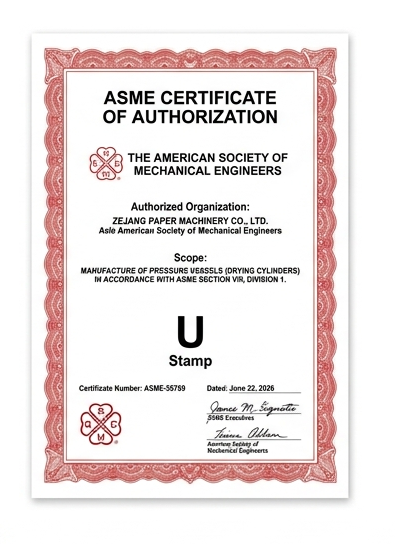
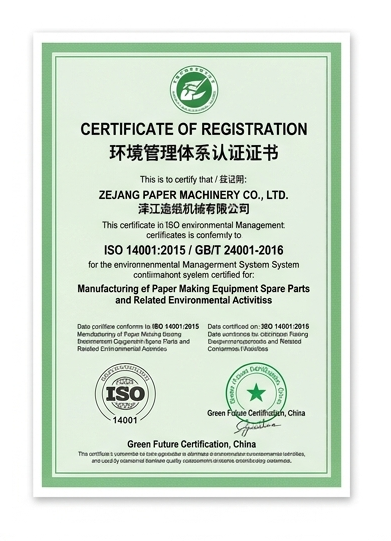
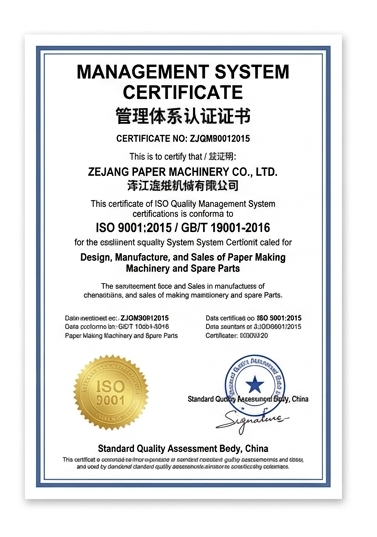
Certifications & Manufacturing Quality
01
Stainless construction
SS 304 / 316 baskets and wetted parts — the industry-standard grades for abrasion and corrosion resistance in pulp screening.
02
Standardised test methods
Screening performance is evaluated against recognised methods such as TAPPI T 275 (screening of pulp), the industry reference for shive and contaminant separation.
03
In-house baskets & rotors
Screen, basket and rotor built and matched in one shop — one manufacturer accountable for how they work together.
04
Hard-wearing baskets
Surface-treated baskets for abrasion resistance, extending life on continuous OCC and recycled lines.
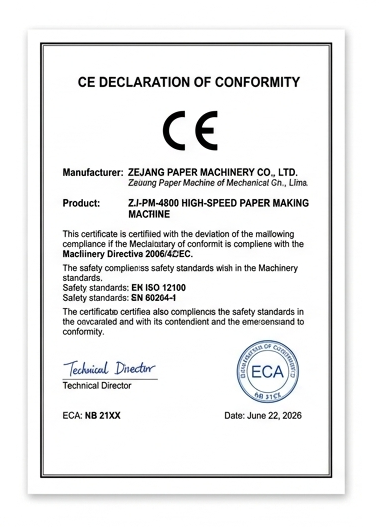
Screening is a recognised stage of stock preparation across the technical pulp-and-paper community, and Zejiang's screens are built in-house to the material and test-method standards that community uses, not to a private spec. An honest position for a manufacturer serving export markets is that a certified test method matters more than a marketing claim: a problem a mill can audit is a problem a mill can trust. Certification numbers and material certificates specific to a given order, including SS 304 / 316 grade traceability and slot-width tolerance records, are provided with the quotation and documentation package, so an EU or US buyer can confirm the spec against the standard before shipment.
Pressure Screen Optimization Tools
Pressure Screen Selector
Match a screen type and aperture to your line position and furnish. Deterministic mapping from the stock-prep screening ladder — confirm the final spec with a Zejiang engineer.
Rotor Energy-Saving Estimator
A published industry reference found that swapping a pressure-screen rotor for an energy-efficient one cut draw by about 95 kW on a 150 TPD machine. This tool scales that reference linearly to your capacity as a first-order estimate.
Aperture & Reject-Rate Trade-off Guide
Screening efficiency and fibre yield pull against each other: raise the reject rate to catch more contaminant and you also send more good fibre to the reject line. This guide illustrates the trade-off and points to the right basket — it is qualitative, not a performance guarantee.
System Specs & Guide
Pressure Screen FAQ
These are the questions mills actually ask before they buy, the ones where a wrong answer becomes a plugged basket or a lost order. Each answer is engineered from the same screening physics used above, with the honest trade-offs stated rather than hidden. If your question is about a pressure screen paper machine price or a custom configuration, request a detailed quote and an engineer will spec it against your furnish and TPD.
What is the difference between an inflow and an outflow pressure screen?
In an inflow (centripetal) pressure screen the rotor sits outside the screen basket: pulp enters on the outside of the cylinder and accept fibre flows to the inside. In an outflow (centrifugal) screen the rotor is inside the basket and accept fibre flows outward through it. Inflow screens are used for low-consistency fine screening and approach flow; outflow screens for coarse and intermediate screening.
What consistency does a pressure screen run at?
Coarse screening runs at medium consistency, roughly 2.0–3.0%. Fine screening and approach-flow screening run at low consistency, roughly 0.4–1.0%. Consistency is set by the screen's position in the line, not chosen freely.
Hole vs slotted screen basket — which do I need?
Hole baskets use drilled apertures for coarse and intermediate screening. Slotted baskets use fine slots for fine screening and stickies removal, where slot width controls what passes. Most lines use both: holes early, slots before the machine.
How do you stop a pressure screen basket from blinding?
A rotor pulse keeps the basket open by back-flushing the apertures on every pass. Blinding is avoided by matching the rotor, the rotor-to-basket clearance and the slot width to the stock and consistency, and by keeping the screen within its design flow.
What does the rotor do in a pressure screen?
A rotor sweeps close to the basket and creates pressure pulses. Its negative pulse back-flushes the apertures to keep the basket clear; a well-designed foil rotor does this with low energy and low reject thickening, which is where much of the screen's power saving comes from.
Where is the pressure screen placed in a paper mill?
After pulping and coarse cleaning, and before refining and the headbox. Screening runs in stages, coarse at medium consistency first, then fine at low consistency, then a final approach-flow screen just before the paper machine.
Can a pressure screen handle recycled OCC and agro-based (straw, bagasse) furnish?
Yes, but the basket, slot width and rotor must be set for that stock. Screening rules written for virgin wood pulp don't transfer directly to recycled or annual-plant furnish, so aperture and reject rate are configured for OCC or agro pulp at sizing rather than copied from a wood-pulp line.
![Refiner Plates & Screen Baskets [Complete Guide]](https://zjpapermachine.com/wp-content/uploads/2026/07/refiner-plates-screen-baskets-guide-featured-150x150.png)
![Doctor Blade: Types, Materials & How It Works [Guide]](https://zjpapermachine.com/wp-content/uploads/2026/07/doctor-blade-guide-featured-1-150x150.png)
![Pulping Equipment: How Paper Pulping Works [Guide]](https://zjpapermachine.com/wp-content/uploads/2026/07/pulping-equipment-guide-featured-150x150.png)