Get in touch with Zejiang Paper Machinery Company
Waste Paper & OCC Recycling Line for Paper Mills
A waste paper recycling line is your mill’s bridge from baled OCC to paper-machine-ready stock, covering pulping through approach flow for kraft, testliner, or tissue production. Zejiang builds these lines at 10 to 300 TPD, manufactured and shipped from our Henan factory.
Request a Quote →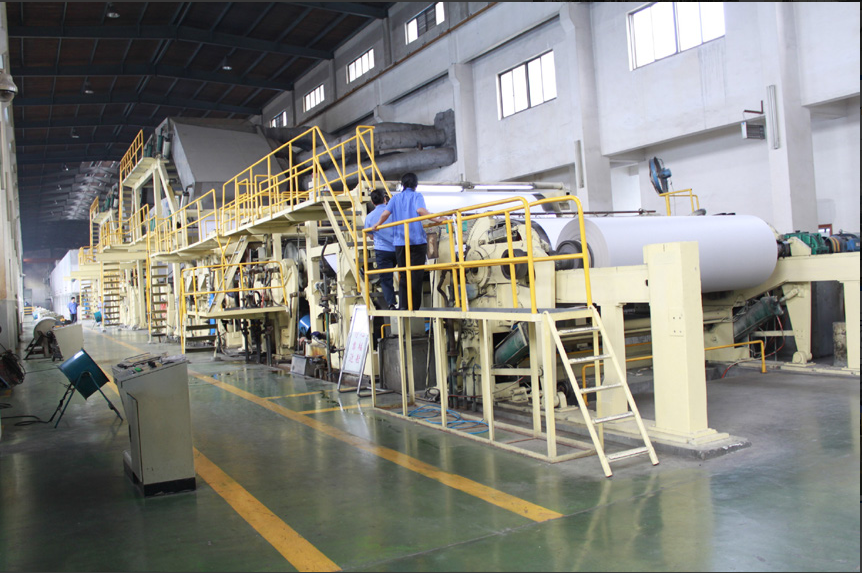
System Overview
10–300
TPD capacity range
Brown line
OCC / mixed waste, no deinking
6 stages
Pulping to approach flow
Feeds into
Kraft / Testliner / Tissue
Factory direct
Henan, China
Why an OCC / Recycled Line, and Why It Isn’t a Small-Scale Machine
A waste paper recycling line from Zejiang is a mill-feed stock-preparation system, not a desktop or classroom paper recycler.
It runs 10 to 300 tonnes per day, continuously, feeding a working paper machine. If you’re comparing prices against a small office shredder-baler unit or a school recycling kit, you’re pricing the wrong category of equipment – those units process only kilograms per day.
Field Configuration Discrepancy
That mismatch is the most common mistake we see from first-time buyers in developing markets: a regional kraft or testliner mill sources a quote against a small-machine listing, then finds it can’t scale to a single shift’s worth of output, let alone three. Tell us your target output and feedstock grade and we’ll confirm you’re pricing the right category before you request a full quote.
System Metrics //
Continuous Stock Preparation: 10 – 300 MTPD Line Engine.
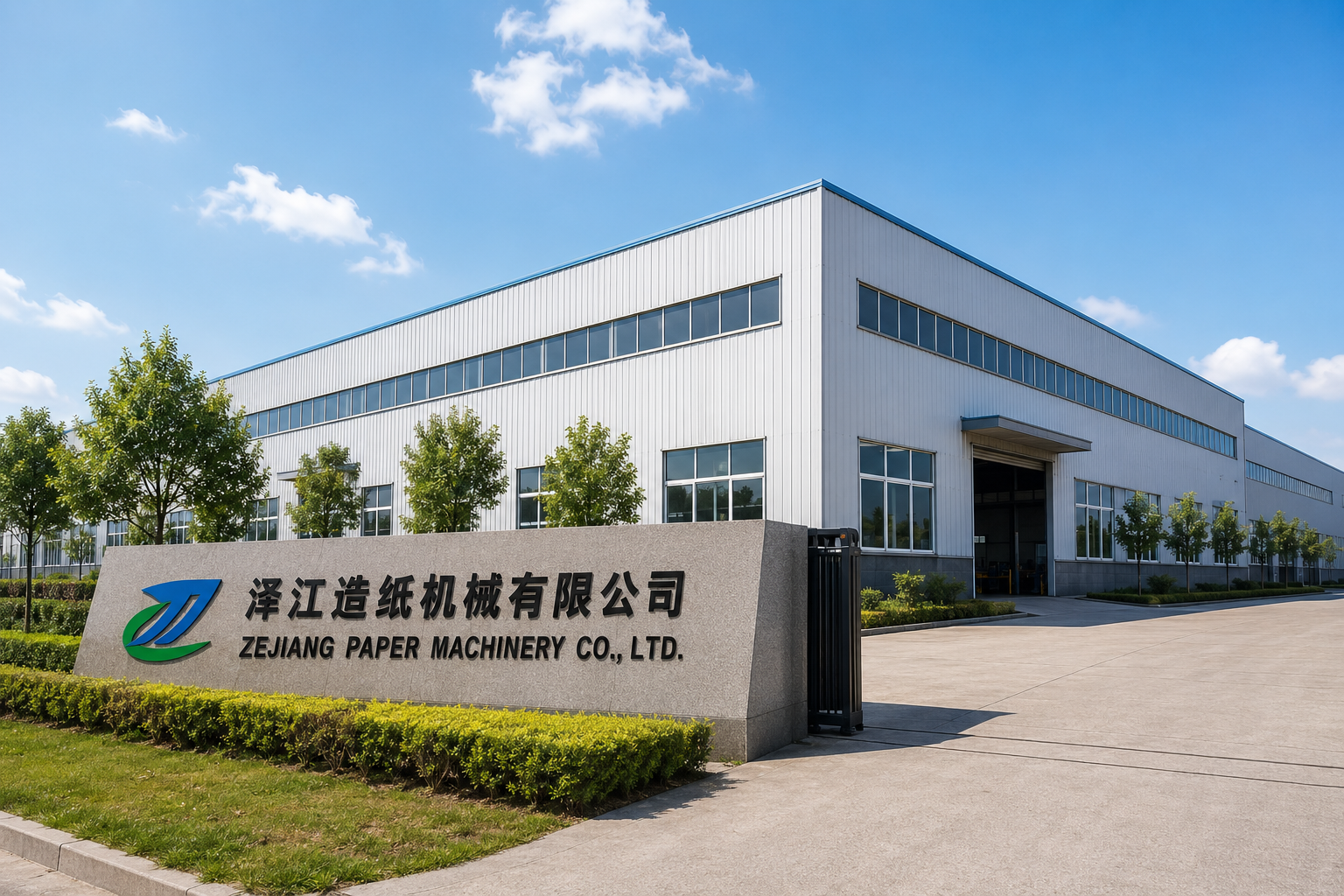
Infrastructure //
Skips chemical pulping overhead.
OCC and mixed waste paper cost less to source than virgin wood pulp, which is why recovered fibre already supplies the majority of paper and paperboard output in markets like India, where waste-paper-based mills dominate the corrugated packaging segment. Building on recovered fibre also means a mill can skip the chemical pulping infrastructure a virgin-fibre line requires – no digester, no recovery boiler, no causticizing plant.
Recovered fibre already supplies the majority of paper and paperboard output in India, and recycled-fibre lines are the fastest-growing segment of the country’s roughly 22 to 25 million tonne annual paper and paperboard market.
Using recovered fibre instead of virgin wood pulp is also a widely recognized way to cut the raw-material and energy footprint of paper production, which is part of why the US EPA’s paper and paperboard recycling data tracks recovered fibre as a growing share of feedstock across the industry, not just in India.
Because OCC and mixed waste become testliner, fluting, or kraft liner – grades where brightness doesn’t matter – this line runs as a brown line: no deinking stage, lower capital cost, and simpler water and sludge handling than a white-grade recycling line built for tissue or printing paper.
effluent and sludge treatment load is a large share of any paper mill’s environmental compliance burden, and skipping deinking measurably reduces it (see this peer-reviewed review of pulp and paper mill effluent treatment). That single design decision is what keeps a developing-market mill’s stock-prep budget in proportion to the rest of the project, instead of paying for a deinking system it will never use. See our full pulping equipment range for the individual machines that make up this line.
Recycling Line Workflow
A complete OCC recycling line isn’t one machine – it’s six connected stages, each one raising the fibre quality before it reaches the paper machine. Here’s how baled recovered paper becomes machine-ready stock:
01
Pulping
Bales are broken into a fibre slurry in a hydrapulper or drum pulper at working consistency.
02
Detrashing
Wire, rope, tape, and large plastic contaminants are pulled out at the pulper.
03
HD cleaning
High-density cleaners spin out sand, staples, glass, and other heavy debris.
04
Screening
Pressure screens sort usable fibre from shives and uncooked bundles.
05
Deinking (optional)
Only for white-grade lines — flotation and dispersion to remove ink. Not required for OCC/brown lines.
06
Thickening & approach flow
Stock is thickened to feed consistency and delivered to the paper machine’s approach flow.
For an OCC or mixed-waste furnish, stage 5 is normally skipped, which is what makes a brown line faster to commission and cheaper to run than a deinking line. If your mill later adds a white-grade product – office-waste-based writing paper or tissue – the thickening and deinking equipment we design can be sized with that stage in mind, so the retrofit doesn’t mean re-engineering the whole line. Stock leaving this line typically feed a kraft or corrugated paper machine, though the same approach-flow output works for testliner and select tissue configurations.
Skip or undersize any one of these stages and the mistake doesn’t stay contained to the recycling line – a length of baling wire that slips past detrashing can tear a wire section on the paper machine itself, and screening that’s undersized for your furnish leaves shives in stock meant for testliner, a gap that shows up as a customer complaint on finished rolls, not a fault on this line. That’s the trade-off most catalog-sized lines get wrong: they size cleaning and screening to a generic tonnage figure instead of your actual recovered paper’s contamination level, and the mill ends up losing a few hours of production every time a screen has to be pulled and cleared. Zejiang sizes the cleaning cascade to your furnish rather than selling a standard package – request a quote with your feedstock grade and contamination notes, and our engineers will spec the screening and cleaning stages to hold it.
Request a Custom Line Quote →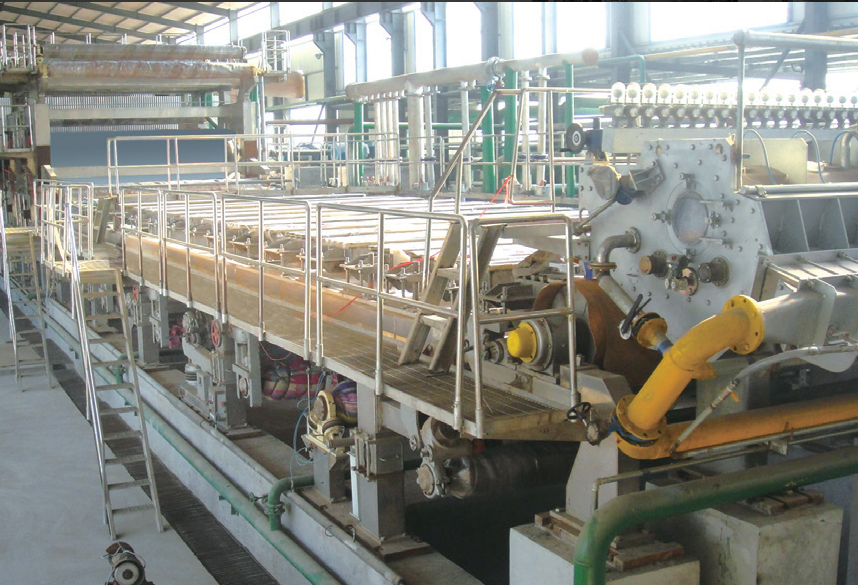
SYSTEM ANALYSIS // STAGE 01-06
Equipment Configuration by Output
The right OCC line configuration depends on daily output, not just budget. A 15 TPD line and a 200 TPD line share the same six stages, but the pulper size, number of cleaning stages, and screen count scale with throughput. The matrix below maps the three output bands we build most often to the equipment tier and the mill profile each one suits.
10–30 TPD
Typical Equipment Tier
Single hydrapulper, 1–2 stage HD cleaning, 1 pressure screen line
Mill Profile
Small regional mill, single-grade OCC/testliner output
30–100 TPD
Typical Equipment Tier
Drum or D-type pulper, multi-stage cleaning, dual screening, dedicated thickener
Mill Profile
Established mid-scale mill expanding output or adding a second shift
100–300 TPD
Typical Equipment Tier
High-throughput drum pulper, full cleaning cascade, multiple pressure screen stages, larger approach-flow chests
Mill Profile
Large industrial mill or export-oriented packaging producer
We quote most of our mills in the 30 to 100 TPD capacity range – enough to comfortably accommodate a second shift, yet small enough to still be entirely covered by a single hydrapulper and compact cleaning cascade without overbuilding the capacity of the whole line.
Under 10 TPD, the costs of a full six stage cascade are typically not justified by the capital cost of the equipment, which is why we establish that level as our minimum for any of our standard design.
Contact our engineers to specify a pulper →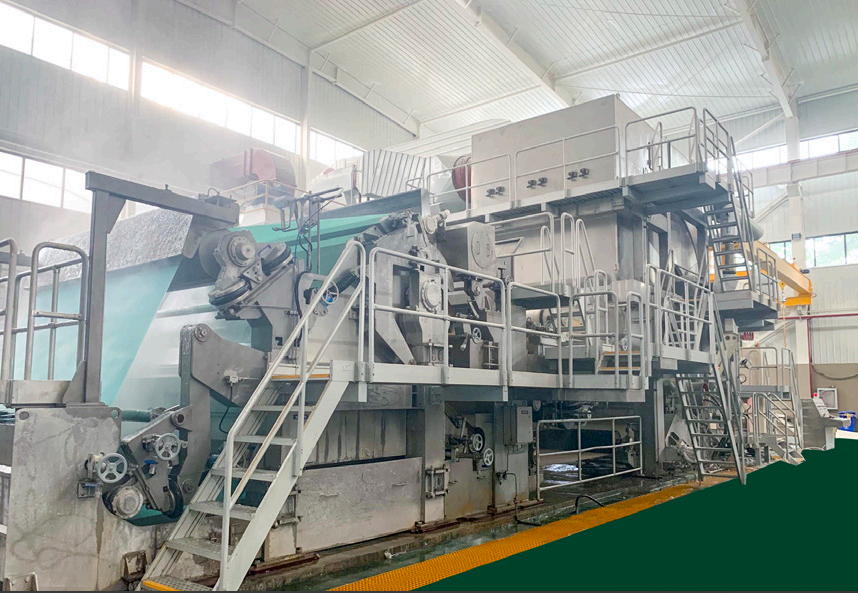
“Every line we design is built around the consistency-stable flow that our pulp pump and agitator sizing ensures for each cleaning stage – inadequate pump capacity is by far the most common reason that a recycling line fail to meet its tonnage targets following startup.”
Feedstock Grade & Contamination Requirements
Not every bale of recovered paper is the same input to this line, and the two grades we design most of our brown-line configurations around are ISRI PS 11 (OCC, standard old corrugated containers) and PS 12 (DSOCC, double-sorted OCC) – the industry’s own outthrows and prohibitives limits for each grade set the practical floor for what a cleaning cascade can economically handle before contamination starts costing production hours instead of purchase price.
PS 11 – Standard OCC Max 5% Outthrows
Baseline furnish for testliner/fluting – the grade most 30-100 TPD lines are sized around
PS 12 – DSOCC (double-sorted) Max 2% Outthrows
Lower cleaning-stage load per tonne; often blended with local OCC to raise strength and cut screen downtime
PS 1 – Mixed paper (unsorted) Variable
Workable at the lower end of our capacity band with a heavier cleaning cascade specified up front – not a drop-in substitute for OCC without resizing the line
Grade definitions and outthrows/prohibitives limits per ISRI (Institute of Scrap Recycling Industries / ReMA) Scrap Specifications Circular and the EN 643 European recovered-paper standard, industry classification references, not Zejiang-specific tolerances.
TARGET MATERIAL
ISRI PS 11 / PS 12
Plastics & film
Typical Impact:
Wire/felt plugging downstream
Caught At:
Screening + cleaning stages
Metals
Typical Impact:
Equipment/wear-part damage
Caught At:
Detrashing + magnetic separation ahead of pulper
Sand, grit, glass
Typical Impact:
Abrasive wear on cleaner linings and pump wetted parts
Caught At:
HD (heavy-duty) cleaning stage
Stickies
Typical Impact:
Machine deposits, felt plugging, sheet defects
Caught At:
Fine screening + cleaning cascade
Built and Installed From Our Henan Factory
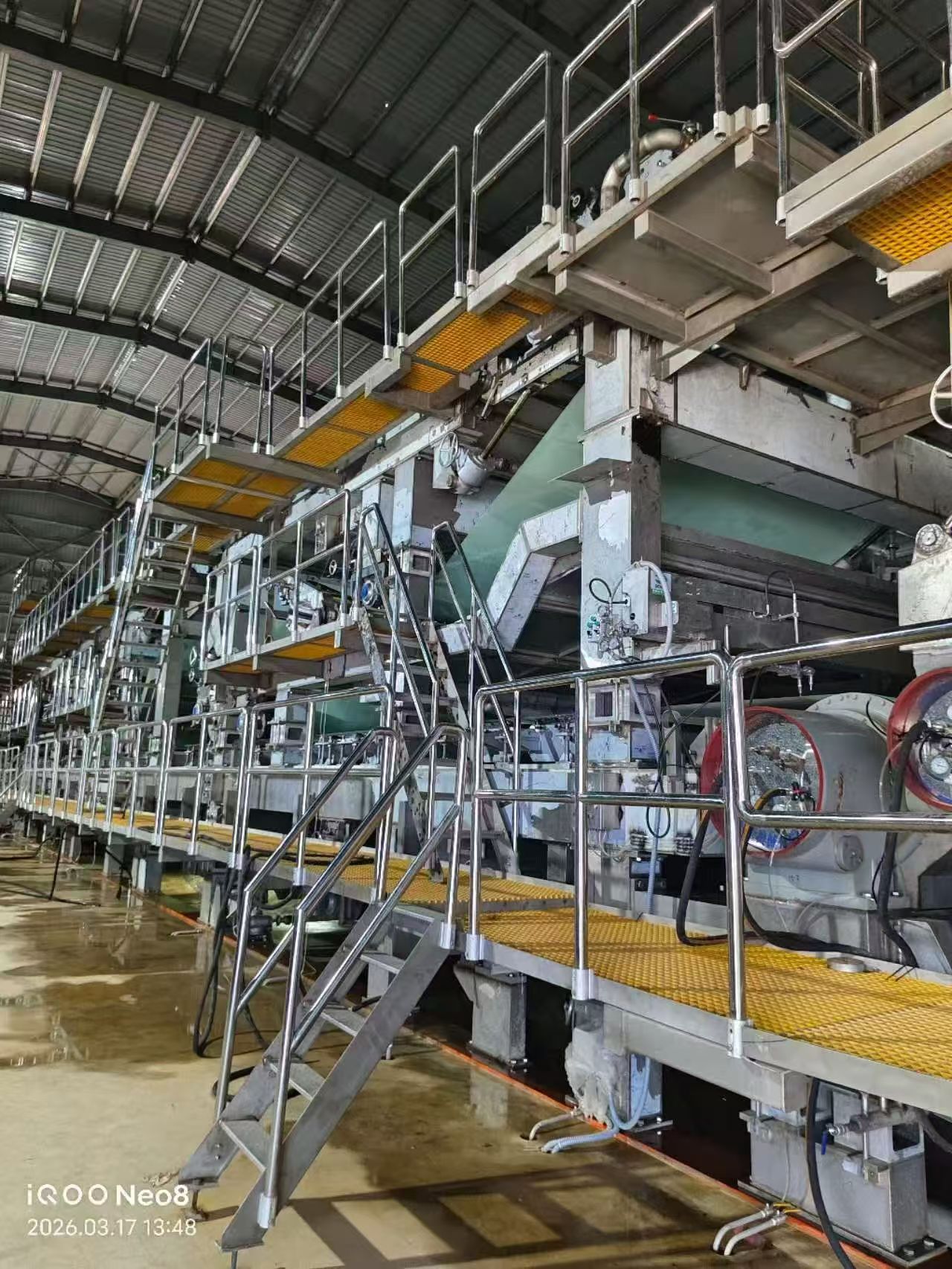
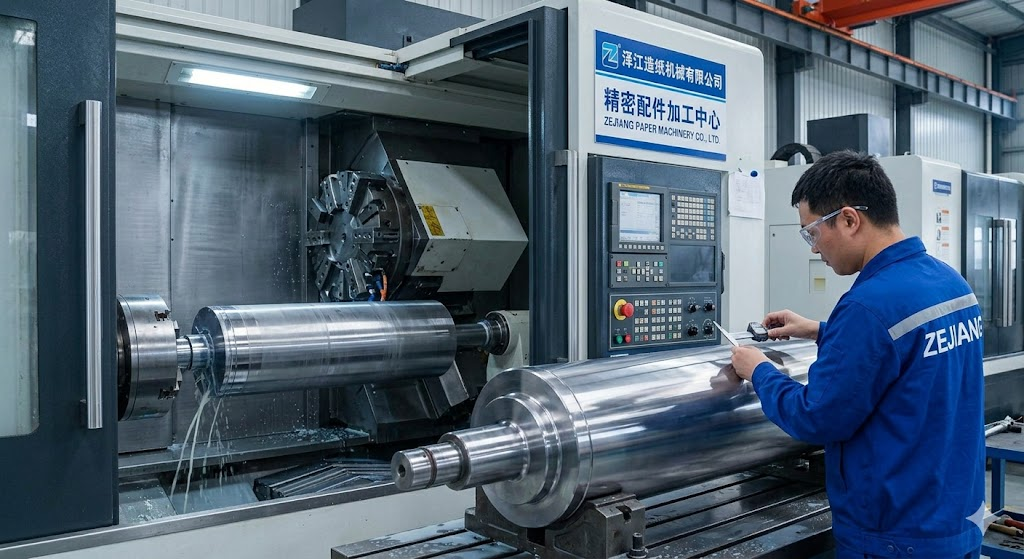
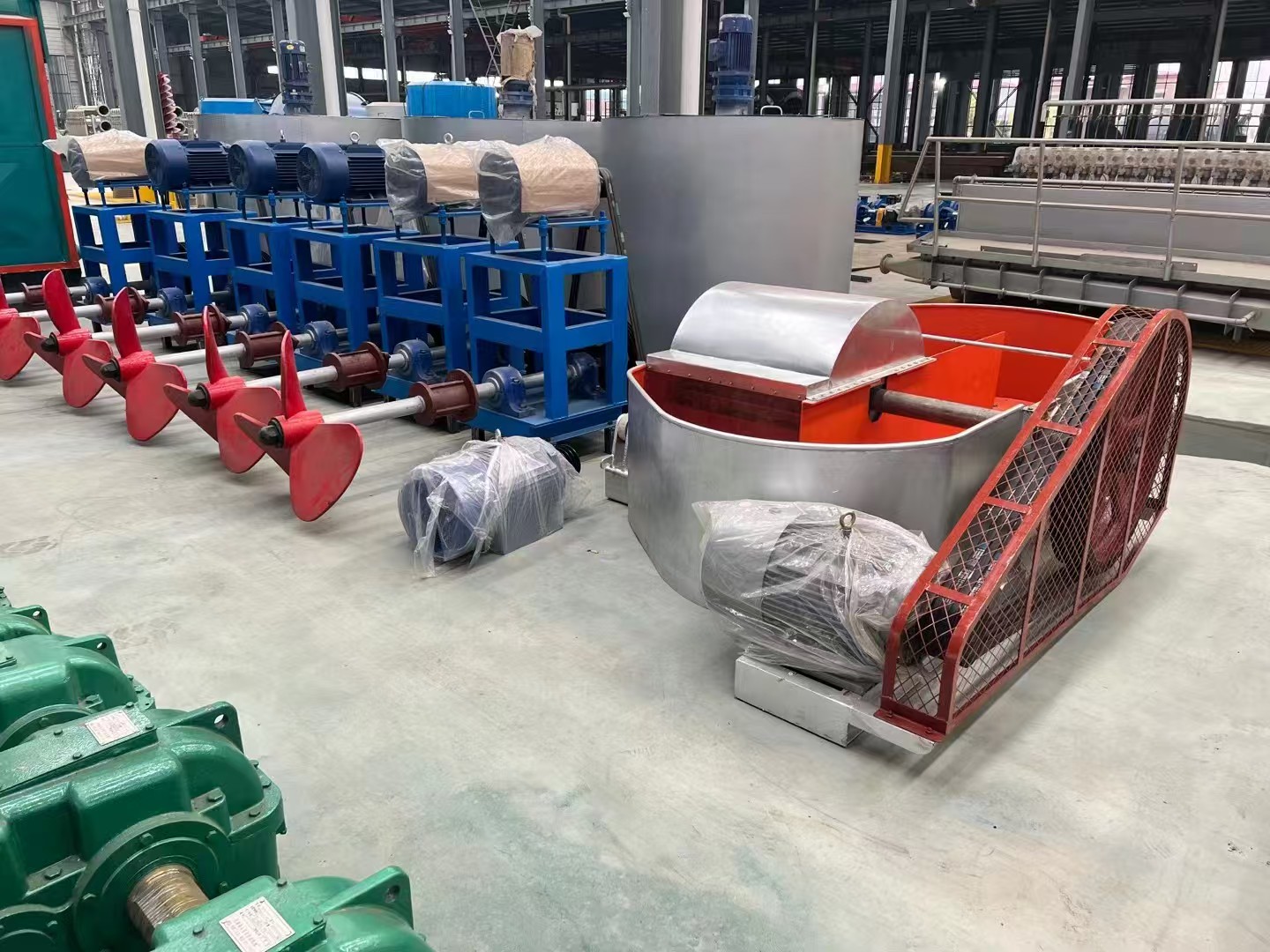
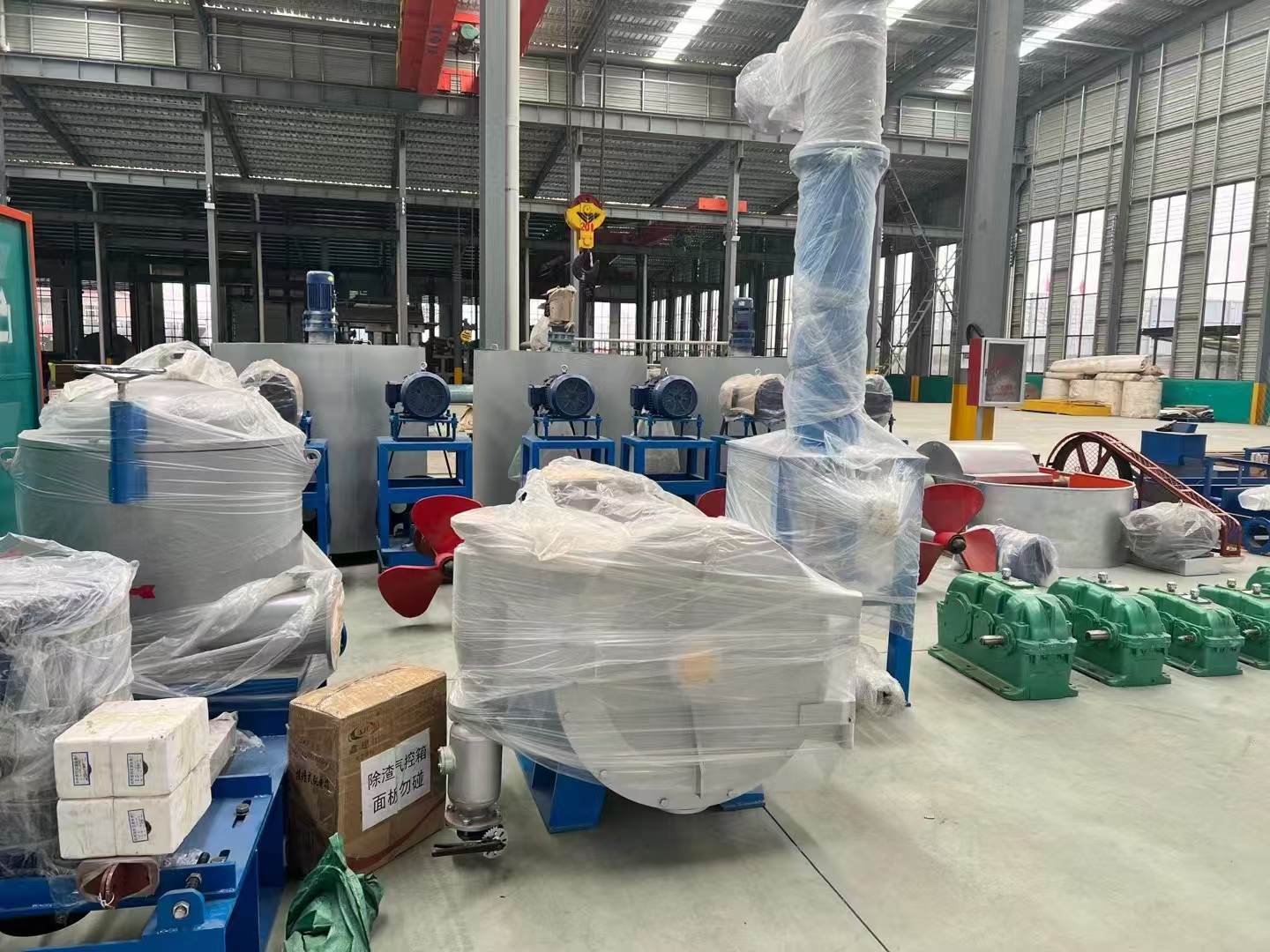
Actual photographs from our factory and construction site. These stock-preparation and paper machine lines are engineered, built and dynamically balanced at our facility prior to delivery, and the same team that manufactures the pulper, cleaners and screens oversees all site erection and startup operations.
Since we produce the pulper, cleaners, screens and thickeners used in this line ourselves (we don’t resell equipment from third parties), replacement spare parts (screen baskets, refiner plates, pump liners, etc.) are sourced from the same facility that manufactured the original line, which greatly reduces lead times in the event of a mid-production requirement.
Interested in the complete equipment specifications and spare parts list before submitting a quote request?
Request Full Specs & Parts List →
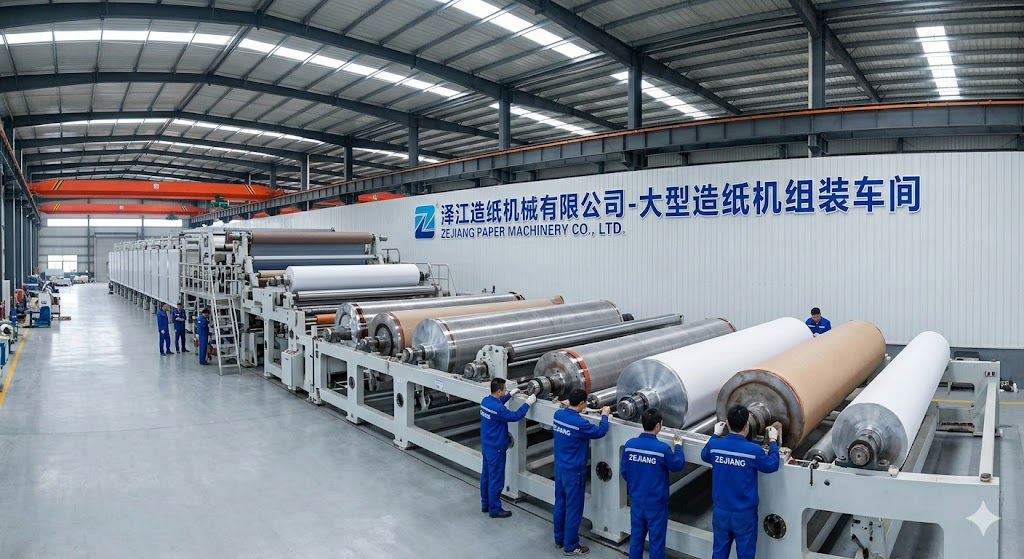
Production floor, paper machine and stock-prep line assembly, Henan factory
Online OCC Line Engineering & Sizing Tools
TOOL 01 // SIZING
Capacity Tier Finder
Range: 10 – 300 MTPD Constant Output
Calculate the required stock preparation scale based on your target paper machine output and shift operational hours.
TOOL 02 // VALIDATION
Right Category Checker
Mill-Feed vs. Commercial Waste
Validate whether your target feedstock and budget align with industrial continuous pulping lines rather than small-scale baling equipment.
TOOL 03 // PROCESS
Brown vs. White Line Checker
Application: Testliner / Fluting / Kraft
Assess the economic impact of skipping the deinking stage for packaging grades and measure resulting effluent treatment load reductions.
Frequently Asked Questions
No. OCC and mixed-waste lines omit this stage, as it’s necessary only for deinked lines processing white waste to produce office paper, newsprint, or tissue products. Excluding this step contributes to a lower capital cost and smaller water and sludge treatment requirements for a brown line.
10 to 300 TPD. We typically quote mills in the 30 to 100 TPD range — smaller and larger configurations available on request.
No. Small office-paper recycling machines can process a few pounds of paper at a time and are suitable for home or school use or for product demonstrations. Unlike those units, this is an industrial stock-preparation line built for a regional or industrial buyer running an operating paper machine on a multi-tonne per day basis, not a desk or a classroom.
Stock preparation – the pulper, cleaners, screening, and thickening shown on this page – typically represents 12 to 18% of the overall project cost of a recycled-paper facility, far less than that of the paper machine itself. We’d be pleased to prepare a quote that includes a cost breakdown based on your intended capacity and grade, so you can see where the budget actually goes before committing to a spec.
Yes. We precisely match the pulper, cleaners and approach-flow delivery to the throughput and consistency specifications of your existing paper machine, whether you’re replacing an older stock-prep line or adding OCC capacity alongside a virgin-fibre line. Tell us the make and approach-flow consistency of your current machine and we’ll confirm fit before you commit to a spec.
![Refiner Plates & Screen Baskets [Complete Guide]](https://zjpapermachine.com/wp-content/uploads/2026/07/refiner-plates-screen-baskets-guide-featured-150x150.png)
![Doctor Blade: Types, Materials & How It Works [Guide]](https://zjpapermachine.com/wp-content/uploads/2026/07/doctor-blade-guide-featured-1-150x150.png)
![Pulping Equipment: How Paper Pulping Works [Guide]](https://zjpapermachine.com/wp-content/uploads/2026/07/pulping-equipment-guide-featured-150x150.png)