Get in touch with Zejiang Paper Machinery Company

Press Felt & Dryer Fabric for Paper Machines — Endless, Seamed & Spiral, OEM-Matched
Paper machine clothing engineered by the manufacturer that also builds your press rolls and dryer cylinders. We match press felts and dryer fabrics to your press and dryer sections – every paper grade, every machine make – and ship worldwide with a 24-hour quote.
Solution summary
- Two families, one source: needled press felts for the press, woven and spiral dryer fabrics for the dryer.
- Engineered from your base structure (single, double, laminated) and a needled batt by paper grade, speed, and nip load – we advise on selection, not just the highest gram weight.
- Woven or seamed, Polyester, Polyamide, PPS and PEEK monofilaments, so the fabric stands up to temperature and hydrolysis of the dryer section.
- Endless or seamed, made to your machine width, roll diameter, and seam style – fits Valmet, Voith, Andritz, as well as rebuilt or second-hand machines.
Why the Right Press Felt & Dryer Fabric Decides Your Dryness, Speed and Steam Bill
SYSTEM SPECIFICATION / 01
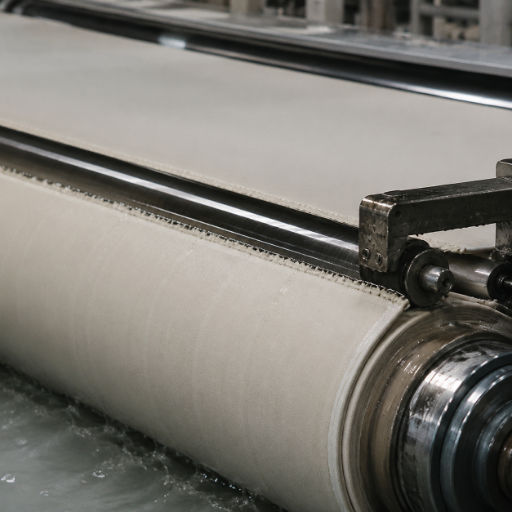
A press felt is a needled fabric that conveys the wet paper sheet into the press nip, expressing water; a dryer fabric holds that sheet flat against the dryer cylinder as the final drying step occurs. Alongside the forming fabric which filters water out to create the paper web, these are the three high-engineered technical textiles that together are known as paper machine clothing – the “skin” your sheet must ride upon from headbox to reel. Correct clothing can result in a fast-drying, high-speed machine running with consistent moisture. The opposite applies, and the sheet begins to fight the rolls.
PROCESS INSIGHT
This is a vicious cycle, where most mills become trapped. When a paper machine’s bottleneck is in drying and speed is decreasing, a typical knee-jerk reaction is to increase the steam rate. However, the water which the failed press felt failed to extract does not simply evaporate, but re- wets the sheet immediately beyond the press nip, entering the dryer section already at a higher initial moisture level. The required amount of steam to evaporate this extra moisture then increases and the machine is slowed to regain its target moisture profile. Any clogged, compressed, or incorrectly specified press felt will systematically cap your production capacity and raise steam consumption without immediate alarm. Dryer fabrics can fall into a similar pattern, if an improper air permeability or hydrolysed, hardened surface creates an imbalanced drying and uneven Sheet.
SYSTEM SPECIFICATION / 02
Our engineering effort focuses on prevention of this problem. Whether we are replacing one press felt on a paper board machine, or producing a full suite of woven and spiral dryer fabrics for a tissue operation, our approach to the design process and to each specific paper grade remains consistent. We will engineer for your press and dryer sections – for your unique machine width and geometry – ensuring the appropriate base, batt weight and air permeability, with endless or seamed delivery options to best suit your scheduled maintenance windows. Here, we elaborate on the fabrics we offer and their specifications, on selection by paper grade, on the endess-or seamed andwoven-versus-spiral decisions, our materials selection and quality systems, and our ordering and delivery process.
PROCESS INSIGHT
Counter-intuitive, worth knowing: the highest-performance press felt is not automatically the right one. A dense, fine-batt felt built for a fast fine-paper machine can actually dewater worse on a slow packaging or board line, because it blinds and loses permeability before its wear life is up. The correct felt is the one matched to your grade, basis weight, speed and pressing type — which is a conversation about your machine, not a line off a catalogue.
Our Press Felts & Dryer Fabrics — Types, Structure and Specifications
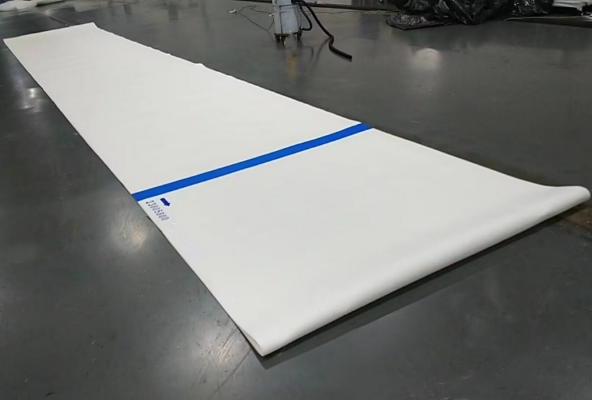
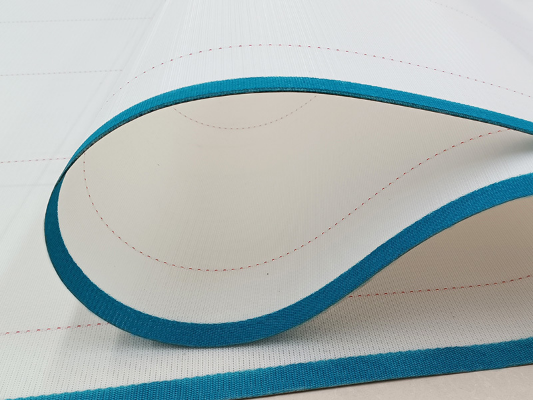
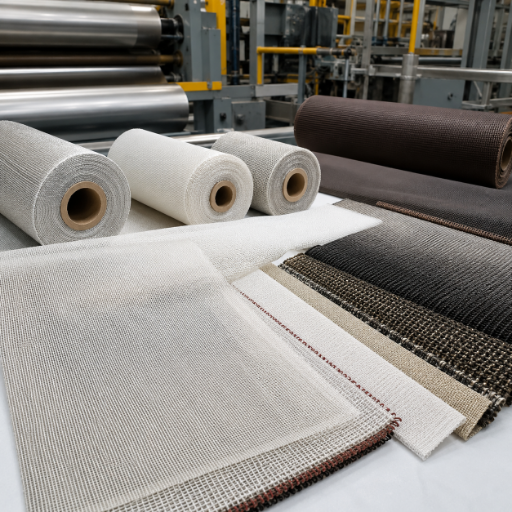
We manufacture two similar but different groups of paper machine felts. Press felts are the yielding, needled cloths which remove water from the sheet in the press section, per forming the dewatering function of the paper machine. Dryer felts-often called dryer fabric or dryer screen-are open, heat-resistant fabrics that support the sheet on the dryers. Both types are woven and finished to your specific machine, rather than taken off a rack. For the shoe press positions, we also provide highly engineered press belts; and both cloths and belts are specifically tailored to the position in which they run.
Press felts — base fabric plus needled batt
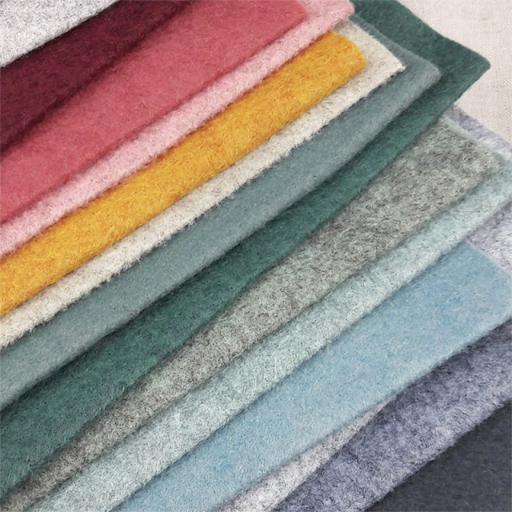
A press felt is actually a two-piece garment. Its foundation is a woven fabric of polyamide and polyester yarns, its filling and warp woven either as a single or double fabric, or laminated, to withstand the press load, hold tension and rebound. We then needle one or more layers of fine staple-fiber batt onto this base structure. This batt layer forms the smooth paper side which makes contact with the sheet, and which controls water take-up and release through the nip. More open, coarse batt constructions provide high flow rate and dry faster on the heavy grades of paper machine; the denser, finer batt formulations produce a smoother sheet surface on the finer grades. Overall performance of a press felt in removing water depends on its ability to remain permeable under load-which is why two felts of the same basic weight may behave differently.
| Type | Base construction | Typical weight (g/m²) | Yarn / material | Seam | Best-fit grades & speed |
|---|---|---|---|---|---|
| Standard press felt | Single or double base fabric | 1000 – 1800 | Polyamide + polyester | Endless | Packaging, corrugated, board · low–medium speed |
| Laminated press felt | Laminated multi-base + fine batt | 1200 – 2000 | Polyamide, fine PA batt | Endless | Fine paper, cultural, high speed · uniform pressing |
| Seam (pin) press felt | Pin-seam base + batt | 1000 – 1700 | Polyamide + polyester | Pin seam | Rebuilds & retrofits needing fast install |
Dryer fabrics — woven and spiral
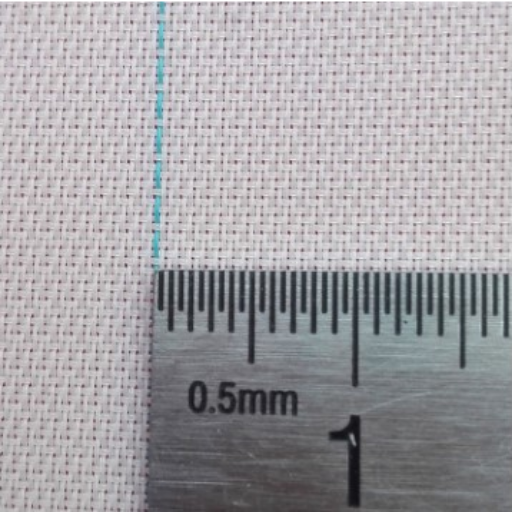
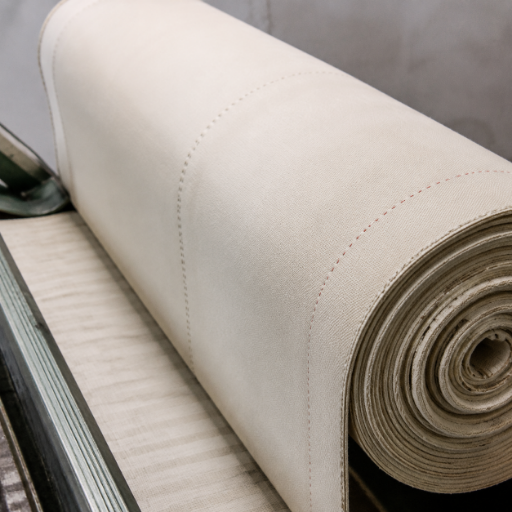
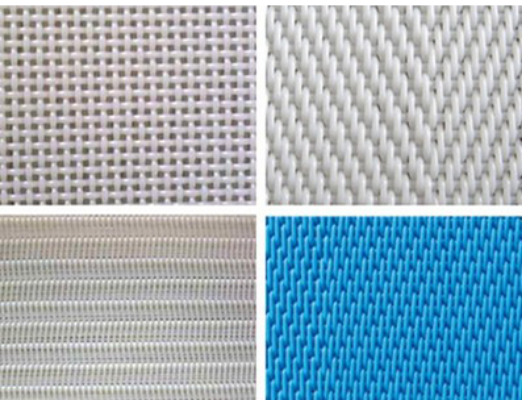
In the dryer section the emphasis shifts from water removal to keeping the sheet flat and permeable to the evaporative flow of moisture while protecting the sheet from contact with hot cylinders. We have two primary construction types. Our woven dryer fabrics are ideal for providing sheet support with minimum surface marking on the fine grades; our spiral dryer fabrics, built from interwoven, spiral wires, provide high airflow and superior durability for use on the fast-growing early positions of the dryers. Selection of materials is based on the temperature requirements: polyester on standard and moderate heat dryers; PPS for high-temperature or wet dryers; PEEK on high temperature positions and especially on wet applications.
| Dryer fabric | Structure | Air permeability | Material by temperature | Best-fit dryer zone |
|---|---|---|---|---|
| Woven dryer fabric | Flat woven monofilament mesh | Medium, controllable | PET / PPS | Finishing & surface-critical drying |
| Spiral dryer fabric | Interlocking spiral coils | High | PET / PPS | Early & high-permeability drying zones |
| High-temperature dryer fabric | Woven or spiral | Medium–high | PPS (~185°C) / PEEK | Hottest / condensate-heavy positions |
How to Select Press Felt and Dryer Fabric by Paper Grade
By far the costliest mistake you can make in paper machine clothing is selecting a Fabric on the basis of weight or price alone, rather than by the actual work it has to do. A felt that works beautifully on a fast tissue machine can clog up and lose its dewatering capability on a slower OCC paper production. True Selection requires correlating five Variables with one of our standard base Fabrics-your Paper grade, Basis weight, speed of your machine, your Pressing and Dryer configuration and your Cleaning Methods. You may want to use the chart below as a general guide line; but, let us tailor it to the precise needs of your equipment.
SELECTION MATRIX | FABRIC & GRADE
| Paper grade | Typical speed | Press felt build | batt / paper side | Dryer fabric | Dryer material |
|---|---|---|---|---|---|
| Kraft / corrugated / testliner | Low – medium | Single or double base, open | Coarser, high water flow | Spiral (early), woven (finish) | PET, PPS in hot zones |
| Duplex & packaging board | Medium | Double base, medium batt | Balanced flow / surface | Spiral + woven mix | PET / PPS |
| Cultural / printing / fine paper | Medium – high | Laminated base, fine batt | Fine, smooth paper side | Woven | PET, PPS for coated dryers |
| Tissue / MG | High | Light laminated, high rebound | Fine, fast-releasing | Spiral (high permeability) | PPS / PEEK |
| Newsprint | High | Double base, uniform | Medium-fine | Woven / spiral | PET / PPS |
View this as a decision process. Run a medium speed board or kraft machine, and currently have a working felt? Stick with a double-open-base construct and a coarser batt – thus you retain water flow and do not blind early. Beginning or rebuilding a fine paper or tissue machine and sheet surface and release quality are key? Consider a laminated base with a fine batt and, on the machine, a high permeability spiral fabric in PPS on the dryer. The mills we partner with are almost all in a hybrid configuration between their various sections, and that is why you want to partner with a manufacturer who makes all weaves rather than trying to force fit you into their house product.
Before we ever give you a price on a felt, we will always request the grade, machine speed and pressing type from you. After all, on a machine limited by its drying capacity, the price of a felt which blinds in two weeks is much lower than the lost machine speed and steam.
Endless vs Seamed · Woven vs Spiral · Full-Line Maker vs Fabric Trader
Three selections determine how fabric goes in, performs, and how long it works. No choice is “best” intrinsically.Each one is a compromise against downtime, grade, and risk. Here’s how we discuss it using facts, not slogans:
It’s that last row that buyers discount. A press felt or dryer fabric is no more than the suitability of its application in the press or the dryer. Its ‘width’ means nothing to the roll wrap, the nip, the geometry of the dryer, the seam and the drive side. Since Henan Zejiang design and manufacture full paper machines – with press rolls, vacuum rolls, couch rolls and dryer cylinders as an integral part – your cloth is selected against your own application, not a generalized ‘width.’ And should you be refurbishing sections during the same rebuild, your new Henan Zejiang dryer cylinders, Yankee cylinders and press rolls will be built to the same drawings as the cloth, from one source and to a single set of tolerances. A fabric supplier – however fine their cloth – can’t deliver this.
Not sure which combination fits your line?
GET A FABRIC COMPARISON FOR YOUR MACHINE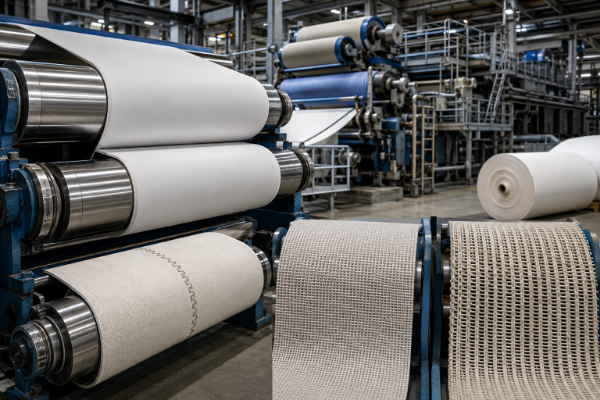
| Decision | Option A | Option B | How to choose |
|---|---|---|---|
| Press felt seam | Endless — no seam, most uniform pressing, longest service life | Pin-seam — installs without threading the machine, big downtime saving | Endless for high-speed & mark-sensitive grades; seam for retrofits and tight maintenance windows |
| Dryer fabric structure | Woven — controlled contact, fine surface finish | Spiral — higher air permeability, hard-wearing in harsh zones | Woven on finishing/coated positions; spiral on early, high-permeability drying |
| Supplier type | Full-line paper machine maker (us) — matches felt to the press rolls and dryer cylinders it also builds | Pure fabric trader — sells cloth, does not know your machine’s rolls or drying section | Full-line maker when fit, matching and install support matter — which on a replacement is almost always |
Field Results, Applications and the Real Cost of Paper Machine Clothing
OPERATIONAL COST INSIGHT
Paper machine clothing is just another item on your PO but it’s a big driver on operating costs. You might get through months and years of the felt/fabric for far less money than you spend in lost production in the press section and a year’s worth of press clothing and still be losing far more production from low speed. Therefore you must have excellent clothing that delivers superior moisture removal at higher speeds. That’s why you’ve got to make decisions in buying clothing on the total picture of its performance in operation, not on the price alone.
THE MOISTURE CHAIN
Think about the moisture chain. Sheets spend most of their press section life at around 50-70% moisture and should leave the section at around 10-20% moisture before the dryer takes over. Every single atom of moisture that the press felt will not be extracted by the press is left to evaporate in the dryer section with steam—and evaporation costs far more than pressing. A felt that maintains its permeability and dewaters to target level will keep the dryer load down, the machine speed up and the steam bill flat. A dryer fabric that achieves the desired permeability and heat resistance will maintain even drying, which will preserve sheet quality and eliminate breaks. This is the reality behind ‘the felt saved us money’—not magic, just where the energy is expended.
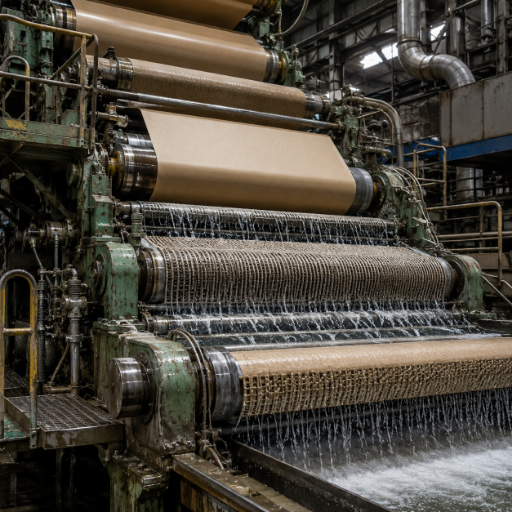
Packaging & recycled board
Open, durable press felts and tough spiral dryer fabrics that shrug off contaminant load and high water throughput on OCC and testliner lines.
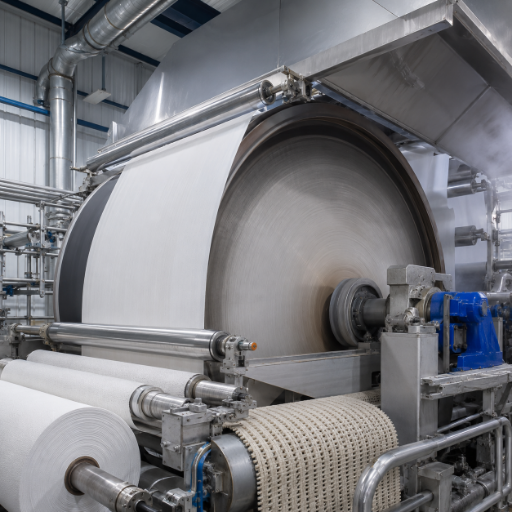
Tissue & MG
Light, fast-releasing felts and high-permeability PPS/PEEK spiral dryer fabrics matched to Yankee and hood drying.
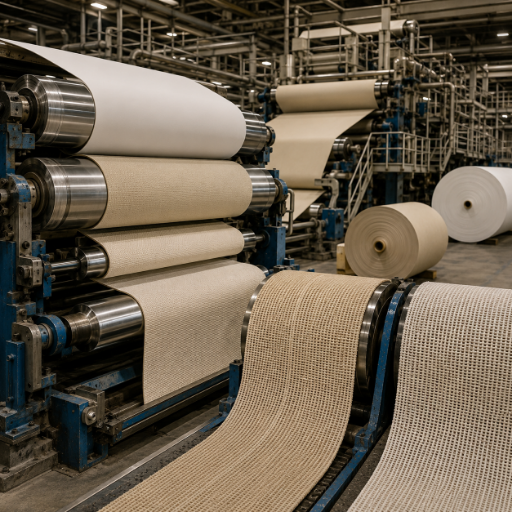
Kraft, cultural & newsprint
Double-base felts and woven dryer fabrics tuned for surface, uniformity and long, stable runs.
Zejiang supplies press felts, dryer fabrics and complete paper machine clothing to paper, tissue, packaging and recycling mills in the Far East, South America and the Middle East. Because we also design and rebuild the machines the fabrics run on, we see the way a felt behaves in practice and feed that back into the next criteria for specification—a process cycle that a fabrics-only supplier fails to complete.
Materials, Standards and Quality Control
The difference in the performance of a felt that lasts its intended life and one that fails prematurely is based on the yarn quality and finishing applied—not the weave style shown in a brochure. Paper machine clothing is exposed to hot water, steam, heat and sliding motion so its selection must be based primarily on a fabrics’ ability to survive there.
| Material | Key property | Where we use it |
|---|---|---|
| Polyester (PET) monofilament | High tensile strength, dimensional stability, abrasion resistance | Base fabrics, standard dryer fabrics |
| Polyamide (PA / nylon) | Toughness, elasticity, rebound under nip load | Press felt base and batt |
| PPS (polyphenylene sulfide) | Temperature resistance to ~185°C and resistance to hydrolysis — it keeps flexibility and strength in hot, wet dryer positions | High-temperature dryer fabrics |
| PEEK | Retains high strength at the highest dryer temperatures | Hottest dryer zones |
| Cotton / wool | Absorbency, softness — legacy fibres | Niche and specialty grades |
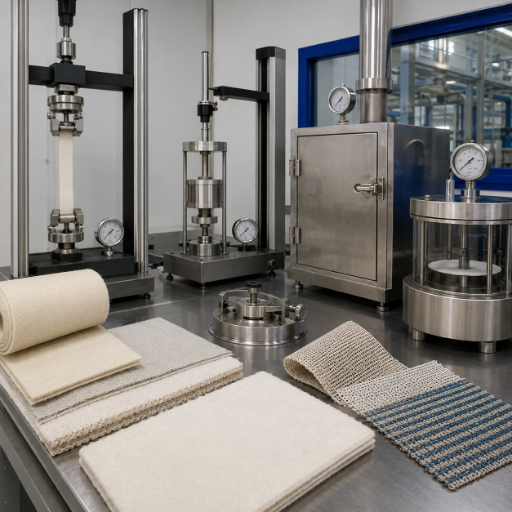
All of our fabrics are controlled for parameters we believe will determine the service life, namely shrinkage under heat, tensile strength and elongation and air permeability, with records kept on each order to allow audit against these factors—not just take our word for it.
ISO 9001
Quality management system
Tensile & elongation
Yarn & fabric control
Shrinkage / heat-set
Dimensional stability
Air permeability
Tested per build
PPS / PEEK
Hydrolysis & heat resistant
Procurement Guide — How to Specify, MOQ, Lead Time and After-Sales
The websites of most suppliers of fabric end with “contact us for a quote”. That is because most of those suppliers have to check with the yarn supplier first—the one that would tell you to send the data they never asked for, so they can be quoting based on something irrelevant to your application. This is what impacts the cost and leads to delays, so you can collate and send it all to one source once and quote through e-mail fast.
PROCUREMENT SPECIFICATIONS MATRIX
| What we need from you | Why it drives the fabric & the quote |
|---|---|
| Machine width & fabric length (roll wrap / circumference) | Sets the woven size — the single most common cause of a fabric that will not fit |
| Paper grade, basis weight & machine speed | Drives base construction, batt weight and permeability |
| Position (which press nip or dryer group) | Decides press felt vs woven vs spiral dryer fabric, and material |
| Seam type (endless or pin-seam) & downtime window | Determines installation method and lead time |
| Dryer temperatures & existing fabric brand | Chooses PET vs PPS vs PEEK and lets us match your current position |
Fabric Engineering & Specification Tools
Utilize our digital configuration tools to determine the precise press felt and dryer fabric parameters for your paper machine. Match your machine dimensions, drying sections, and press types to build technical specifications for accurate RFQ generation.
TOOL / 01
Press Felt & Dryer Fabric Selector
Input your paper machine class, speed, and paper grade to instantly configure the ideal woven or spiral fabric structures and material specifications.
LAUNCH SELECTOR
→
TOOL / 02
Fabric RFQ Spec Builder
Generate a comprehensive Request For Quotation (RFQ) document by compiling your specific machine dimensions, nip loads, and permeability requirements.
BUILD SPECIFICATION
→
Get paper machine clothing built for your machine
Let us know your machine width, grade, speed and the position you are clothing – or just the brand and vintage of your machine and the fabric you are replacing – and we will specify and quote your press felt or dryer fabric.
![Refiner Plates & Screen Baskets [Complete Guide]](https://zjpapermachine.com/wp-content/uploads/2026/07/refiner-plates-screen-baskets-guide-featured-150x150.png)
![Doctor Blade: Types, Materials & How It Works [Guide]](https://zjpapermachine.com/wp-content/uploads/2026/07/doctor-blade-guide-featured-1-150x150.png)
![Pulping Equipment: How Paper Pulping Works [Guide]](https://zjpapermachine.com/wp-content/uploads/2026/07/pulping-equipment-guide-featured-150x150.png)