
Get in touch with Zejiang Paper Machinery Company


Last updated: October 2026
The best tissue paper machine manufacturers depend on the mill: Valmet for several premium tissue technologies, ANDRITZ for integrated line discussions, Toscotec for tissue and drying systems, and Guangmao for a specified small cylinder-mould configuration. Zejiang offers forming equipment and related components. Compare proposed grades and the machinery scope before settling on a supplier.
A fundamental difference when purchasing a tissue making machine is whether the machine makes a sheet from pulp or processes a paper roll that someone else made. A parent-roll mill requires stock preparation, forming, drying and reeling. A paper converting machine starts further downstream. Confusing those jobs leads to the wrong companies and an incorrect assessment of machine prices.
Quick Picks
- Best for premium tissue process choices: Valmet
- Best for integrated stock-to-roll projects: ANDRITZ
- Best for drying-centered tissue line selection: Toscotec
- Best for a published small cylinder-mould model: Guangmao
- Best for custom machinery in an existing building: Jiacheng
- Featured forming-equipment and component supplier: Zejiang
Disclosure: This guide is published by Zejiang. We list ourselves first because this is our website, not because we think we lead the market. The other 19 manufacturers are grouped by what they’re best for, in no particular order within each group.
How We Selected These Tissue Paper Machine Manufacturers
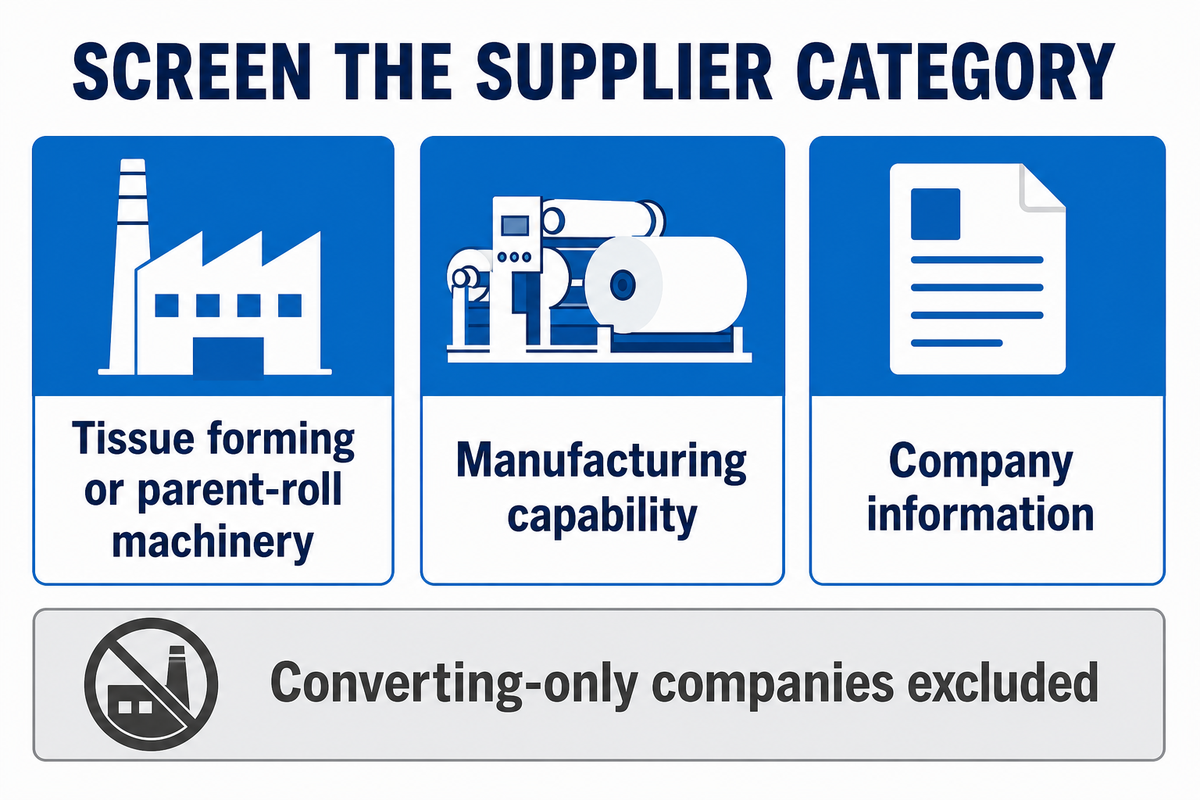
We evaluated manufacturers that published evidence of tissue forming or parent-roll machinery, demonstrated manufacturing capability and had available company information. We excluded trading companies, distributors, sourcing platforms, media websites, directories, used-equipment dealers and converting-only companies. Company information was verified on public and company websites in October 2026. This list is representative, not exhaustive, and the numbers indicate entries, not a ranking.
Tissue paper manufacturers that make finished paper are different from the companies listed that make the machines used in papermaking. A paper napkin making machine can fold and cut purchased tissue. A paper rewinding machine prepares rolls. Neither function alone establishes a pulp-to-parent-roll manufacturing offer. For paper making equipment serving other grades, see our broader pulp and paper Equipment Manufacturing Company directory.
Tissue Paper Machine Manufacturers at a Glance
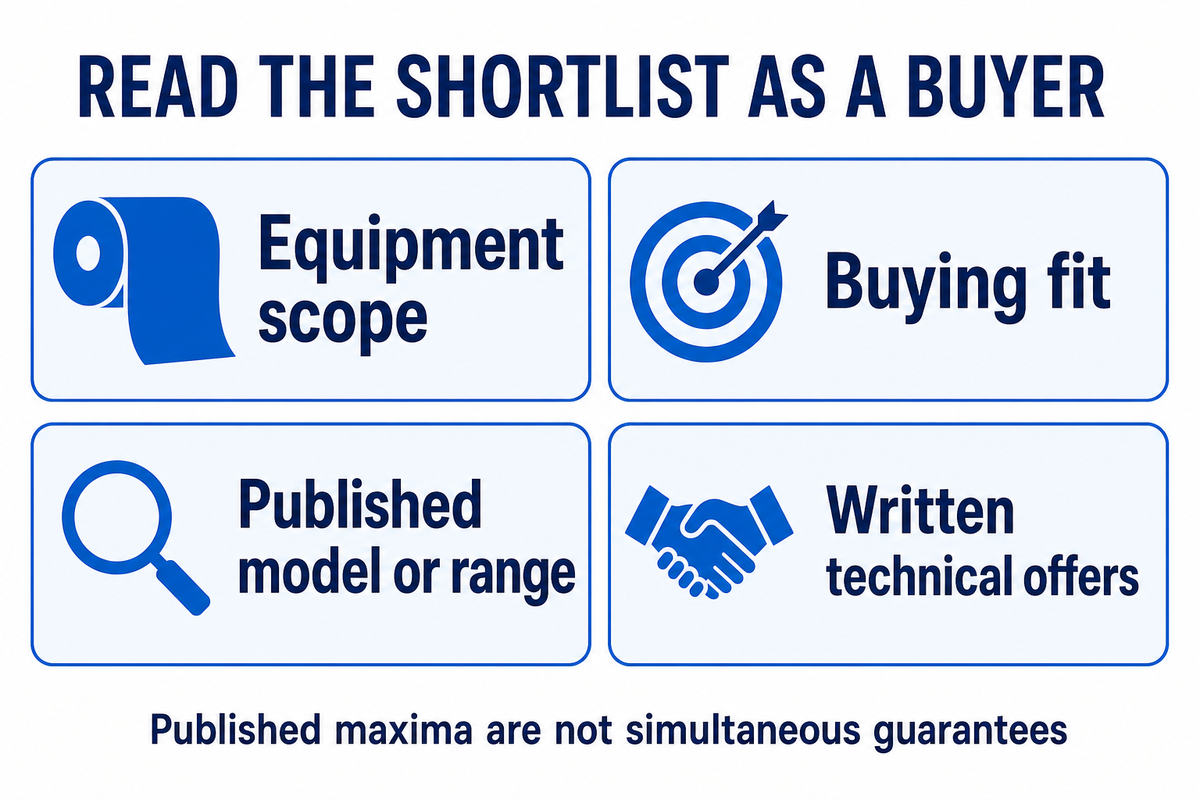
The table compares equipment scope and buying fit. Published specifications refer to the cited model or range, not guaranteed simultaneous maxima. The company profiles explain the associated process and furnish boundaries. Use the shortlist to identify suitable enquiries before comparing written technical offers.
Parent-Roll Supplier Shortlist
The Parent-Roll Supplier Shortlist matches manufacturers with forming platforms and documented capabilities and one buying limitation.
Manufacturer locations, dates and descriptions of the forming platforms are published by the manufacturers. Dates with a qualifier describe a predecessor or business origin. Capacities are for specific configurations and aren’t standard across suppliers. To see all information, you may need to scroll right.
| No. | Company Name | Headquarters | Founded Year | Best For | Brief Introduction | Forming and Drying Platform | Key Advantages | Potential Disadvantages | Official Website |
|---|---|---|---|---|---|---|---|---|---|
| 1 | Zejiang | Qinyang, Henan, China | 2014 | Tissue projects needing matching forming equipment and mill components | Cylinder mould and crescent former tissue machines | Cylinder mould / crescent former | Matched forming and component discussion | Project-specific package boundary | https://zjpapermachine.com/ |
| 2 | Valmet | Espoo, Finland | 2013 (current company; older industrial roots) | Premium tissue platform selection and pilot trials | Advantage DCT, IntelliTissue, NTT, QRT, eTAD and TAD | Conventional / hybrid / TAD | Pilot trials and several tissue processes | Process choice changes mill requirements | https://www.valmet.com/ |
| 3 | ANDRITZ | Graz, Austria | 1852 | Integrated stock preparation and tissue machine projects | PrimeLine conventional, textured and structured tissue machines | PrimeLine conventional / textured / structured | Stock preparation and machine integration | Select model against grade and trim | https://www.andritz.com/ |
| 4 | Toscotec | Lucca, Italy | 1948 (Officine Meccaniche Toschi roots) | Tissue machines with an integrated drying-system approach | AHEAD tissue machines, steel Yankees and drying systems | AHEAD 2.2L example: 5,600 mm trim, 2,200 m/min design speed | Distinct models with integrated drying systems | Wide and narrow models differ | https://www.toscotec.com/ |
| 5 | Overmade | Settimo di Pescantina, Verona, Italy | 2015 (Overmade; predecessor Over Meccanica 1961) | Crescent forming built around a matched headbox | OVERFORMER CR, Dynaflo headboxes and tissue machines | OVERFORMER CR / separate TAD models | Matched Dynaflo headbox and former | TAD and conventional figures differ | https://www.overmade.it/ |
| 6 | Hergen | Rio do Sul, Santa Catarina, Brazil | 1975 (company-stated tissue machinery origins) | Tissue projects with substantial Yankee engineering | Tissue machines, stock preparation and Yankee dryers | Yankee manufacture up to 24 ft diameter and 6,500 mm face | Large Yankee manufacturing envelope | Cylinder handling needs site planning | https://www.hergen.com.br/ |
| 7 | Parason | Chh. Sambhajinagar, Maharashtra, India | 1976 | Tissue mills combining stock preparation with machinery supply | Tissue machinery, stock preparation, headboxes, Yankees and Pope reels | Crescent former / Yankee / Pope reel | Tissue machinery and upstream stock preparation | Capacity tiers need grade-specific operating conditions | https://www.parason.com/ |
| 8 | Baotuo | Nanhai, Foshan, Guangdong, China | 2007 | Chinese machinery platform choices across tissue processes | BC crescent formers, SF suction machines and TAD tissue machines | BC crescent / SF suction / TAD | Several forming and drying choices | Process routes require different utilities | https://www.baotuomachine.com/ |
| 9 | Kawanoe Zoki | Shikokuchuo, Ehime, Japan | 1944 | Japanese engineering for compact tissue machine projects | BestFormer, BestFormer Advance and licensed Valmet Advantage DCT | BestFormer / licensed Advantage DCT | Own platform plus licensed alternatives | Licensed and own platforms differ | https://www.kawanoe.co.jp/ |
| 10 | Shandong Xinhe | Liaocheng, Shandong, China | 1999 | Wider crescent-former machinery proposals | Crescent former tissue machines and papermaking equipment | Crescent former, 2,800–5,600 mm | Foundation drawings and training support | Width range covers multiple configurations | https://www.sdxinhe.com/ |
| 11 | Shandong Hicredit | Weifang, Shandong, China | Not publicly disclosed | High-speed crescent forming with easier fabric access | High-speed crescent former tissue machinery | Crescent former, 2,650–5,600 mm trim; 1,200–2,000 m/min operating range | Cantilever access and reel-spool feeding | Match maximums to one grade | https://en.hicredit.net.cn/ |
| 12 | Shaanxi Bingzhi | Xi’an, Shaanxi, China | 2013 | Tissue machinery with clearly separated optional systems | Crescent former tissue machines and tissue line rebuilds | Crescent former, 1,880–5,600 mm | Base machine and optional systems separated | Major supporting systems are optional | https://tissue-machines.com/ |
| 13 | Leizhan | Zhengzhou, Henan, China | 1980 (Hongda predecessor origins) | Small crescent projects alongside pulp preparation | Pulp preparation and crescent former tissue machinery | 15 t/d crescent model: 2,580 mm, 30 g/m², 380 m/min | Published small-line duty conditions | Capacity tied to 30 g/m² | https://www.leizhanworld.com/ |
| 14 | Jiacheng | Yancheng, Jiangsu, China | Not publicly disclosed | Tissue machines fitted to an existing building layout | Custom crescent former tissue machines and paper-machine components | Custom crescent former / Yankee | Existing-building engineering review | No fixed catalogue speed or output | https://jiachengpaper.com/ |
| 15 | Qinyang PingAn | Qinyang, Henan, China | 1985 | Tissue projects within a broader paper-mill equipment program | Tissue, packaging, cultural and specialty paper machines | Tissue line below 20,000 t/year | Design, inspection and worker training | Published tissue category has annual-output boundary | https://www.paper-makingmachine.com/ |
| 16 | Dingchen | Zhengzhou, Henan, China | Not publicly disclosed | Mid-capacity tissue projects using specified pulp furnish | Crescent former tissue machines and other paper machinery | Crescent range: 25–50 t/d, 2,850–3,600 mm, 500–1,000 m/min working | Furnish-specific published model envelope | Working speed differs from design speed | https://www.chinapapermachinery.com/ |
| 17 | Guangmao | Zhengzhou, Henan, China | 1982 | Small-output cylinder-mould tissue production | Small cylinder-mould tissue machines and other paper lines | Cylinder model: 6–7 t/d, 2,100 mm, 100–180 m/min; 1,500 mm mould, 2,500 mm dryer | Specific small-output cylinder model | Lower-speed cylinder-mould production class | https://www.gmpapermachine.com/ |
| 18 | Aotian | Qinyang, Henan, China | 1985 | Buyers comparing multiple forming layouts | Cylinder, Fourdrinier and crescent tissue machinery | Cylinder / Fourdrinier / crescent range: 787–3,500 mm | Several forming layouts in one range | Ratings customized after platform selection | https://www.aotianintl.com/ |
| 19 | Qinyang Qinke | Qinyang, Henan, China | Not publicly disclosed | Conventional tissue equipment with refurbishment support | Tissue paper machines, cylinder mould and Fourdrinier equipment | Conventional tissue / machine components | Renovation and component manufacturing | General range requires matching interfaces across multiple paper grades | https://www.qkzzjx.com/en/ |
| 20 | Qinyang City Friends | Qinyang, Henan, China | Not publicly disclosed | Compact pulp-to-parent-roll machinery proposals | FRD crescent former tissue machines and pulp-to-roll lines | Crescent former / sectional drive | Process sections explicitly identified | Access and roll handling need layout attention | https://www.frdpapermachinery.com/ |
Corporate groups are counted once. A.Celli Paper is included under ANDRITZ. Toscotec represents the Voith Group’s new tissue-line and major-rebuild business, and its Recard brand and intellectual property aren’t counted as an additional manufacturer. Kawanoe remains a separate machinery company; its own BestFormer and licensed Valmet equipment are distinguished in its profile.
Featured Supplier and Global Tissue Machine Platforms
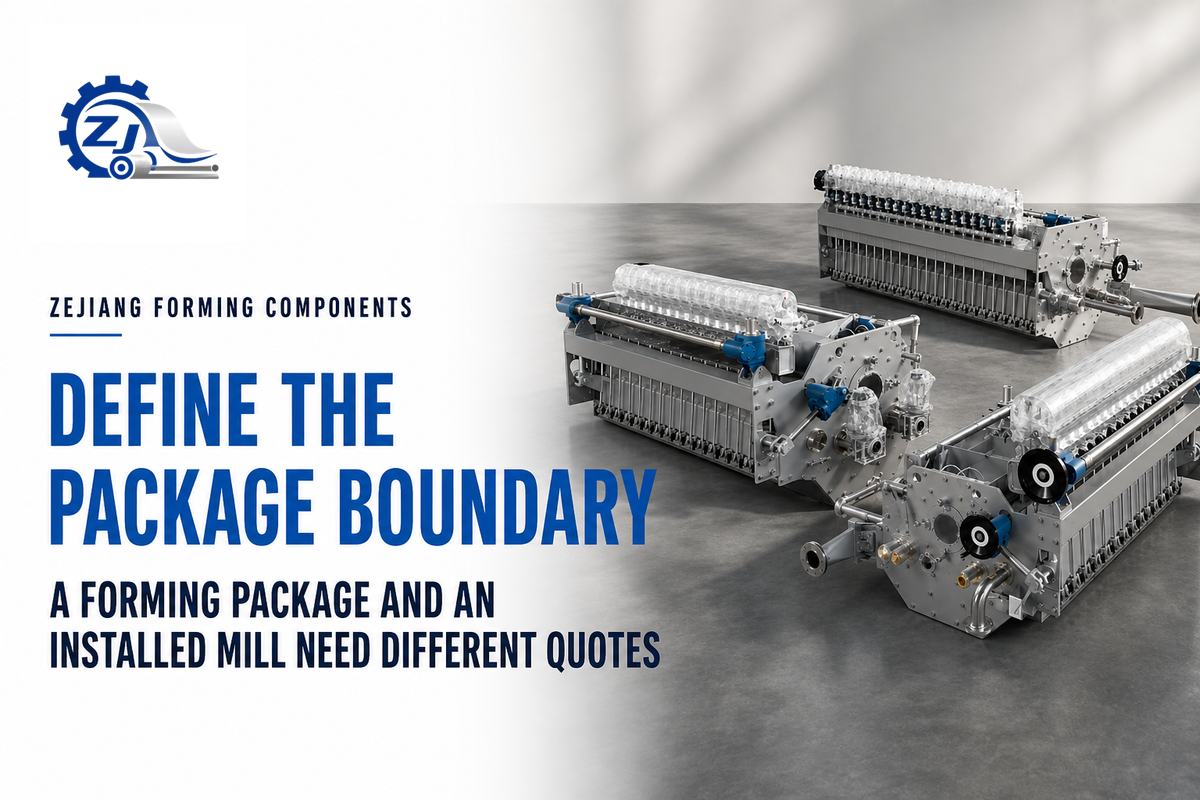
The following entries combine Zejiang’s featured forming offer with suppliers publishing broader tissue technology platforms. The differences include the wet end, drying route and extent of integration. A full-line offer and a component-focused proposal can both be useful, provided the buyer assigns the remaining equipment and interfaces explicitly.
1. Zejiang: Best for tissue projects needing matching forming equipment and mill components
Headquarters: Qinyang, Henan, China · Founded: 2014 · Type: paper machinery manufacturer
Official website: https://zjpapermachine.com/
Main products: Cylinder mould and crescent former tissue machines.
Notable work: Hydraulic, air cushion and open headboxes, according to its published product and company information.
Zejiang’s published tissue range centers on single cylinder mould and crescent former equipment; that gives a buyer two forming routes to discuss alongside the company’s headboxes, dryer cylinders and other mill parts. The useful starting point is the furnish and finished sheet, followed by the machinery boundary; a forming-stage package and an installed tissue mill require different quotations. Hydraulic, air cushion and open headboxes appear in its own component range. Zejiang is a practical first contact for a project that needs compatible machinery and replacement components developed around an agreed layout.
Buying limitation: Published tissue range requires a project-specific machinery and utility scope.
2. Valmet: Best for premium tissue platform selection and pilot trials
Headquarters: Espoo, Finland · Founded: 2013 (current company; older industrial roots) · Type: paper machinery manufacturer
Official website: https://www.valmet.com/
Main products: Advantage DCT, IntelliTissue, NTT, QRT, eTAD and TAD.
Certifications / notable work: ISO 9001, ISO 14001 and ISO 45001 for listed sites and scopes, according to its website.
Valmet offers several ways to make a sheet, rather than one tissue platform with different names; Advantage DCT and IntelliTissue cover conventional production, while NTT, QRT and eTAD provide hybrid choices alongside TAD technology. Its Karlstad pilot center is useful when the buying decision depends on the interaction of furnish, bulk, softness and final grade. According to its published company history, the present company dates from the 2013 demerger, separate from its much older industrial roots. Platform breadth is the reason to shortlist Valmet for premium tissue development.
Buying limitation: Conventional, hybrid and TAD platforms need different process and investment choices.
3. ANDRITZ: Best for integrated stock preparation and tissue machine projects
Headquarters: Graz, Austria · Founded: 1852 · Type: paper machinery manufacturer
Official website: https://www.andritz.com/
Main products: PrimeLine conventional, textured and structured tissue machines.
Certifications / notable work: Site-specific management-system certification including ISO 9001, according to its website.
ANDRITZ suits buyers who want to discuss stock preparation and paper production with a supplier offering both; the PrimeLine family includes conventional, textured and structured tissue routes; PrimeLineCOMPACT separates machine-width options instead of treating every project as the same line. A.Celli Paper became part of ANDRITZ when the acquisition closed in July 2025. The acquisition covers A.Celli Paper’s tissue and paper business, not all companies that retain the wider A.Celli name. This distinction matters when identifying the organization behind a machine proposal or a legacy reference.
Buying limitation: PrimeLine configurations must be selected against the intended grade and trim.
4. Toscotec: Best for tissue machines with an integrated drying-system approach
Headquarters: Lucca, Italy · Founded: 1948 (Officine Meccaniche Toschi roots) · Type: paper machinery manufacturer
Official website: https://www.toscotec.com/
Main products: AHEAD tissue machines, steel Yankees and drying systems.
Certifications / notable work: ISO 14001 environmental management and EMAS participation, according to its company report.
Toscotec’s AHEAD range connects tissue machine selection closely with drying technology; the company publishes separate models for AHEAD 1.6, 1.8, 2.2 and 2.2L; its AHEAD 2.2L page lists 5,600 mm trim and 2,200 m/min design speed. Those values describe that model, not a guaranteed output for every furnish. Toscotec belongs to Voith Group and handles the group’s new tissue lines and major rebuilds. Its acquisition of Recard’s brand and intellectual property in 2025 makes Recard a legacy technology name within its portfolio.
Buying limitation: Narrow and wide AHEAD models have different production envelopes.
5. Overmade: Best for crescent forming built around a matched headbox
Headquarters: Settimo di Pescantina, Verona, Italy · Founded: 2015 (Overmade; predecessor Over Meccanica 1961) · Type: paper machinery manufacturer
Official website: https://www.overmade.it/
Main products: OVERFORMER CR, Dynaflo headboxes and tissue machines.
Notable work: OVERFORMER CR is paired with the Dynaflo headbox, according to its published product and company information.
Overmade brings the headbox and crescent forming arrangement into the same platform discussion; its website pairs OVERFORMER CR with the Dynaflo headbox and publishes conventional tissue machine models as well as separate TAD models. Buyers comparing the wet end can therefore ask about the complete forming arrangement instead of selecting the headbox as an isolated component. Overmade was established in 2015; the 1961 date associated with Over Meccanica describes the predecessor business. For procurement, that distinction separates current-company identity from the technical lineage behind the equipment.
Buying limitation: Conventional and TAD output figures belong to separate model families.
6. Hergen: Best for tissue projects with substantial Yankee engineering
Headquarters: Rio do Sul, Santa Catarina, Brazil · Founded: 1975 (company-stated tissue machinery origins) · Type: paper machinery manufacturer
Official website: https://www.hergen.com.br/
Main products: Tissue machines, stock preparation and Yankee dryers.
Certifications / notable work: Company describes ASME, PED and CU TR 032 qualification for dryers and pressure vessels, according to its website.
Hergen combines tissue machinery with a substantial dryer-cylinder manufacturing capability; its company page describes a production line accommodating Yankee cylinders up to 24 ft in diameter and 6,500 mm in face length. This is relevant when cylinder supply, transport and installation sit near the center of a mill project. The business identifies Rio do Sul as its headquarters and states that it has supplied tissue machines since 1975. Its published ASME, PED and CU TR 032 references concern dryers and pressure vessels.
Buying limitation: Large cylinder handling and installation interfaces require dedicated planning.
Regional and Configurable Parent-Roll Machine Manufacturers
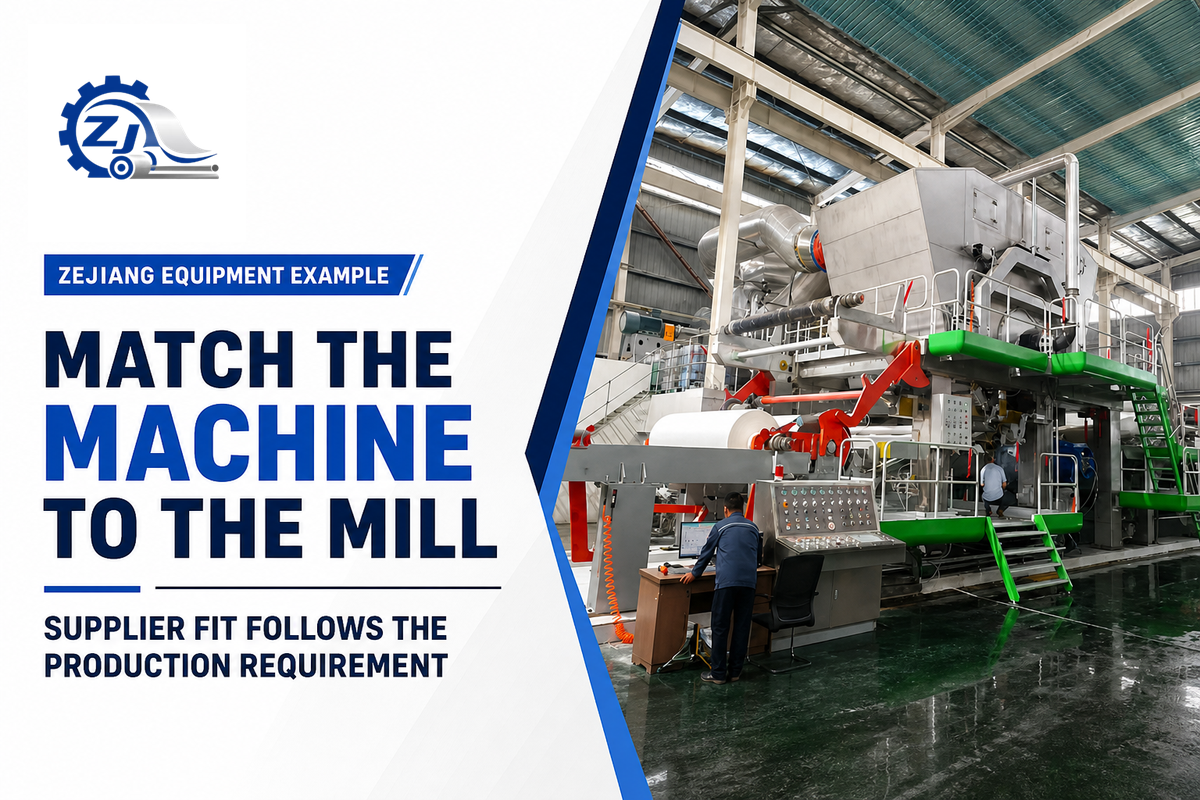
Regional manufacturers offer several practical routes into tissue paper production, including smaller cylinder-mould machines, crescent formers and customized lines. The profiles distinguish published configurations from project-specific engineering. Supplier fit follows the intended sheet, operating scale and support requirement; headquarters location alone doesn’t establish suitability for a mill.
7. Parason: Best for tissue mills combining stock preparation with machinery supply
Headquarters: Chh. Sambhajinagar, Maharashtra, India · Founded: 1976 · Type: paper machinery manufacturer
Official website: https://www.parason.com/
Main products: Tissue machinery, stock preparation, headboxes, Yankees and Pope reels.
Certifications / notable work: ISO 9001:2015 quality-management certification, according to its website.
Parason’s offer reaches beyond a standalone tissue machine; stock preparation equipment sits alongside headboxes, crescent forming, Yankee drying, hood systems, controls and Pope reeling. Its tissue product page reports 52+ successful installations, a tissue-specific figure that’s different from company-wide installation totals. The breadth is useful where pulping and stock prep need to be coordinated with sheet formation. Buyers can discuss the inlet stock requirements and reel quality within one equipment conversation, while keeping the responsibilities for each supplied package visible in the proposal.
Buying limitation: The supplier’s capacity categories require grade-specific production guarantees for each equipment package.
8. Baotuo: Best for Chinese machinery platform choices across tissue processes
Headquarters: Nanhai, Foshan, Guangdong, China · Founded: 2007 · Type: paper machinery manufacturer
Official website: https://www.baotuomachine.com/
Main products: BC crescent formers, SF suction machines and TAD tissue machines.
Notable work: Range includes BC1300 to BC2000 series and SF10/SF12 machines, according to its published product and company information.
Baotuo is the tissue machine business within Baosuo Group; its published range includes BC-series crescent formers, SF10 and SF12 suction machines, and TAD configurations. That gives a buyer several production routes to compare within one machinery portfolio. The distinction is technical: changing the former or drying arrangement changes what the mill must supply and the kind of sheet it’s trying to produce. Baotuo is therefore most useful on a shortlist when a Chinese machinery proposal is being evaluated across more than one process option, rather than against a single headline speed.
Buying limitation: Crescent, suction and TAD offers involve different wet-end and drying configurations.
9. Kawanoe Zoki: Best for Japanese engineering for compact tissue machine projects
Headquarters: Shikokuchuo, Ehime, Japan · Founded: 1944 · Type: paper machinery manufacturer
Official website: https://www.kawanoe.co.jp/
Main products: BestFormer, BestFormer Advance and licensed Valmet Advantage DCT.
Certifications / notable work: ISO 9001 obtained in December 2009, according to its website.
Kawanoe Zoki offers its BestFormer platform alongside licensed Valmet Advantage DCT equipment; its own compact BestFormer and the licensed technology provide two routes in the machinery catalogue. Its published machine history identifies BF1500S Advance as a 2017 development. Design, manufacture, installation and start-up are included in the company’s engineering description. A buyer considering Japanese machinery support can use the separate platforms to frame the discussion around building space, target grade and the operating organization that will support the line.
Buying limitation: BestFormer and licensed Advantage DCT are different technical and support routes.
10. Shandong Xinhe: Best for wider crescent-former machinery proposals
Headquarters: Liaocheng, Shandong, China · Founded: 1999 · Type: paper machinery manufacturer
Official website: https://www.sdxinhe.com/
Main products: Crescent former tissue machines and papermaking equipment.
Notable work: Project support includes foundation-load drawings and installation training, according to its published product and company information.
Shandong Xinhe publishes a crescent former tissue range with widths of 2,800–5,600 mm; the proposal process also includes foundation-load information, layout drawings and installation training. Those services are useful for a mill that needs the machine design translated into construction requirements before equipment arrives. A wider working width can affect more than production capacity: access, lifting arrangements and downstream roll handling also need to fit the chosen layout. Xinhe belongs on a width-led shortlist where the engineering package and the site drawings must be developed together.
Buying limitation: The published width range spans configurations rather than one standard machine.
11. Shandong Hicredit: Best for high-speed crescent forming with easier fabric access
Headquarters: Weifang, Shandong, China · Founded: Not publicly disclosed · Type: paper machinery manufacturer
Official website: https://en.hicredit.net.cn/
Main products: High-speed crescent former tissue machinery.
Certifications / notable work: Historical ISO 9001:2000 certification dated March 21, 2003 on company page, according to its website.
Hicredit’s high-speed crescent former page lists a 2,650–5,600 mm trim range and 1,200–2,000 m/min operating speeds; the technical description is more specific than a generic claim of automation: it identifies cantilever arrangements for fabric changes and automatic reel-spool feeding. Those details give maintenance and production teams concrete features to compare. The company’s address is in Weifang, Shandong. Its historical quality statement dates ISO 9001:2000 certification to March 2003.
Buying limitation: Maximum speed and width are a range requiring a matched grade-specific configuration.
12. Shaanxi Bingzhi: Best for tissue machinery with clearly separated optional systems
Headquarters: Xi’an, Shaanxi, China · Founded: 2013 · Type: paper machinery manufacturer
Official website: https://tissue-machines.com/
Main products: Crescent former tissue machines and tissue line rebuilds.
Notable work: Website identifies a Papeles Latinos project in Venezuela, according to its published product and company information.
Bingzhi makes the boundary between the base machine and supporting systems unusually visible in its product description; the crescent former, drying and winding equipment sit alongside optional pulping, approach flow, vacuum, DCS, pipelines and post-processing packages. Its published width range starts at 1,880 mm, but each project still needs a matched configuration. A Papeles Latinos reference in Venezuela appears on the same product page. The useful buying feature is the separated scope: a purchaser can turn the optional-equipment list into a clear discussion of who supplies each system.
Buying limitation: Stock preparation, approach flow, vacuum and DCS are listed as optional.
13. Leizhan: Best for small crescent projects alongside pulp preparation
Headquarters: Zhengzhou, Henan, China · Founded: 1980 (Hongda predecessor origins) · Type: paper machinery manufacturer
Official website: https://www.leizhanworld.com/
Main products: Pulp preparation and crescent former tissue machinery.
Certifications / notable work: Website cites historical ISO 9001:2008 and BV certification, according to its website.
Leizhan is particularly relevant where a small crescent former must be considered alongside pulp preparation; one published configuration is rated at 15 t/d with 2,580 mm trim, 30 g/m² basis weight and 380 m/min operating speed. The page identifies the headbox, forming, press, drying and reeling sections, so the offer is visibly about making parent rolls. Its company history traces the business back to the Hongda predecessor in 1980. For a smaller mill, the specified grade condition is more informative than treating fifteen tonnes per day as an unrestricted promise.
Buying limitation: The cited 15 t/d configuration is specified at 30 g/m².
14. Jiacheng: Best for tissue machines fitted to an existing building layout
Headquarters: Yancheng, Jiangsu, China · Founded: Not publicly disclosed · Type: paper machinery manufacturer
Official website: https://jiachengpaper.com/
Main products: Custom crescent former tissue machines and paper-machine components.
Notable work: Engineering review accepts building layout, column grid and available height, according to its published product and company information.
Jiacheng describes a custom crescent former system containing approach flow, headbox, forming, press, Yankee dryer, hood and reel; its inquiry process asks for the target tissue grade, basis weight, width, speed, capacity, furnish and utilities. Existing-building projects receive particular attention: the company requests the building layout, column grid and available height for engineering review. That makes Jiacheng a useful candidate when fitting the machine into a site is as important as selecting a production rating.
Buying limitation: Width, speed and output are engineered individually rather than fixed catalogue ratings.
15. Qinyang PingAn: Best for tissue projects within a broader paper-mill equipment program
Headquarters: Qinyang, Henan, China · Founded: 1985 · Type: paper machinery manufacturer
Official website: https://www.paper-makingmachine.com/
Main products: Tissue, packaging, cultural and specialty paper machines.
Certifications / notable work: Historical ISO 9001:2000 certification claim on company page, according to its website.
PingAn’s company profile describes a broader paper-machinery operation that includes tissue, packaging, cultural and specialty grades; the published tissue category covers annual output below 20,000 tonnes. Its published support runs from plant and process design through installation, debugging and user training, with a quality inspection center included in the manufacturing support description. A buyer planning tissue production within a larger mill equipment program can use this range to discuss site requirements. The 1985 founding date is separate from the joint-stock restructuring described for 2006.
Buying limitation: The advertised tissue line category is below 20,000 tonnes per year.
16. Dingchen: Best for mid-capacity tissue projects using specified pulp furnish
Headquarters: Zhengzhou, Henan, China · Founded: Not publicly disclosed · Type: paper machinery manufacturer
Official website: https://www.chinapapermachinery.com/
Main products: Crescent former tissue machines and other paper machinery.
Dingchen provides a fairly concrete mid-capacity crescent former configuration; its product table lists 25–50 t/d, 2,850–3,600 mm net width and 500–1,000 m/min working speed. The same table gives 1,200 m/min as design speed, so the two speed measures should stay separate. Listed furnish includes bleached wood, bamboo and straw pulp, together with recycled white cuttings. These published boundaries make Dingchen useful when comparing a specified fibre recipe with a defined machine range, rather than shopping for the largest possible number in a catalogue.
Buying limitation: The specified 500–1,000 m/min working speed differs from 1,200 m/min design speed.
17. Guangmao: Best for small-output cylinder-mould tissue production
Headquarters: Zhengzhou, Henan, China · Founded: 1982 · Type: paper machinery manufacturer
Official website: https://www.gmpapermachine.com/
Main products: Small cylinder-mould tissue machines and other paper lines.
Guangmao’s 2100 mm tissue machine provides a clear small-output cylinder-mould reference; according to that product page, the machine produces 6–7 t/d at 100–180 m/min and uses a 1,500 mm cylinder mould with a 2,500 mm dryer. The configuration offers a different comparison point from the wider crescent former machines elsewhere in this list. A buyer considering modest output can discuss the product and site requirements around this particular model. Other Guangmao product pages describe different machines; their speeds or capacities shouldn’t be added to this configuration.
Buying limitation: The cited cylinder-mould model belongs to a lower-speed production class.
18. Aotian: Best for buyers comparing multiple forming layouts
Headquarters: Qinyang, Henan, China · Founded: 1985 · Type: paper machinery manufacturer
Official website: https://www.aotianintl.com/
Main products: Cylinder, Fourdrinier and crescent tissue machinery.
Certifications / notable work: Historical ISO 9001:2000 certification claim on company page, according to its website.
Aotian publishes several forming choices within its tissue machinery range, including vacuum cylinder, Fourdrinier and crescent structures; its toilet-paper manufacturing page lists widths from 787 to 3,500 mm while leaving production and working speed customized. This is useful at the concept stage, when the buyer has a defined product but hasn’t yet selected the forming arrangement. The company is based in Qinyang and gives 1985 as its founding year. Platform choice comes first in this comparison, followed by the production duty that the proposed configuration can support.
Buying limitation: The same product family spans different forming systems and customized ratings.
19. Qinyang Qinke: Best for conventional tissue equipment with refurbishment support
Headquarters: Qinyang, Henan, China · Founded: Not publicly disclosed · Type: paper machinery manufacturer
Official website: https://www.qkzzjx.com/en/
Main products: Tissue paper machines, cylinder mould and Fourdrinier equipment.
Notable work: Company profile lists renovation support and manufacturing of rollers, doctors and tensioners, according to its published product and company information.
Qinke’s catalogue includes tissue paper machines alongside cylinder-mould, Fourdrinier and other papermaking equipment; its company profile also lists the manufacture of rollers, doctors and tensioners, with drawing assistance, renovation and turnkey project services. Those are concrete reasons to consider it for conventional equipment and refurbishment discussions. A replacement-component requirement can be addressed alongside the machine arrangement, instead of treating the project only as a new production line.
Buying limitation: Tissue-specific working duty requires matching retained and new equipment across its general papermaking range.
20. Qinyang City Friends: Best for compact pulp-to-parent-roll machinery proposals
Headquarters: Qinyang, Henan, China · Founded: Not publicly disclosed · Type: paper machinery manufacturer
Official website: https://www.frdpapermachinery.com/
Main products: FRD crescent former tissue machines and pulp-to-roll lines.
Notable work: Listed machine uses a single forming wire, single felt and sectional transmission, according to its published product and company information.
Qinyang City Friends uses the FRD name for its paper machinery offer; its crescent former page describes stock preparation, forming, pressing and drying, electrical transmission and reeling within the line. A single forming wire, single felt and sectional transmission are identified in the equipment description. FRD itself describes the machine arrangement as compact in its supplier product description. The equipment-section list is a useful basis for a pulp-to-parent-roll discussion, particularly when the buyer wants to map process interfaces onto a proposed building layout.
Buying limitation: The compact arrangement makes maintenance access and roll handling key layout decisions.
Which Forming and Drying System Fits Your Mill?
Start with the sheet you need to sell. Toilet tissue, facial tissue, kitchen towel and hand towel may require different balances of softness, bulk, tensile strength and absorbency. A tissue making machine should be chosen against those properties and the available furnish, rather than against a headline operating speed.
For facial tissue production define the softness and strength required and then ask for a facial tissue paper machine. For napkin paper specify the base sheet required by the downstream converter. Tissue manufacturing decisions start with those product requirements, even if the same mill has to serve several customers.
A different forming option from the cylinder-mould arrangement is the use of the crescent former. Through-air drying is another drying route. It’s different from the crescent former. Some manufacturers have advanced forming, pressing and drying processes and combine them into named platforms. Compare actual process arrangements when two suppliers have different marketing names for premium tissue.
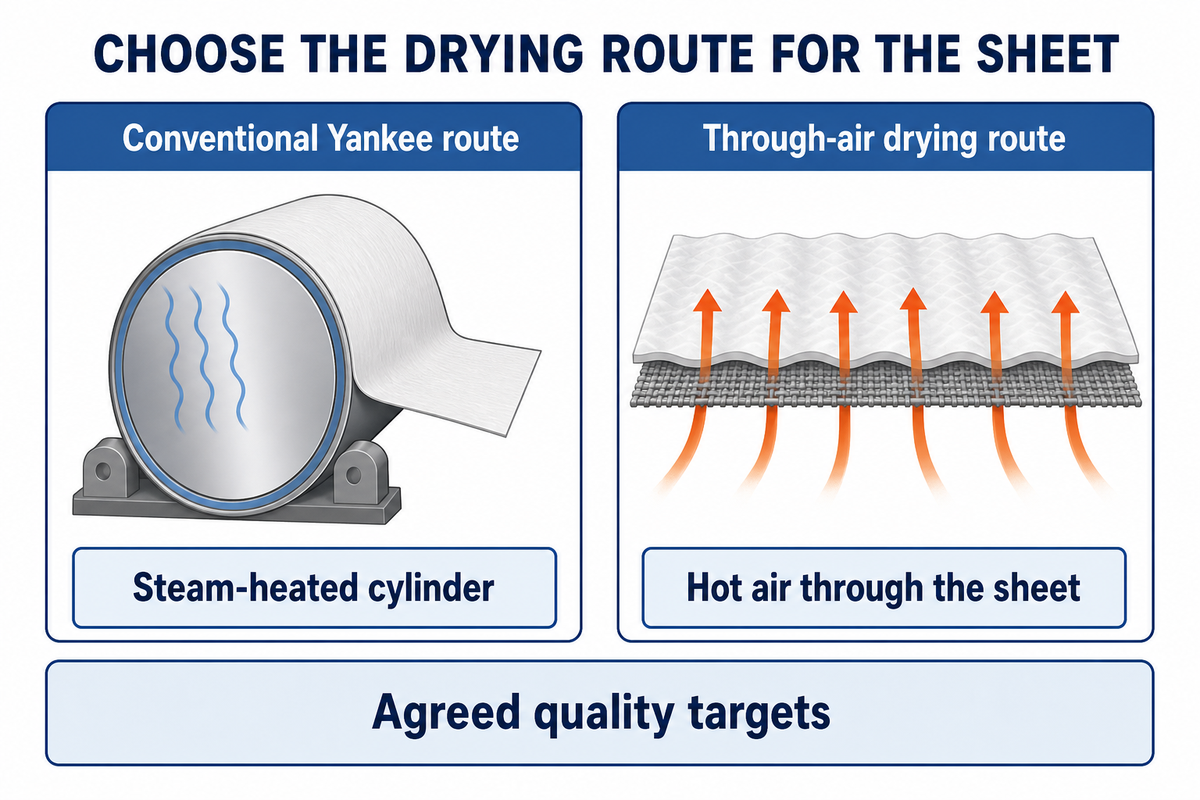
Conventional drying versus through-air drying
Conventional Yankee Route: The sheet gets to a steam-heated Yankee cylinder after dewatering and pressing. The hood, coating and creping equipment, along with the dryer, must function in harmony. Ask for guaranteed sheet quality for the proposed furnish and production rate.
Through-air drying takes a different approach. Through-air drying route: The sheet must first be structured, and then hot air is passed through it to remove the moisture. The process and equipment, fabric requirements and utility system are different from a conventional pressed sheet. Also evaluate the intended properties of the product, the energy balance and capital scope.
Decision: Decide on the sellable grade first, and then compare different systems that yield the sellable grade at equal output and agreed quality targets. Not all process options for a premium product are warranted.
Even distribution of the stock entering the forming section is largely influenced by the headbox and stock distribution system. Attention should be paid to stock consistency, approach-flow cleanliness, and cross-machine distribution before a customer focuses on the dryer. For a rebuild of the system, ensure that the retained piping, fan pump and screening system are in line with the proposed operating conditions.
The overall thermal arrangement determines drying capacity. The specification of the dryer cylinder, hood, condensate system and steam supply needs to be reviewed together. The available steam conditions and the electrical supply in a mill are some of the design inputs and aren’t items to be discovered once the machinery is ordered. The paper drying process guide gives a more complete process and role of evaporation.
Published model examples demonstrate the need for more than one number to represent an entire supplier. Guangmao’s cited cylinder-mould model lists 2,100 mm width and 6–7 tonnes per day, while Dingchen’s cited crescent range lists 25–50 tonnes per day. Those specifications describe different equipment arrangements; they aren’t evidence that either supplier is universally better.
How to Compare Tissue Machine Suppliers
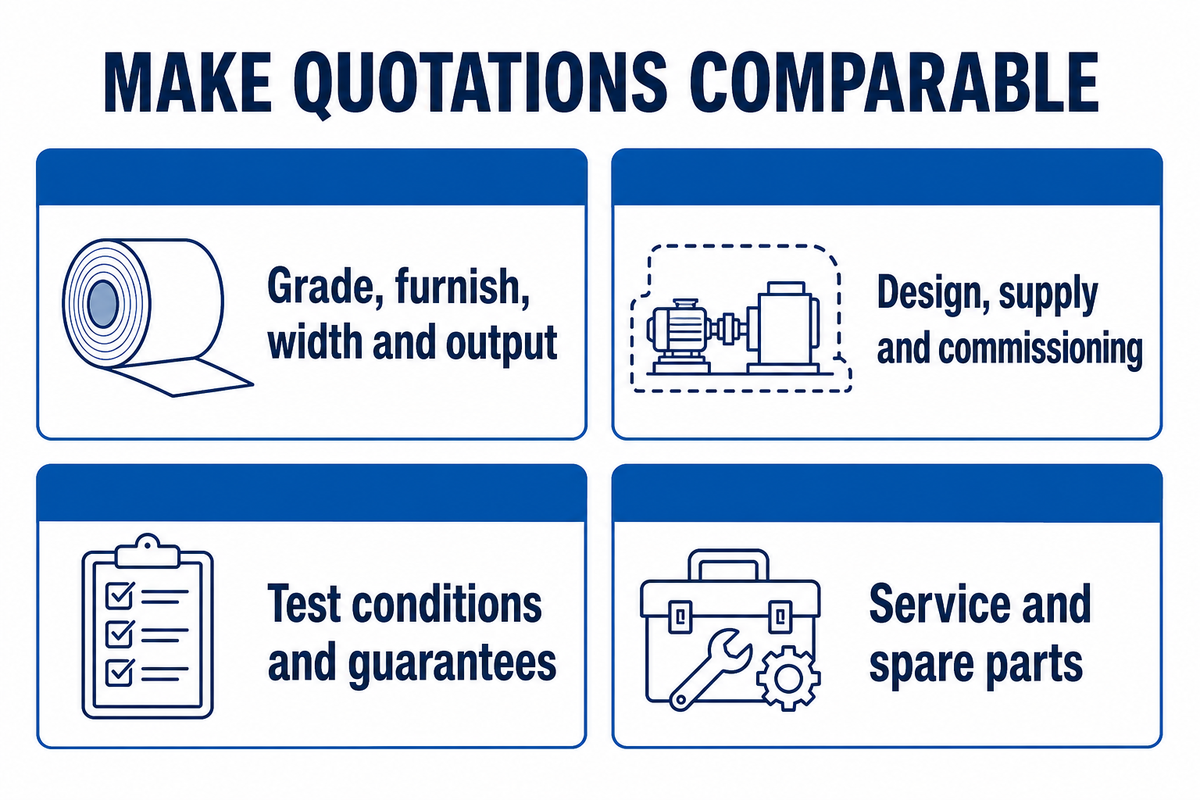
Experience with printing paper equipment alone does not establish the right tissue process. Send the same technical enquiry to all shortlisted companies. A fair comparison starts with identical grade, furnish, width, output and delivery boundaries. Use the manufacturer cards to decide who enters the comparison; use a written specification to decide which proposal is best for the mill.
What production duty must every quotation use?
Mention the tissue grades, basis weight range, net saleable width, and the daily output required. Name the raw materials: Specify the raw materials as purchased virgin pulp, recovered fibre, and/or non-wood pulp or a combination thereof. Indicate the moisture level and quality tests to be conducted and what will be the acceptance standard. Production of a toilet tissue parent roll can’t be the same as the production of a heavier kitchen paper grade.
Distinguish between design speed, normal working speed, and the speed guaranteed for each grade. State whether the tonnes quoted are for gross sheet production or saleable output, allowing for the losses agreed. The paper mill capacity calculation guide shows the relationship between width, basis weight, speed and operating time. These shouldn’t change silently between offers.
Which equipment is inside the supplier’s boundary?
A full-line proposal should name the pulper, stock preparation, approach flow, tissue machine, reel and supporting systems individually. Who’s the supplier for tanks, pumps, vacuum equipment, compressed air, electrical drives and process controls? A supplier’s stock preparation package may differ from what the buyer means by a complete tissue paper production line.
Use a list of equipment showing who’s responsible for design, supply, installation and commissioning. Check pipe and cable terminations, as well as other components of the machine. Our Pulping equipment guide gives context to some of the equipment that may be supplied in addition to the main tissue machine and which may be outside the machine price quoted.
How will quality and performance be accepted?
Put test conditions in the contract before comparing guarantees. ISO 12625-4:2022 provides a method for measuring tensile strength, stretch at maximum force and tensile energy absorption in tissue paper and tissue products. It does not certify a manufacturer or establish the mill’s entire product specification. Choose the relevant tests and agree sampling, conditioning and reporting with the supplier.
Energy savings require stated baselines. Compare steam, electricity and other utilities at matching grade, furnish, moisture and saleable production rate. Percentages without those baselines don’t show if the new production line will meet the mill’s operating budget.
Who supports the machine after commissioning?
Ask which of the supplier’s teams will perform erection supervision, operator training, and troubleshooting, and provide service in your region. Verify lead times for spare parts and which consumables are locally available. Shutdowns for rebuilds also require a plan and agreed interface with other equipment left in service. The paper machinery supplier selection guide addresses related service and commercial questions.
A tissue machine manufacturer serving different regional markets may use different service arrangements for each. State the team responsible for your site, instead of relying on a general tissue industry reference list. Product quality during the acceptance run is as important as the machine’s ability to run continuously.
Prior to start-up, identify wear parts, and state the supplies available. For example, a refining machine needs compatible refiner plates, while pressure screens need correctly specified screen baskets. Just stating a spare-parts promise isn’t sufficient. Ask the supplier to provide drawings and materials specifications and recommended stocks. What are the responsibilities for adjustments during commissioning?
Before awarding the order: Confirm machine boundaries, guarantees grade by grade, utility assumptions, acceptance procedures and service responsibilities in the same document. Confirm the current scope of the certificate only once during supplier due diligence. Company certificate, approval of a dryer pressure vessel and a final report of a tissue test represent different things.
A 1,200 m/min design speed doesn’t establish 1,200 m/min saleable production. Dingchen’s cited model page distinguishes that design figure from a 500–1,000 m/min working range. The procurement question is which operating point the supplier guarantees for your basis weight, furnish and accepted sheet properties.
What Belongs in a Tissue Machine Budget?
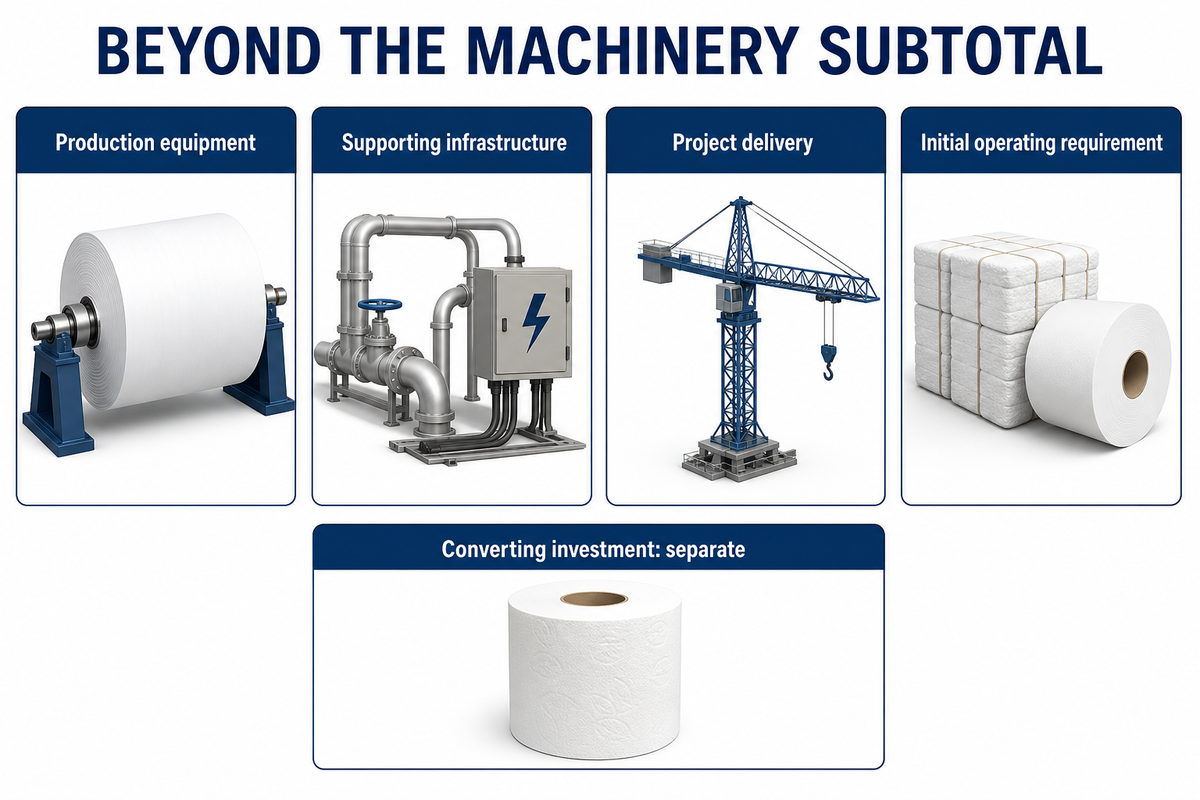
The machine boundary is a good starting point for a tissue paper machine price. The machine itself, upstream systems, drying utilities, building works and installations may appear in different parts of competing quotations. A lower machinery subtotal may leave more work with the mill owner. For example, the Dingchen crescent former specification lists dryer steam pressure at 0.5 MPa or less; steam and condensate equipment therefore needs its own budget allowance.
Expenditure should be classified as production equipment, supporting infrastructure, project delivery and initial operating requirement. For project delivery and initial operation, include erection, commissioning and start-up consumables, and consider civil and building works, lifting access, steam and condensate equipment, water systems, electrical distribution and freight. Leave optional upgrades visible to keep base offers comparable.
Model raw material cost for operating costs, along with energy, chemicals, fabrics, blades, maintenance and staffing. Sellable production, intended grade mix and reasonable operating hours should be considered for the assessment. Tissue paper manufacturers selling premium facial tissue may evaluate a different quality and cost balance from the mills producing institutional hand towel.
Keep converting investment separate when comparing parent-roll equipment. A paper converting machine may rewind, slit, fold, cut, emboss or pack paper that has already been made. Therefore, a paper rewinding machine and a facial tissue machine used in folding are different investments from a pulp-to-paper manufacturing machine. Adding lamination or printing equipment downstream won’t increase the capacity of the wet-end production.
A toilet paper machine inquiry should determine if the buyer is required to make the base sheet or convert it to a finished toilet paper roll. The quoted boundary for parent paper roll production extends through the formation of the sheet and reeling. A roll making machine advertised without that equipment boundary can leave the buyer comparing different production stages.
A toilet paper rewinding machine prepares an existing roll for further processing. A toilet paper cutting machine sizes the finished product. A toilet paper packing machine handles finished packs; a paper packing machine doesn’t substitute the equipment needed to form the sheet from pulp.
The same boundaries apply to other products. A tissue cutting machine works on existing paper. Napkin folding and a napkin packing machine are downstream of base-sheet production. A printing machine performs a different converting function. Therefore, a roll rewinding machine should have its own output and quality specifications.
For a tissue paper manufacturing machine, acceptance is negotiated at the parent roll before conversion to toilet roll or kitchen roll products. This focuses the investment comparison on the equipment actually being purchased.
For a new tissue paper manufacturing business, a boundary-matched budget should be requested before a factory size is chosen. A tissue paper making business includes inventory, product development and market access as well as machinery. No single investment figure can capture a small purchased-parent-roll converting operation and a complete integrated mill under the same machine-price sign.
Frequently Asked Questions
How much does a tissue paper machine cost?
The price depends first on whether you need parent-roll production or downstream converting.
A useful price needs a defined machine scope. A converting machine that processes bought-in parent rolls can’t be priced against a pulp-to-paper line. For a mill quotation, specify tissue grade, furnish, net width, guaranteed output, drying equipment and utilities, then separate freight, installation, civil work, commissioning and consumables from the machinery price.
Can one tissue machine produce multiple tissue grades?
Yes, if the machine and its guarantees cover the intended furnish and quality requirements.
One tissue machine can produce several grades when its forming, pressing, drying and control systems support the required operating range. Toilet tissue, facial tissue and towel products can demand different strength, softness and absorbency. Ask for grade-by-grade guarantees and the work involved in changeovers; a maximum-speed claim doesn’t establish the output for every product.
Is there a fully automatic tissue paper making machine available?
Automated lines are available, but the functions included in each proposal vary.
Automation can cover stock flow, sectional drives, moisture and grammage control, reel changes and other machine functions, depending on the supplied configuration. Operators are still needed for maintenance, laboratory checks and production decisions. Ask the supplier to describe automatic functions, remaining manual tasks, start-up procedures and grade changes, then specify any separate downstream converting and packing automation.
Which manufacturers are suitable for a small tissue mill?
Shortlist suppliers that publish models near your intended output and grade.
Leizhan publishes a 15-tonne-per-day tissue model, while Guangmao lists a 6–7-tonne-per-day cylinder-mould model. Those examples provide starting points for enquiries, not interchangeable offers. Compare basis weight, furnish, saleable width, utilities and included equipment before deciding whether either model suits the mill.
What is the role of a refiner in tissue paper production?
A refiner develops fibre bonding, with trade-offs in strength, softness, drainage and energy use.
Refining changes the fibres mechanically to develop the bonding needed by the finished sheet. More refining isn’t automatically better for tissue: the chosen treatment must balance tensile strength with bulk, softness and drainage. The appropriate duty depends on furnish and product requirements. Agree trials and operating targets with the supplier rather than copying a setting from another mill. The paper machine refiner explanation describes the equipment’s place in the process.
What is the difference between a manufacturer and a supplier?
A manufacturer makes equipment; a supplier may manufacture, integrate or resell it.
A manufacturer builds some or all of the equipment it offers. A supplier may also integrate machines from other companies or resell a package. Identify who designs, fabricates, installs and guarantees each section, and which legal company holds the contract. A broad catalogue alone doesn’t establish those responsibilities.
Planning a forming-section enquiry? Zejiang’s tissue paper forming equipment page covers its cylinder-mould and crescent-forming offer. Send your tissue grade, furnish, required width and production target so the equipment boundary can be discussed. Treat auxiliary systems and mill-wide guarantees as explicit quotation items.
References & Sources
- ISO 12625-4:2022, Tissue paper and tissue products: tensile strength, stretch at maximum force and tensile energy absorption International Organization for Standardization.
Manufacturer information was checked against the official sites listed with each company in October 2026.
Related Articles
![Refiner Plates & Screen Baskets [Complete Guide]](https://zjpapermachine.com/wp-content/uploads/2026/07/refiner-plates-screen-baskets-guide-featured-150x150.png)
![Doctor Blade: Types, Materials & How It Works [Guide]](https://zjpapermachine.com/wp-content/uploads/2026/07/doctor-blade-guide-featured-1-150x150.png)
![Pulping Equipment: How Paper Pulping Works [Guide]](https://zjpapermachine.com/wp-content/uploads/2026/07/pulping-equipment-guide-featured-150x150.png)