Get in touch with Zejiang Paper Machinery Company

Forming Fabric & Forming Wire for Paper Machines
Henan Zejiang Paper Machinery manufactures polyester forming fabrics designed for the wet end of your paper machine – single, double, 2.5, triple layer and SSB constructions that we engineer to your paper grade, machine speed and drainage target. For mills that measure a fabric by sheet quality and wire life – not just by price list.
Request a Quote- 5 Layer constructions: single → SSB
- Polyester Monofilament warp & weft yarn
- Endless / Seam Made to your width & circumference
- All grades Tissue · kraft · board · cultural
- High FSI Fiber support tuned for sheet marks
- Heat-set Dimensionally stabilized before shipment
Sheet Marks, Slow Drainage and Short Wire Life — What the Forming Fabric Controls
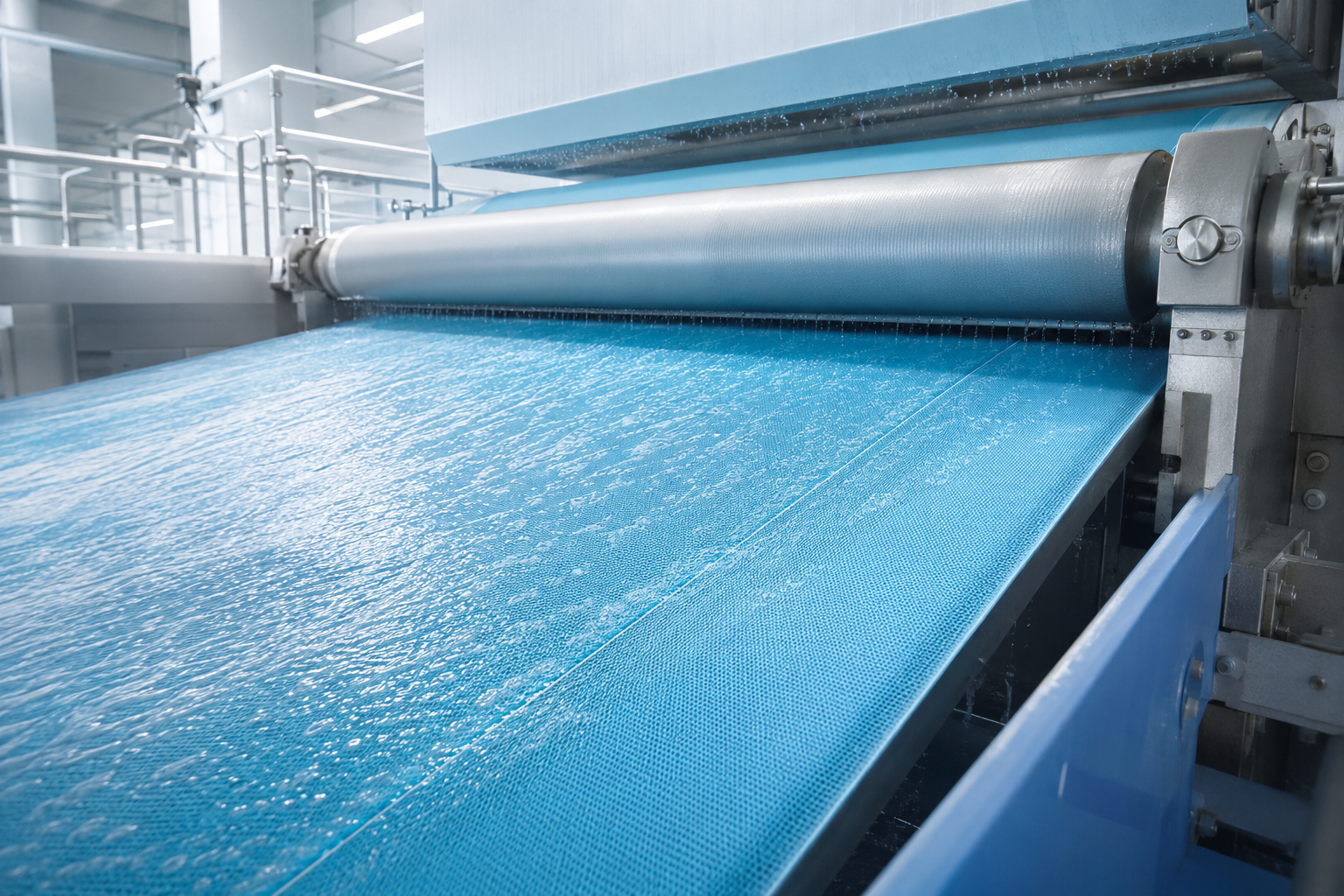
A forming fabric determines how your paper sheet is born. It’s the woven polyester belt on a fourdrinier or gap former, at the wet end of the paper machine where dilute pulp first contacts a moving screen. There, water drains, and the fibers knit together to form the sheet. But if your forming fabric isn’t suited for the application, downstream symptoms appear: wire marks and two-sidedness in the sheet, non-uniform dewatering, insufficient retention of fibers and fillers, and an abraded belt that must be taken out of the machine months before it should be.
Properties Contradiction
Conveyor Functions
The causes of these symptoms are not separate but are linked to three fabric properties that are inherently contradictory: the fabric's ability to support the fiber on the top surface (fiber support); its efficiency in allowing water to drain through quickly and cleanly (drainage); and the ability of the wear surface to withstand abrasion by machine foils and vacuum boxes (wear resistance). While single layer provides the best drainage, fiber support is poor. Triple layer or SSB fabric offers excellent support of the top surface in contact with fine paper, but its bottom side will be coarse to promote long life in the wire part. Selecting the appropriate one becomes the job, and the key place where an expert supplier is more valuable than a commodity mesh manufacturer.
As an integral component of paper machine clothing, the forming fabric serves as a conveyor - taking the web formed in the headbox and moving it to the couch roll before delivering it to the press section. The fabric carries this load while fighting against drainage resistance, tension, and abrasion every inch of its travel. Therefore, “forming fabric” is not just another purchase. It’s a design choice, as explained in the sections that follow, focusing on the decisions a paper maker needs to make.
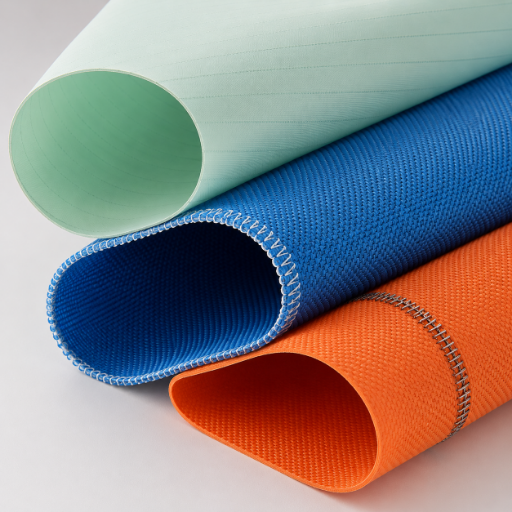
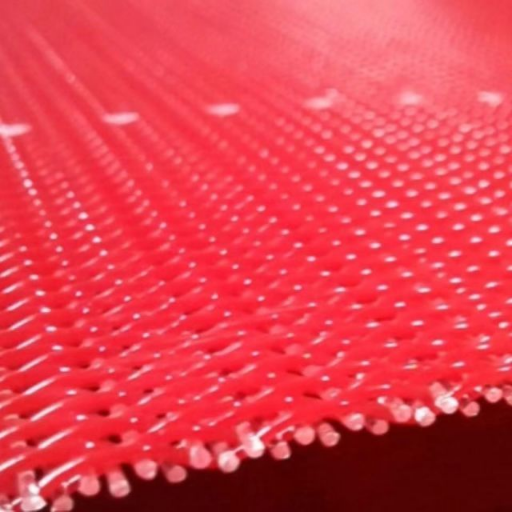
Zejiang Forming Fabric Range — Single, Double, 2.5, Triple Layer & SSB
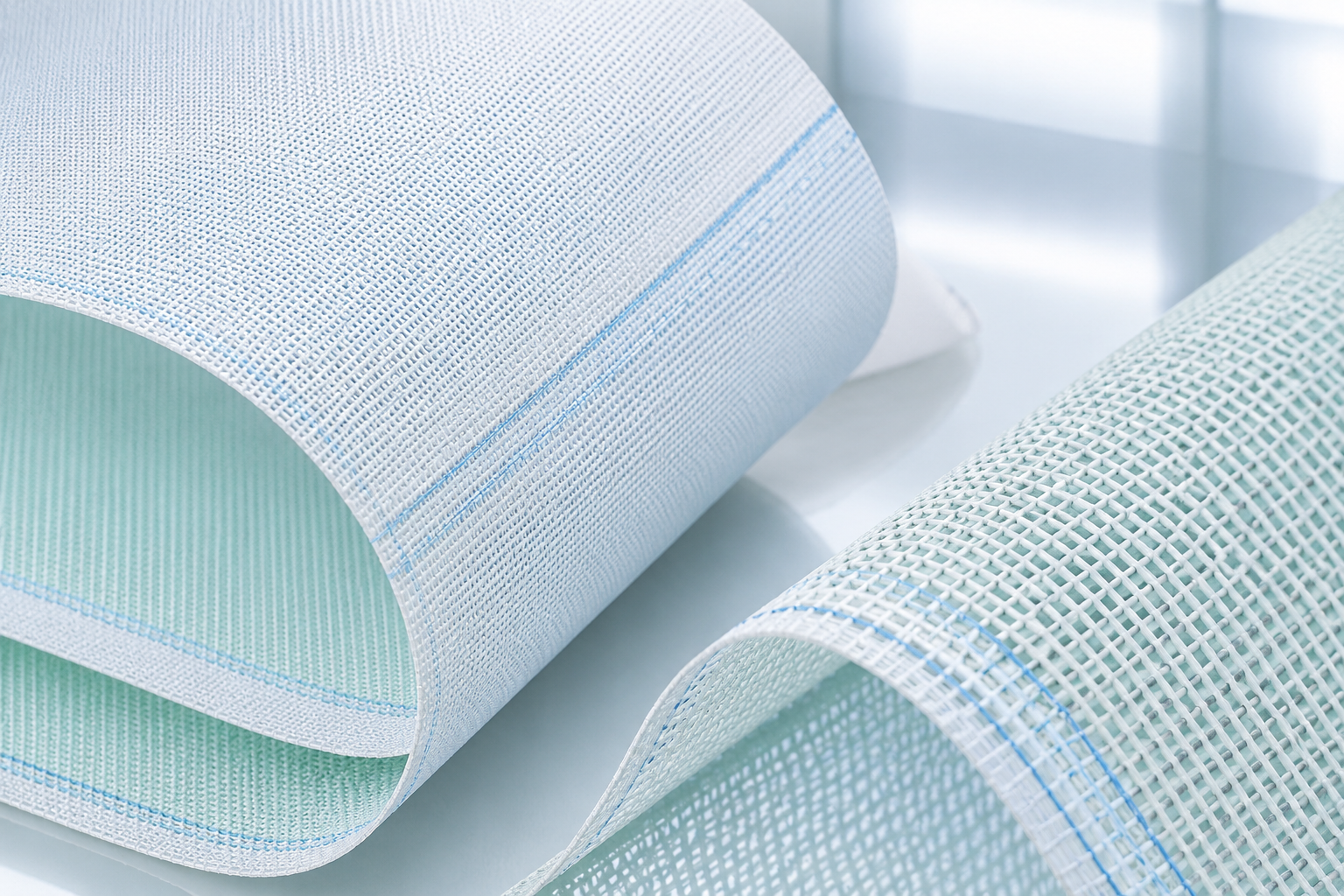
Our forming fabrics are woven from polyester monofilament and classified according to the number of structural layers in the laminate. By increasing the layers, it is possible to individually engineer the forming surface (top layer), providing the finest fiber support, and the wear surface (bottom layer) offering the greatest resistance to abrasion. The layered progression from single-layer to SSB fabric is not necessarily indicative of an increase in quality – as different layer configurations are necessary for the range from low-speed board machines to high-speed tissue machines.
01
Single Layer Forming Fabric
One woven mesh plane. Its open, fastest-draining structure suits lower-speed machines and grades where drainage capacity outranks surface finish — corrugating medium, some newsprint and board back plies.
02
1.5 / Double Layer Forming Fabric
Extra weft yarns add drainage channels and dimensional stability without a full second warp system. A practical step up in wire life and sheet support for medium-speed printing and packaging grades.
03
2.5 Layer Forming Fabric
A transitional construction that lifts fiber support and abrasion volume over a double layer while staying easier to drain than a full triple. A common choice when a mill wants finer formation without moving all the way to SSB.
04
Triple Layer Forming Fabric
Independent paper-side and wear-side weaves stitched by binder yarns. Delivers a fine, high fiber support paper surface with a heavy, long-wearing running side — for fine paper, cultural paper and higher-speed machines.
05
SSB Forming Fabric
Sheet Support Binder construction: binder yarns are woven into the paper-side layer itself, raising the fiber support index and cutting internal wear that shortens ordinary triple-layer life. Our reference for demanding fine-paper and high-speed positions.
Forming Fabric vs Forming Wire vs Fourdrinier Wire — Terms and Selection
Three names for one component of the paper machine. “Forming wire” and “fourdrinier wire” were older, more descriptive terms, as this part of the paper machine was originally constructed from actual woven brass or bronze wire. Since this component of a paper machine is now more typically made from a woven polyester forming fabric, “paper machine wire”, “forming wire” and “forming fabric” have come to be terms identifying the same paper machine screen. We use the term “forming fabric” to make the name consistent with the product it describes.
Before you place your order - one clarification "forming wire" is another name, and not relevant, to the metal working/spring business. If you googled the phrase for a spring/wire-forming service then you've not found it here! This is all fourdrinier paper machine forming clothing.
Endless vs Seamed Construction
A continuous forming fabric is an endless looped fabric constructed with a filling yarn woven the length of the fabric and a warp yarn across the width of the fabric, preferably for critical sheet cleanliness applications. A seamed fabric is pin-seamed by means of a pin loop, which simplifies installation for machines that do not have the capability to thread an endless belt. We offer both, cut to your specified width and circumference and seamed, with the option determined by machine threading capabilities rather than fabric performance.
Selecting a Forming Fabric — Paper Grade, Machine Speed and Drainage
A finer mesh does not guarantee smoother paper. This is by far the most frequent assumption we make and also the reason why two mills making the same grade will have two different fabrics. The controlling factors in sheet formation are the match between fiber support index, drainage capability and the machine speed - not just mesh number. Press the surface to fine in the position and the fabric drains to slowly; runnability suffers and retention drops - all in the name of a higher mesh number.
Machine speed, paper type/basis weight, environment The working principles are based on three inputs, in the following order:
 INPUT // 01
Machine speed
INPUT // 01
Machine speed
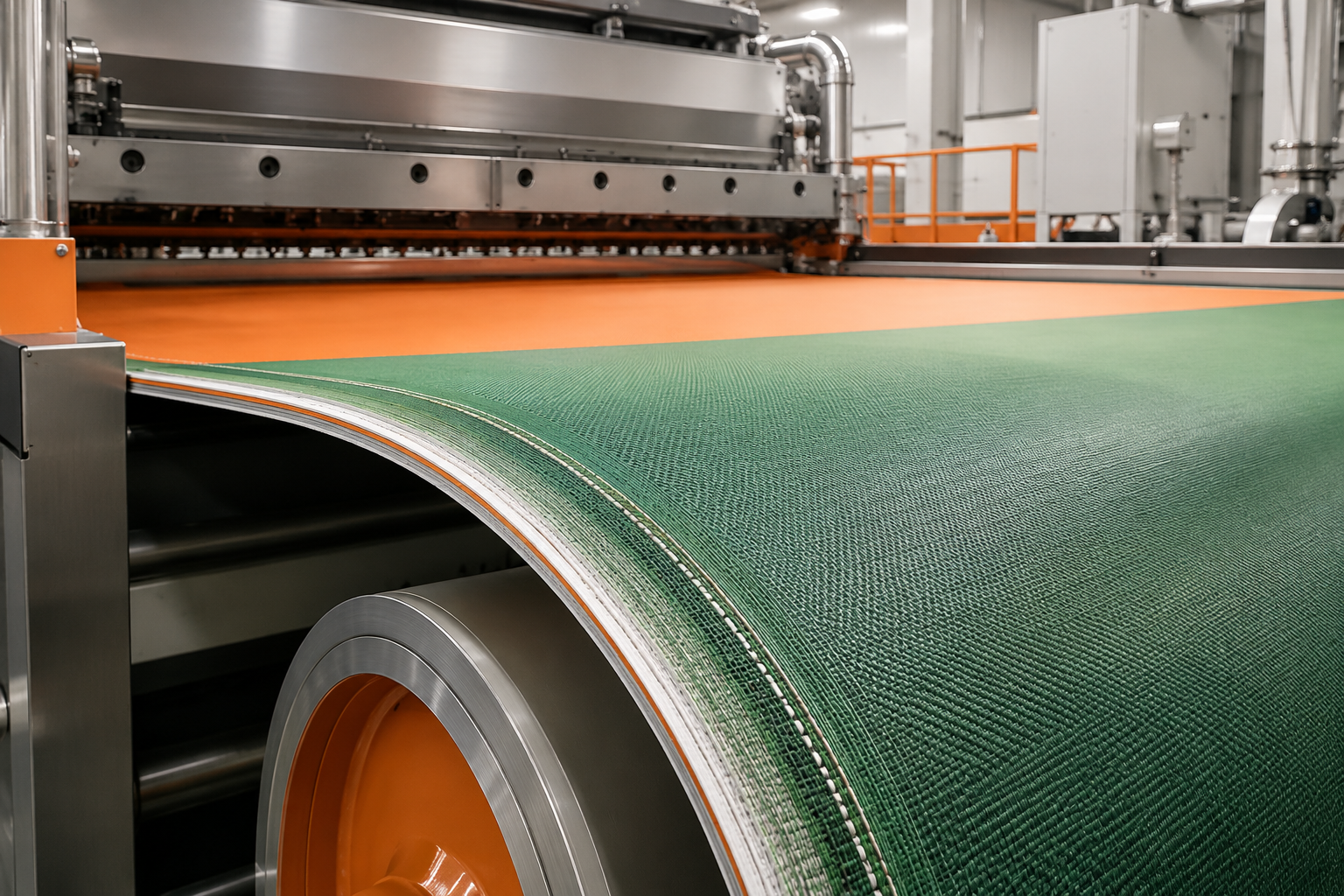
High speeds require rapid, consistent drainage and constructions that prevent elongation.
 INPUT // 02
Paper type/basis weight
INPUT // 02
Paper type/basis weight
Fine papers and cultural papers require paper-side fibers which provide excellent support to avoid the formation of wire marks, whereas board and packaging grades can - and wish to - have more open weave with superior drainage characteristics.
 INPUT // 03
Environment
INPUT // 03
Environment
Aggressive foils and high vacuum reduce service life and encourage designs with heavy multi-layer paper-side, even if the fiber-side does not need complex features.
Forming Fabric Selection Matrix
| Paper grade | Machine Speed band | Suggested construction | Priority property |
|---|---|---|---|
| Corrugating medium / testliner | Low–medium | Single / Double layer | Drainage capacity |
| Newsprint | Medium–high | Double / Triple layer | Drainage + stability |
| Fine & cultural paper | High | Triple layer / SSB | High fiber support |
| Duplex & folding boxboard | Medium | Double / 2.5 layer | Formation + wear |
| Tissue | High–very high | SSB (high FSI) | Retention + surface |
Applications and Results — From Tissue to Packaging Board
Henan Zejiang has paper making fabrics designed for all grade applications: kraft paper, corrugated and testliner, duplex and folding boxboard, tissue, and cultural and specialty papers. As a paper machine supplier, we recognize the way each application imposes a load on the fabric. A tissue machine is harder on the sheet-side surface and requires good retention, uniformity and consistent paper quality, whereas a board machine imposes higher wear on the drive side and is designed to promote drainage capacity.
Cost / day
Judge a forming fabric by fabric cost ÷ wire life plus change-out downtime — not by unit price. Specifying to machine speed and drainage typically extends usable life versus an under-specified fabric.
Need this modelled for your machine? Get a quote for wire life and change-outWhat a mill manager really cares about is not how much a roll of fabric costs. He cares about cost per day of operation, which is how much the fabric costs divided by the wire life it delivers, plus how much product you lose each time you change it. An inexpensive forming fabric that wears out in only a few months can wind up being more expensive to run per day than one properly engineered that lasts many months, if you add the cost of downtime. This is why we sell to your role, not to your price.
Manufacturing and Quality — Weaving, Heat Setting and Seaming
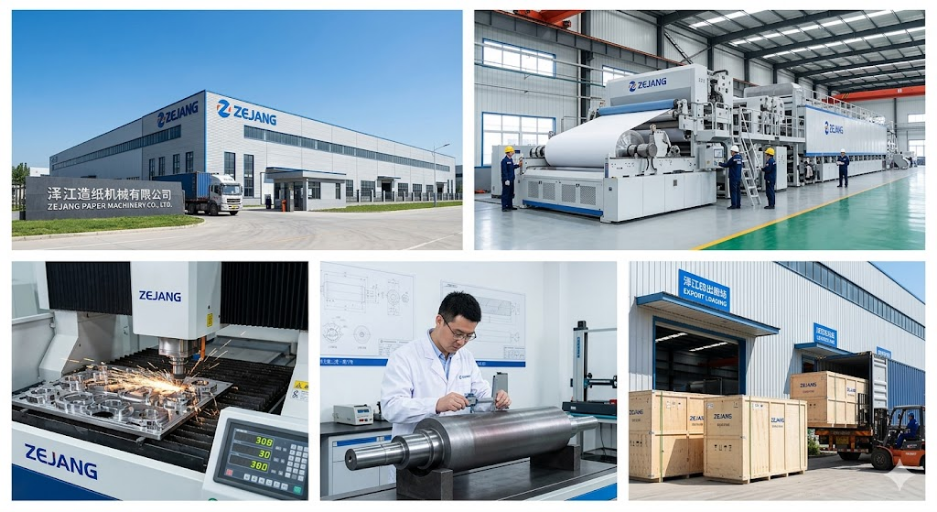
The better the control in the weaving of a forming fabric, the better the fabric. Ours are made on multished looms from monofilament polyester to assure maximum tensile strength and, when we heat-set it, our fabric gains the maximum dimensional stability to hold the width and tension on machine without stretch during its operation. Sealing is done to the edge of the fabric to prevent fraying and each fabric is precisely fabricated to the exact circumference of the position in which it will be used.
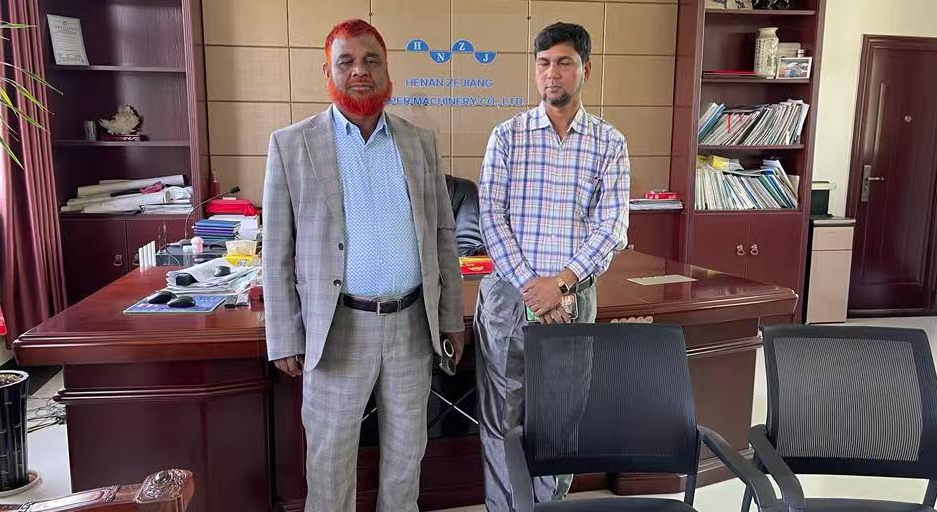
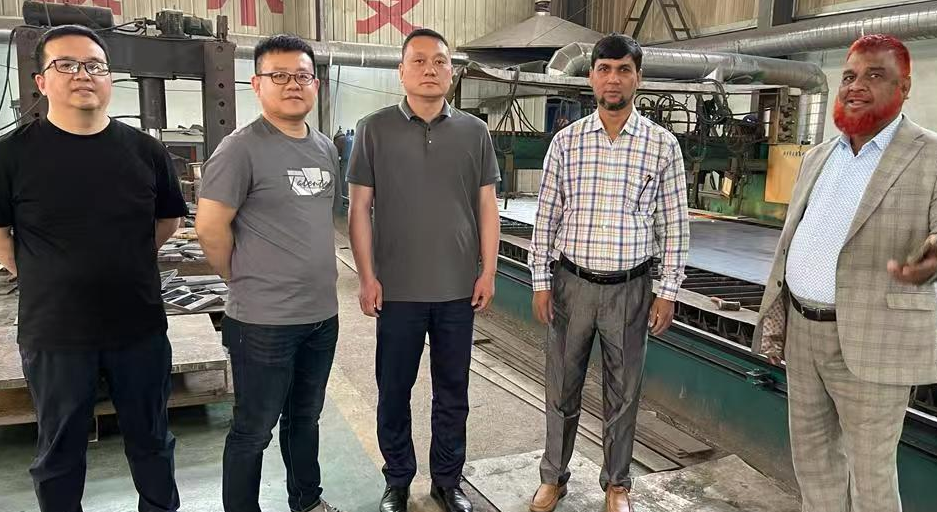
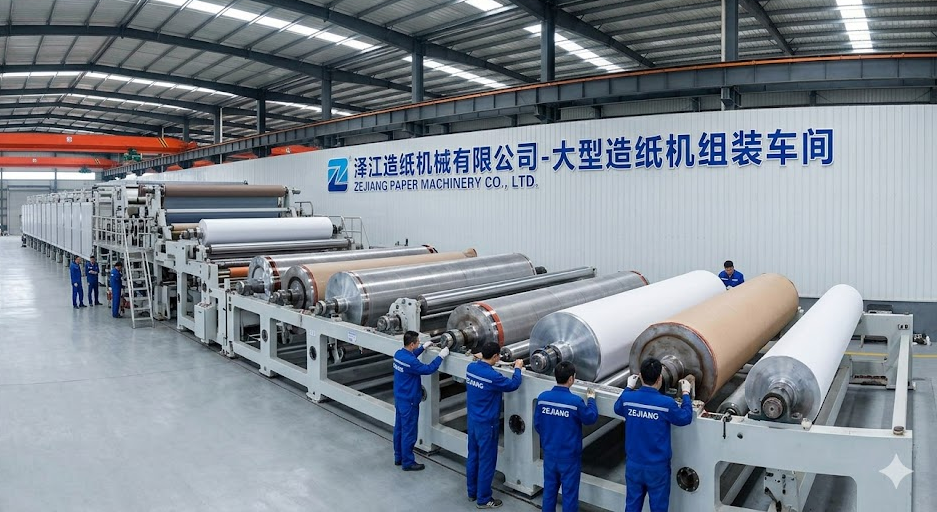
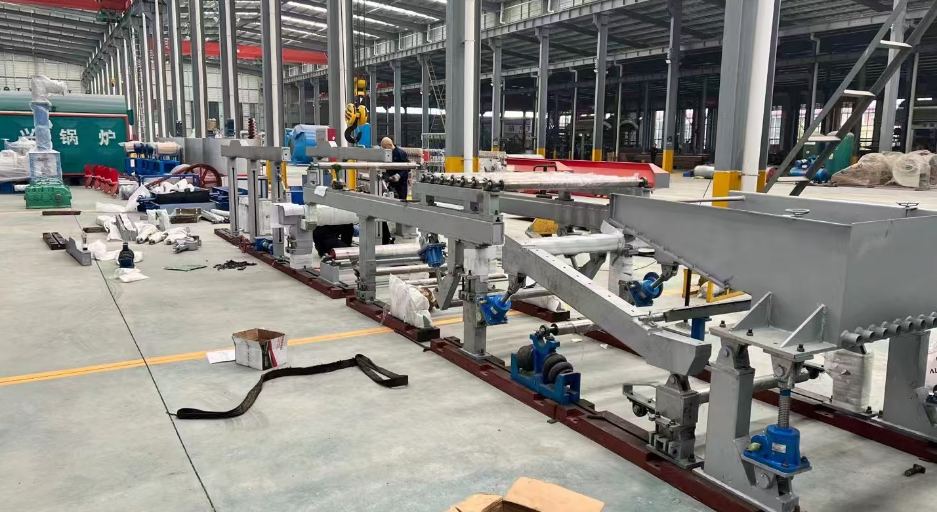
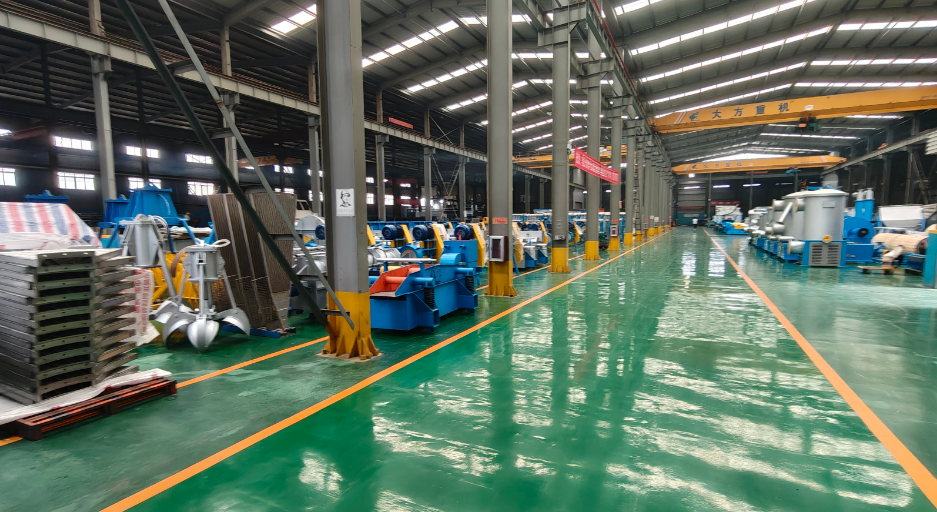
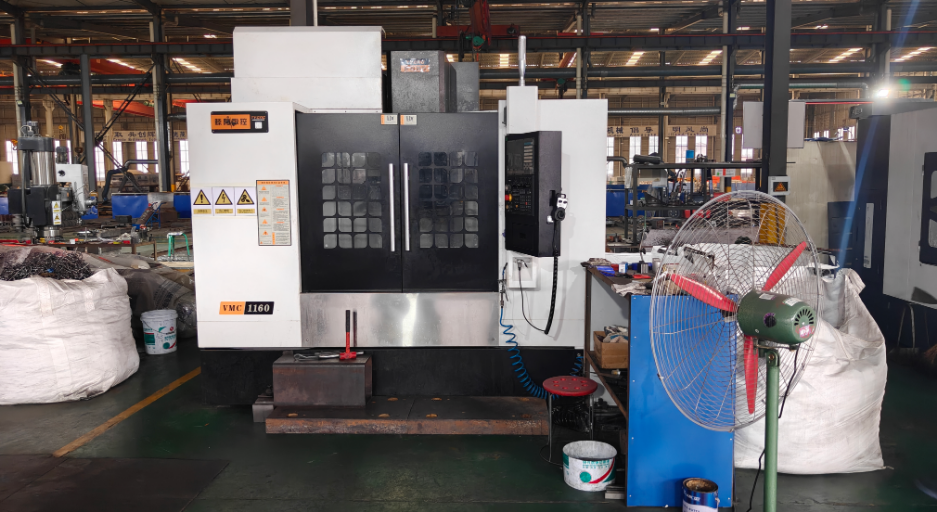
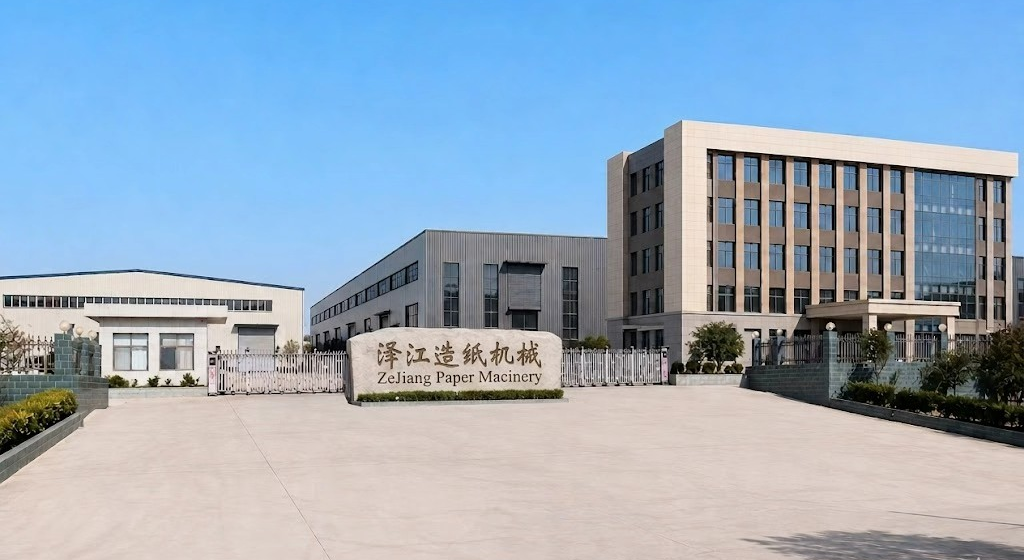
"We don’t just sell a forming fabric on its mesh number. Before we even consider cutting a fabric, we need to understand the machine speed, the grade, the drainage elements - same weave on a machine that might be running fine for an entire campaign, might mark the sheet on a different machine. The match to the position is what saves a mill from pointing to the fabric as the cause of their problem."
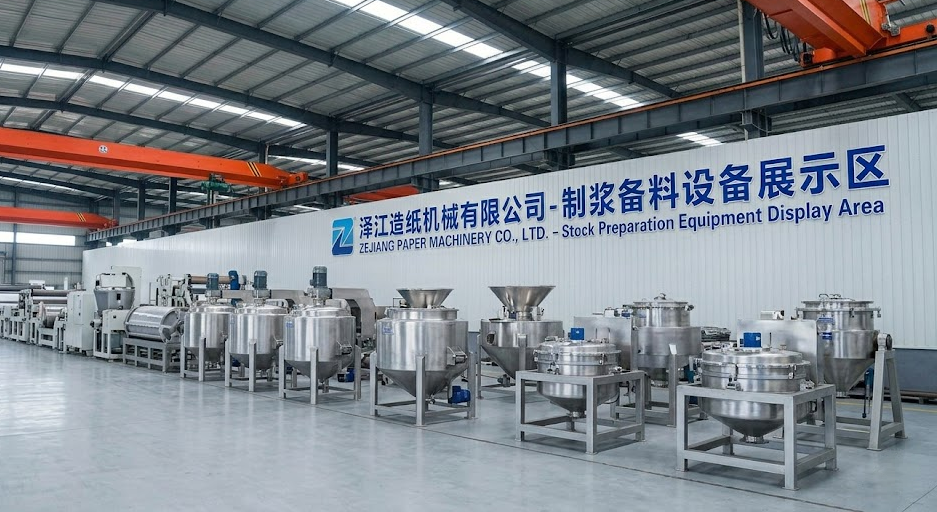
As a paper machine manufacturer and supplier for pulp and paper making machine and their spare parts, we promote the Forming Fabric as a full component of the Wet End - rather than as an independent loose belt. As such, we can explain how the Fabric works together with your Head Box, Foils, Vacuum Boxes, and Couch, as well as how it hands off the Sheet to your Press section.
POLYESTER MONO
Hydrolysis-resistant yarn options
HEAT-SET
Dimensionally stabilized
MADE TO SIZE
Endless or pin-seam
WET-END SUPPORT
Whole forming-section context
Forming Fabric Engineering Tools
Forming Fabric FAQ
What material is a forming fabric made of?
Modern forming fabrics are woven from polyester (PET) monofilament yarn, chosen for tensile strength, abrasion resistance and dimensional stability. Hydrolysis-resistant yarns are available for positions with aggressive white-water chemistry. Older "forming wire" and "fourdrinier wire" used metal cloth; polyester has replaced it in almost all machines.
Are forming fabric, forming wire and fourdrinier wire the same thing?
In papermaking, yes — they all name the woven screen at the wet end that forms the paper sheet. "Wire" is the historical term from when the element was metal; "forming fabric" is the modern polyester product. Note that "forming wire" also means something unrelated in the metal-spring industry.
How do I choose between single, double, triple layer and SSB forming fabric?
Match construction to machine speed, paper grade and wear environment — not to mesh number alone. Faster machines and finer grades move you toward triple layer and SSB for higher fiber support; lower-speed board and packaging grades often run well on single or double layer for drainage capacity. Use the selection matrix above as a starting point, then send your machine data for a specific recommendation.
Why does my forming fabric wear out early?
Premature wear is usually a machine-to-fabric mismatch, not just fabric quality. The wear-side design (weft-sliding vs warp-sliding), plus the drainage elements — foils and vacuum boxes — often drive fabric life more than the fabric on its own. A wear side matched to your machine's abrasion load is the fix.
Can you make custom-size and endless forming fabrics?
Yes. Every fabric is made to your width and circumference, as an endless loop or a pin-seam fabric depending on your threading access. Mesh, yarn diameter and layer construction are specified to your position rather than sold from a fixed catalog.
What parameters do you need to quote a forming fabric?
Machine width and fabric circumference, paper grade and basis weight, design and operating speed, former type, and your current fabric's construction and life. Those let us quote the right construction the first time instead of guessing from a product page.
![Refiner Plates & Screen Baskets [Complete Guide]](https://zjpapermachine.com/wp-content/uploads/2026/07/refiner-plates-screen-baskets-guide-featured-150x150.png)
![Doctor Blade: Types, Materials & How It Works [Guide]](https://zjpapermachine.com/wp-content/uploads/2026/07/doctor-blade-guide-featured-1-150x150.png)
![Pulping Equipment: How Paper Pulping Works [Guide]](https://zjpapermachine.com/wp-content/uploads/2026/07/pulping-equipment-guide-featured-150x150.png)