01

Paper Machines

Paper Machines: Kraft, Corrugated & Tissue Paper Machine Lines

A paper machine only earns its place in your mill when it holds grade and runs shift after shift on the furnish you can actually source. Henan Zejiang Paper Machinery builds complete Fourdrinier and cylinder-mould paper machine lines — kraft, testliner, fluting, and tissue — for developing-market mills that need turnkey installation and a spare-parts pathway they can rely on, not just a machine on a container.

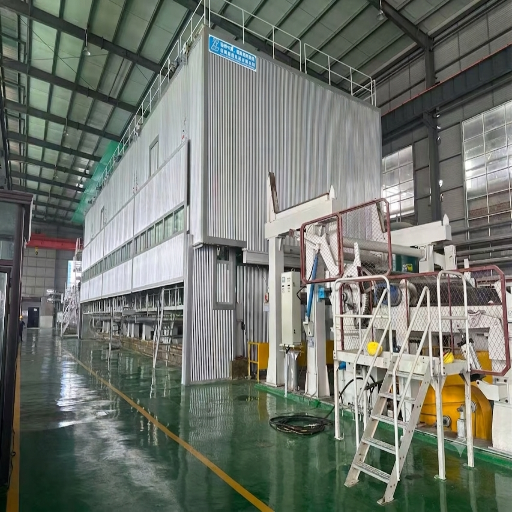
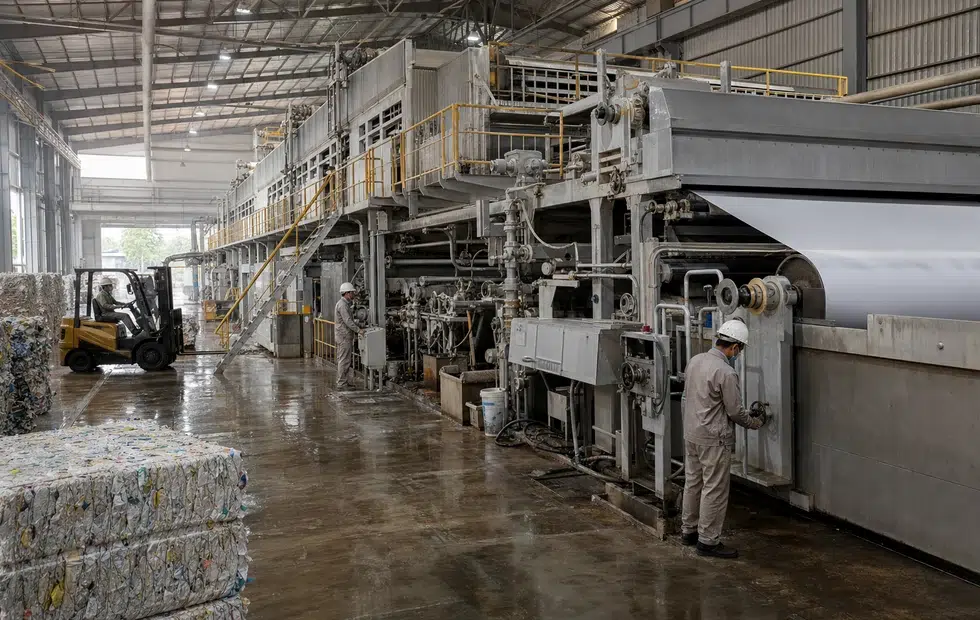
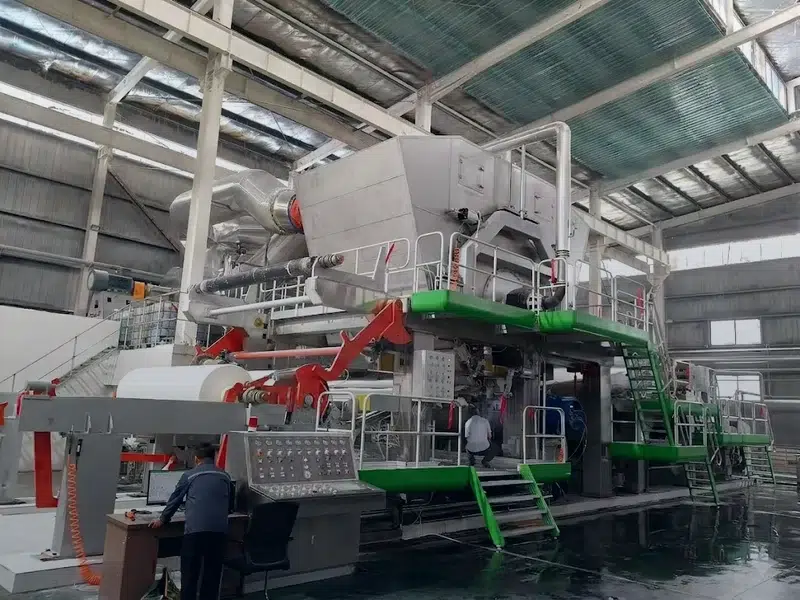
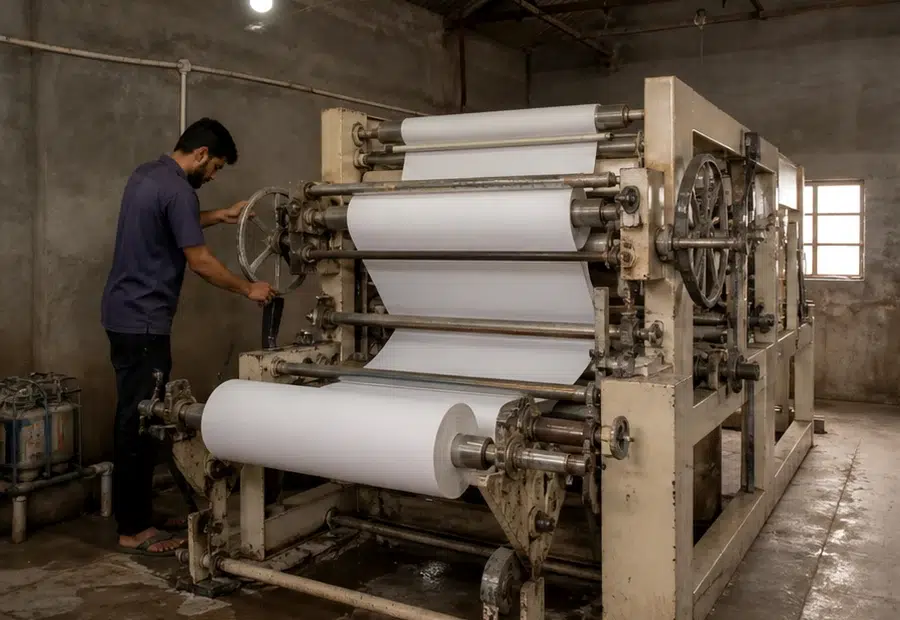
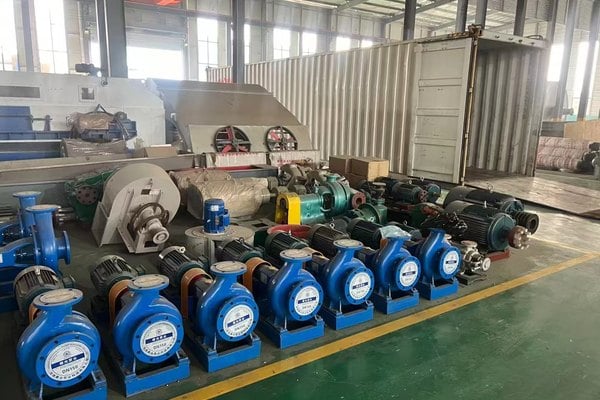
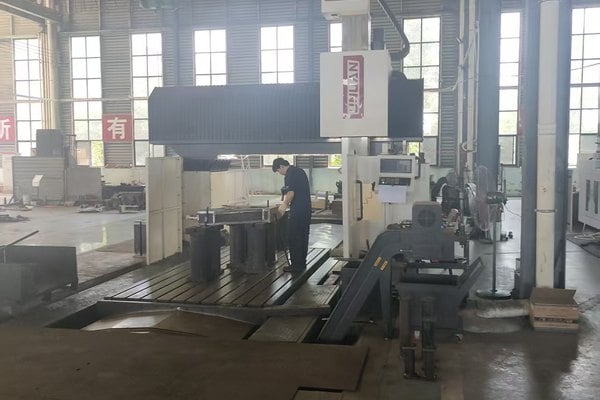
High-Tech Paper Machine 1
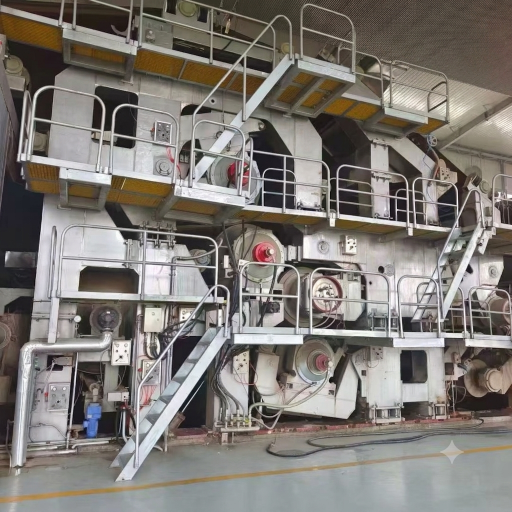
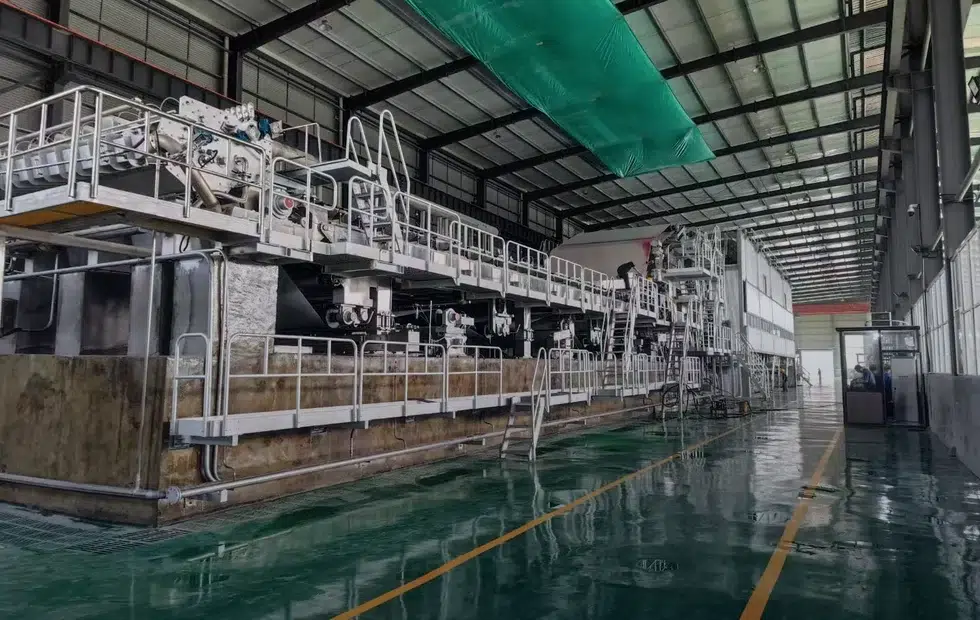
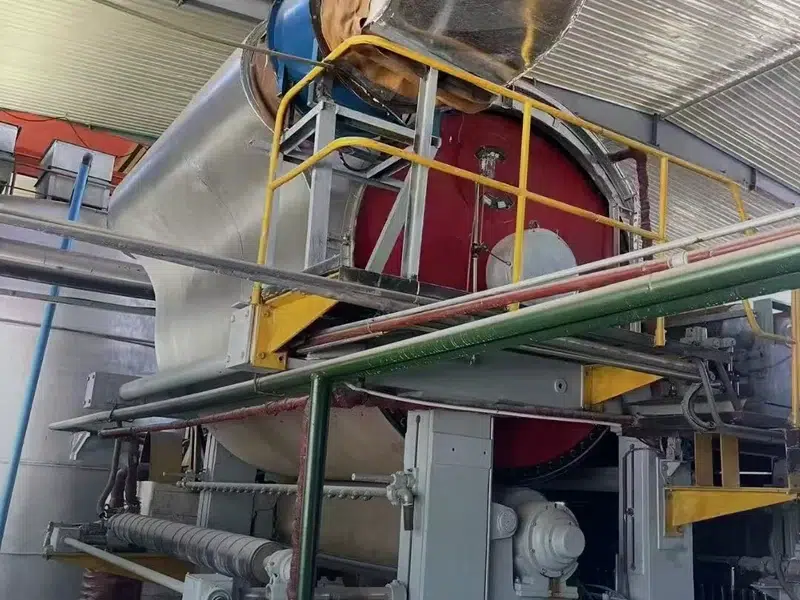
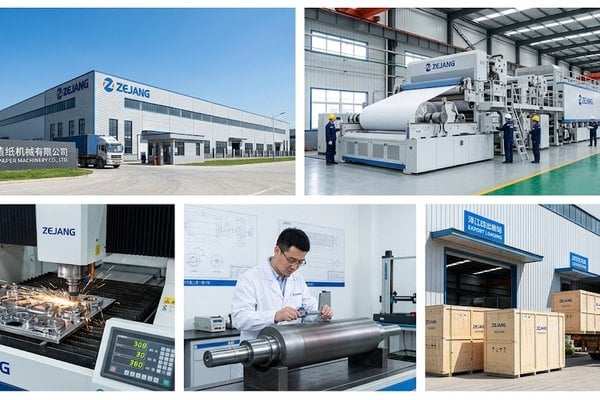
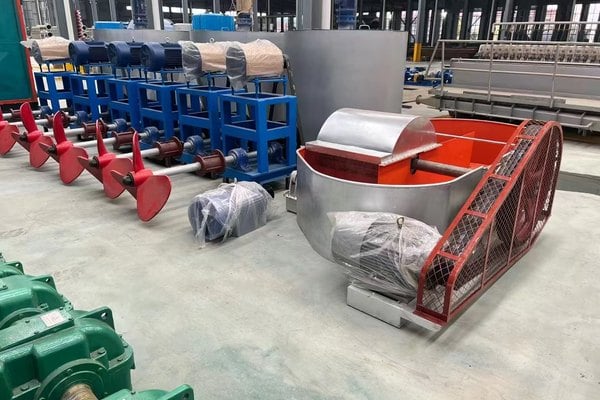
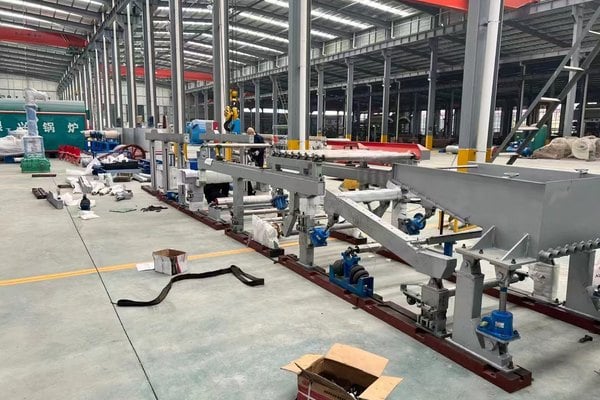
High-Tech Paper Machine 2
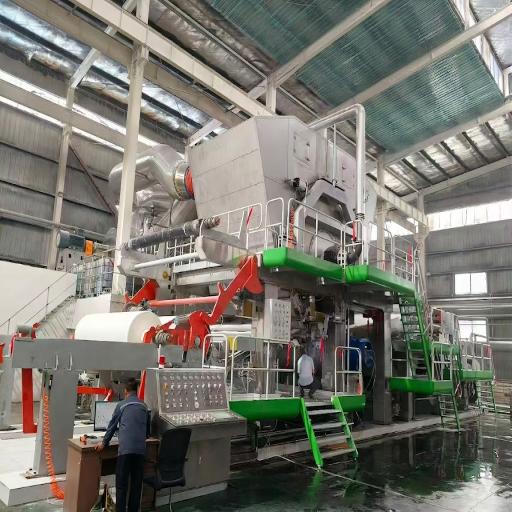
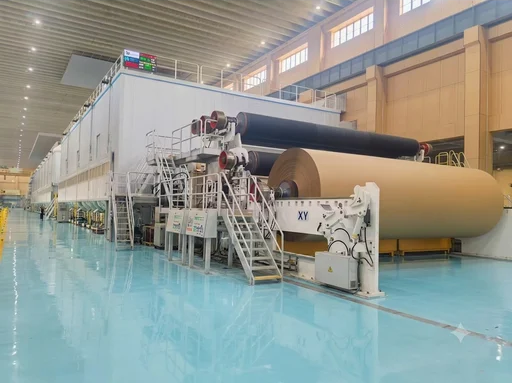
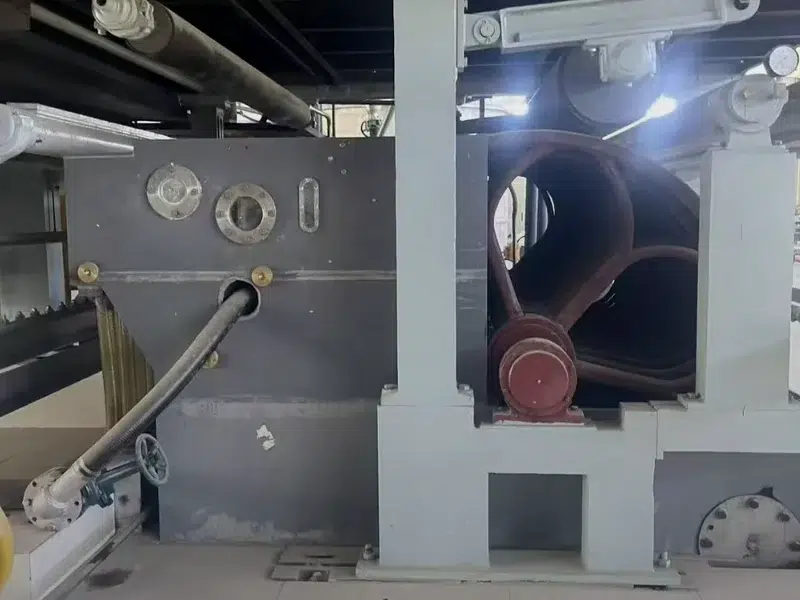
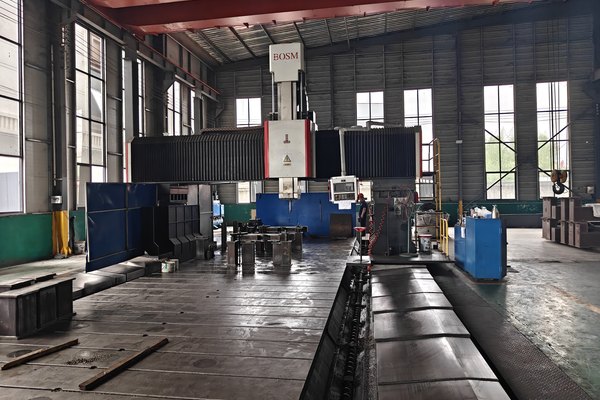
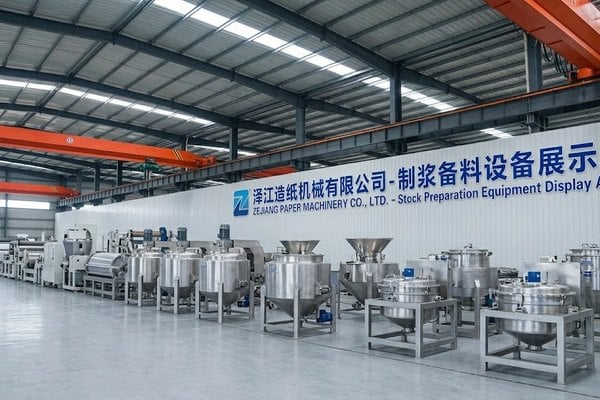
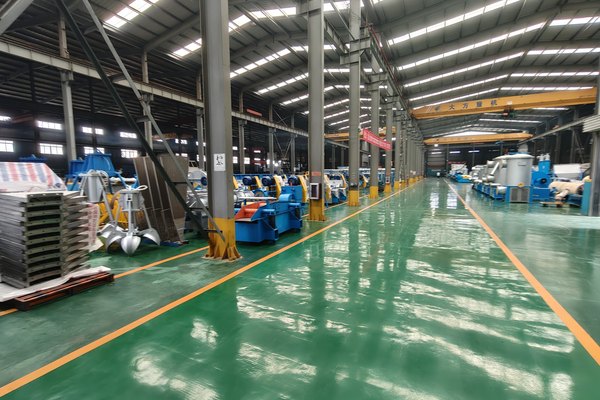
High-Tech Paper Machine 3
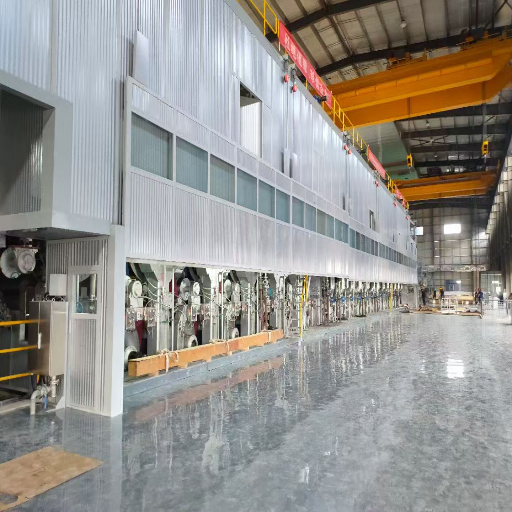
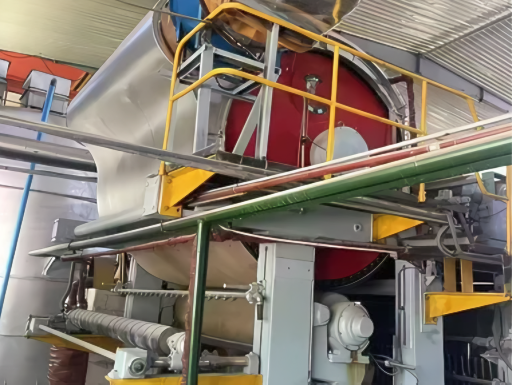
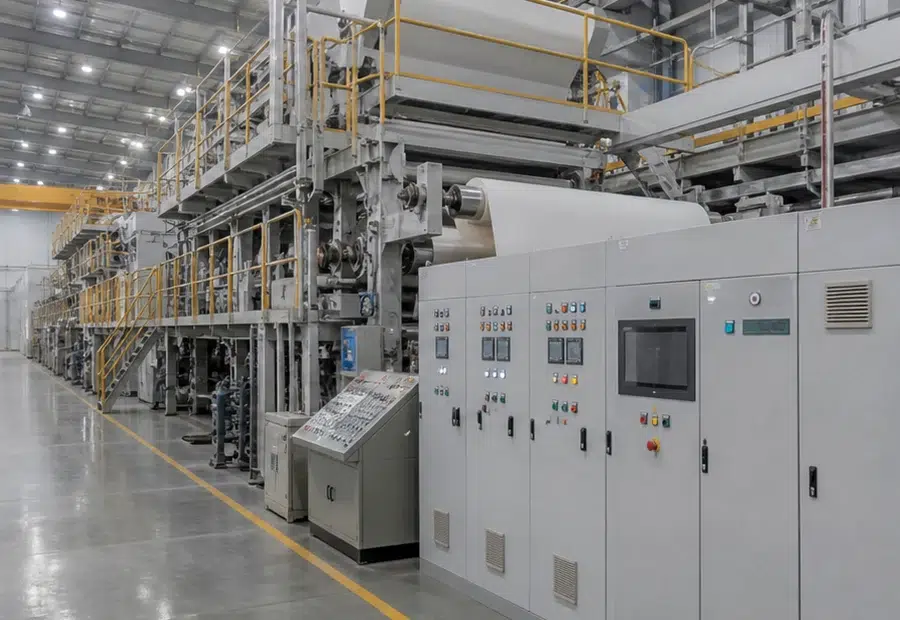
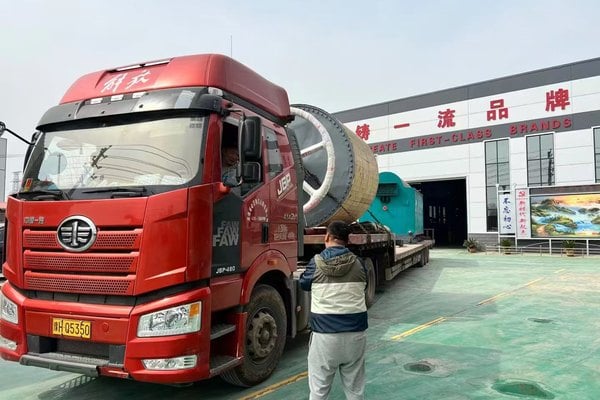
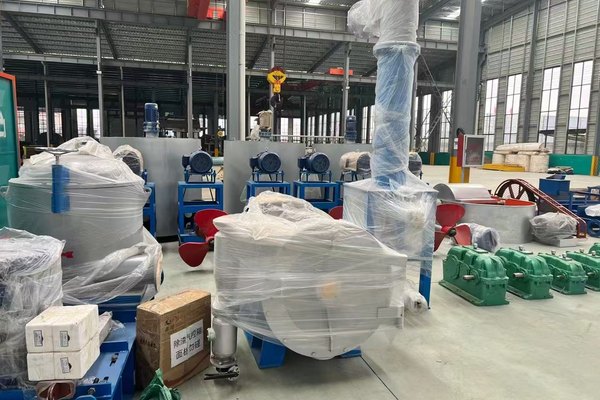
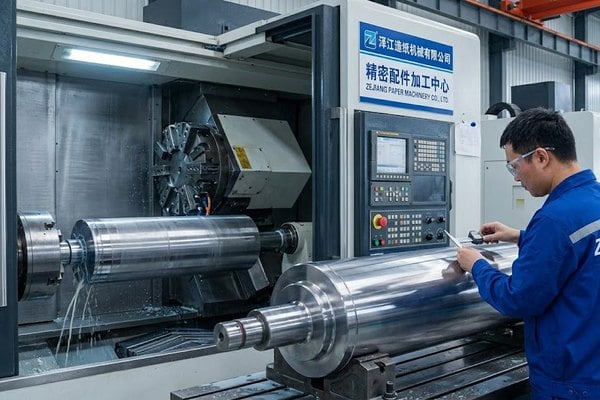
High-Tech Paper Machine 4
5–1,200 Capacity (TPD)
120–1,200 Speed (m/min)
1,760–7,200 Trim Width (mm)
12–350 Basis Wt (gsm)
New / Rebuilt Supply Modes
Turnkey Install + Spares

The Real Constraints on a Developing-Market Paper Mill

Most paper mill projects in India, Pakistan and Bangladesh don’t fail on machine technology. They struggle on everything around the machine: unstable grid power, load-to-load variation in recovered fibre and OCC, financing, and thin after-sales support. High raw material costs – waste paper, imported pulp, wood chips – plus surplus capacity, volatile raw material, and outdated machinery squeeze any line that can’t hold quality.

A paper machine that ignores those constraints looks impressive on a datasheet and then loses 10-15% of rated output in the plant.

Generated paper mill line with recovered fibre bales and operators inspecting machine sections

Why?

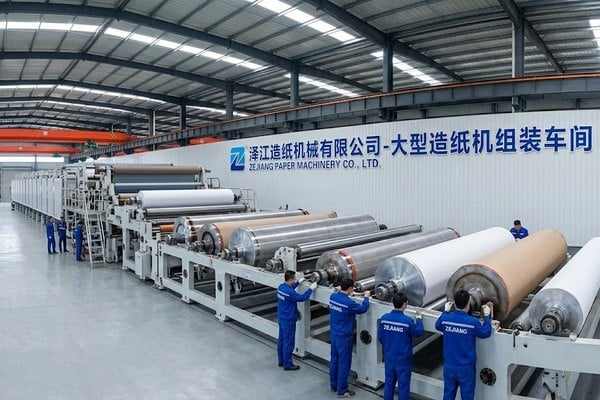
Because a paper machine isn’t one unit – it’s a chain of machine sections (stock preparation, headbox, forming/wire, press section, dryer section, calender, reel) and the weak link on variable furnish is almost always stock preparation and pulping equipment, not the forming table. That’s the reason a line rated at 200 TPD on clean pulp can slip below 150 TPD on 90 gsm testliner made from mixed OCC.

Our lines are engineered to size refining, cleaning and dewatering around the furnish you can actually buy – the whole paper making machine process, from pulping through calendering, built around your grade and fibre reality. Across the pulp and paper industry, that furnish-first discipline separates a line that runs from one that re-threads.

Confirmed Against Your Grade

Unlike a generic “packaging machine” sold on tonnage alone, we confirm against your grade before build. In practice, a testliner producer running 120 gsm at a 3,500 mm trim and a tissue start-up at a 2,800 mm width are two different machines, not one catalogue SKU.

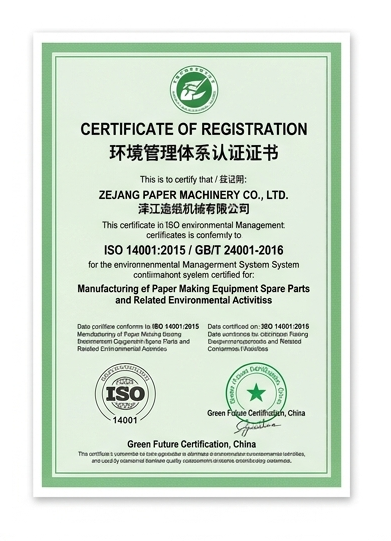
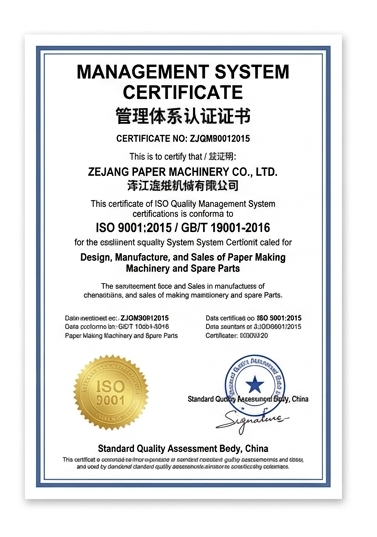
Every line ships only after a Factory Acceptance Test in our own factory, backed by ISO 9001 quality management and years of installation experience across South Asia – the resolution to the trust and lead-time gap that sinks first-time imports.

Factory acceptance tested paper machine configured to customer grade width and furnish

Kraft, Corrugated & Tissue Paper Machines

Packaging grades are where most emerging-market capacity is added, and they are unforgiving on runnability: a kraft or testliner line has to hold ring-crush and burst at speed while feeding on variable OCC. The problem is real – surplus low-grade capacity plus volatile raw material punishes any line that cannot hold quality, and re-threading after a web break is expensive. Why? Because under-specified stock preparation and drying, driven by fibre swings, is the root cause; the resolution is to configure the Fourdrinier (or multi-wire/gap former), press and dryer section engineered to a specific grade and capacity band, not a generic paper manufacturing unit. Every configuration is verified in-house against ISO 536 grammage targets before it ships.

Inside the forming section

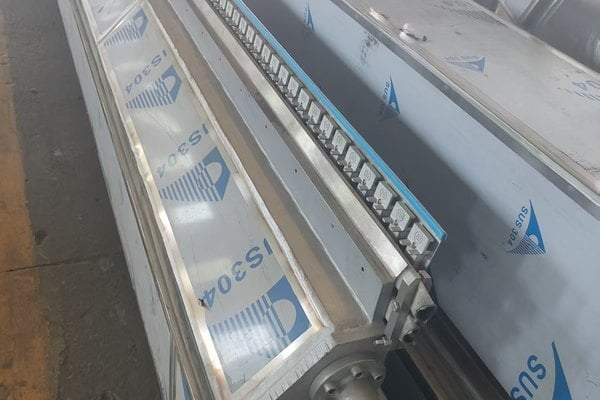
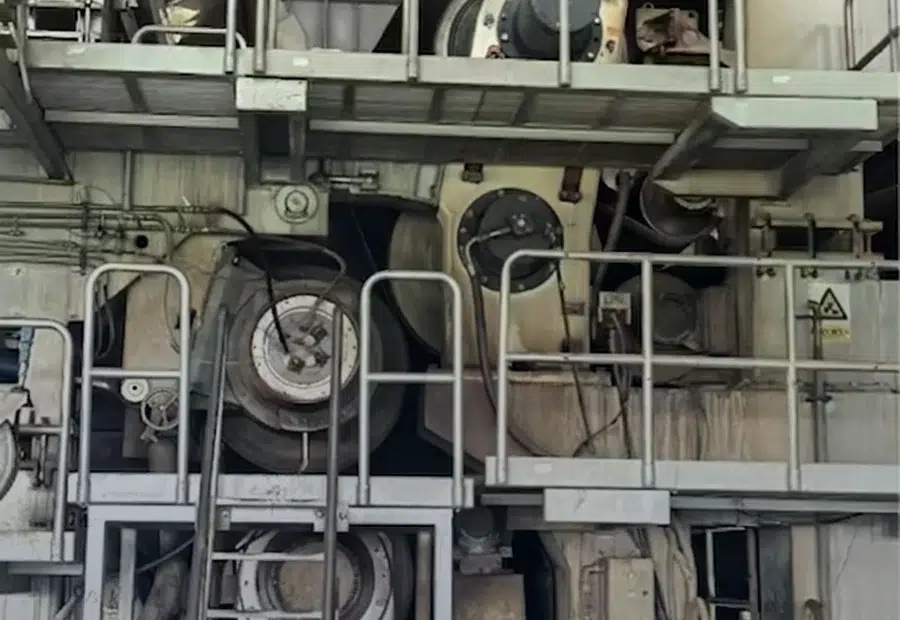
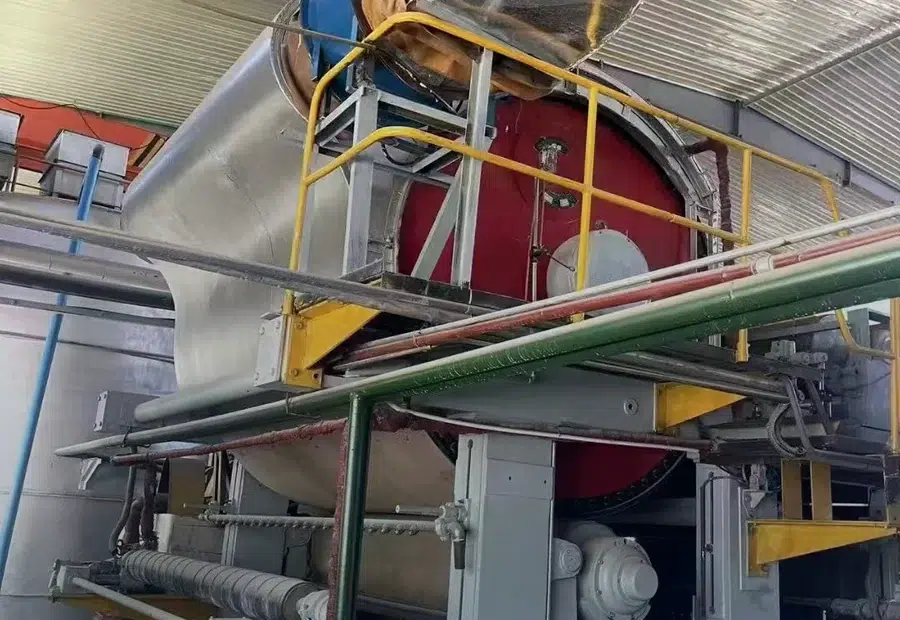
In the forming section, the headbox lays a dilute fiber slurry of cellulose fibres onto a moving fabric — a flat wire on Fourdrinier machines, a twin wire machine on gap formers, or a rotating vat on cylinder units. Table rolls and vacuum boxes drain the wet paper web while orienting fibres in the machine direction that sets strength. This papermaking process step — whether the furnish is virgin pulp or recycled paper — decides sheet formation and the finished paper surface. It is why serious pulp and paper mills, not just the machine manufacturers’ brochures, specify a papermaking machine to grade: getting the paper making process right is what lets a modern paper line produce paper cost-effectively, making paper that holds spec shift after shift.
Engineering note, grammage & grade

Basis weight (grammage) is expressed per ISO 536 and TAPPI T410 as mass per area in g/m². That one number sets forming consistency, press load and dryer demand, which is why grade, not just tonnage, dictates the setup of a repeatable paper making. A machine sized solely by TPD, without grade lock, is the most common cause of a packaging line ending up off-spec.

The table below gives industry-typical configuration bands by grade so you can locate your project before an RFQ. These are class ranges for scoping – your exact build is confirmed against target grade, fibre and speed.

Grade Basis weight (gsm) Typical capacity
Kraft Liner 125–350 100–500 TPD
Test Liner 100–250 100–436 TPD
Fluting Medium 80–180 60–300 TPD
Sack Kraft 60–120 50–200 TPD
White-Top Board 140–450 100–800 TPD

This is the selection logic that our application engineers follow when mapping a grade and a capacity to a machine class – a named Paper Machine Capacity-to-Grade Selection guide, not a simple checklist.
Your target Former Best-fit class
Testliner 100–150 gsm Fourdrinier Small kraft line
Kraftliner 150–250 gsm Multi-wire Medium line
Fluting 90–140 gsm Fourdrinier Corrugating line
White-top 200–350 gsm Multi-ply headbox Board machine
Kraft and corrugated paper machine configuration bands by grade capacity and basis weight Paper machine decision matrix matching former type to target grade and capacity

Tissue Paper Machines, Crescent Former & Cylinder-Mould Lines

Tissue is the one grade where no supplier publishes actual specifications. Buyers are offered “high speed” and a phone number, a significant risk in the estimation of steam and capacity. That is expensive opacity: a tissue paper machine cannot be properly sized without clearly published Yankee dryer diameter, crepe ratio and operating speed. Why is this important? The Yankee sets the speed limit and the steam cost; this is why a 1.5 m compact cylinder line reaches only about 400 m/min, while a 6 m Yankee crescent former reaches up to 1,800 m/min. Our tissue machines are designed to disclose their operational parameters up front and confirm performance with an in-house Factory Acceptance Test before shipment under ISO 9001.
01
Crescent former tissue paper machine with Yankee dryer for high speed facial tissue production
Crescent former tissue paper machine with Yankee dryer built by Zejiang

Crescent Former

Single-layer forming against the Yankee dryer for high-speed facial tissue and toilet paper.

02
Single cylinder mould tissue paper machine for napkin and toilet paper grades
Single cylinder mould tissue paper machine for napkin and toilet paper production

Cylinder-Mould (Single-Cyl)

Entry and mid-capacity tissue making machine for paper napkin and toilet grades on recovered fibre.

03
Cylinder mould tissue paper line with stock preparation and converting ready reel
Cylinder mould paper machine tissue line stock preparation and reel

Tissue Line + Converting-Ready Reel

Parent reel feed for downstream napkin making and rewinding.

Configuration Basis weight (gsm) Capacity (TPD) Speed (m/min) Yankee dryer
Single cylinder-mould 13–40 5–20 up to 400–600 Compact, 1,500–1,830 mm
Crescent former (mid) 13–32 20–60 800–1,300 ≥ 3 m
Crescent former (high-speed) 12–28 60–100 1,300–2,000 6 m+ steam / air hood

Applications, Cost-Per-Tonne & the Complete Paper Production Line

The buyers of a paper mill invest in certainty - it's the price of lost production time, off-spec reels, and energy over ten years, not the purchase price, which really matters. Since fibre is the dominant operating cost (typically 55-70% of operating costs), and energy the next largest item, a secret 5% drop in quality can be more expensive than any initial saving on cost. Only a complete paper machine that ensures consistent quality and efficient production on the first tonne and every one after is a genuine win in the paper industry.

It’s why we list the whole line - stock preparation, forming, press, dryer, calender, and reel - not just one bit. The battle is between disparate pieces. Instead, a balanced paper production line uses less fiber at the couch, pulls less steam from the dryer, and threads faster after a break. In the field, that’s a difference any operating mill notices daily.

TCO reference · Silver (industry-typical)

Enter your annual capacity (t/year):
t/a
Steam Consumption Optimized dryer section
~1.7–2.0 t
~170k–200k
Electricity Usage Machine study range
301–494 kWh
30.1M–49.4M
Fibre Cost Share Where quality control pays back
55–70%
Dominant Cost
Industry-typical figures (TAPPI PaperCon; Kong 2012, osti.gov; Ghodbanan 2017). Not a Zejiang guarantee — request an application-specific TCO estimate.

Whether for kraft, testliner for corrugated boxes, fluting medium 90-140 gsm, multi-ply paperboard, tissue for facial tissue and napkin converting, or for cultural grades around newsprint weight, the same equation stands.

Industrial Line vs. Small-Scale Machine vs. Global Premium

Most newcomers feel compelled to “just buy the cheapest small machine now.” This strategy creates limitations on speed, automation, and energy, causing the line to become obsolete in two years, which is an expensive lesson. On the other hand, larger isn't always better. A properly sized line of 100-300 TPD may be a better choice from the perspective of capital efficiency and risk management than simply selecting the fastest machine available. The table below presents real numbers rather than qualitative ratings of “high,” “medium,” or “low” to facilitate an accurate comparison for your project. In production, a kraftliner mill at a 5,500 mm trim and a tissue start-up at a 2,800 mm width are not the same machine — bigger is not always better.

Generated industrial paper machine line with PLC control cabinets for automation and capacity comparison Generated small scale paper machine in a modest workshop for low capacity manual production comparison
Small-scale
Industrial
Dimension Small-scale machine Zejiang industrial line Global premium (Voith/Valmet class)
Design speed (m/min) 50–120 200–800 up to 1,200+
Capacity (TPD) 5–30 30–800 300–1,200+
Drive / control Mechanical, manual PLC + sectional drive (Siemens/ABB/Delta options) Full DCS + QCS
Steam use (t steam / t paper) Often > 2.5 ~1.7–2.0 (optimized dryer) < 1.6
Trim width (mm) 500–2,000 1,760–7,200 up to 10,000
Capital vs. support Low price, thin support Competitive price + turnkey install & local spares Premium price, distant support

Capex, Energy & Support Analysis

These two rows, read together, are interesting. When comparing pure price, it's the import from China that's already the bargain - the real delta was never price, but rather certainty and support. Because a 2.5 t-steam line burns about 1/3 more steam per tonne (machine-energy studies) than an optimized 1.7 t-steam dryer, the honest question shouldn't be "cheap versus costly" but "which supplier has the cheapest solution to absorb the dewatering-to-drying energy differential, and the after-sales shortfall at the capex a new mill can absorb". Unlike a machine shipped on trust, every Zejiang line is engineered to your grade and proven by a Factory Acceptance Test in our own factory under ISO 9001, then run in-house before it leaves, whereas a lesser supplier settles disputes only after the container lands — the resolution to the support gap, confirmed against your numbers.

STANDARDS

Certifications, Standards & Factory Acceptance

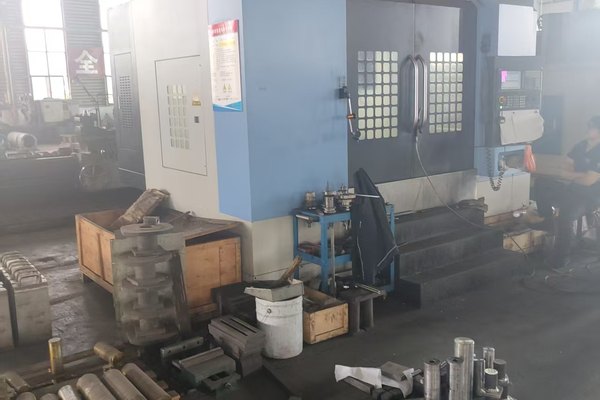
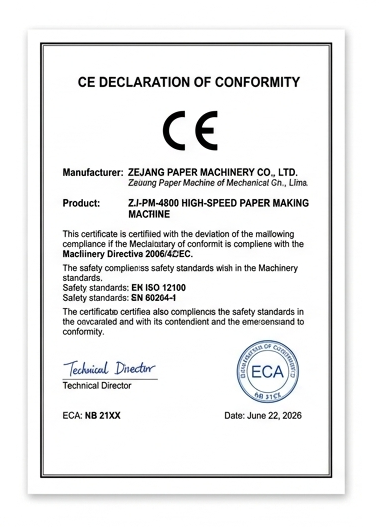
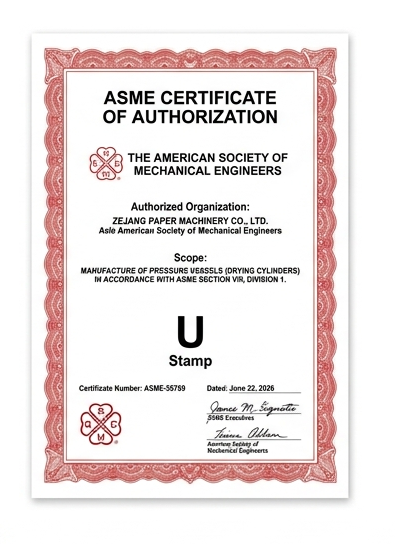
For a novice buyer of Chinese goods, price isn’t the issue - trust is - and if you buy from the wrong source, a catastrophic decision that will cost a lot to unwind, there’s not a great deal you can do. Once stung, smart buyers are beginning to insist on a trip to the factory, a performance test before shipment and a formal, written assurance before paying. But why? Because any line which performs adequately for you at its target grade and production speed has already de-risked more than most; which is precisely why we build our system around precisely those assurances rather than ask you to rely on them. Each of our machines is approved for use in accordance with ISO 9001, CE marked and extensively pre-tested here by commissioning engineers who have seen it all.

"We would rather run your grade on the machine in our own factory before it ships than argue about spec after it lands. A Factory Acceptance Test on your target basis weight and speed is the cheapest insurance either of us can buy."

— Henan Zejiang Engineering Team, paper machinery design & commissioning

× Enlarged View

Buying Guide: Customization & Audits

Two assumptions here are costing mills cash. First, that ‘used is always cheaper’ - which is often a bad assumption once maintenance costs and shortened lifespan are calculated, closing the gap by 20-30%. Second, that a mill always needs a new machine: an upgrade of stock preparation, screens and controls can recover more capacity at less cost than a rebuild. The reason is that the real bottleneck is typically the front of the line - fiber quality, not the whole machine. A targeted upgrade usually trumps rip-and-replace for this reason. We engineer all three options and verify each against an honest audit of your line (new, used or rebuilt) before we give you a quote. ISO 9001 precision engineering, plus years of rebuild expertise and USPTO-referenced OCC know-how (US6340407B1), stand behind it. [ Read More ]
01 New Machine Route
02 Rebuilt / Upgrade Route
03 Used / Refurbished Route
04 Capital Requirement & After-Sales
Request a Detailed Quotation →
01

New Machine Route

Best when: New grade, longevity, warranty, latest efficiency.

Watch-out: Higher capex, longer build.
02

Rebuilt / Upgrade Route

Best when: Existing mill needs more capacity/quality on the same footprint.

Watch-out: Requires honest audit of the current line.
03

Used / Refurbished Route

Best when: Immediate availability, tight capex — including a kraft paper machine for sale from stock.

Watch-out: Maintenance & lifespan can erase the saving.
04

What actually drives your capital requirement

We can’t provide a “sticker price” for the paper machine, because the machine is configured - not cataloged. While a catalog number could mislead you, an accurate quotation depends on: your targeted capacity band (TPD), the complexity of your target grade, trim width, level of automation (manual, PLC/sectional drive or full DCS), how much stock preparation your furnish needs, and whether you’re looking for a new, rebuilt, or used machine.

Your after-sales terms - installation, commissioning and local spare-parts support throughout India, Pakistan, and Bangladesh - will be part of the quote. Submit your target grade, capacity, and fiber to receive a detailed configuration, quotation, and lead time estimate.

FAQ: Paper Machine Buying Questions