Get in touch with Zejiang Paper Machinery Company

REWINDER
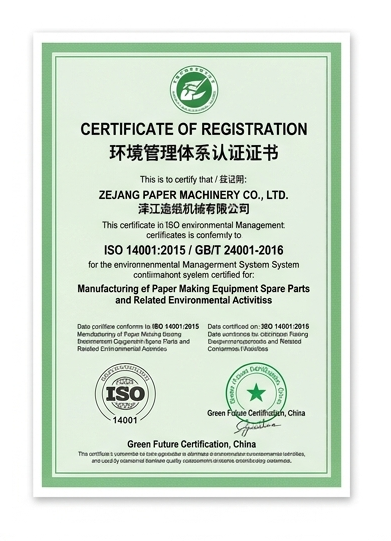
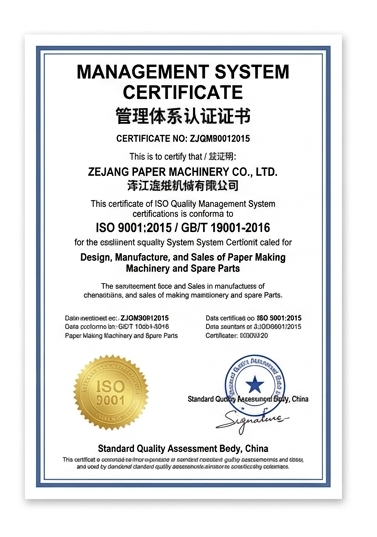
ISO Certified
Paper Rewinder & Pope Reel
Paper Rewinder & Pope Reel Manufacturer — Henan Zejiang Paper Machinery
Half your finished-roll story is dealt with by a paper rewinder; the other half by the pope reel that winds the parent roll off your paper machine. As a web converting equipment builder, we make both, so your winding-to-shipping line is from one engineering team, not two suppliers who have never met.
Auto-Spool:
Continuous Winding Without a Full Production StopFull-Chain:
Design → Manufacturing → Installation → Support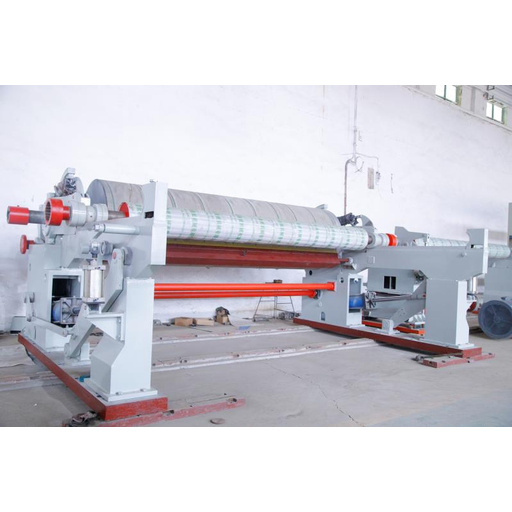
Idx_01
2
Machine Types: Pope Reel + Slitter Rewinder
Idx_02
7
Paper Grades Covered: Kraft to Specialty
Idx_03
3
Winding Configurations: Center / Surface / Duplex
Idx_04
4
Export Regions: Asia, Middle East, Africa, South America
Where Roll Quality Actually Breaks Down
Engineering Note
We design our pope reel drum assemblies (cast iron or welded steel structures, according to your grades) and our slitter rewinder support shafts to accommodate continuous-duty loads, not justpeak load testing. That first failure mode-a structural fatigue issue-will only reveal itself after months of real-world production, never during a factory acceptance test.
There’s a maintenance failure mode, as well, that’s worth clearly naming: unexpected energization during service is one of the most common sources of injury on winding equipment. It's the reason lock-out/tag-out has its own distinct regulatory category apart from point-of-operation guarding.[8] If you can easily and safely de-energize the equipment during blade changes or bearing inspections, you'll get properly maintained machinery. If not, you'll be taking chances during rapid servicing.
This is true for building the winding section-pope reel and rewinder-as one engineered system rather than two independently purchased machines that have an accountability gap between them. Here's how we configure that system by paper grade.
Zejiang Pope Reel & Slitter Rewinder — Models & Selection
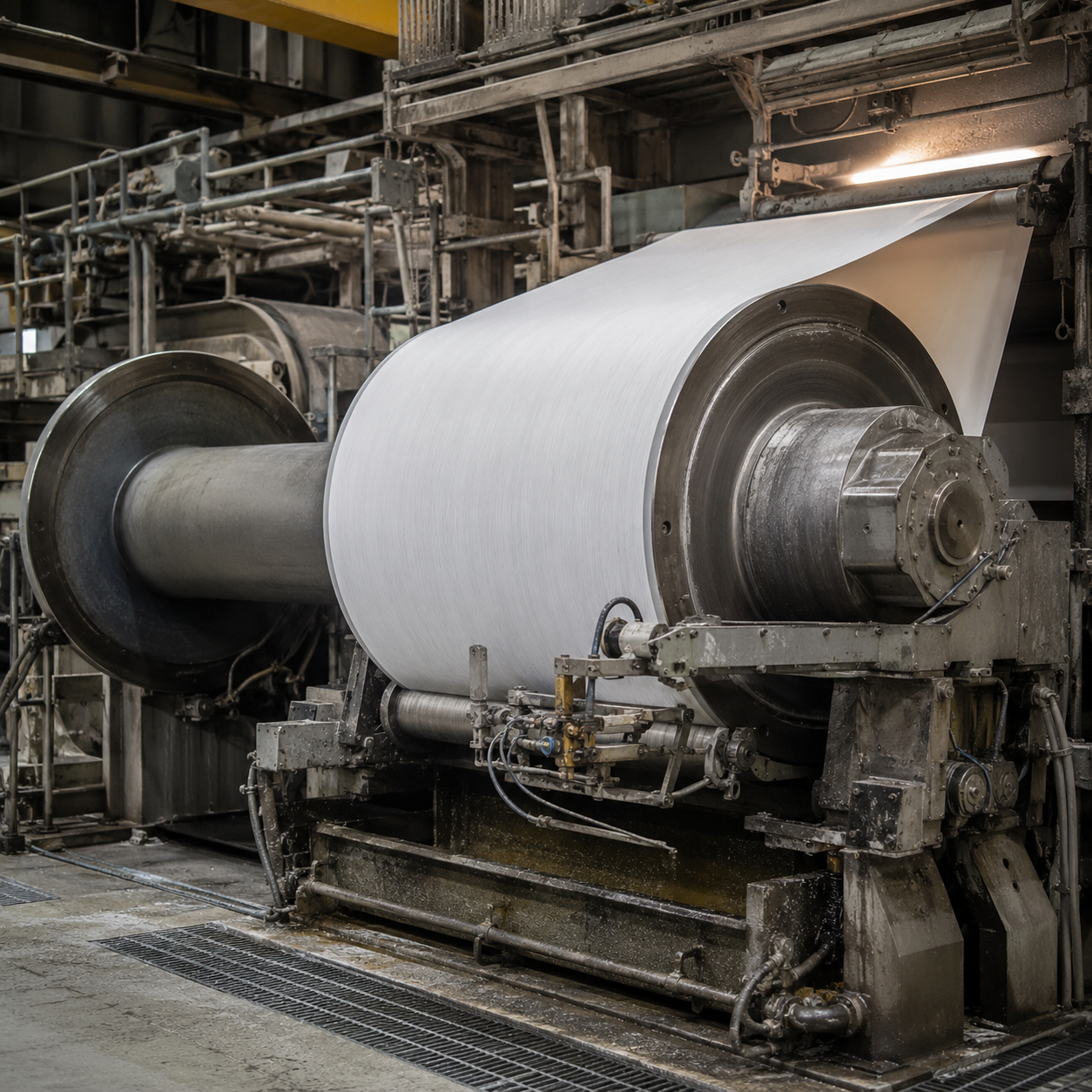
01
Pope Reel (Auto-Spool)
- Winds the continuous web into a parent roll at the paper machine’s wet end.
- Cast iron or welded structural steel supporting drum, selected by paper grade
- Auto-spool change for continuous winding - no full stop for roll changeover
- Electromechanical oscillating doctor to keep the drum surface clean
- Internal drum cooling to manage heat during continuous runs
02
Slitter Rewinder
- Unwinds the parent roll, slits to width, and rewinds finished rolls to your customer’s core spec.
- Center winding, surface winding, or duplex (twin-shaft) configurations
- Blade options matched to material: razor, rotary shear, and score/crush slitting[3]
- Closed-loop tension control across unwind, slit, and rewind zones
- Shaftless or shafted core handling to reduce core consumption
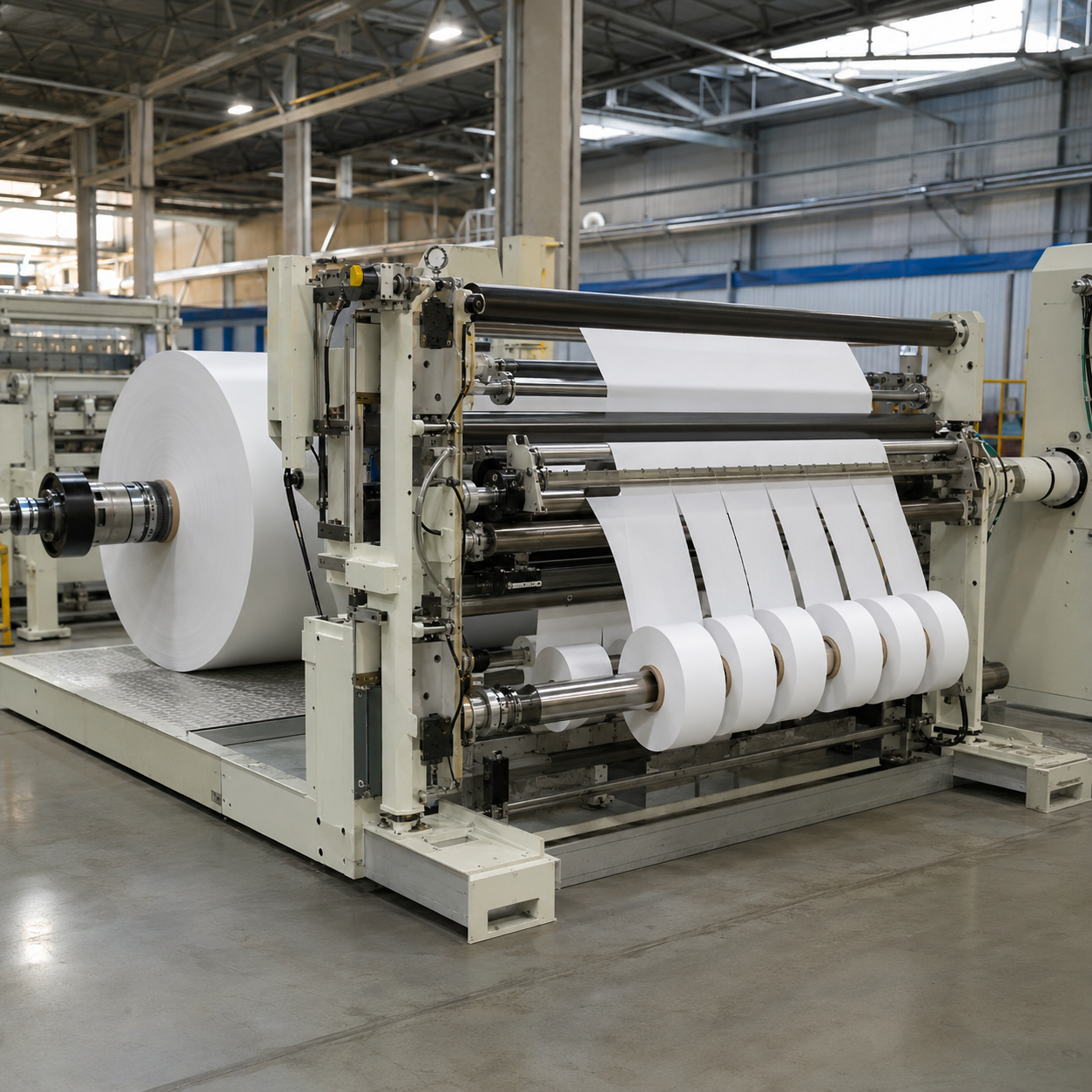
Roll quality is not always guaranteed just by running a faster or more integrated paper roll slitting machine-an independent industry analysis makes the same point we’ve learned the hard way: throughput and roll quality are not the same variable, and a machine tuned only for speed will happily produce fast, inconsistent rolls.[3] Which configuration you need depends less on “how wide is your paper” and more on what the roll has to survive after it leaves your mill-that’s the part a pure width/diameter spec sheet misses, and it’s the same gap an independent 2025 roll-to-roll control study flagged: precision tension control is a real engineering discipline, not a solved commodity feature, because it has to account for subsystem interaction and process disturbance, not just a target tension number.[4] We size the tension-control architecture to the grade, not just the frame — including shaft and drive guarding that meets 29 CFR 1910.219 mechanical power-transmission requirements, since an exposed rotating shaft is a hazard whether the machine is fast or slow.
Configuration Selection Reference
| Paper Grade | Typical Parent Roll Width | Typical Max Roll Diameter | Recommended Configuration | Tension Control Note |
|---|---|---|---|---|
| Tissue / Facial | up to 2,800mm | up to 1,500mm | Surface winding, shaftless core option | High-sensitivity control for light basis weight |
| Kraft / Corrugated | up to 3,200mm | up to 1,800mm | Center or duplex winding | Standard closed-loop tension control |
| Testliner / Duplex Board | up to 3,200mm | up to 1,800mm | Center winding, reinforced drum | Reinforced shaft for board-grade loads |
| Cultural / Specialty | up to 2,500mm | up to 1,600mm | Center or turret (multi-set jobs) | Precision control for coated/printed stock |
Ranges shown are typical for this equipment class across the industry;[3] confirm exact specifications for your grade and volume with our engineering team during quotation.
One trade-off worth being upfront about: a turret configuration is the right call if you're running multiple roll sets per shift and need near-zero changeover time between sets, but it adds mechanical complexity and cost you don't need if your line runs long, single-set jobs-a duplex or center winder does that job just as well for less capital outlay. We’ll tell you when the simpler machine is the better answer, not just quote the more expensive one.
Core handling is the other trade-off buyers underweight, and the honest answer isn't the same for every mill. Shaftless winding reduces the paper or plastic core consumption that adds up over a production year, but it requires tighter tolerance on core diameter consistency than a shafted setup-worth confirming against your current core supplier’s tolerances before you commit to a shaftless spec.
Zejiang Auto-Spool System vs. Traditional Manual/Semi-Automatic Winding
Picking the best paper rewinder for your line isn’t about choosing the most automated option-it’s about matching the machine to your grade mix and shift structure. A manual paper winder machine can still make sense for a low-volume specialty run; the comparison below is about where auto-spool actually earns its keep.
| Factor | Zejiang Auto-Spool System | Manual / Semi-Automatic Winding |
|---|---|---|
| Roll Changeover | Continuous winding, auto spool change | Full production stop required per changeover |
| Slitting Precision | Razor, shear, or score blade matched to material | Typically fixed to one blade type |
| Tension Control | Closed-loop, zone-specific | Manual operator adjustment |
| Operator Roll Handling | Mechanical lifting/positioning per OSHA finishing-room guidance[5] | Higher manual-handling exposure per CDC/NIOSH ergonomics data (lifting, awkward posture)[6] |
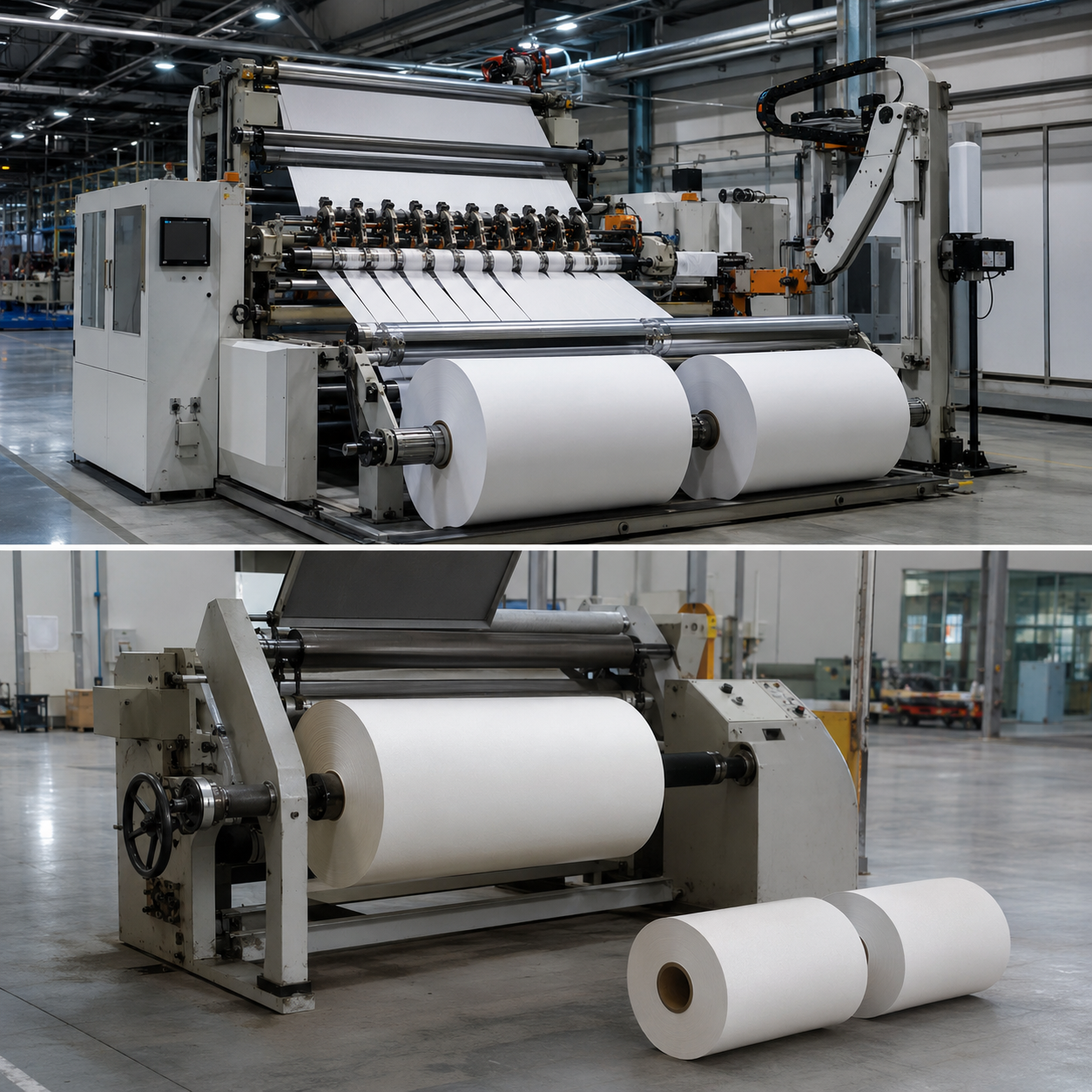
We won't throw a phantom ROI percentage out to you-no mill starts at the same point, and a supplier giving you a concrete number for payback without seeing your current line is simply estimating. What we can give you comes from the outside: independent market research in this equipment category suggests that typical payback on automated winding upgrades falls into the 2- to 6-year window, most of that gain coming from reduced material waste and higher uptime, not just a higher headlined speed.
Industry market research estimates typical payback periods of 2–6 years for automated slitter rewinder upgrades, driven mainly by reduced material waste and higher uptime — actual payback depends on your production volume and current equipment baseline.
Source: third-party market-research estimate (not a peer-reviewed study, not Zejiang's own measured data). Request a configuration-specific estimate for your line.
One frank confession-one that matters more than the spec sheet might imply: While automation decreases the chance of human error in handling and in-roll variance from changeovers, it won’t make up for inadequate tension-control tuning for your particular grade of paper. An independent study from 2025 comparing various roll-to-roll control options on coated and uncoated stocks concludes that the tension control task itself remains a complex interplay between subsystem actions and is not as simply “solved” as many machine vendors would lead you to believe.4 The systems we install we commission on your material, not ours.
Customer Results — Global Paper Line Installation Track Record
These are examples of commissioning projects from Zejiang's work across entire paper machines; winders and rewinders are engineered and installed as part of the same line commission, not as standalone bolt-on solutions bought from a second supplier, because a gap in accountability between two vendors is exactly where the risk of a botched changeover or a missed tolerance hides. Roll-handling procedures during commissioning follow the same finishing-room equipment guidance we design to, regardless of whether the line is new, used, or a mill upgrade.
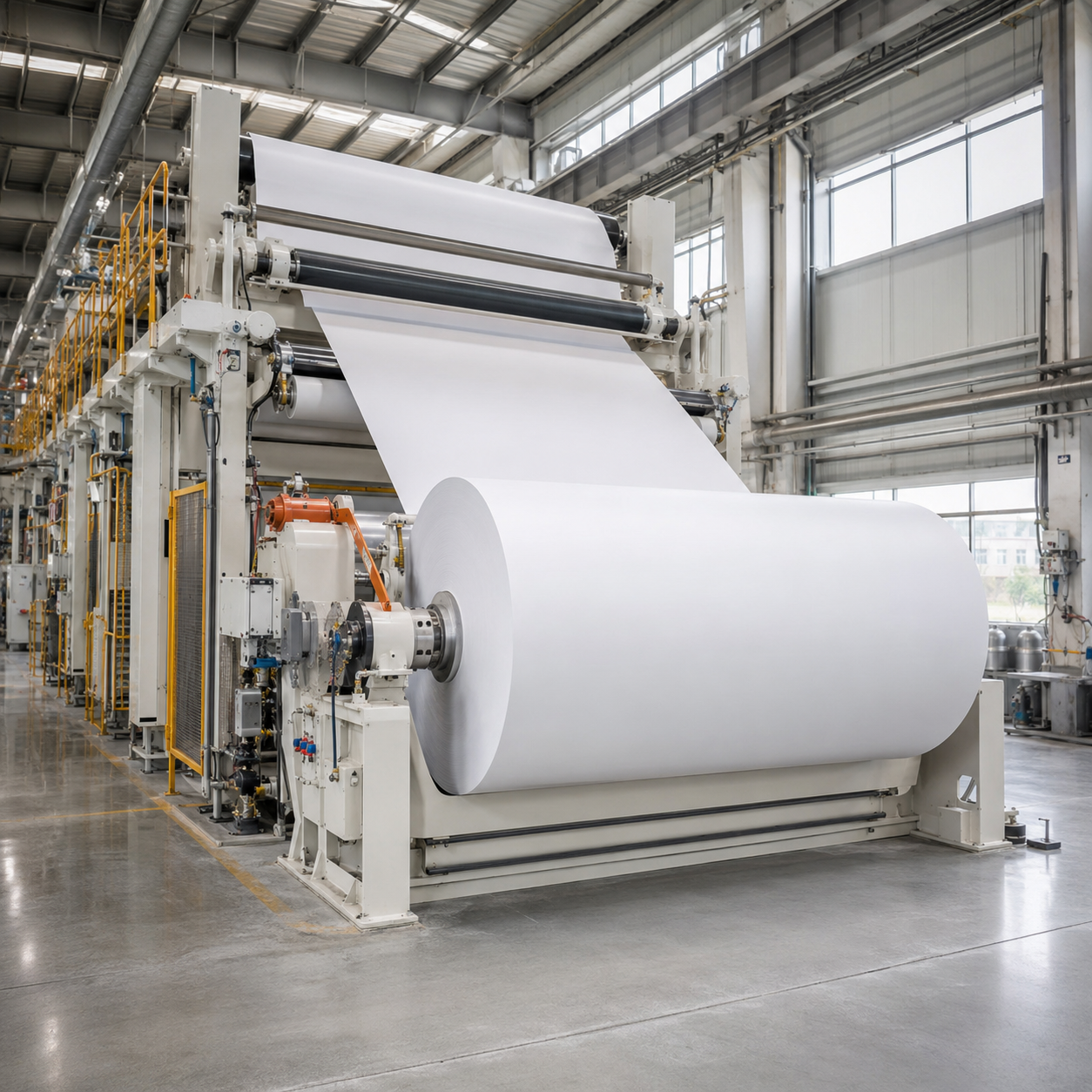
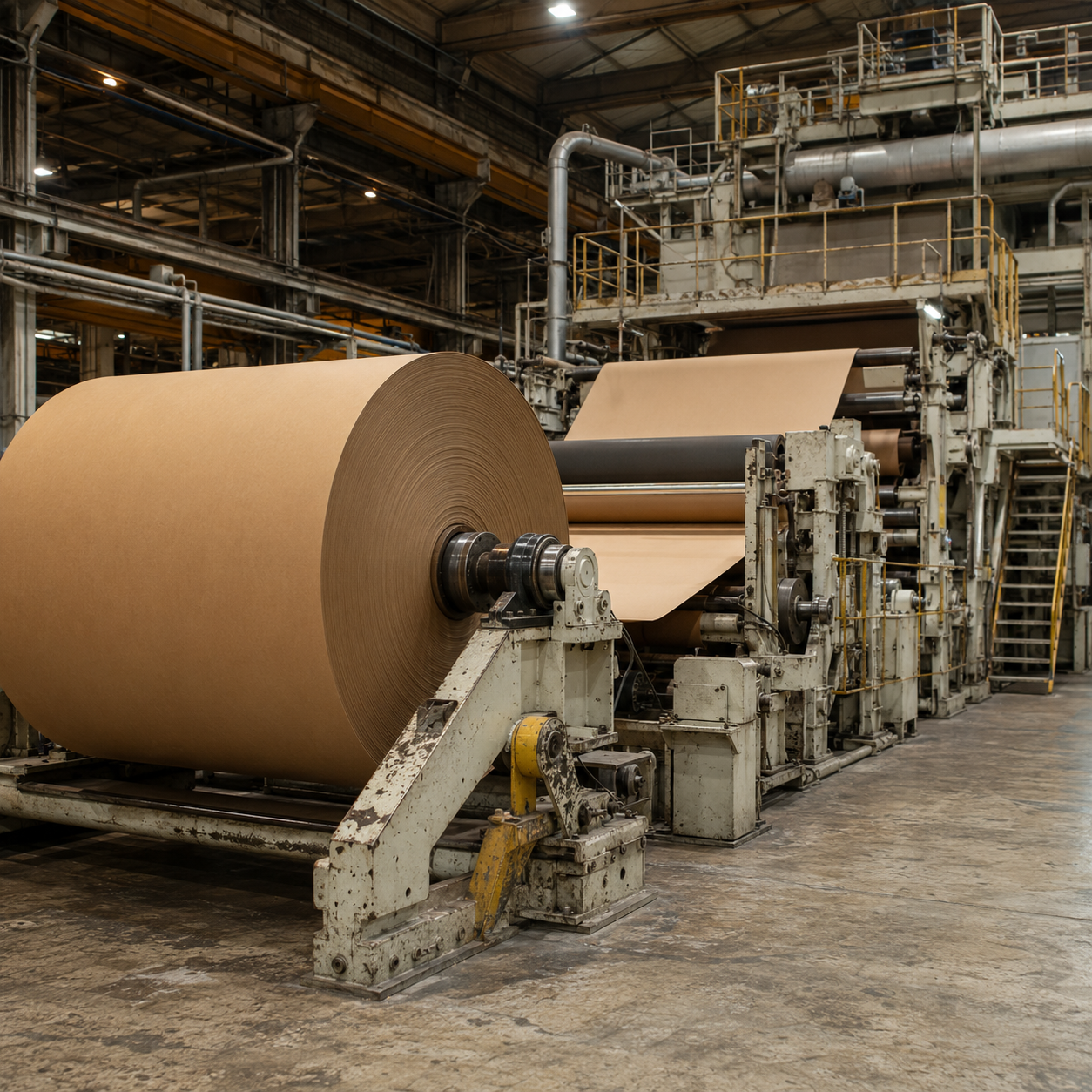
Coated Whiteboard Paper Machine Line
Scope: Complete line installation, including winding/rewinding section
Coated whiteboard, being a coated grade where the rolls require surface care, not just tension control, can show even slight handling marks from over-tensioned nips on a coated sheet in ways they won’t on kraft. Our line installation and commissioning process includes every step from wet end through roll handling, and the winding section was tuned specifically for surface quality in this grade.
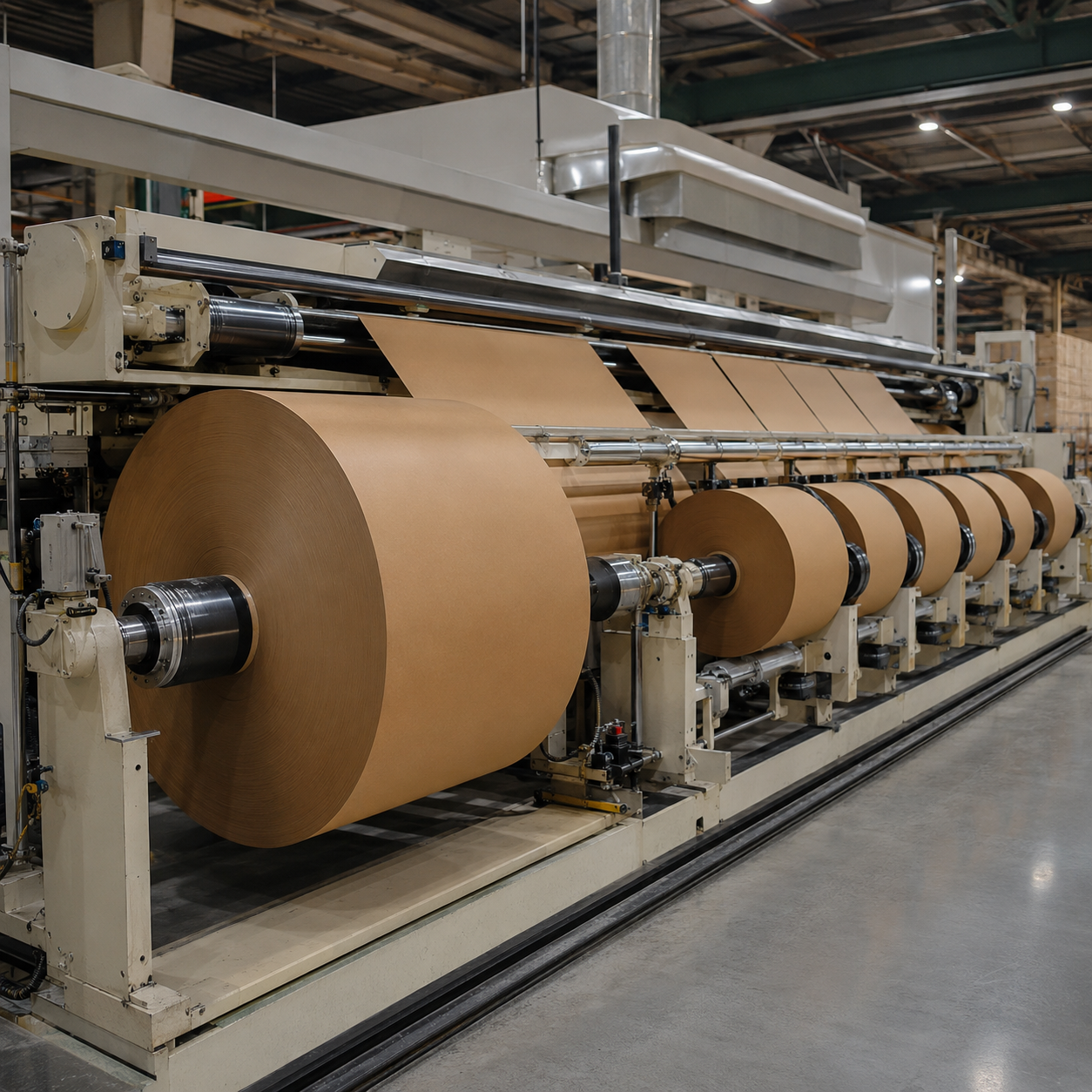
Kraft Paper Machine Line
Scope: Complete line installation, including winding/rewinding section
Heavy-basis-weight Kraft grades and their accompanying line tensions mean that drive performance at the pope reel and winder are critical-when we install drive systems on kraft machines, our commissionings account for the mill's specific actual production speed, not a hypothetical or lab benchmark, as a drive tuned only for peak speed will perform very differently under the demands of actual mill operation.
Used Kraft Paper Machine Line — Vietnam
Scope: Used/refurbished line installation, Vietnam
Refurbished lines pose unique challenges in commissioning, since the winding system must be optimized to accommodate the realities of an existing frame and drive-train specifications, not the theoretical capabilities of a new-build machine. This is why new, used, and mill-upgrade equipment commissions remain in-house, and we don’t subcontract the used-machine component. The engineer commissioned with setting tension on a refurbished pope reel needs to know what the existing infrastructure can handle before starting adjustments.
"On a refurbished line, you can't just install a new pope reel and assume it'll behave like it would on a new frame — you re-tune the tension control against what the existing drive train can actually hold, then you commission it there, not on paper."
Why Choose Zejiang as Your Paper Rewinder & Pope Reel Manufacturer
At Henan Zejiang Paper Machinery, we design, manufacture, remanufacture, install and service your paper machinery system - new, used, upgrade, spare parts - all as a single, continuous scope, not as four separate vendor engagements. This makes all the difference when something goes wrong, three years after startup: you're talking to the team that engineered the winding section, not opening a support case with a middleman who sold the paper machine on. Our installations include equipment and spare parts to paper mills in Asia, the Middle East, Africa and South America and are all based on new lines, used machinery or upgrade applications.
Full-Chain Scope
Design · Manufacturing · Refurbishment · Installation · Support
New + Used + Upgrades
One team across the equipment lifecycle
Multi-Region Export
Asia · Middle East · Africa · South America
Spare Parts Inventory
Dryer cylinders, press/vacuum/couch rolls, headboxes, pulpers & more
[ 01 / 04 ]
Equipment Safety Design
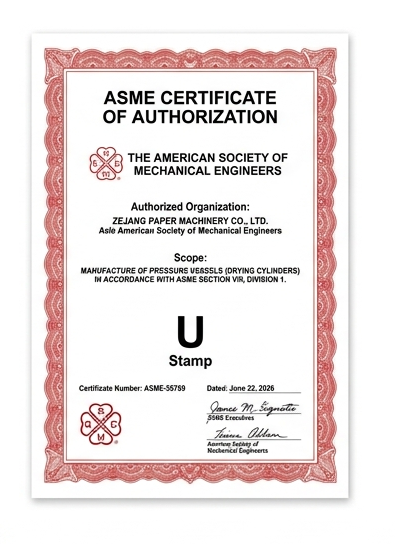
Regulators have identified the specific hazards - rotating drums, in-running nip points, and slitter blades - rather than simply giving a blanket "moving parts" caution. For paper-mill winding and rewinding equipment in the United States, the hazards and requirements for such machines are addressed by 29 CFR 1910.261 (Pulp, Paper, and Paperboard Mills). This regulation requires that the points of contact with slitter knives be guarded, and that nip points on the drum winders and rewinders be guarded by barrier guards interlocking with the drive mechanism. Mechanical lifting devices must also be provided for handling the rolls in finishing-room operations.[5] Machine guarding standards in 1910.212 apply too, covering point-of-operation hazards on calenders and forming rolls.[7]
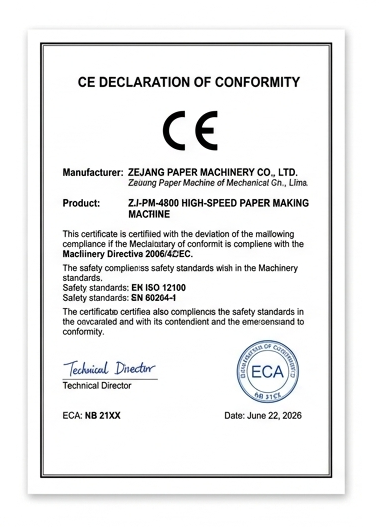
These standards apply because rewinder machine operators spend most of their time at the nip and slitting points - not just during service. We engineer our winding sections for guarding and interlock as defined by the machinery categories above as a matter of standard procedure - not as some special designation we've obtained, but simply as part of basic design standards for the machinery class. This design discipline extends to lockout/tagout accessibility, since a drive that cannot be readily isolated for bearing or blade service is an invitation to unsafe workarounds, a problem which warrants a distinct set of regulations (rather than incorporating the hazardous energy requirements into the guarding regulations). The Paper industry also has its own professional technical society that produces guidance on converting equipment safety (TAPPI); we’re citing the actual OSHA regulation here because our engineering standards are only applied based on what we’re comfortable certifying in house. If your project requires specific third party approvals such as CE, ISO or other regional compliance we ask that you inform us when requesting pricing so we can clarify applicable standards and certifications for your specific application and intended region.
PAPER MACHINERY
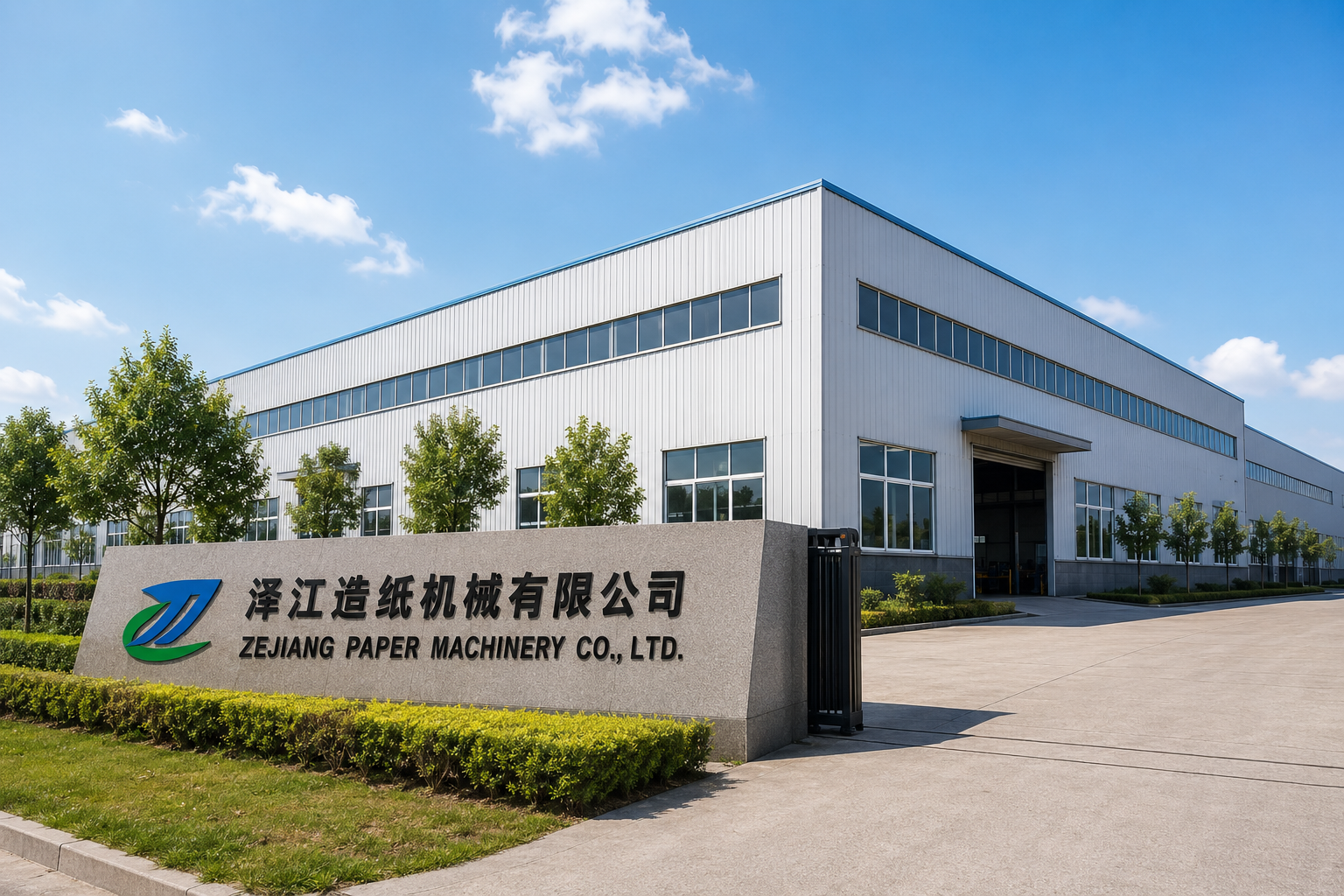
Advanced Paper Rewinder & Pope Reel Manufacturing Facilities
01
Paper Rewinder Factory Overview
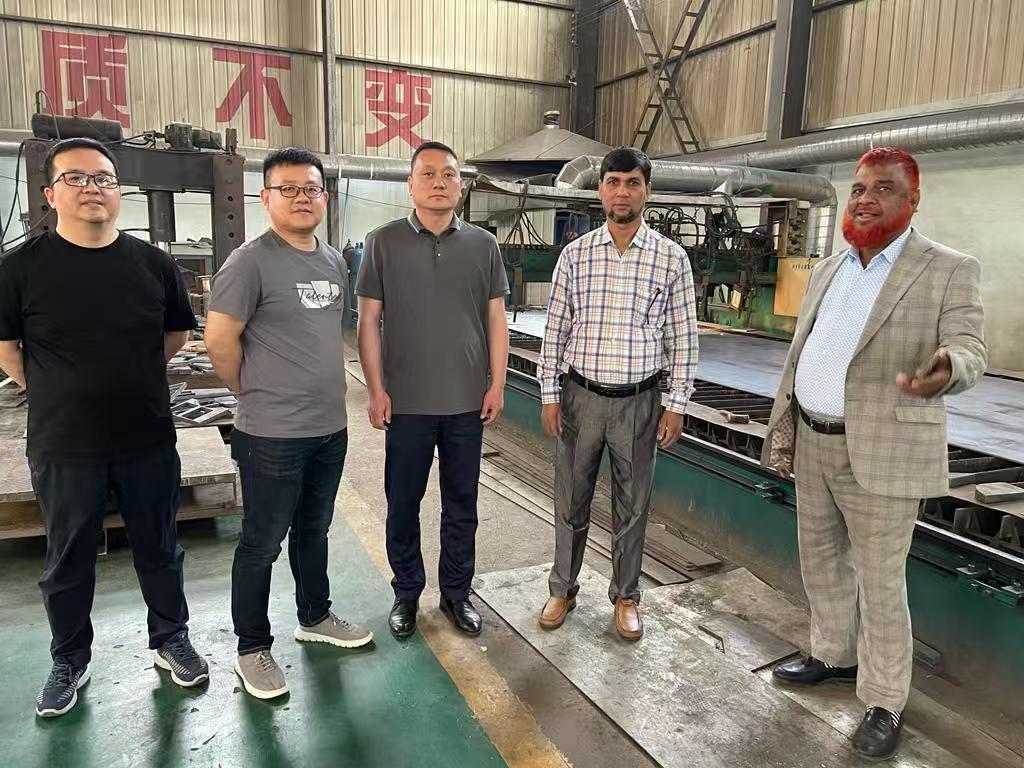
02
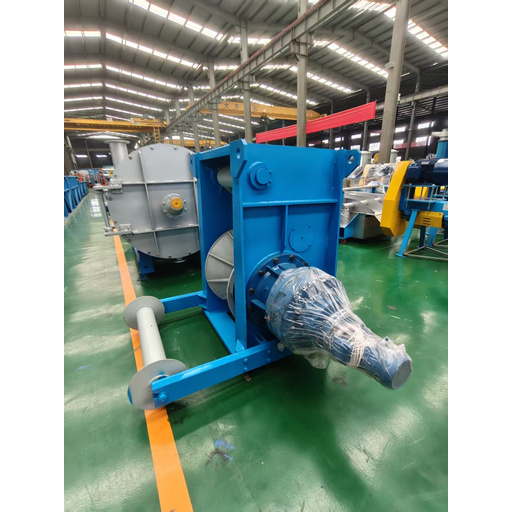
Pope Reel Manufacturing Assembly
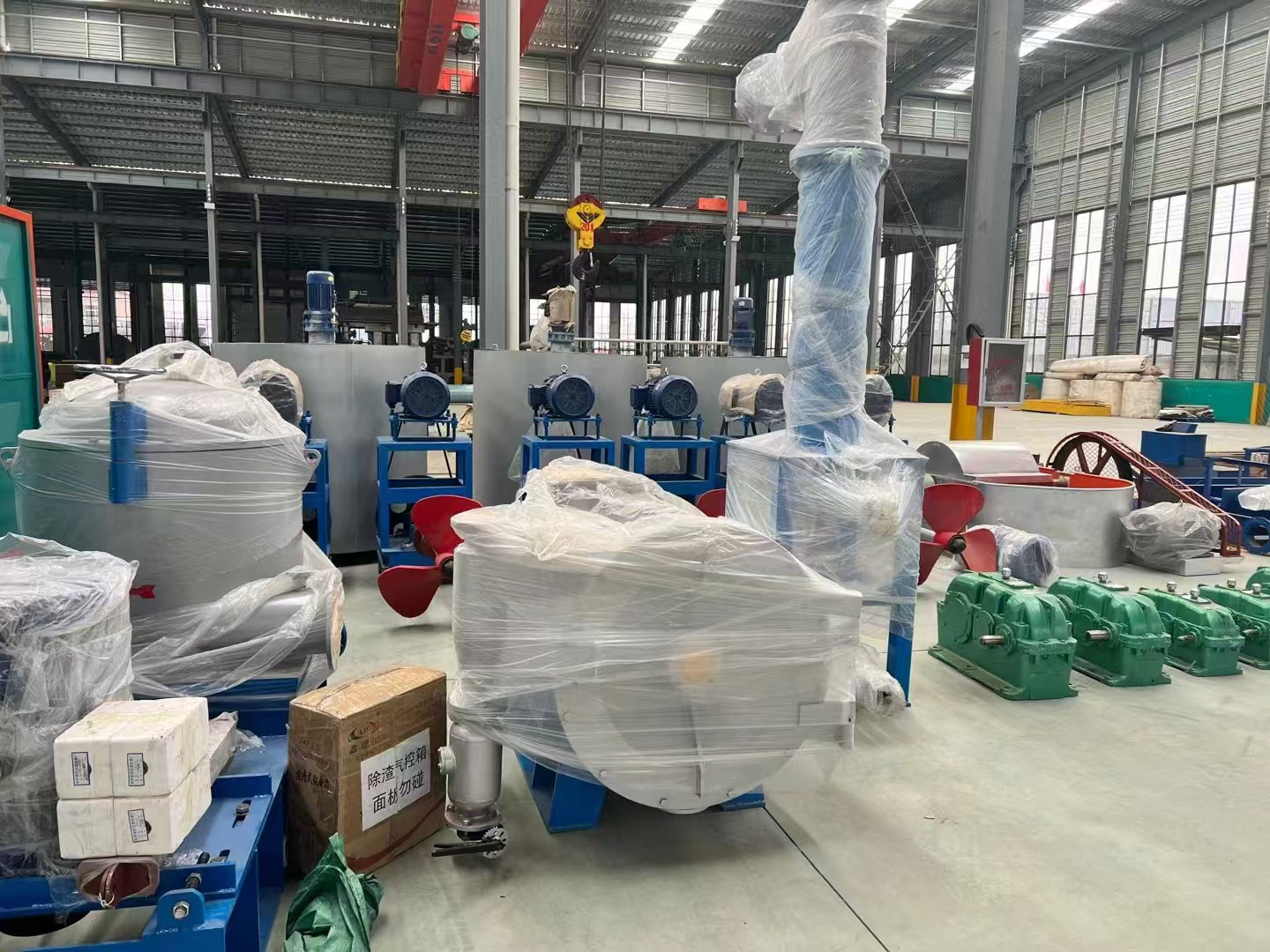
03
Machinery Delivery Workshop
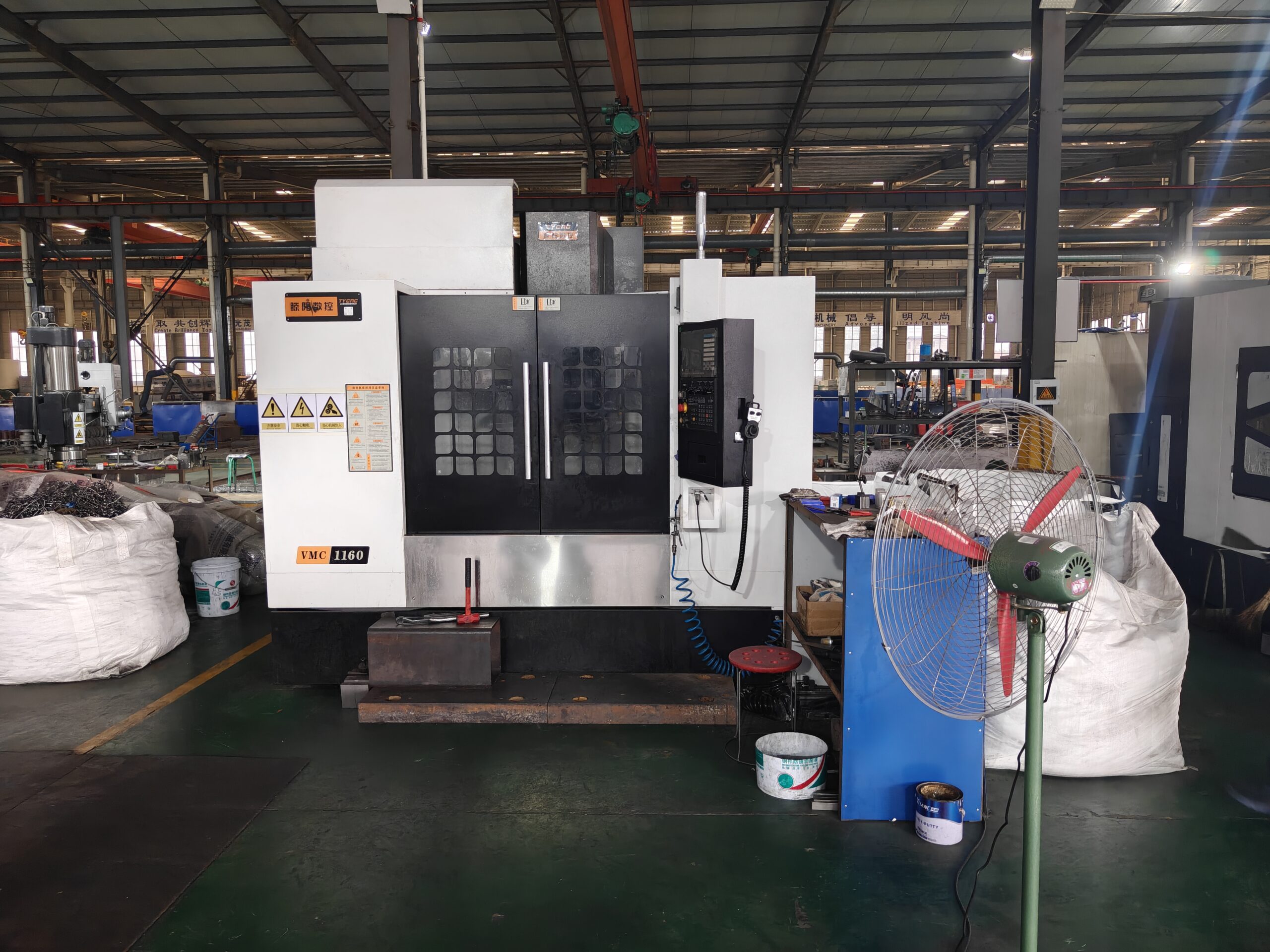
04
Production Floor Layout
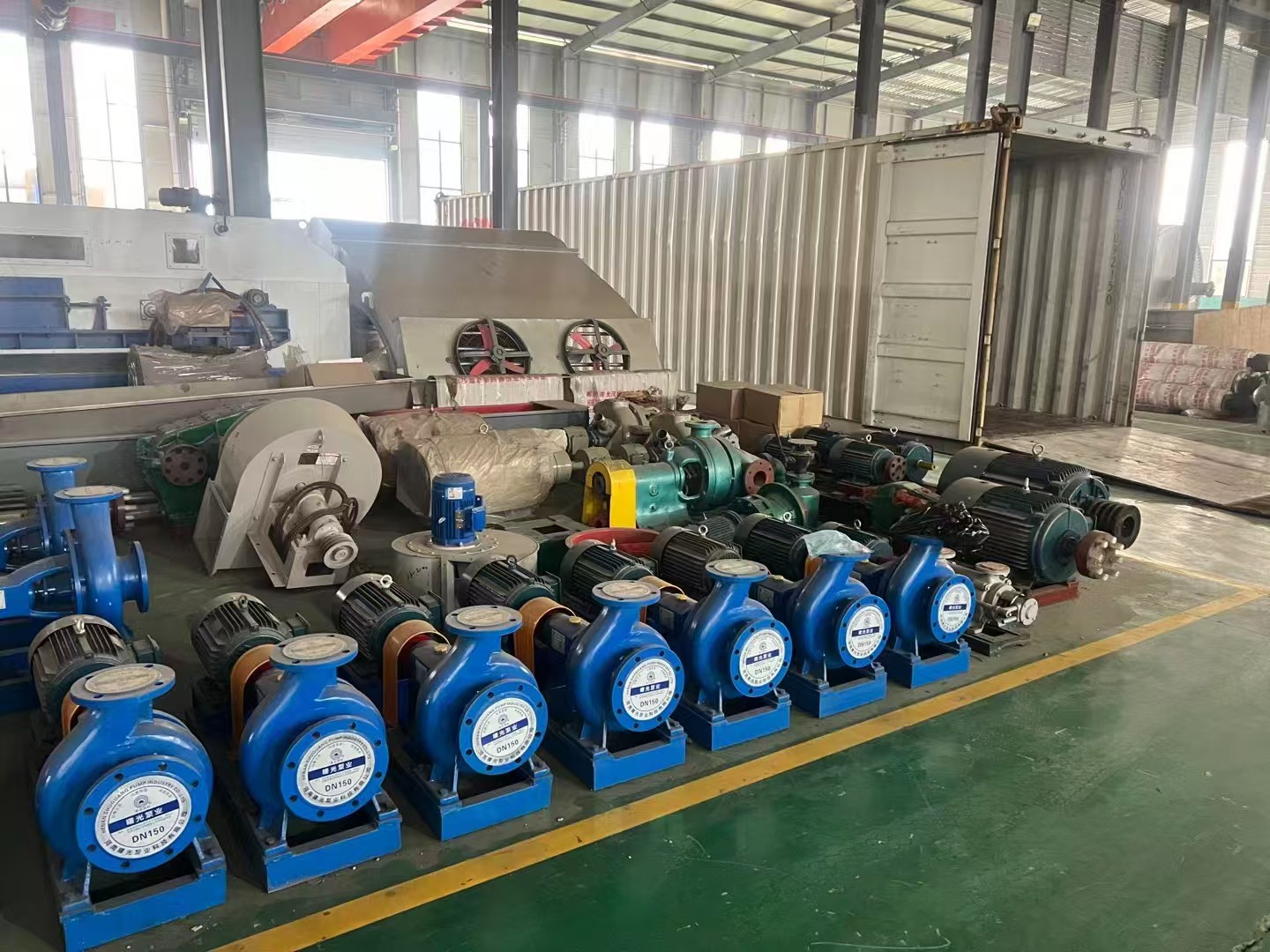
05
Equipment Site Loading

06
Industrial Factory Operations
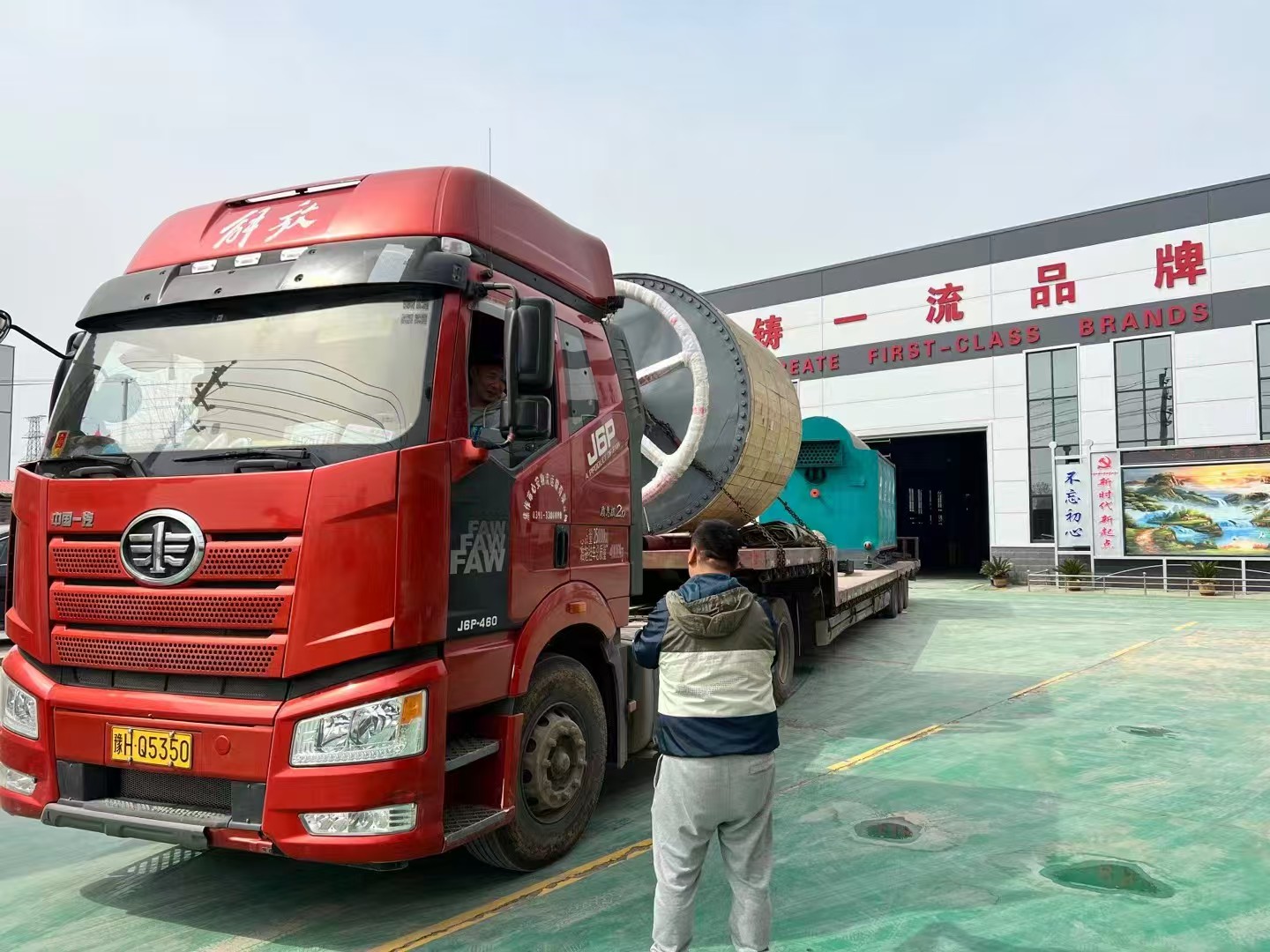
07
Logistics & Delivery Area
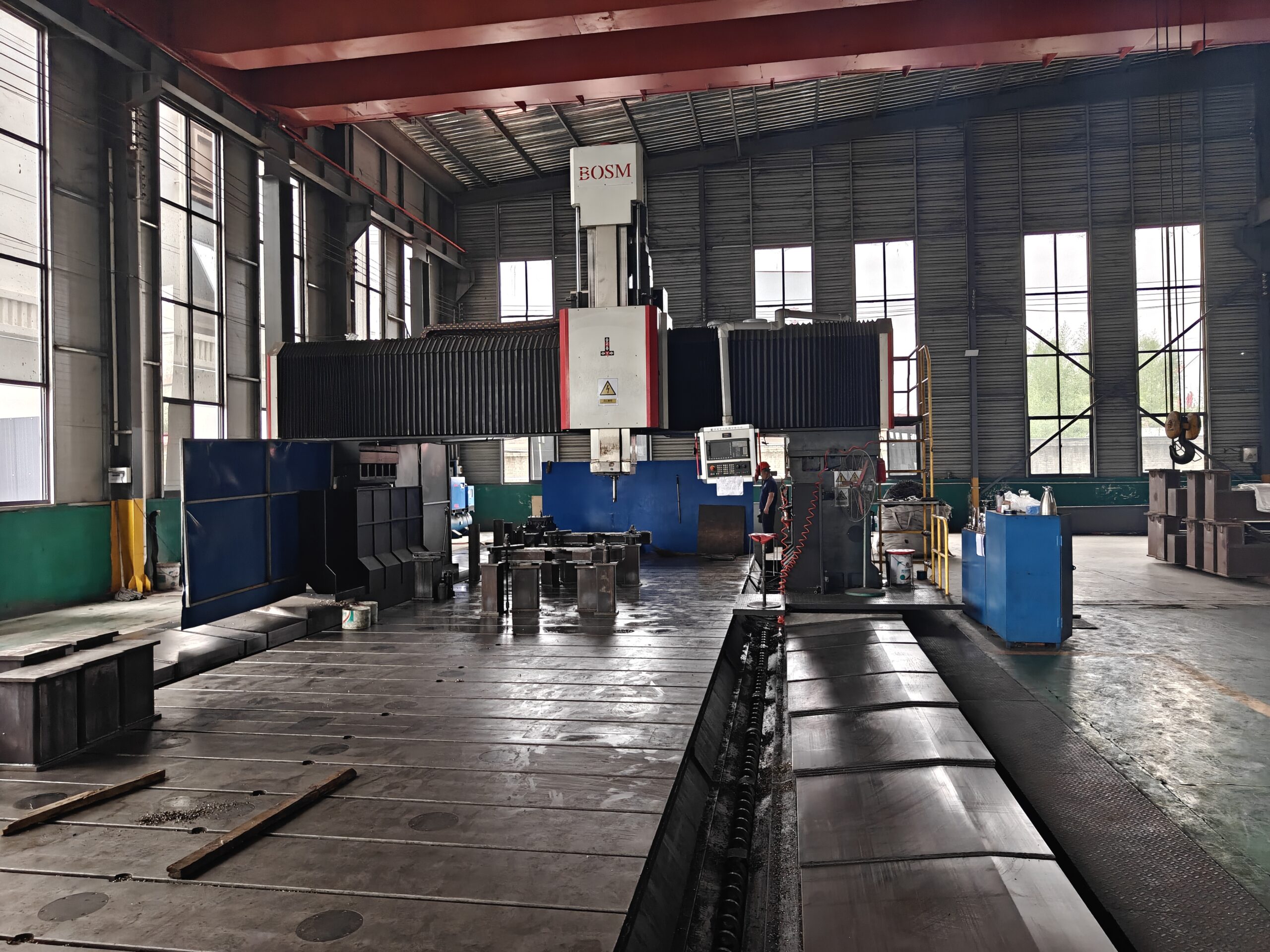
08
CNC Gantry Milling Precision Center
AUTO_SYNCING
1/8
Paper Rewinder & Pope Reel Engineering Tools
Pope Reel & Slitter Rewinder Configuration Selector
Answer three questions about your paper grade and roll size to see which winding configuration typically fits — then confirm the exact spec with our engineers.
Turret, Duplex, or Center Winder — Which Fits Your Line?
Three questions about how you actually run production, not a spec sheet.
Equipment Safety Design Self-Check
Based on 29 CFR 1910.261 (Pulp, Paper, and Paperboard Mills) and 1910.212/1910.147 machine-guarding categories. Check what your current winding/rewinding setup already has.
Pre-Quote Readiness Builder
Fill this in before you request a quote — it's the same information our engineers ask for, so you'll get a real number back instead of a generic range.
New, Used, or Mill-Upgrade — Which Path Fits?
Frequently Asked Questions
A pope reel sits at the wet end of the paper machine, where the sheet of paper comes together into a parent roll. A slitter rewinder, by contrast, is an entirely separate machine located downstream, where the parent roll from the pope reel is unwound, slit into desired widths, and re-wound on to cores of whatever size our customers specify. [1] They are usually from the same manufacturer due to how the transition between them impacts on quality but are physically a separate piece of equipment.
Kraft, Corrugated, Testliner, Duplex, Tissues, Culture papers, Specialty grades. Config. - winding style, drum material, tuning of tension controls - varies with grades - ref. See reference at above section.
Auto-spool on the pope reel means you can switch to a new spool of paper with no more than a partial production stop as the paper machine runs through the entire changeover, rather than being stopped for the manual changeover of rolls. This saves downtime by not stopping and starting the process.
No-and we would much rather say so in advance than over-promise. Tension-control over an unwind, a slit and a rewind section is not really a matter for setting up-it requires you to configure tension for your specific material's basis weight, diameter of roll and line speed. We configure your tension-control system to your grade during commissioning.[4]
Yes - from design through to manufacture, rebuild, installation and servicing as one continuous relationship for everything from new to used equipment to mill-upgrade work.
Yes. In addition to pope reel paper machine parts and rewinder components, we stock and manufacture spare parts including dryer cylinders, press rolls, vacuum rolls, couch rolls, headboxes, pulpers, screen baskets, agitators, and felt rolls. Unlike a bare “slitter rewinder for sale” listing with no engineering relationship behind it, our spare-parts team knows the original configuration, so replacement parts actually fit the tolerances your machine was built to.
Send us your paper grade, target roll width and diameter, current equipment (if this is an upgrade or retrofit), and production volume. We'll come back with a configuration recommendation and a quotation scoped to your application - see the Pricing Factors Framework above for what drives the number.
Yes - we've supplied paper machinery and spare parts to customers across Asia, the Middle East, Africa, and South America, including new-build, used-equipment, and mill-upgrade projects.
Lead time depends on configuration complexity, current production schedule, and whether the order includes a full winding-and-rewinding line or a single machine. Request a lead-time estimate with your quote rather than relying on a generic number - we'll give you a project-specific timeline once we know the scope.
It depends on your production timeline and budget, not a fixed rule. A refurbished line can be commissioned faster and at lower capital cost, but it's constrained by what the existing frame and drive train can tolerate - see our Vietnam project above. A new build gives you a clean spec but a longer lead time. Tell us your constraints during quotation and we'll recommend honestly, including telling you when used equipment isn't the right fit for your grade or volume.
![Refiner Plates & Screen Baskets [Complete Guide]](https://zjpapermachine.com/wp-content/uploads/2026/07/refiner-plates-screen-baskets-guide-featured-150x150.png)
![Doctor Blade: Types, Materials & How It Works [Guide]](https://zjpapermachine.com/wp-content/uploads/2026/07/doctor-blade-guide-featured-1-150x150.png)
![Pulping Equipment: How Paper Pulping Works [Guide]](https://zjpapermachine.com/wp-content/uploads/2026/07/pulping-equipment-guide-featured-150x150.png)