Get in touch with Zejiang Paper Machinery Company

ISO Certified
Calender Roll
Calender Rolls for Paper Machines | Custom Specs | Zejiang
The #1 and #2 issues resulting in inconsistent sheet caliper on your machine are calender roll wear and out-of-round drift-and they’re some of the easiest problems to prevent. With custom engineered chilled iron, composite and soft cover calender rolls designed for the exact grind profile, journal configuration, and material grade that your calender stack requires-Zejiang delivers to paper mills through out Asia, the Middle East, Africa, and South America.
- ASTM A532 Reference Hardness Standard
- Design→Support Full Manufacturing Chain
- Custom Journal & Grind Profile per RFQ
01 / 03
3
Roll Types: Chilled Iron / Composite / Soft-Cover
7
Paper Grades Served
4
Export Regions
Calender Roll Wear, Deflection & Downtime, How Zejiang Rolls Solve It
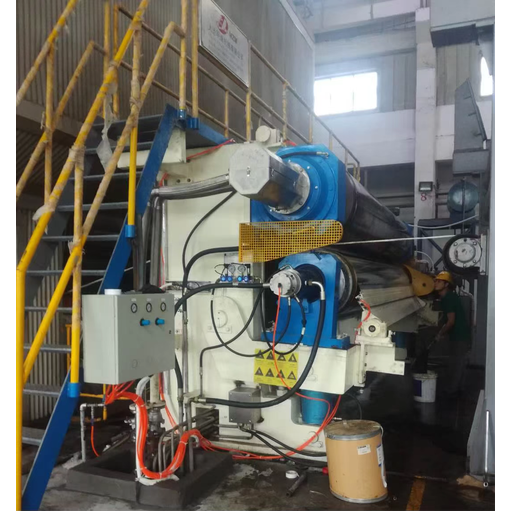
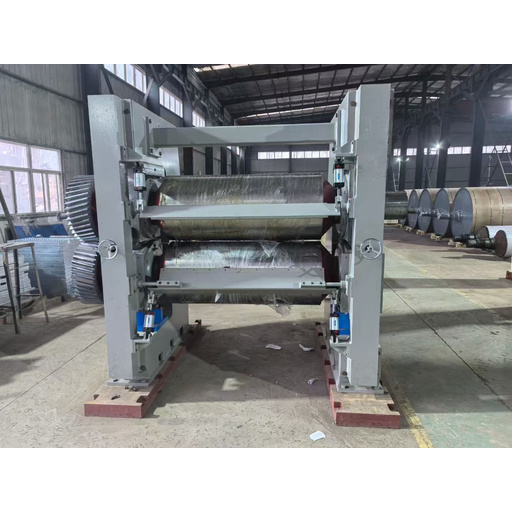
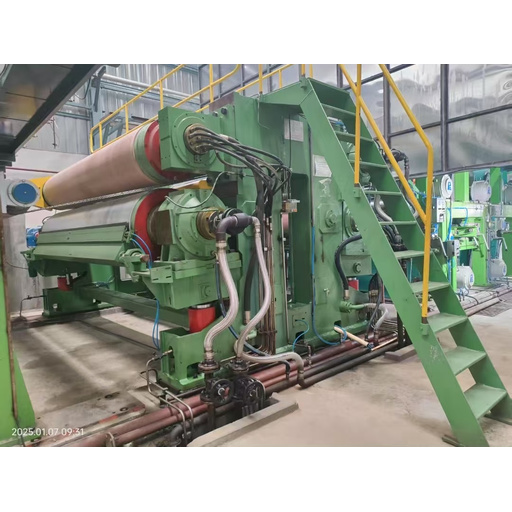
A calender roll is a pair (or stack) of heavy duty press rollers through which the paper web is conveyed while under load. This smooths the sheet surface and sets its final caliper (gloss) and bulk. Once the roll surface loses its ground profile (either due to wear, thermal drift, bearing deterioration etc) its nip pressure pressure on the sheet is no longer uniform over the sheet width causing the paper leaving the machine to develop either caliper streaks (gloss streaking) or varying thickness (or both).
It’s seldom just because “the roll is old”. Roll grind profile is chosen specifically to counteract the roll separating force which would cause the rolls to bow apart in the center when under load. Should the profile wear away from specification, or should the roll develop eccentricity at room temperature, the high and low spots between the mated rolls will occur at intervals in the run of material and will exacerbate each other. Modern calender rolls often have cooling passages which get clogged over time; this can result in a thermal out-of-round condition that acts precisely as if it were mechanically out-of-round although the roll will check “true” when cold.[1] none of this will cause a sudden and obvious problem. It will appear as a gradually changing quality of product, to which the mill will attempt to correct through process changes before ever considering roll wear.
The failure chain is handled and corrected by Zejiang at the build point, not after your mill has run three processes hoping for the real problem, the roll itself, to catch up. You’ll receive a roll that has the grind profile designed for your specific roll-separating force range, a roll body with drilled or solid construction based on the thermal load, and bearing journals sized for your actual machine load – designed as a paper machine calendering sections, not modified from general-use roller catalogs (see controlled-deflection roll design references). When a shop simply grind every roll with the same profile from their own catalog house-standard, the compromises needed to match the grind profile, thermal design and bearing tolerance for your roll stack aren’t made – they’re skipped.
Why This Matters
Calender roll deflection under nip load is a well-documented paper-machine engineering problem: cross-direction (CD) profile control research published in TAPPI Journal describes individually-controlled roll zones holding caliper deviation to within a low single-digit micron range across the sheet width, with nip-force adjustments in the tens of N/mm producing measurable caliper shifts on lightweight paper – the exact figures depend on grade and equipment, and are worth confirming against the original paper for your specific application rather than treating as universal.[2] Thermally induced out-of-roundness on a stopped or unevenly loaded roll typically runs 0.5 to 2 mil (0.0005″-0.002″) short-term and takes 15-25 minutes of running to fully settle out.[1] That’s the order of precision a properly maintained calender nip is capable of – and the order of drift you’re fighting when a roll’s grind profile or roundness has gone out of spec.
UDTECH
Zejiang Calender Roll Line, Chilled Iron, Composite & Soft-Cover Types
Calender rolls aren’t interchangeable across applications. The right construction depend on the paper grade you’re running, the finish you’re targeting, and whether you need a hard, high-precision roll or a compliant, soft-cover roll paired against it. Zejiang builds three roll families to cover a calender stack end to end.
Precision Engineered
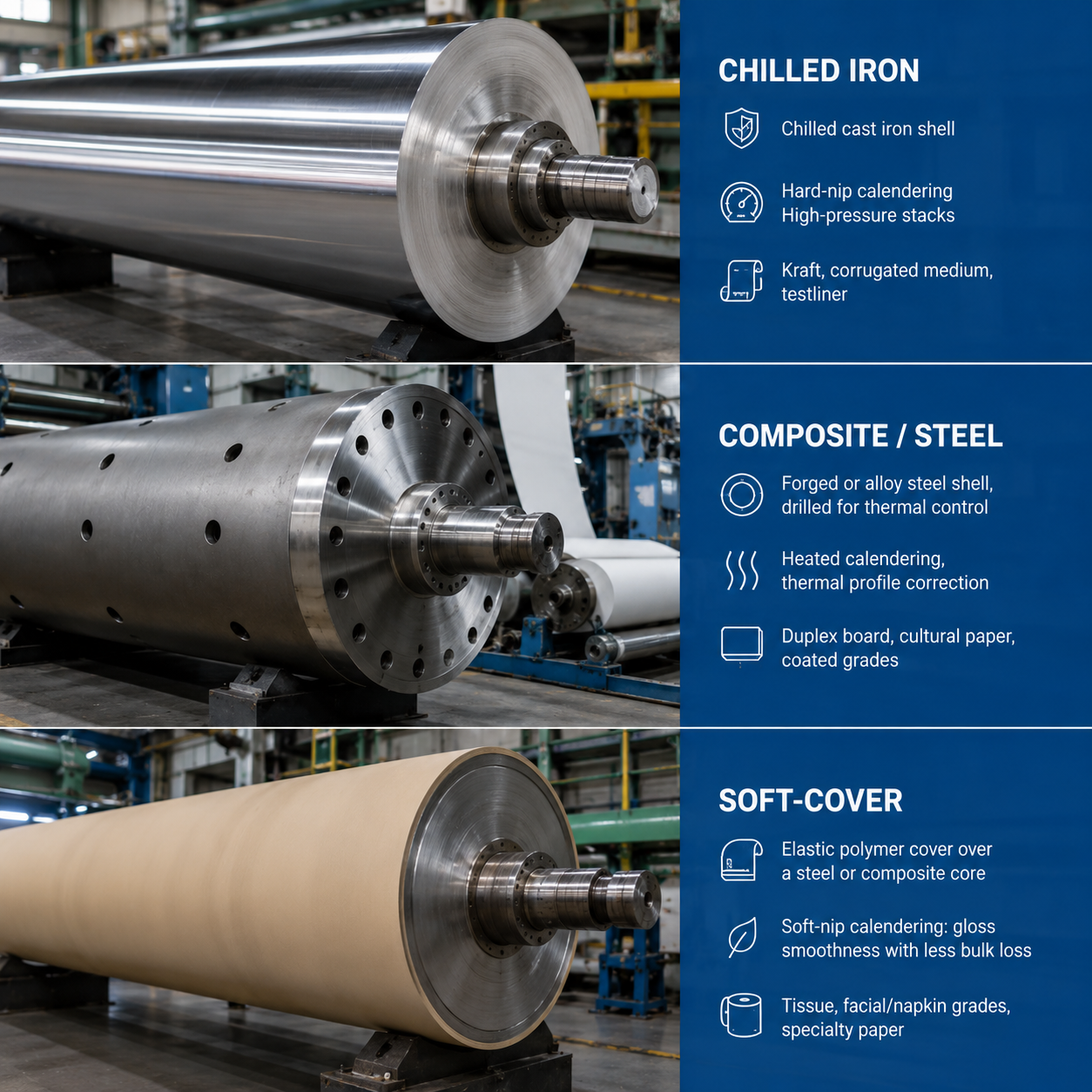
The 3-Type Calender Roll Selection Matrix
| Roll Type | Typical Construction | Where It Fits | Best-Fit Paper Grades |
|---|---|---|---|
| Chilled Iron (Hard Nip) | Chilled cast iron shell, ground and optionally chrome-plated | Hard-nip calendering: bulk/thickness control, high-pressure stacks | Kraft, corrugated medium, testliner |
| Composite / Steel | Forged or alloy steel shell, drilled for thermal control | Heated calendering, thermal profile correction | Duplex board, cultural paper, coated grades |
| Soft-Cover | Elastic polymer cover over a steel or composite core | Soft-nip calendering: gloss/smoothness with less bulk loss | Tissue, facial/napkin grades, specialty paper |
Chilled iron rolls take their name from the chilled casting process that produces a hard, wear-resistant white iron surface – the same family of material covered by ASTM A532/A532M, the standard specification for abrasion-resistant cast irons. That standard defines three material classes (Class I nickel-chromium “Ni-Hard” irons, Class II chromium-molybdenum irons at 11-23% Cr, and Class III high-chromium irons at 25-28% Cr) spanning a hardness range of roughly 350-800 HB depending on alloy class.[3] We reference this classification because it’s the recognized way the industry talks about chilled-iron roll hardness – the specific class and hardness target for your roll is set against your RFQ drawing and duty cycle, not a single number we can quote in the abstract. In production, that class decision is a trade-off: a higher-chromium Class III iron holds hardness and wear resistance longer under an abrasive furnish, but it costs more and takes longer to grind – for a kraft or corrugated medium line running heavily recycled fiber, that trade-off usually favors the harder class; for a cleaner virgin-fiber line it often does not.
Calender Roll vs Worn or Generic Replacement Rolls, Precision & Service-Life Factors
Every calender roll supplier will tell you their rolls are precision-engineered. What actually separates a roll that holds its profile from one that drifts within a year come down to a short list of measurable factors – not marketing language.
| Factor | Worn / Generic Roll | Zejiang-Engineered Roll |
|---|---|---|
| Grind profile | Fixed profile, not matched to your roll-separating force range | Profile selected against your machine’s actual loading and roll-face width |
| Roundness / run-out | Unverified at delivery; drift discovered in production | Checked cold and against thermal duty before shipment |
| Cooling passage design | Generic drilling pattern, prone to uneven heat transfer | Passage layout matched to heated/unheated duty class |
| Material traceability | Often undocumented | Material class and heat-treat documentation available on request |
| Journal/bearing fit | Adapted from a catalog part | Machined to your existing bearing housings or OEM spec |
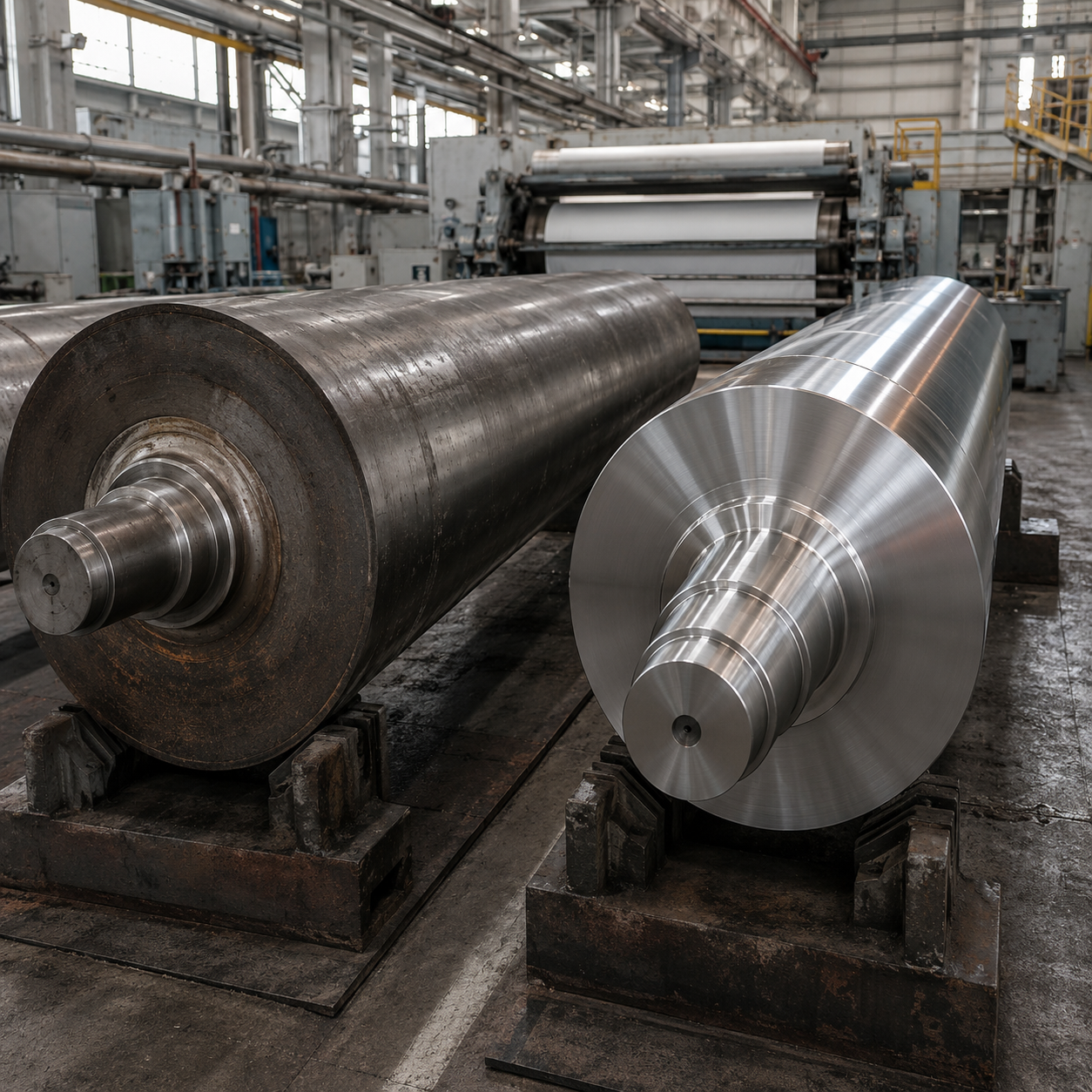
Roll roundness deserves particular attention because it’s the factor most often invisible until the roll is already in production. A roll can measure true at ambient temperature and still develop a thermal out-of-round condition once it’s running, because heat loss around the circumference of a stopped or unevenly loaded roll isn’t uniform – a few degrees of differential expansion on a roll of typical calender diameter is enough to produce a measurable out-of-round condition, and when two rolls in a nip are both drifting, their high and low spots periodically line up and double the effective error (a mechanism also addressed in controlled calendering method patents).[1] This is a mechanism problem, not a “buy a better brand” problem – it’s why grind profile, cooling passage condition, and bearing fit all matter together, not any single spec in isolation.
“A roll that measures round on the shop floor can still run out of round on the machine if the cooling passages aren’t matched to the duty cycle. We check both conditions before a roll ships – not just the easy one.”
Unplanned paper machine downtime is not a marginal cost. Trade press coverage of paper mill equipment problems — vibration issues, critical equipment failures, and operational shortfalls — put case costs at $200,000 on the low end and $1,200,000 on the high end, per incident, across three mills in a single feature.
Source: MRO Magazine, “Effective Solutions for Costly Paper Mill Problems” — figures are industry case examples, not Zejiang-specific dataGLOBAL MARKETS
Paper Grades & Global Markets We Serve
Mills running more than one paper grade have difficulty finding one roll supplier that actually understands the calendering trade-off on all of them – being skilled at hard-nip kraft rolls doesn’t mean one is skilled at soft-nip tissue rolls – that’s one mistake you frequently see. Zejiang has supplied calender rolls on kraft paper, corrugated paper, testliner paper, duplex board, tissue paper, cultural paper and specialty paper just because our engineers design, manufacture, rebuild, install and service paper machinery systems overall, not a catalog of parts for one grade.
But that range make a difference to the bottom line too, not just the technical bottom line. Global production of paper and paperboard isn’t evenly distributed, world production for 2023 as estimated by the FAO was 401 million tonnes (down 3%), while graphic/cultural production was down 9% to just over 84 million tonnes (lowest since 1987) – however the 2024 preliminary data from CEPI shows that for the European industry packaging was 63% of output and tissue was 10.2%, relatively stable.[5][7] We can’t talk about selling the ‘paper industry’ as a single market, we think it’s more honest to admit that some grades are under pressure and some aren’t, because that’s what really determines how a mill should approach an investment in the calender roll — and across every export region we serve, buyers increasingly expect ISO 9001:2015-aligned supplier documentation regardless of local grade mix.
We supply equipment and spare parts to paper, tissue paper, packaging paper, and recycling mills in Asia, Middle East, Africa, and South America – engineering rolls for mills that process mixed and recycled furnishes, have power quality issues, and require us to manage longer logistics than those of a mill’s in-house roll shop supporting one domestic market.
PRECISION
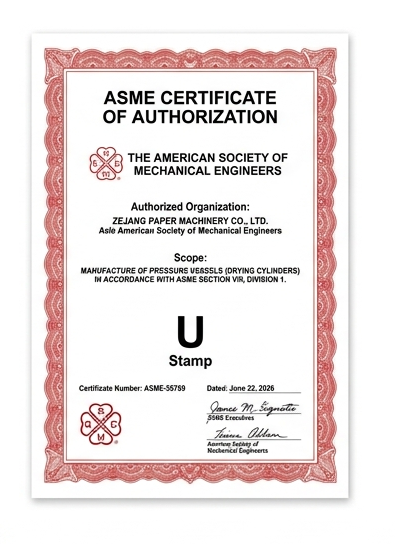
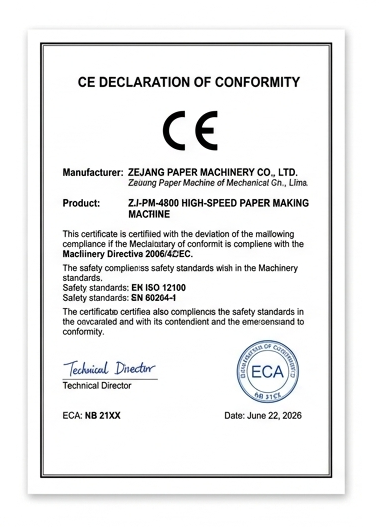
Manufacturing Capability & Quality Assurance
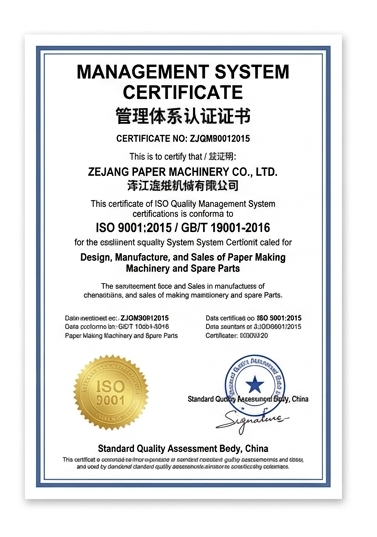
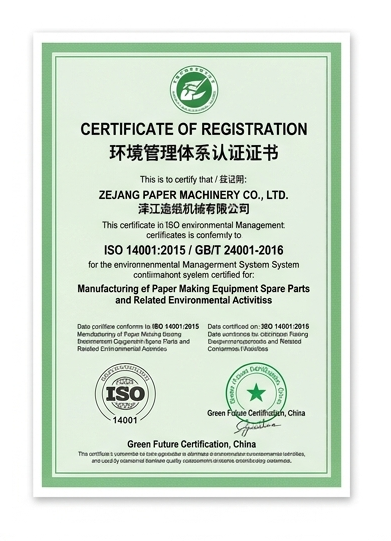
Buyers of precision rolls sourcing from a China-based factory are right to ask how quality is actually controlled, not just take a “high-quality” claim at face value – the risk of an undocumented process is real, and pretending otherwise would be dishonest. Independent industrial-sourcing guidance aimed at exactly this question consistently points to the same checkpoints: documented process capability, material traceability, dimensional inspection records, and a straightforward path for technical review before and after the roll ships — the same checkpoints behind ISO 9001:2015 quality management requirements.[6] Unlike a trading-company middleman relationship where the actual factory floor stays opaque, Zejiang engineers and grinds every roll in-house – years of production experience for export markets is the standard we hold ourselves accountable to.
Design → Manufacturing
In-house engineering for new roll builds
Refurbishment
Regrind and rebuild for existing rolls
Installation Support
Field guidance for roll changeover
Technical Support
Ongoing engineering contact post-delivery
×
Ordering Guide, Specification, Lead Time & After-Sales Support
Calender Roll Bearings & Related Spare Parts
The condition of the bearing has a significant impact on the performance of the calender roll itself. For instance, a bearing that has developed excess clearance will create run-out (roll surface) even in a roll which is otherwise perfectly ground, because the bearing wear allow for movement of the roll under pressure.[1] Therefore, if you’re encountering variations in gauge and dimension checks for your roll have come back clean, it’s important to investigate the bearing condition next (bearing-induced roll movement is a documented failure mode in roll-pressure control patent literature).
Our spare parts inventory covers the paper machine wear-parts found around the calender section, and our engineers will advise on bearing specifications and replacement cycles as part of any calender roll inquiry – a new roll placed in a worn bearing is merely delaying the inevitable. Unlike a roll manufacturer that stops at the surface of the roll, we consider the interaction between the bearing and the journal. Provide the journal dimensions of your existing bearing housing, or an OEM part number, with your calender roll RFQ, and we’ll clarify any potential compatibility issues before a new roll assembly replacement order is placed.
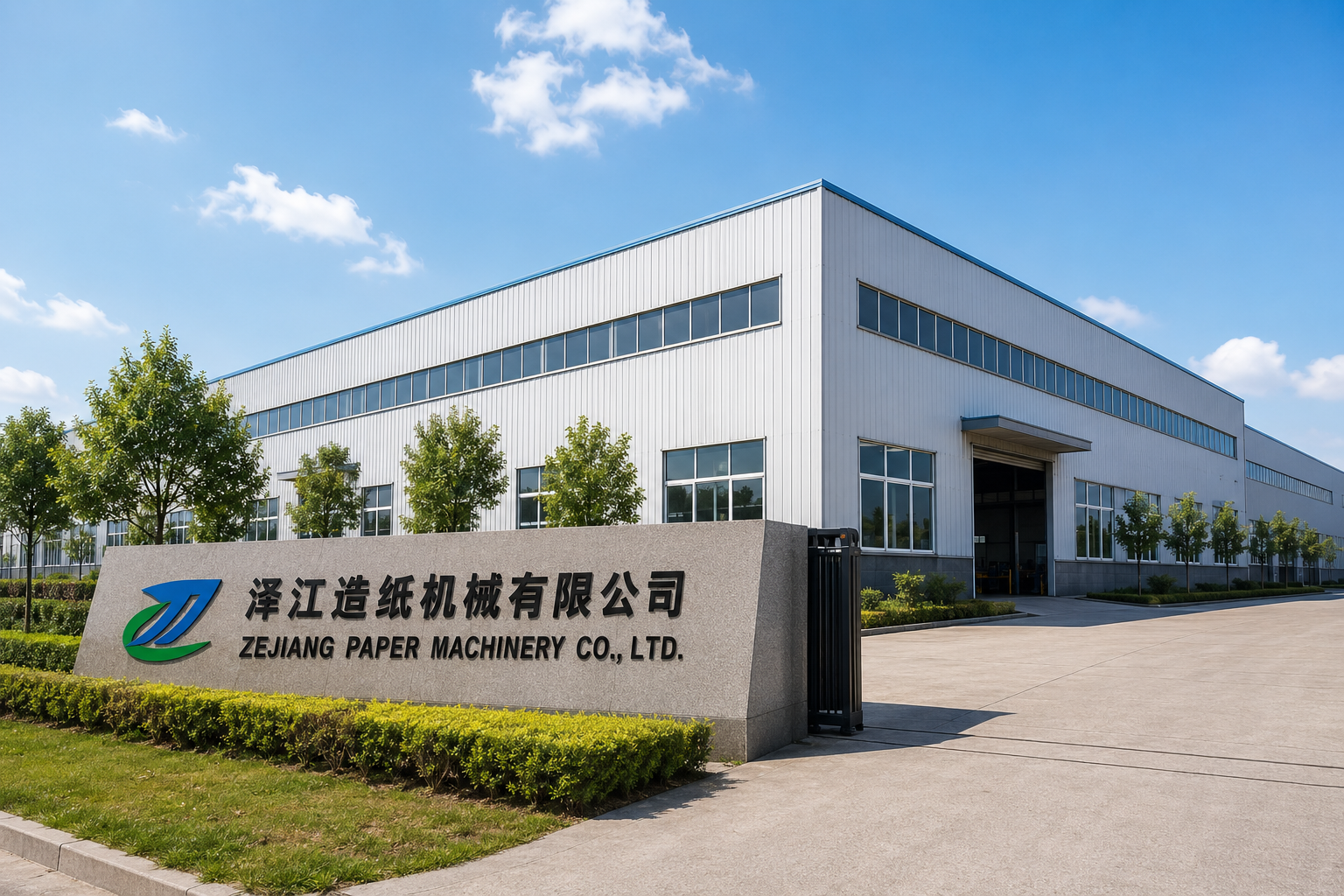
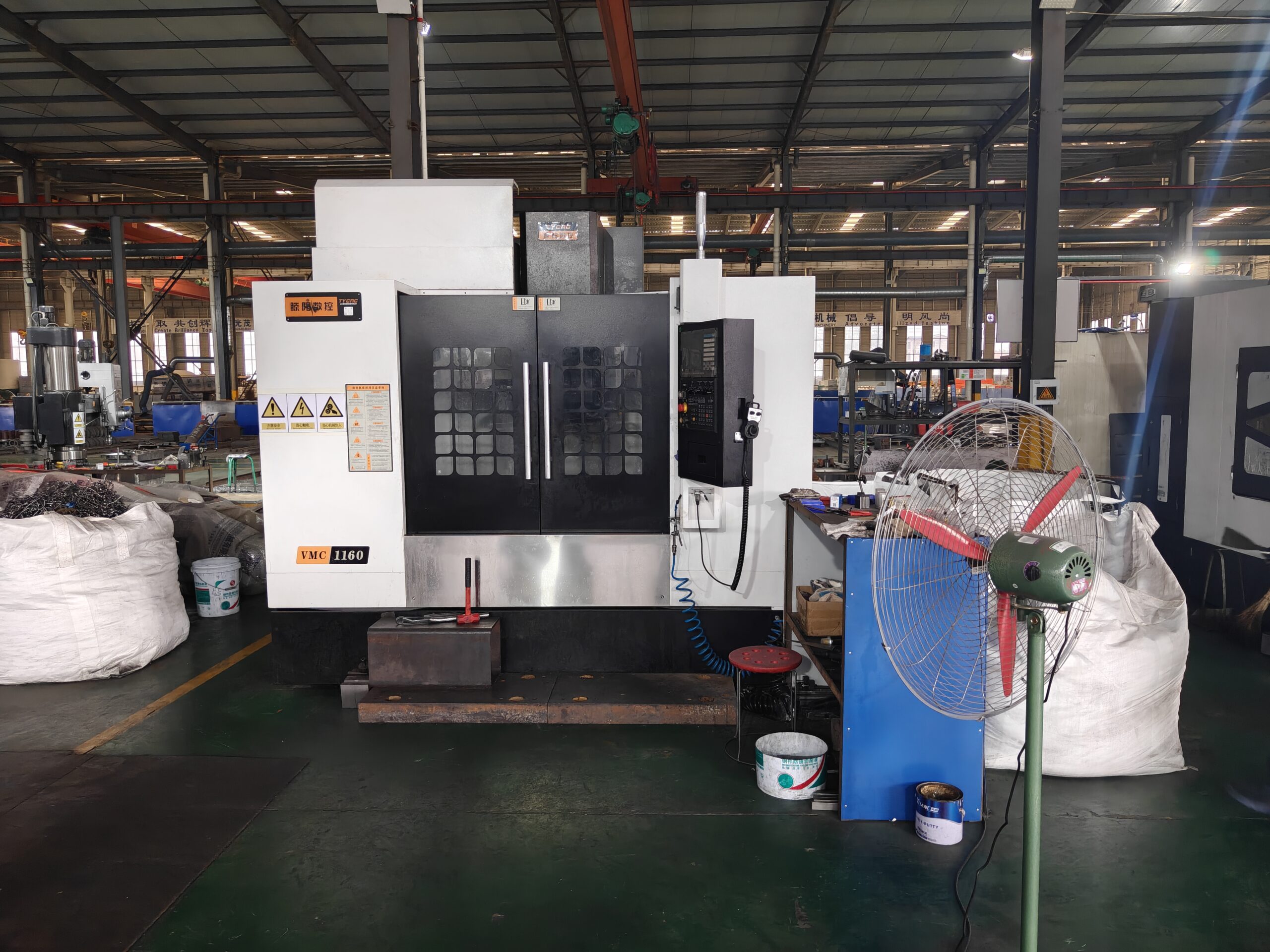
Advanced Calender Roll Manufacturing & Production Excellence
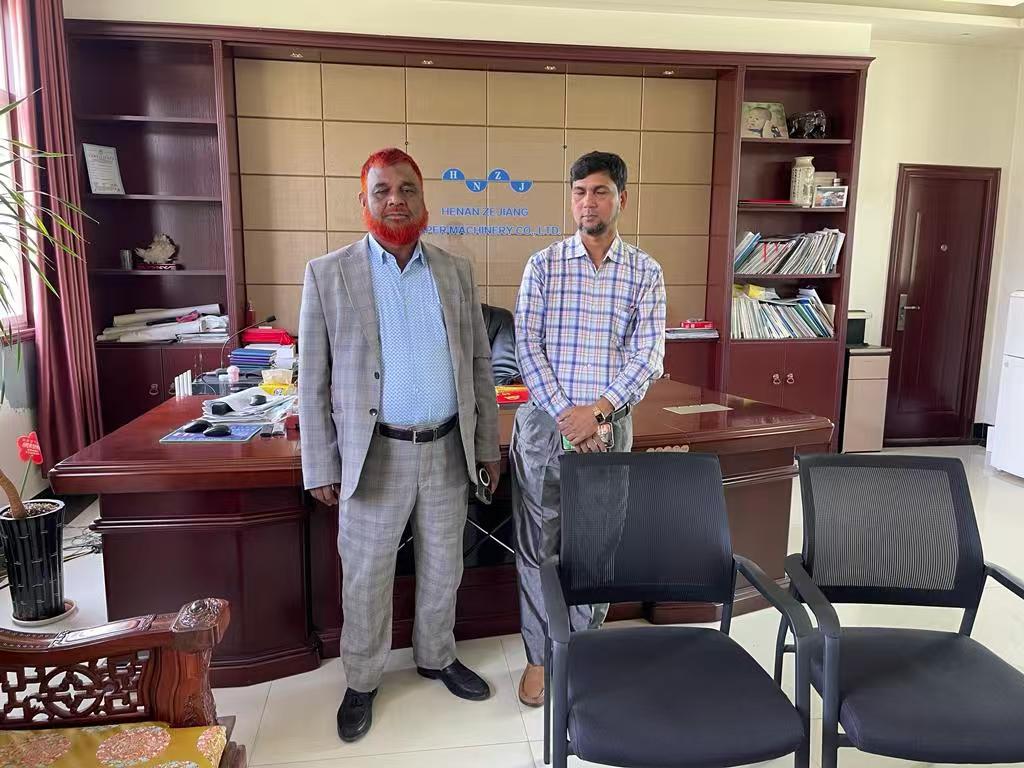
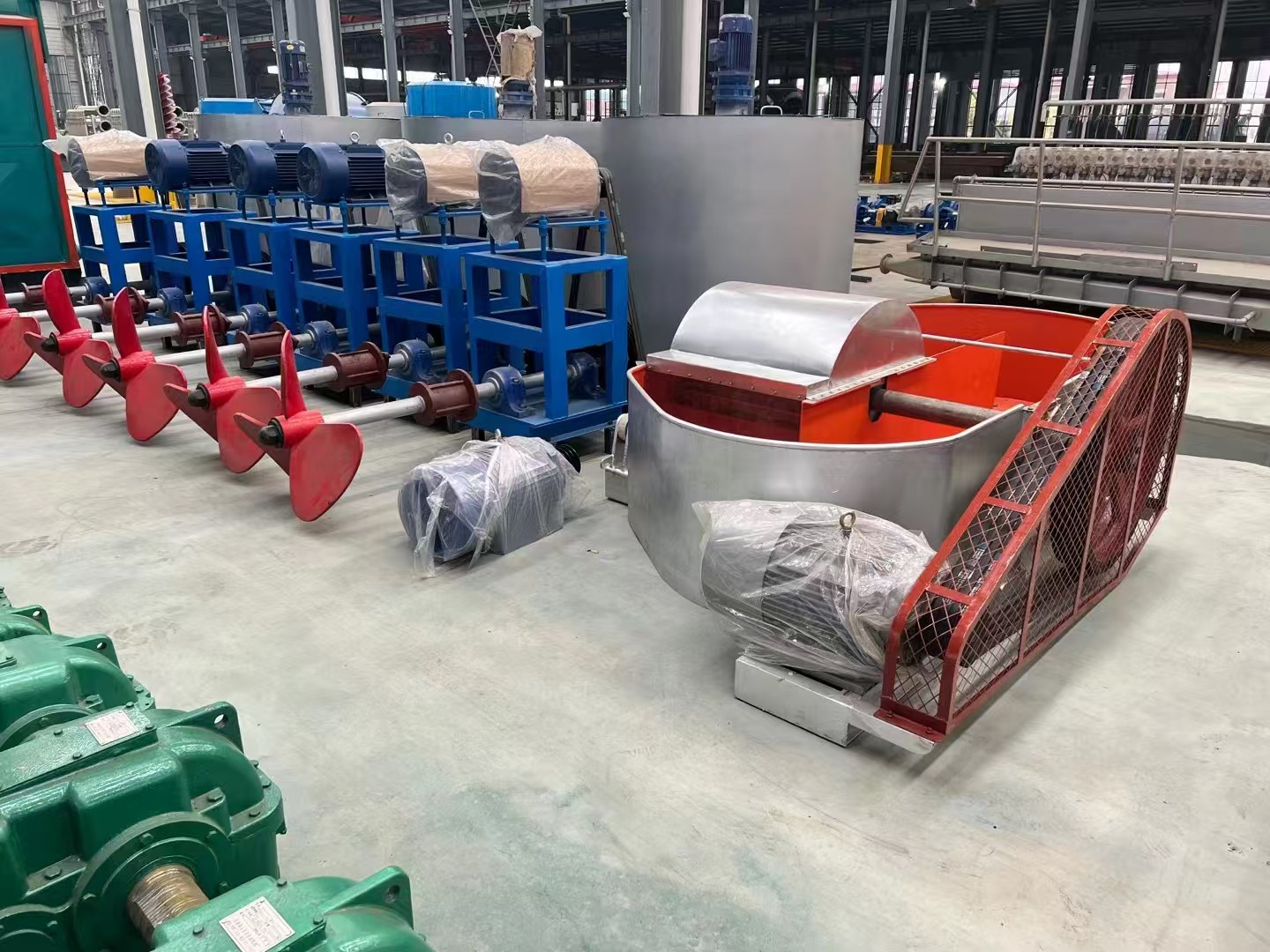
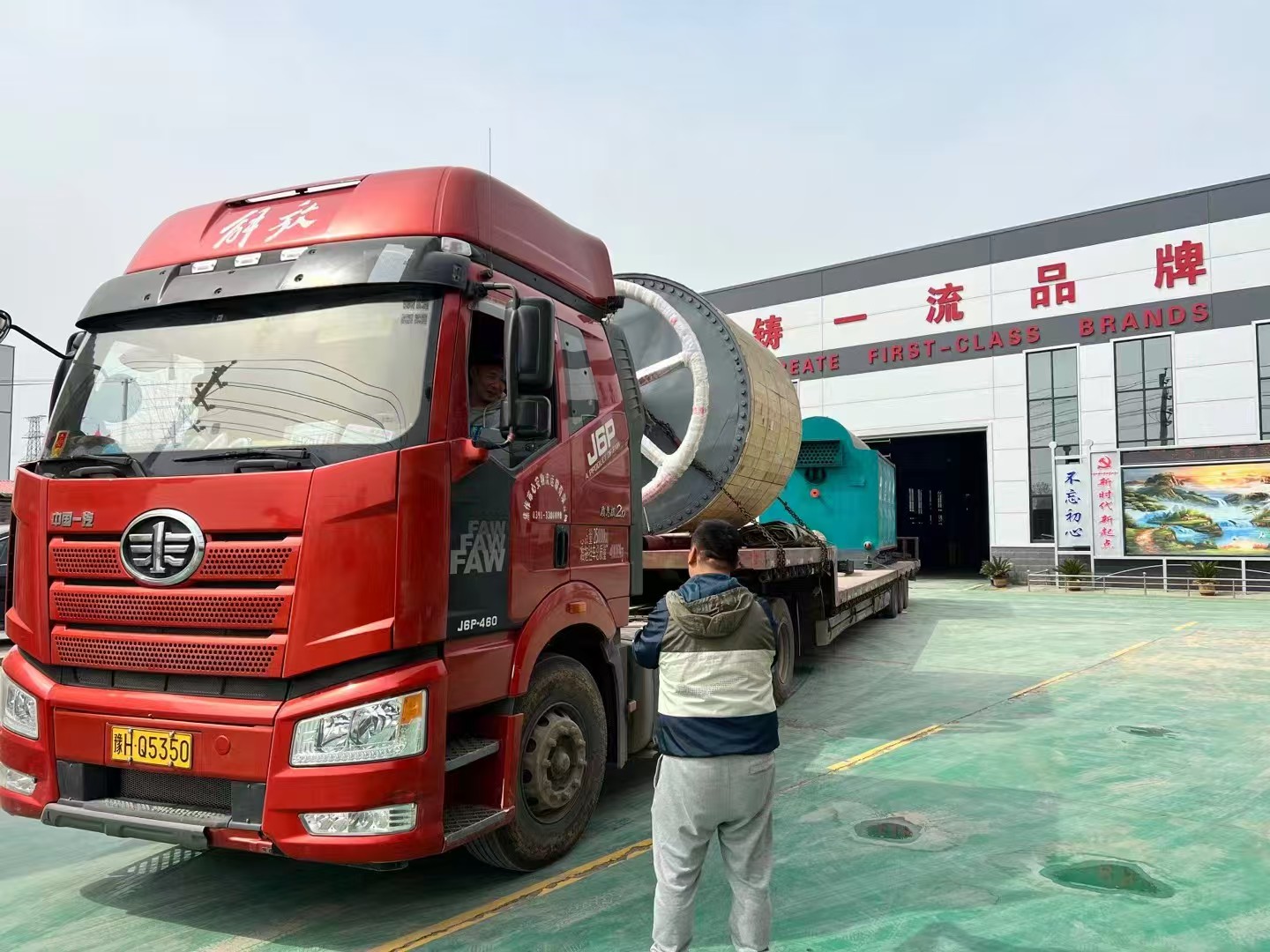
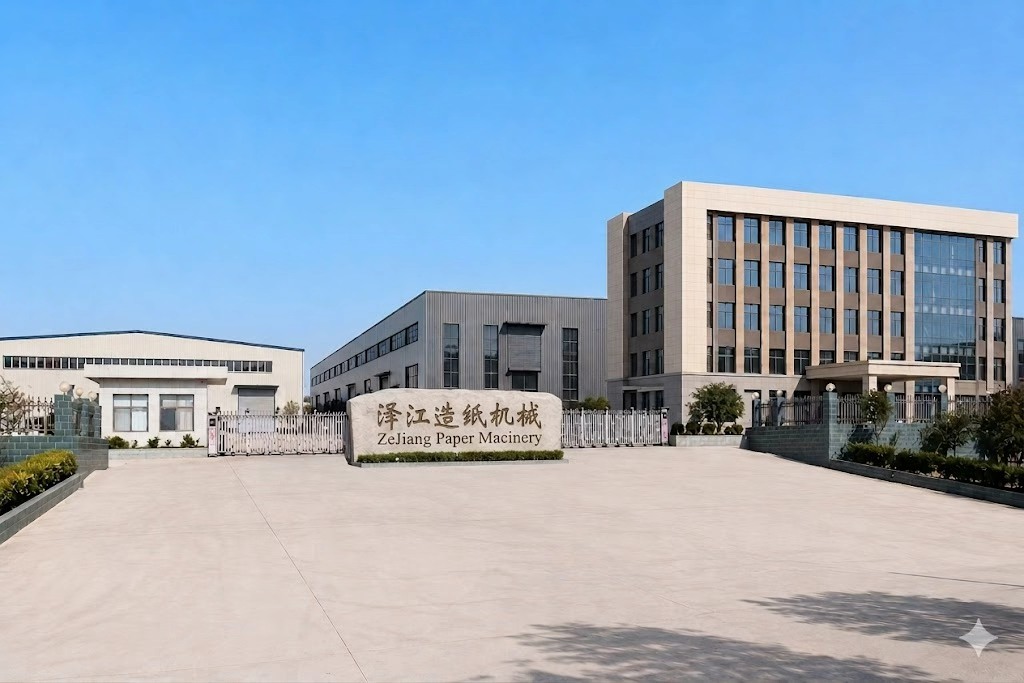
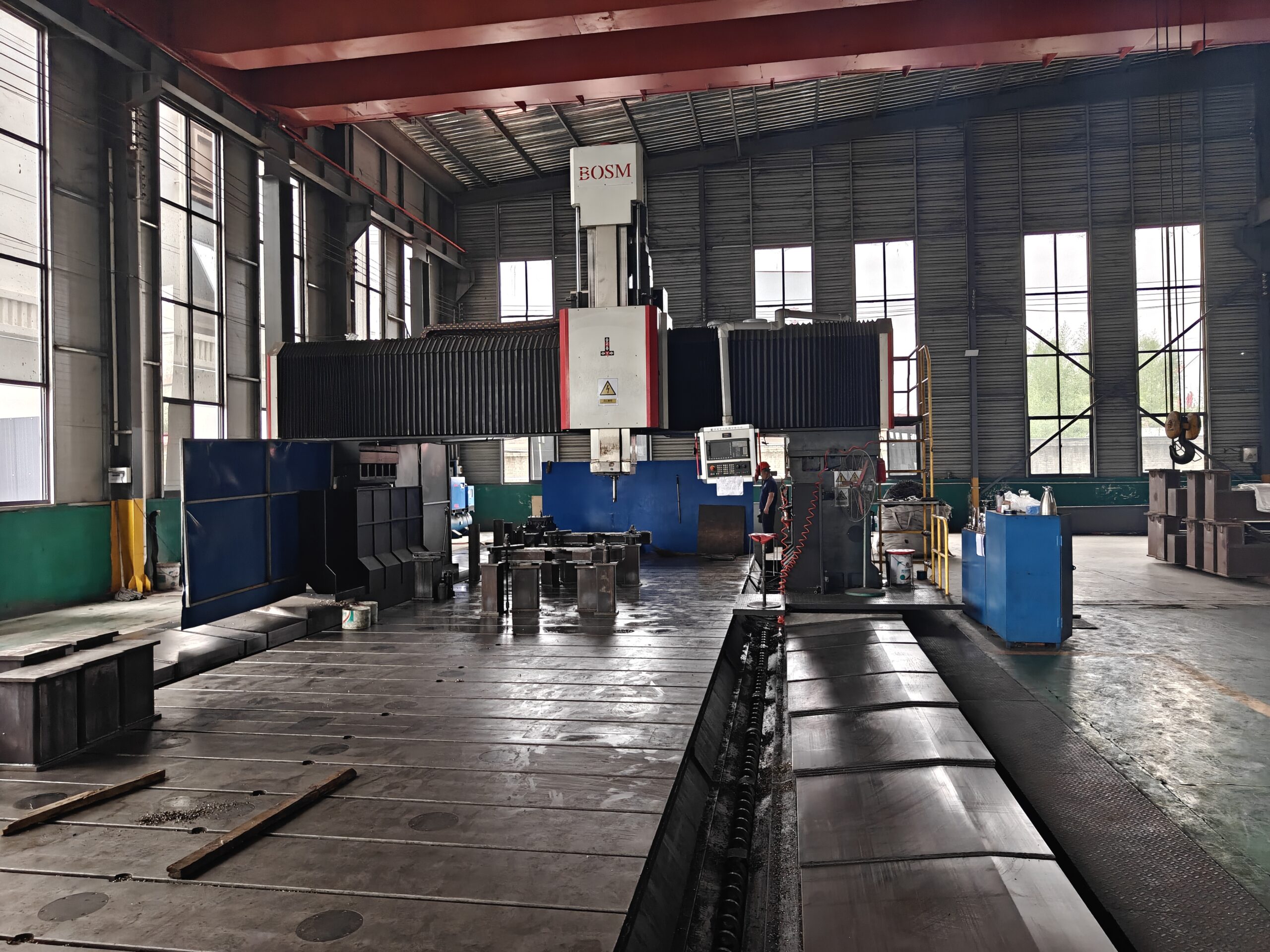
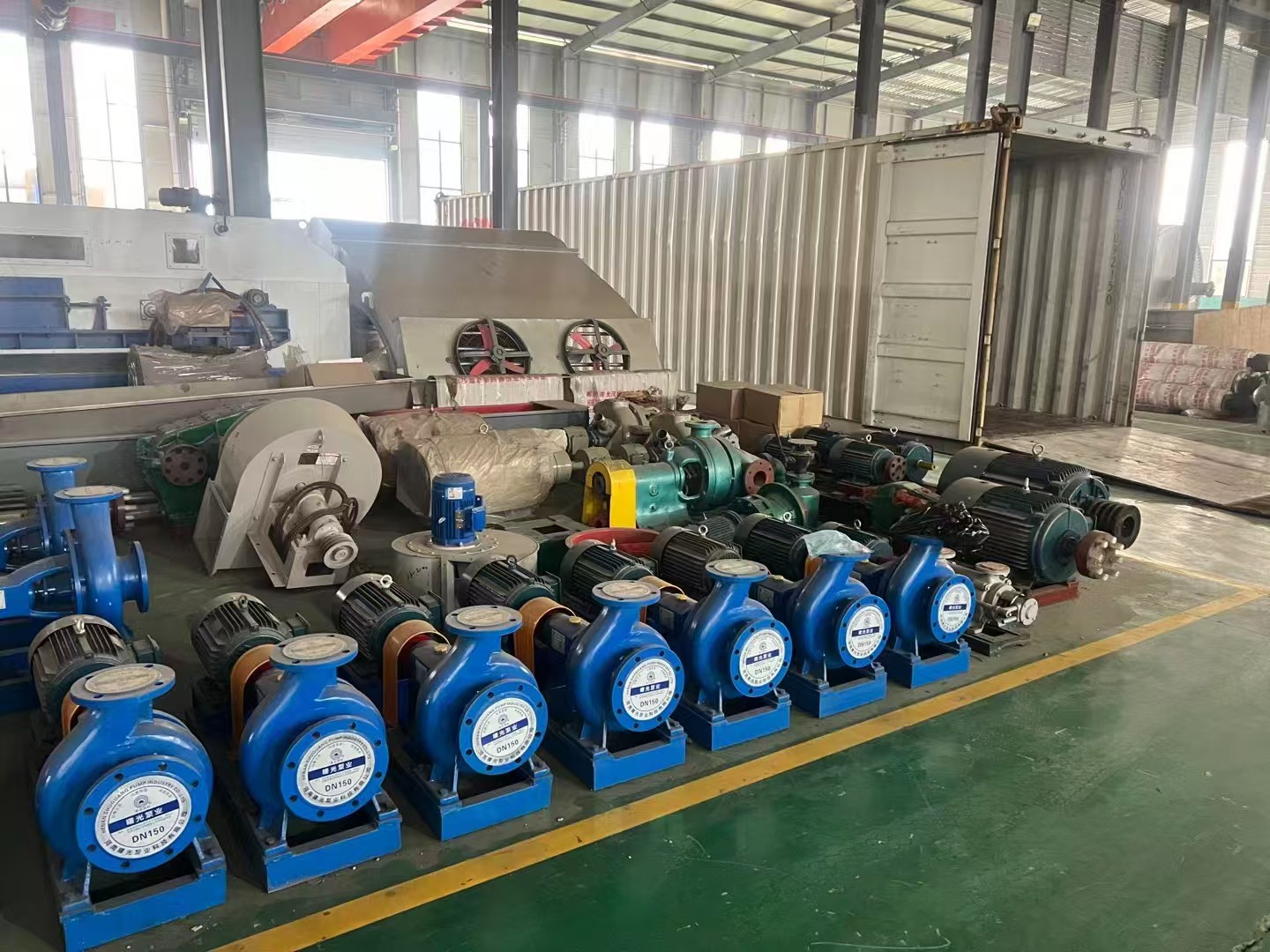
Calender Roll Engineering & Diagnostic Tools
Calender Roll Type Selector
Answer two questions to see which of Zejiang’s three roll families typically fits your application. This is a starting point for your RFQ conversation, not a substitute for reviewing your actual machine and paper grade with our engineering team.
→
Roll Symptom Diagnostic
Select what you’re seeing on the machine. This points to the most likely mechanism based on published calendering engineering references — it’s a starting hypothesis for troubleshooting, not a substitute for inspecting the roll and bearings directly.
→
RFQ Spec Sheet Builder
Fill in what you know — leave the rest blank. This organizes your own numbers into a copyable summary you can send with your inquiry; it does not calculate a price or generate any values on its own.
→
Supplier RFQ Readiness Checklist
Before you send a calender roll RFQ to any supplier — Zejiang included — check off what you already have ready. The more boxes checked, the faster you’ll get a quote you can actually act on instead of a placeholder estimate.
→
Frequently Asked Questions
Expert answers and specifications regarding calender roll engineering, materials, and configurations to ensure optimal finishing performance.
A calender roll is one of a series of hard pressure rollers that a paper web passes through under controlled pressure, and often controlled temperature, to smooth the sheet surface and set its final thickness, gloss, and density. Rolls are configured in pairs or multi-roll stacks depending on the process and the paper grade being finished.
The preferred technical term is “calender roll” – from “calendering,” the finishing process itself, not from any computer printout or calendar date. You may see “calendar roll” used colloquially (by suppliers and others), but industry-standard spelling is “calender.”
Same equipment – the more popular informal shorthand in paper and converting industries is “calender roll;” “calendering roller” more often appears in equipment specification sheets and engineering diagrams.
Same underlying question, two different answers – the differences are material (chilled cast iron or alloy steel for a hard-nip roll; elastic polymer for a soft-nip roll) and construction (forged or cast, chosen against standards such as ASTM A532); the choice of one or the other is paper grade specific. We confirm the exact class against your RFQ, not an industry-wide default.
Chilled iron rolls are commonly referenced against ASTM A532/A532M, which defines three abrasion-resistant white cast iron classes spanning roughly 350-800 Brinell hardness depending on chromium/nickel content. The precise hardness target depends on your application-specific duty cycle, rather than one universal number.
At minimum: the material class and hardness target referenced against a recognized standard, how the supplier verifies roundness and run-out before shipment, and who provides technical support after installation. See the Manufacturing Capability section above for the full checklist we expect buyers to use, informed by NIST manufacturing supply-chain guidance.
We advise on bearing compatibility and replacement as part of a calender roll inquiry and supply a broader range of paper machine spare parts. Send your existing bearing housing dimensions or OEM reference with your roll RFQ and our engineering team will confirm what applies to your specific machine.
Surface finish on the roll transfers directly to the sheet – a mirror-ground or chrome-plated roll produces a glossier, smoother finish, while a textured or matte finish is used where surface traction or a specific tactile result is the goal. Finish specification should match the downstream printing or converting process, not just “as smooth as possible.”
Yes – replacement and upgrade calender rolls are engineered from your existing roll measurements, machine drawings, or OEM specification. Send what you’ve and we’ll confirm what’s needed to specify a matching roll.
Because a calender roll isn’t a catalog part in any meaningful sense – diameter, face length, material class, journal configuration, and finish all vary by machine, and a price posted without those specifications would be closer to a guess than a quote. If you’re comparing calender roll manufacturers on responsiveness rather than a published price list, send your drawing or existing roll measurements and expect a specific quote back, not a generic range.
Yes. A 3 roll calender machine or 4 roll calender machine stack distributes nip pressure differently than a simple two-roll pair, and roll design (crown profile, material class per position in the stack, thermal duty per roll) has to account for where in the stack a given roll sit – the top roll in a stack doesn’t see the same load and thermal history as a middle or bottom roll. Specify the full stack configuration, not just “a calender roll,” when requesting a quote for a multi-roll set.
![Refiner Plates & Screen Baskets [Complete Guide]](https://zjpapermachine.com/wp-content/uploads/2026/07/refiner-plates-screen-baskets-guide-featured-150x150.png)
![Doctor Blade: Types, Materials & How It Works [Guide]](https://zjpapermachine.com/wp-content/uploads/2026/07/doctor-blade-guide-featured-1-150x150.png)
![Pulping Equipment: How Paper Pulping Works [Guide]](https://zjpapermachine.com/wp-content/uploads/2026/07/pulping-equipment-guide-featured-150x150.png)