Get in touch with Zejiang Paper Machinery Company

ISO 9001 Certified Quality
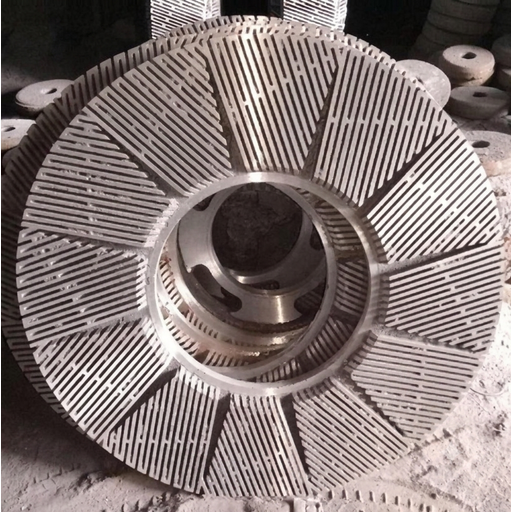
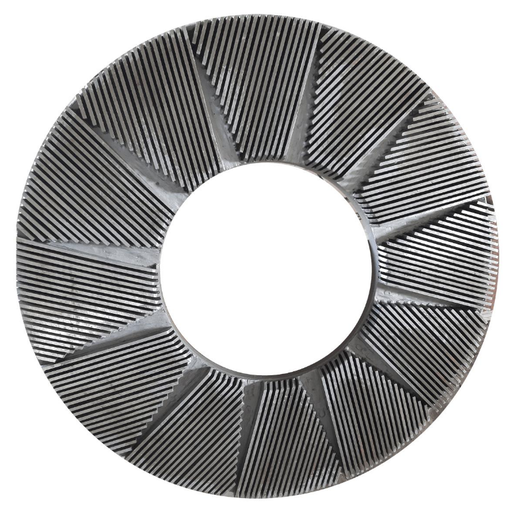
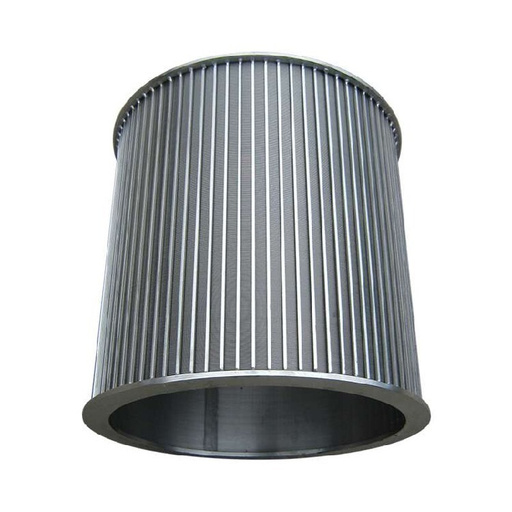
Refiner Plates & Screen Baskets
Custom-matched refiner plates and pressure screen baskets, made to match the systems already in your mill.
We engineer to work with the refiner, defibrator and pressure screen systems already in use at your mill, rather than sell generic, off-the-shelf catalog parts.
Each refiner and pressure screen plate or screen wears differently depending on the design of the plate holder (refiner plate geometry), bar pattern, process parameters, furnish, and operating speed. Because of these variations, we don’t approach the problem with a list of available standard sizes. Instead, we analyze the measurements and process conditions of your equipment to create refiner plates and screening baskets engineered specifically to your requirements. Below we detail the process by which we approach the challenge of developing these custom-made components.
- Custom Measurement-Matched, Not Guessed
- Full Line Paper Machine Parts Beyond Just These Two
2
Product Families: Refiner Plates & Screen Baskets
6+
OEM Refiner/Screen Brands Cross-Matched
ASTM
A532 Verifiable Wear-Alloy Framework
4
Continents Served: Asia, Middle East, Africa, South America
Refining & Screening Wear Under Pressure, How the Right Parts Solve It
The fact that refiner plates and pressure screen baskets are the wear-alloy components that work hardest in any stock preparation system can't be overstated-especially considering how the differences between individual refiner designs and specific screening requirements necessitate custom configurations for each mill. For refiner plates, which function within either a pulp refining (refiner and defibrator for such applications as thermomechanical pulping and MDF production or chip washing) or the other stock prep systems, worn segments can result in an off-quality product, poor efficiency, and, consequently, costly downtime. Screen baskets (pressure screen), the other wear-intensive consumable in the process line, perform the critical job of slot-width screening for applications that can involve clearances of as little as 0.06 mm per published screening research.4 As buyers in the industry describe it, "and when you finally go looking for a replacement, you realize sourcing the right plate for your specific machine isn't always straightforward." A mismatch that looks close enough on paper can still mean the difference between acceptable paper and damaged products and an unscheduled shutdown to find a correctly fitted plate or basket.
↓ Scroll
That means, far from being mere “cosmetic” differences between replacement parts, inconsistencies between an aftermarket component and an OEM specification can lead to premature failure or operational problems. Mill operators have documented numerous issues including improper fitment of replacement refiner plates or pressure screen screens, vibrations, misalignment, excessive wear to other components, and loss of the precision tolerances needed to ensure clean fiber separation and prevent plugged systems (JMC Recycling).1 "In the worst case, aftermarket parts may not even function within some of these machines because they have smaller footprints" — and even when a replacement can be found, some aftermarket components have been known to simply fail to fit altogether, forcing unplanned stoppages.2 None of these issues is a reason to pay any premium for the brand name-instead, it's reason to consider working with refiner plates manufacturers that focus on providing made-to-order refiner plates and screen baskets that integrate seamlessly with the systems you already have in place.
↓ Scroll
That's the approach behind this page. Zejiang engineers and manufactures refiner plates and screen baskets as part of a full paper machine parts program - alongside dryer cylinders, press rolls, vacuum rolls, couch rolls, headboxes, pulpers, agitators, and felt rolls - for pulp mill and paper mill operations producing kraft, corrugated, testliner, duplex board, tissue, and cultural paper. We build every plate and basket to match because a part that look identical on a spec sheet doesn't always perform identically once it's running - the sections below cover what we build, what actually determines whether a refiner plate or screen basket performs, and exactly how the ordering and measurement-matching process works.
PRECISION ENGINEERING // OEM COMPATIBLE // REFINER PLATES // SCREEN BASKETS //
PRECISION ENGINEERING // OEM COMPATIBLE // REFINER PLATES // SCREEN BASKETS //
Zejiang Refiner Plates & Screen Baskets, Models & Compatibility
Zejiang engineers and supplies two product lines under this category, and we treat both as a fit problem before we treat them as a manufacturing problem - because a plate that run 50% less efficiently than it should isn't a manufacturing failure, it's a pattern-matching failure.3 Refiner plates are supplied as disc, conical, or segmented patterns for single-disc refiner, double disc refiner, and conical refiner configurations - a custom manufacturing process, heat-treated to the high chromium alloy hardness and bar/groove geometry your process calls for - from coarser, wider-groove patterns suited to virgin softwood kraft refining and high consistency furnish, through to finer patterns for recycled or hardwood furnish where energy efficiency at a given freeness target matters more. Screen baskets - also known as screen drums in some equipment families - are supplied as slotted or drilled cylinders for pressure screens, in stainless steel grades (commonly SUS304 or SUS316L, selected for corrosion resistance depending on furnish corrosivity) suited to coarse screening, fine screening, and headbox screening positions, each with a different slot-width requirement. A slotted screen basket is typically specified in a range of roughly 0.06-0.76 mm slot width per published RISE Bioeconomy screening research, and screening efficiency depends on getting that figure right for your furnish.4 All of our refiner plates and screen baskets are OEM compatible across the brand families below.
Why Brand-Name Matching Alone Isn't Enough
Peer-reviewed refining research is direct on this point: two refiner plates from the same equipment family but with different bar filling and cutting edge length can produce a roughly 50% difference in specific refining energy at the same target freeness, along with different tensile-strength outcomes across furnish mixes.3 In other words, quoting "I've an Andritz refiner" tells a supplier the housing family - it doesn't tell them the bar pattern, cutting edge length, or groove geometry that actually determines performance. This isn't a theoretical distinction: it's the reason a plate that seats perfectly can still under-perform, and the root cause is almost always geometry, not the casting itself. That's why our matching process below asks for plate-holder measurements and, where available, your current bar pattern or drawing, rather than a brand name alone - unlike a supplier working purely off a brand-and-model lookup, Zejiang confirms geometry before it confirms fit.
Refiner & Screen Brand Cross-Reference — What We Match
| OEM Brand / Family | Equipment Type | Zejiang Match Approach |
|---|---|---|
| Andritz | Disc & conical refiners, RGP-series | Custom bar-pattern plates matched to plate-holder measurements |
| Voith | Refiners, screen baskets, pulper rotors | Compatible plate segments + slotted/drilled screen baskets |
| Valmet / Metso / Sunds Defibrator | Defibrators, refiner segments | Segment fillings matched to holder geometry and drawing |
| Pallmann | PMD-series defibrators | Custom refiner plate sets to plate specification |
| Dieffenbacher SWPM | Refiner systems | Compatible plate patterns to installed dimensions |
| Zhongfoma / Sufoma | Chinese-OEM refiner lines | Direct-fit plate replacement, domestic supply chain |
The screen basket slot geometry is dependent on your furnish and your position in the screening system: the literature on pulp screening shows narrow slotted-screen design for the slot width range from 0.06-0.76 mm within the screen, with the narrowest screens, called microperforated-screen types, falling below 300 micrometer as defined below.4 Your fine screen, reject screen, or headbox-screen positions will most likely be at the narrowest end of that spectrum, so as to maximize contaminant removal - we'll confirm your precise slot-width specification and cylindricity tolerance using your drawing or sample prior to pricing.
Also Sourcing Pulper Rotors?
Pulping (making a slurry of fiber by breaking down waste paper or furnish), refining (developing the characteristics of the fibers), and screening (removing contaminants from the slurry) are the three individual unit operations in a stock preparation line, although they're sold together as one line item by most parts catalogs - this is an unfortunate source of confusion and a common error at quoting time. Our stock-preparation equipment lineup includes pulper rotors (often also called rotor pulper components) and pulper rotor parts, as well as matching components compatible with Voith pulper and many other major pulper manufacturers’ equipment - if you’re interested in sourcing rotors as well as our plate and basket products, mention it and we'll include it as a separate quotation item rather than adding it to your refiner or screen quote.
Performance
What Actually Determines Refining & Screening Performance
There are two aspects which dictate how a refiner plate or a screen basket work for you: the wear-alloy it’s made from, and the actual working part of it, which is the plate geometry (bar pattern, groove depth, slot width). Both affect the amount of energy consumption you’ll need in your refining zone per tonne of pulp, and both are where marketers and product designers are fond of using vague buzzwords, leaving holes in verifiable performance data and making physics bend with fancy-sounding but ultimately empty data sheets. We at Zejiang bridge this gap by both backing our material claims with checkable standards and our geometric claims with measurements made by you.
Material: A Framework You Can Check
Refiner plates are typically produced via sand casting from abrasion-resistant white cast irons, the same material family covered by ASTM A532/A532M, a standard specification for alloys secured for high resistance to abrasive wear in mining, milling, earth-handling, and manufacturing applications.5 The standard defines specific class and type combinations by chemistry and hardness, for example, Class III-A (25% chromium type) specifies 2.0–3.3% carbon, up to 2.5% nickel, 23.0–30.0% chromium, and up to 3.0% molybdenum, with a minimum as-cast hardness around 450 HB / 46 HRC. When you're comparing suppliers, asking whether a claimed alloy composition maps to a real ASTM A532 class, rather than accepting a percentage range that doesn't correspond to any published designation, is a fast way to separate a verifiable material claim from an unverifiable one, unlike a bare percentage range with no standard behind it, a class designation is something you or a lab can independently check. Zejiang will not claim a composition that doesn't map to a recognized class, because the honest version of a material claim is one a buyer can verify without taking our word for it. Hardness itself is typically confirmed by Rockwell testing per methodology such as ASTM E18, which correlates hardness readings with tensile strength, wear resistance, and ductility for acceptance testing of commercial shipments.6
"We ask every buyer for two things before we quote a plate: the plate-holder measurements, and, if they have it, the current bar pattern or a worn sample. Guessing at compatibility from a brand name alone is how mismatched plates end up back in a box three weeks later."
Geometry: Where the Performance Gains Actually Live
Tuning up research for bar-edge length (BEL)-a common way to measure how much cutting edge a bar pattern provides per unit of time-has shown that at 60 kWh/ton of refining energy, two plate patterns of different BELs (2.01 vs. 0.99 km/rev) yielded 53.0 vs. 50.5 Nm/g tensile index on the same recycled-fiber furnish, per peer-reviewed BioResources testing; when driven to a comparable freeness target, the gap further increased to 56.8 Nm/g for the higher BEL pattern and 53.0 Nm/g for the lower one.7 In the same published test pair, both plates had a 4.8-mm groove depth, 15-degree bar angle, and a common 406-mm outside diameter, demonstrating how small geometry differences in plates this similar are what drive performance, not their diameter or how they’re cast. It's not just a look - it's the primary driver for the fiber development per energy unit that's achieved, which is why Zejiang confirms pattern and groove depth against your drawings and samples, not off the rack.
The same logic hold for the screen basket. Testing published in a TAPPI Recycling Symposium paper on the new design of screen basket foil and wire found 10-30% more energy savings, 10-20% lower thickening, and 20-30% more capacity than its traditional counterparts at the same speed, the new wire design alone giving 20% more capacity and a higher opening rate at stable operating speed.8 A relevant factor on that test was slot velocity: 1.2 m/s was the optimum for the new design vs. 0.8 m/s for the old design, which quickly gets bogged down by the loss of good fiber, a practical example of why foil and wire geometry - not just slot opening - dictates capacity.
Bar-Edge Length Comparison, Published Refining Research (Recycled-Fiber Furnish)
Source: Cai et al. (2020), BioResources 15(1) - See References. The results are from independent research and are shown for demonstration purposes only of the impact of bar-pattern selection alone at a given energy input; they aren't claims for specific Zejiang bar patterns.
| Metric | Narrower BEL Plate (0.99 km/rev) | Wider BEL Plate (2.01 km/rev) |
|---|---|---|
| Tensile index at 60 kWh/t refining energy | 50.5 Nm/g | 53.0 Nm/g |
| Tensile index at matched 130 mL CSF freeness | 53.0 Nm/g | 56.8 Nm/g |
| Tensile strength range across 0–~120 kWh/t energy sweep | 38.0 → 46.9 Nm/g | 39.5 → 57.0 Nm/g |
What Field-Documented Design Optimization Has Achieved (Industry Case Data)
This research, like the others shown, isn’t from the Zejiang laboratory, but from independent, published mill-site reports used to illustrate what can happen when a plate is precisely matched to the furnish and target freeness, rather than substituted generically. Three separate mill reports presented in the 2007 TAPPI International Mechanical Pulping Conference indicated 12.5% to 17% less specific energy, coupled with 10-18% higher production rate and as much as 20% greater pulp strength with improved plates.9 In another study of refiner technology literature, bar-pattern refinement nearly doubled plate life, corroborated in two different sources.10 The size of the opportunity is why a plate precisely tailored for your equipment and process - and not simply an equivalent “copy”- is an improvement well worth the slight measurement investment.
Built for Global Paper & Pulp Operations
Zejiang Supplies paper machinery and spare parts to the pulp and paper industry - including refiner plates and screen baskets - for paper mills producing kraft paper, corrugated paper, testliner, duplex board, tissue paper, cultural paper and specialty grades. Our export markets are in Asia, the Middle East, Africa and South America, along with domestic supply through out China. These customers include mills running new machines, used / rebuilt lines, and machines being retrofitted, each carrying its own downtime and mismatched-parts risk if the sourcing isn't handled with expertise.
12.5–17%
Specific-energy reduction documented in independent TAPPI field trials when refiner plate design was matched precisely to furnish and target freeness — plus a separately corroborated case of doubled plate service life through pattern optimization
Source: TAPPI IMPC 2007 (Andritz field case studies) + refining-technology literature (Pira International, plate-life citations). Industry benchmark data, not a Zejiang-specific test result — see below and References.
We aren't going to try to pass off the results shown below as the Zejiang story. The truth is that there's currently no Zejiang-published case study for this particular product line. We'll update the illustration in this space once we've a name attached to installation data with new customers, as we move away from citing industry literature, rather than passing it off as proprietary test data like some. In the interim, here's what independent field trials show is achievable when refiner plate design is precisely matched to the furnish of a mill, separated into three cases due to differences in how each result was achieved.
Case 1, Southern Softwood RTS Line: Strength Gains at Lower Energy
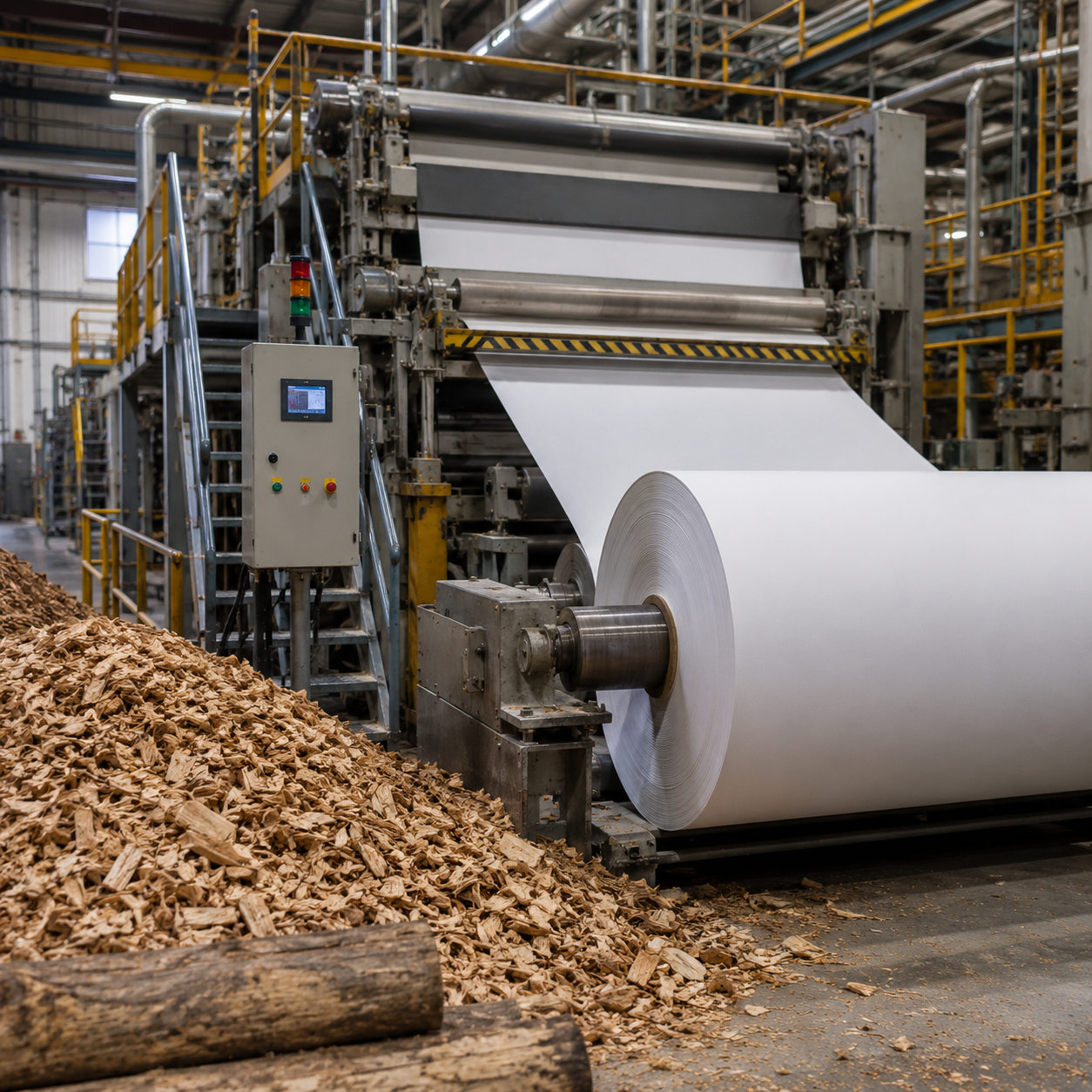
Furnish: Loblolly pine, RTS (refiner-thermo-screen) process, per the published TAPPI case study. Result: The 13% increase in burst index and the 30% increase in tear index, from a 2300 rpm baseline, didn't cost more energy in this trial -- the specific energy actually decreased 15% (from 1.87 to 1.59 MWh/odmt). That’s stronger pulp, using less energy, in a single trial.9
Case 2, Nordic Spruce, Energy Savings at Matched Freeness
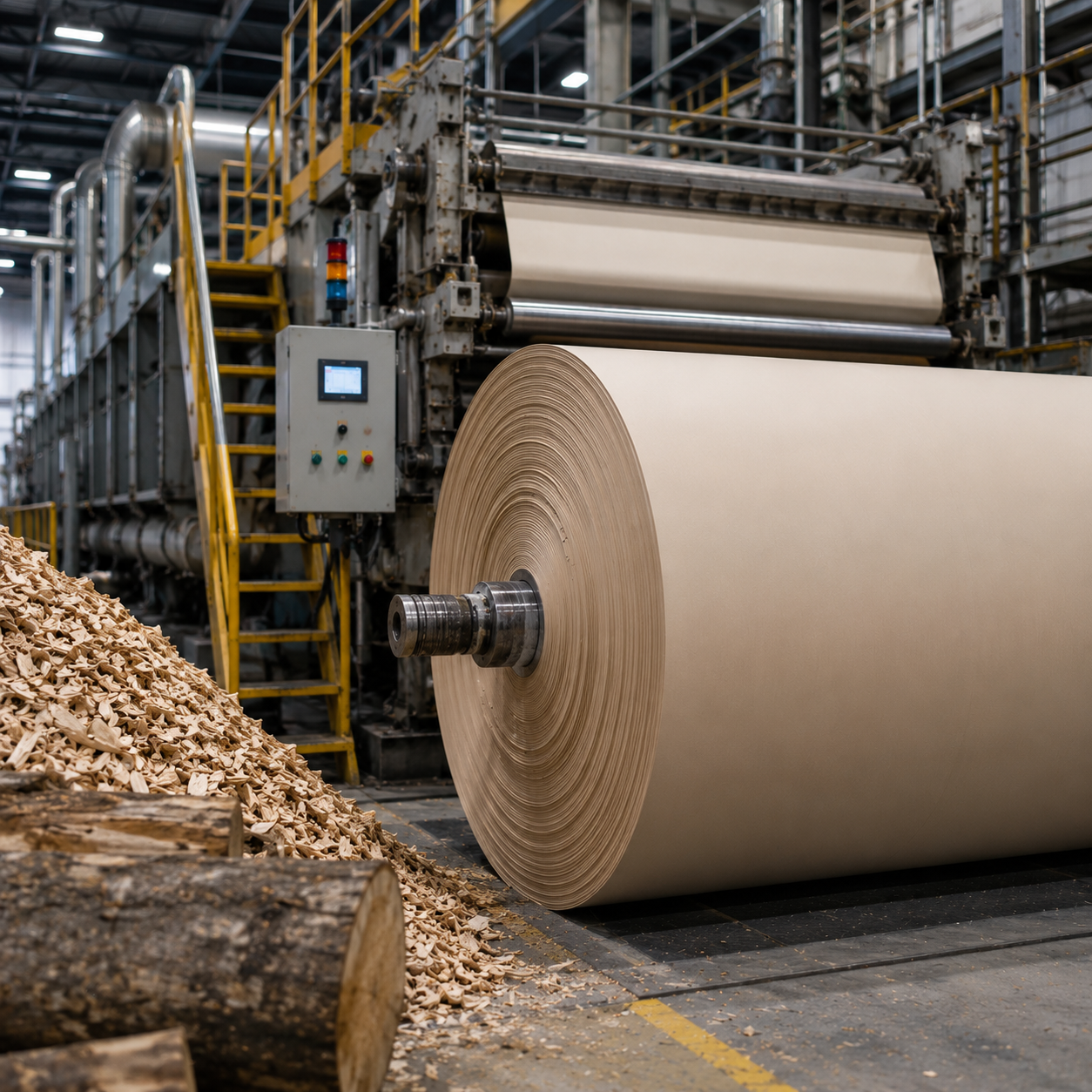
A Norway spruce RTS production line producing at 140 CSF after the secondary refiner used only 1.4 MWh/odmt of total specific energy (a 12.5% / 200 kWh/odmt reduction in energy, from a baseline rate of 12.5 to 14 tonnes/hour - a 12% increase in production). This trial used an optimized plate pattern on the same furnish.9
Case 3, TMP Mill: New Daily Production Record
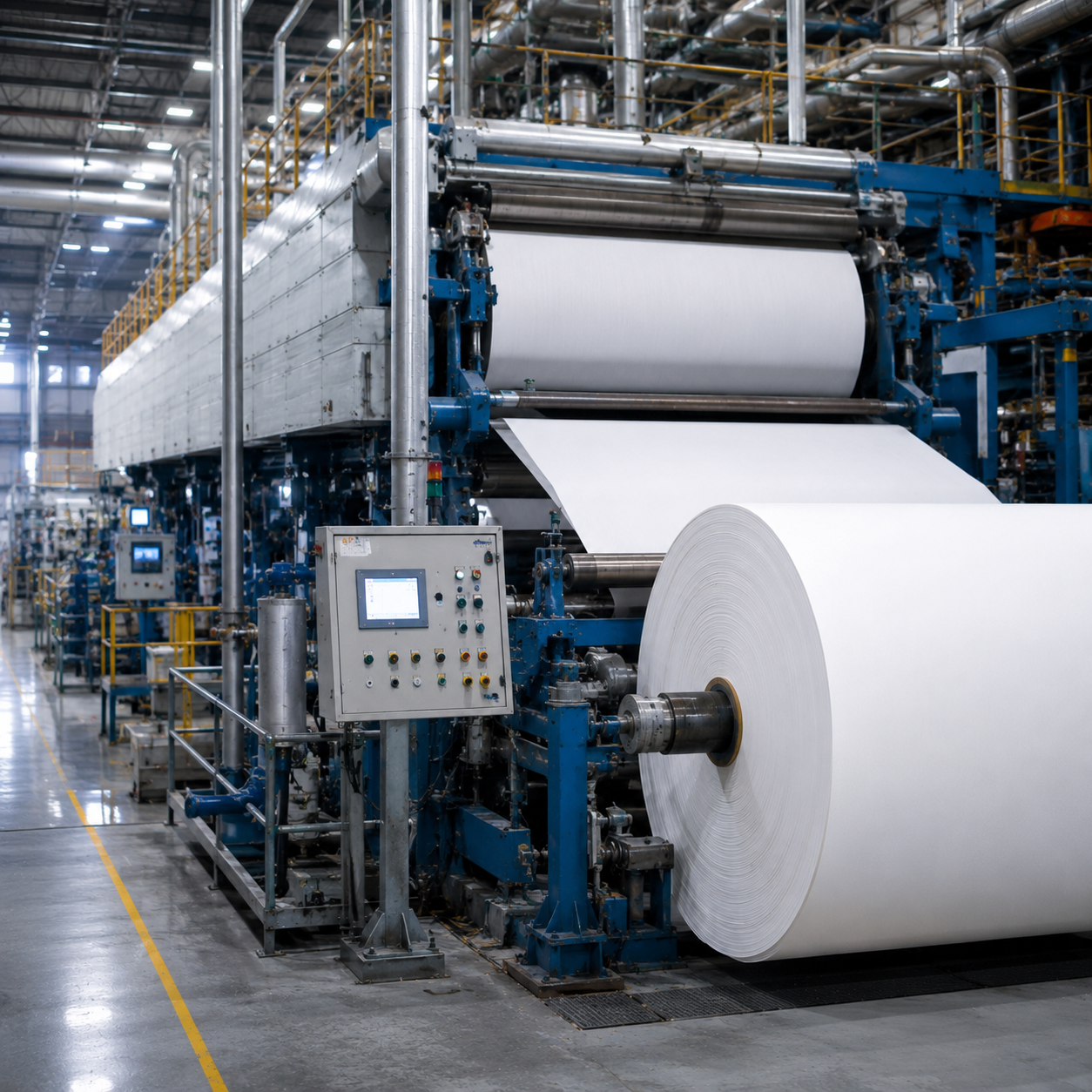
A northern spruce TMP mill set a new daily production record of 270 oven-dry metric tonnes per day, a 17% increase, after switching refiner plate pattern (VPZ™ family, per the published trial). Specific energy fell 17% in the same period, and the mill saw a 10% increase in tensile strength alongside a 20% increase in tear strength, at 10% higher freeness than before the change.9
Case summary from Musselman & Gingras, TAPPI IMPC 2007 (Andritz Inc.)
Regardless of whether it's a paper mill refiner replacement program running on a routine schedule, or a mill urgently replacing worn-out plates, the common theme connecting all three cases above is clear: no increase in the physical size of the refiner, or a switch to a competitor brand, caused any of these results. The gains in these trials resulted from precise matches of plate patterns to a mill's particular furnish and intended CSF targets - the same principle we've built into our measurement-matching process, explained in the "Ordering" section.
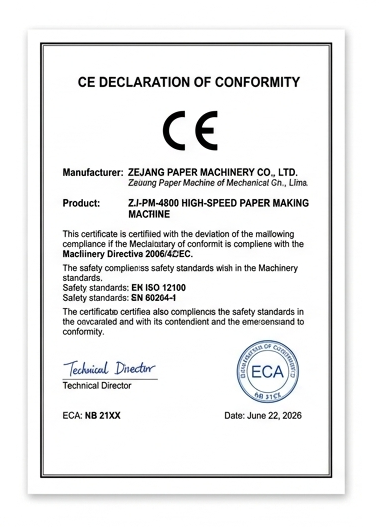
Certifications & Manufacturing Standards
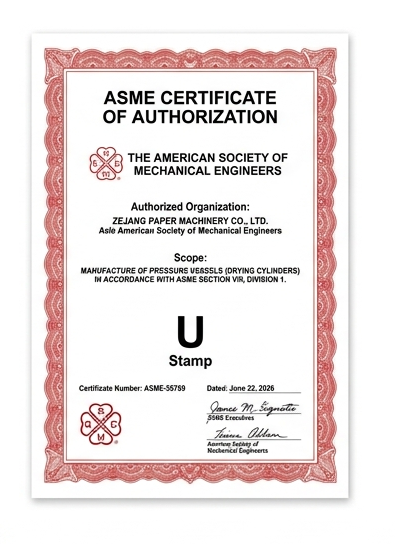
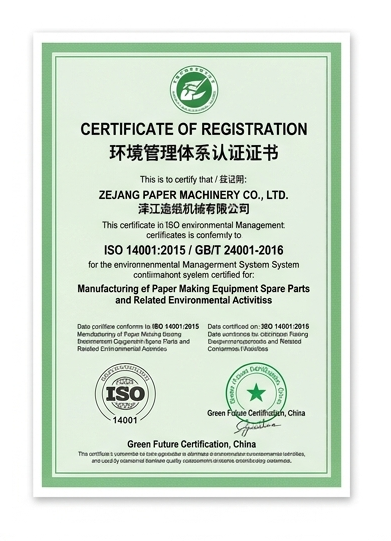
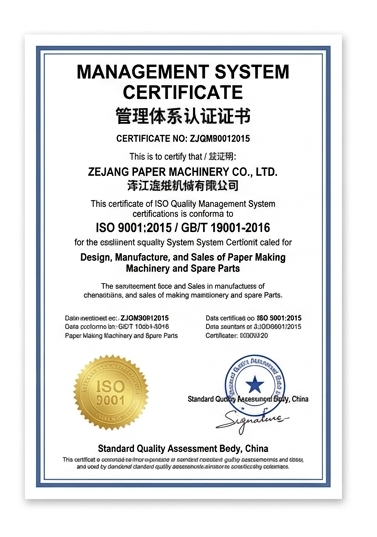
Raw Material Inspection
Incoming alloy verification
Rockwell Hardness Testing
ASTM E18 methodology
Dimensional QC
Pre-shipment tolerance check
Export Packaging
Transit-damage prevention
How to Verify You're Buying From a Real Factory
For international buyers working with manufacturers in China, a key question often comes up: “Is this a real factory or a trading company marking up other manufacturers’ work?” This is a reasonable concern, and it applies to us as well as any other supplier you're evaluating. As a buyer who has been stung before puts it, here are the red flags that almost always mean trading company: an unrelated mix of products under a single catalog and suspicious MOQs that don’t match the item; worth reviewing on any supplier's website, including our own. The same handful of checks often performed by successful buyers:
Scope of business license. As buyers who have vetted Chinese suppliers say: "check their business license; if it's a real factory it will include ‘production’ or ‘manufacturing’ in its scope,” as opposed to only listing trading and/or import/export business.
Registered company name and registration number. These should match across all quotes and contracts, both in English and Chinese (a company name registration number check).
Factory visit or live video of the factory. A legitimate manufacturer can give a live tour of its production floor, show its casting or machining equipment, and reveal inventory under production -not just use stock photos.
Willingness to accept third-party pre-shipment inspection. This is a good sign; reluctance is a red flag worth inquiring about.
×
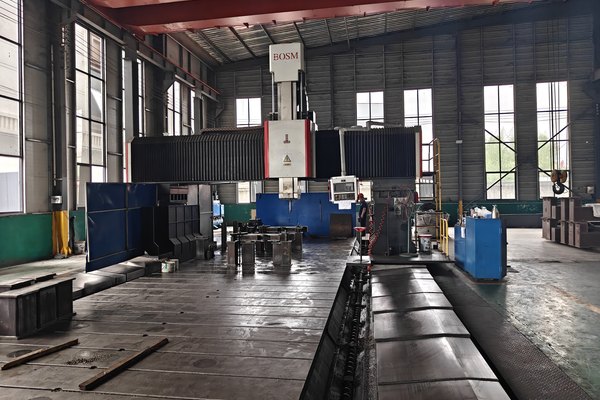
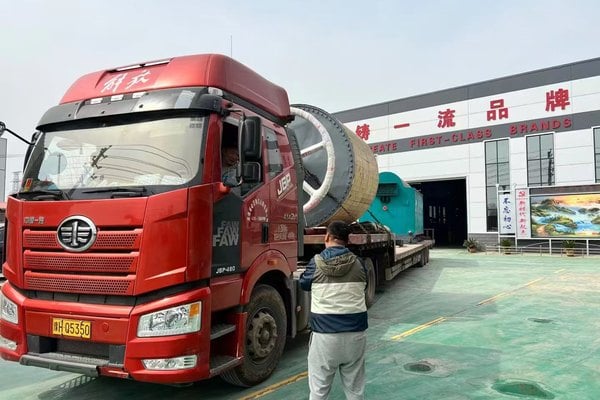
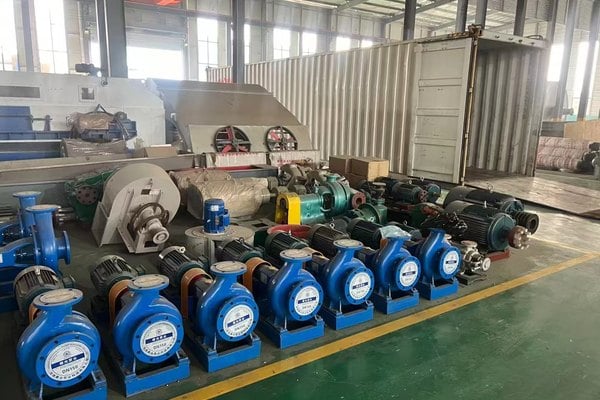
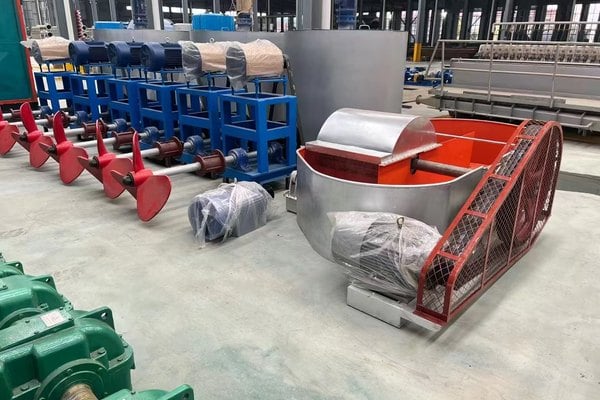
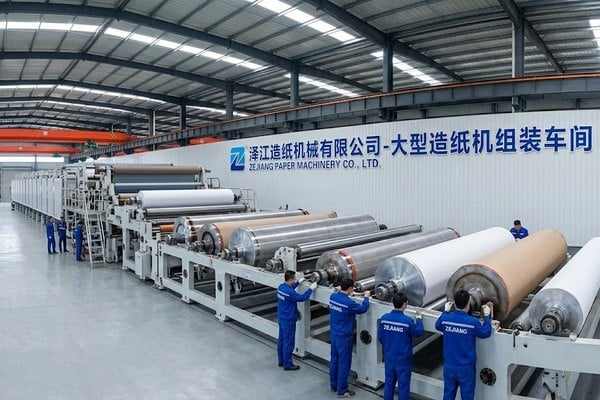
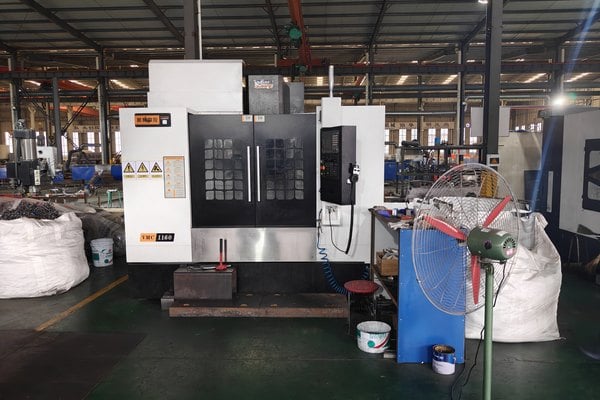
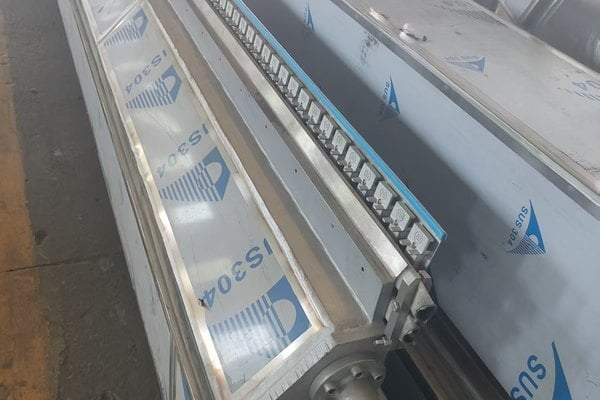
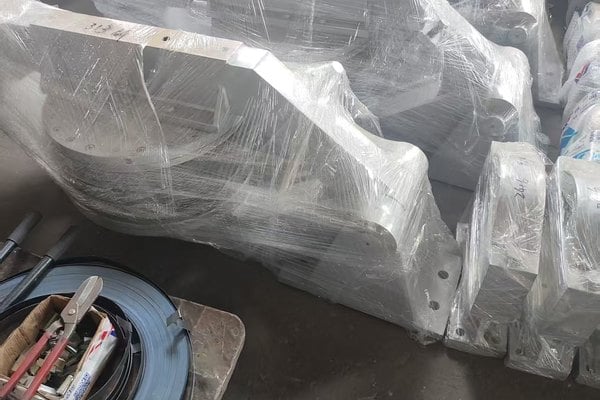
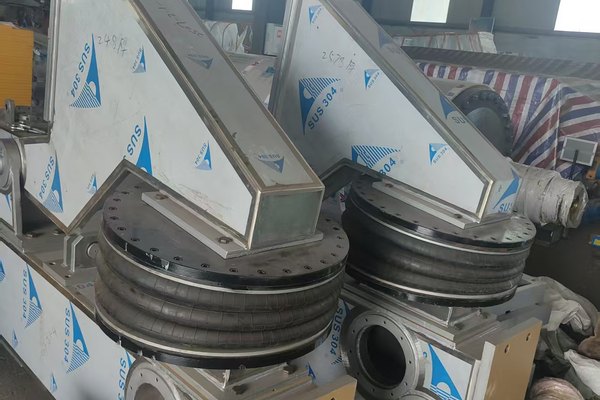
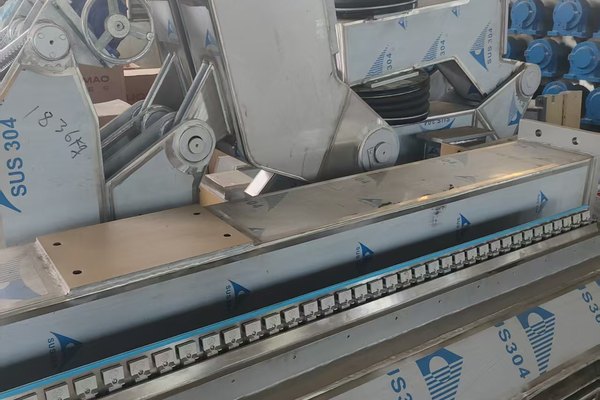
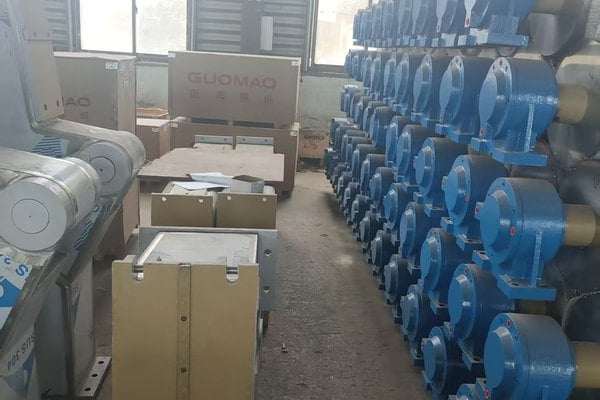
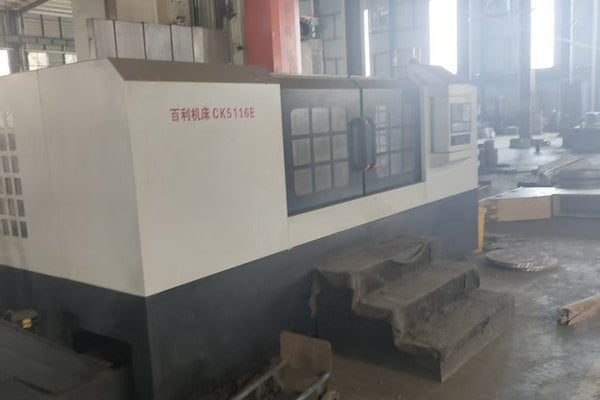
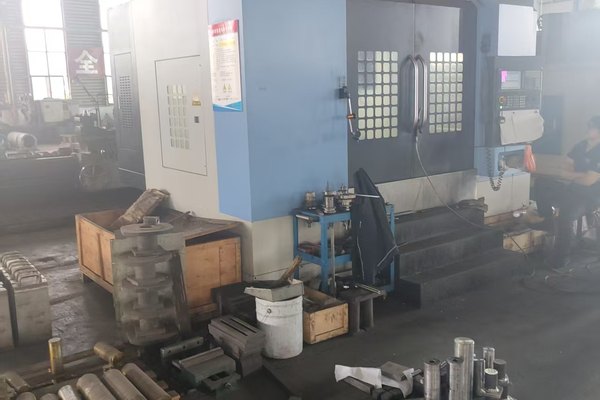
State-of-the-Art Paper Machinery Production Center
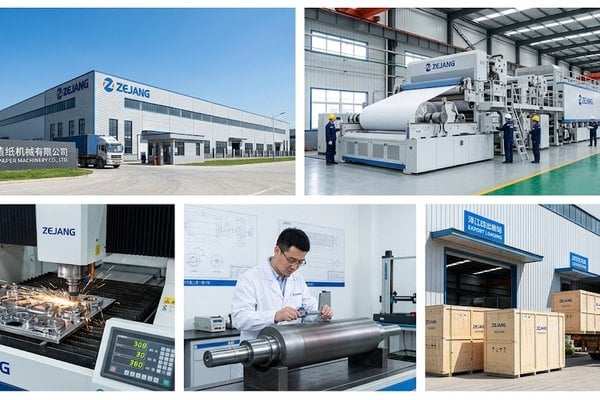
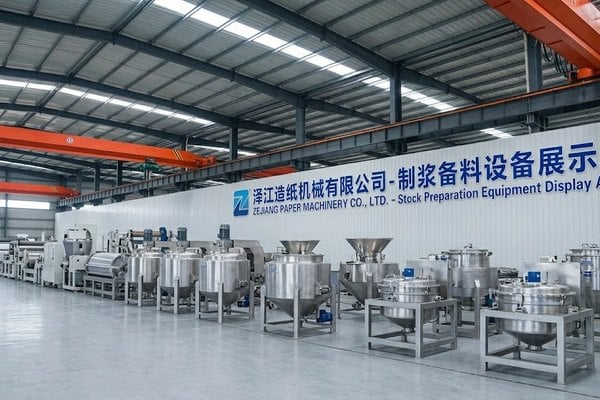
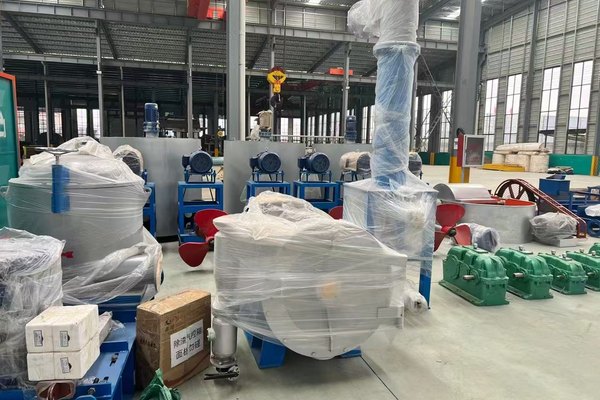

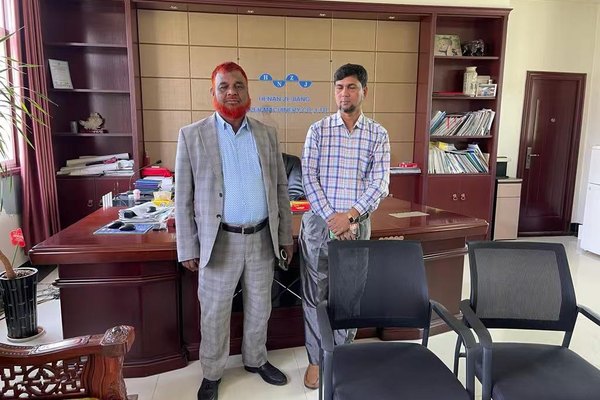
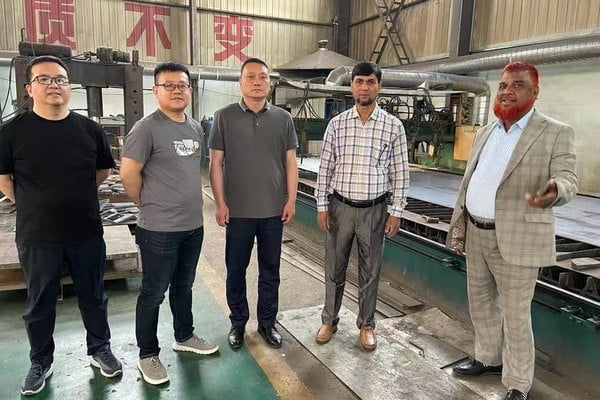
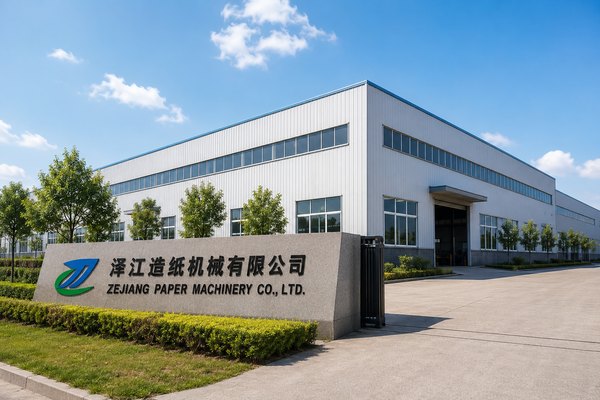

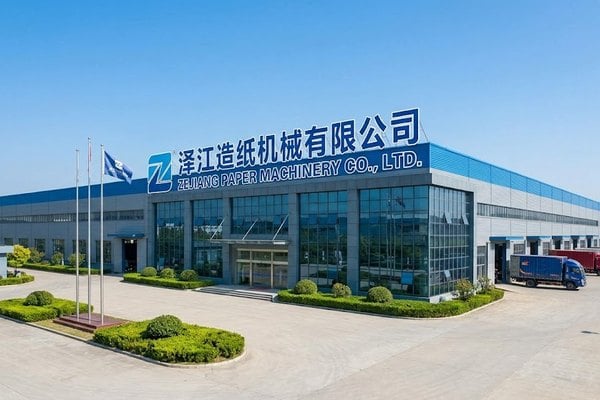
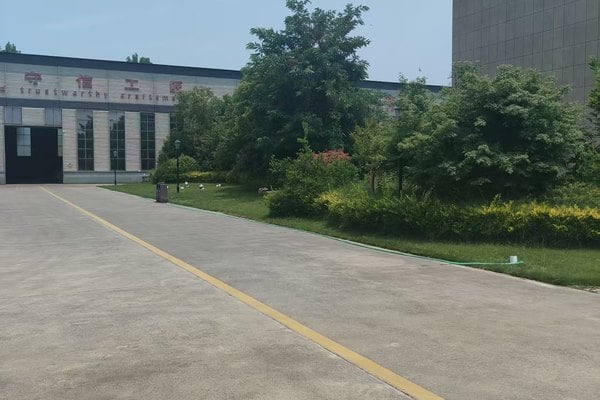
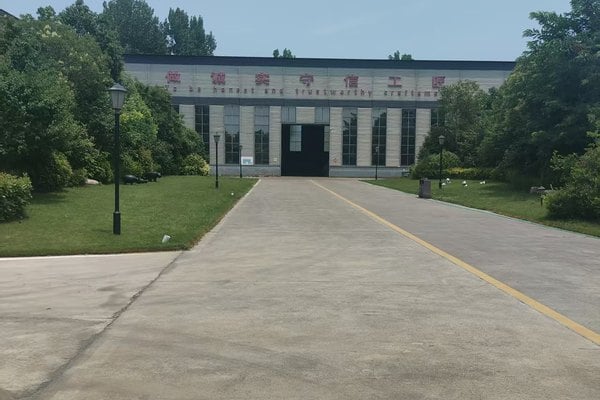
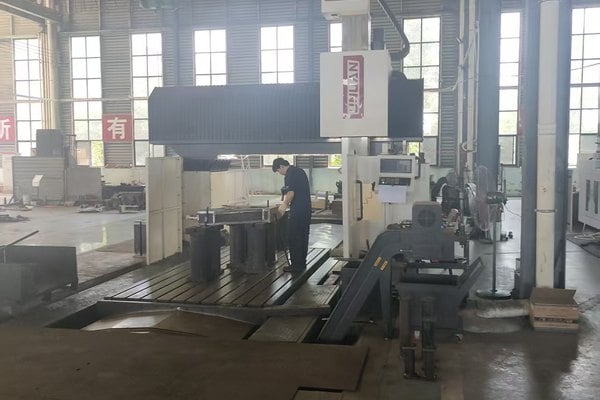
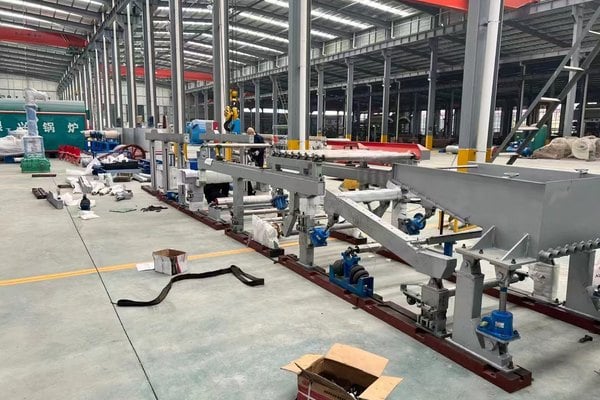
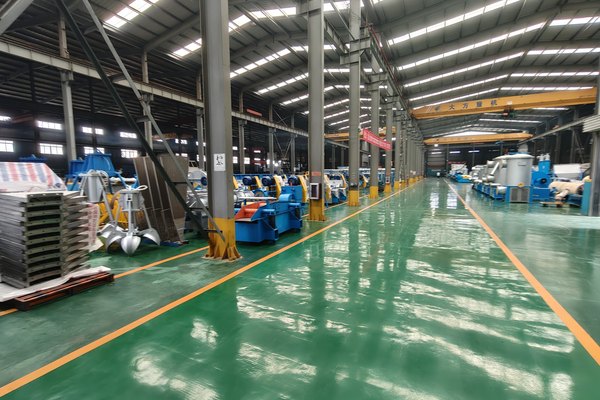
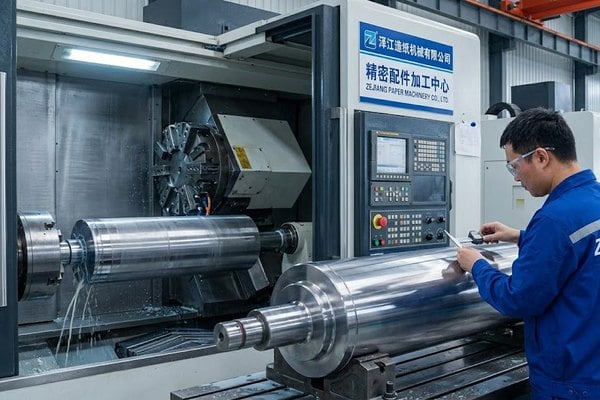
×
Refiner Plates & Screen Baskets Engineering Tools
Refiner Plate Energy-Savings Range Estimator
Independent TAPPI field trials documented 12.5–17% specific-energy reduction when refiner plate design was matched precisely to furnish and target freeness (see the pillar page for full case studies). Enter your current specific energy to see what that published range would mean for your operation — this is an illustrative range based on published research, not a guaranteed result for your specific machine.
More
Open Estimator
Wear-Parts Sourcing Risk Self-Assessment
Five questions based on the compatibility and supplier-verification factors covered on this page. Answer honestly about your current sourcing practice for refiner plates and screen baskets — this isn't graded, it's a quick check for gaps worth closing.
Start Assessment
Refiner & Screen Brand Compatibility Selector
Select the refiner, defibrator, or pressure screen brand currently installed at your mill to see how Zejiang approaches a compatibility match for that equipment family.
Check Compatibility
Real-Factory Verification Checklist
Before ordering refiner plates or screen baskets from any China-based supplier — including Zejiang — run this checklist. It's built from the criteria buyers actually use to tell a real manufacturer from a trading company reselling someone else's output.
View Checklist
Bar-Edge Length Comparison: Tensile Strength by Refining Energy
Published research on two refiner plate patterns with different bar-edge lengths (BEL) shows how much geometry alone changes fiber-strength outcomes on the same recycled-fiber (OCC) furnish. Toggle between the two comparison points below.
Compare Data
Frequently Asked Questions
Find answers to common inquiries regarding our premium refiner plates and screen baskets. Learn about manufacturing standards, service life optimization, and fitment.
refiner plates are the wear alloy discs or segments that sit inside a refiner or defibrator. When pulp fiber passes through the gap between rotating and stationary plates, the bars and grooves in the plate surface cause compression, shearing and fibrillation of the fiber, thereby creating strength and bond-building properties necessary for papermaking and enhancing fiber quality in the manufacture of MDF/HDF panels.
Refining is the mechanical processing of pulp fibers in a small, controlled gap between rotating and stationary plates, both having bar and groove patterns. In passing through this gap, fibers are compressed and sheared by the bars, creating fibrillation and improving flexibility and bonding capability, which varies significantly with the bar pattern and refining intensity for the desired freeness, as described in the Performance section.
In paper making, a screen basket is a perforated or slotted cylinder within a pressure screen, that separates clean pulp fiber from contamination like shives, plastic and sand prior to the stock entering the paper machine. It's an engineered component designed with specific slot geometry and alloy content and is distinct from standard industrial strainer baskets for water filtration applications.
It's easy to run the risk of selecting plates from the wrong supplier just because you know the brand name of the refiner - it's documented in engineering literature that plates of the same family of equipment can perform differently with differences in the pattern design (i.e. the cutting edge length, number of slots and spacing of slots) rather than differences in the dimensions of the housing. For this reason, our selection process always begins with the dimensions of your plate-holder or basket housing, as well as your existing pattern if possible or the worn sample itself, instead of just knowing the refiner make and model.
Be wary of selecting suppliers who only list "manufacturing" or "production" on their business license, verify their business license name and number against our quotation, request live video tours of their facilities and observe the presence of casting and machining equipment, and inquire whether a third party inspection prior to shipment will be permitted. See our checklist of certifications below for other verification methods.
Several factors influence plate wear rate, including alloy content and hardness of the casting, the refiner bar pattern and the aggressiveness with which it's run, refiner furnish composition, rotor-stator clearance and operating conditions of the refiner (i.e., constant monitoring and operation). Numerous articles in literature on refining technology present documented case studies demonstrating how optimized pattern selection can nearly double the service life of a refiner plate on a given furnish - material and pattern play as large of a role as running hours.
The production process for refiner plates generally consists of alloy casting (usually high chrome or Ni-hard white iron), heat treatment for hardness and wear resistance development, precision machining to customer specific patterns and dimensions, hardness and dimensional inspections and finally export packaging.
Verify that the alloy composition being offered has a recognized designation under ASTM A532/A532M, which is the standard specification for abrasion-resistant white cast irons. If an alloy or hardness specification is not associated with a listed class or type under that standard, then independent verification of alloy performance may be challenging.
This is dependent on the amount of the pattern that's a standard configuration vs. custom (see section above "What Drives lead time" for information about that) but contact us with your equipment details and we would be pleased to quote an estimated lead time for your order.
Yes, this terminology is used interchangeably in the paper industry to refer to the same wear component. “refiner segments” is very common, “refiner plates” also used often, while “segments” typically refers to refiner plates supplied in sectional pieces around a refiner disk instead of a single fitted plate. Refiner disk is also used sometimes. We manufacture and supply all of these options to accommodate various refiner disk holder designs.
Yes, pulper rotors are included in our product offering of stock preparation equipment alongside refiner plates and screen baskets. Since pulping, refining and screening are all separate stages of a process, pulper rotor orders are handled as their own product category. Let's know that you would be interested in them when you contact us for a quote and we'll price them for you, separately or bundled with your refiner plate order.
![Refiner Plates & Screen Baskets [Complete Guide]](https://zjpapermachine.com/wp-content/uploads/2026/07/refiner-plates-screen-baskets-guide-featured-150x150.png)
![Doctor Blade: Types, Materials & How It Works [Guide]](https://zjpapermachine.com/wp-content/uploads/2026/07/doctor-blade-guide-featured-1-150x150.png)
![Pulping Equipment: How Paper Pulping Works [Guide]](https://zjpapermachine.com/wp-content/uploads/2026/07/pulping-equipment-guide-featured-150x150.png)