Get in touch with Zejiang Paper Machinery Company

Pulp Pump & Agitator for Paper Mill Stock Systems
Our Pulp Pumps & Agitators – a winning combo. Ensure smooth, stable stock prep. Right consistency keeps pulp from building up on screens or pipe walls. This means no plugging, no loss of production, no unplanned downtime. Zejiang produces pulp pumps and agitators. Factory-direct from Henan, China, your entire pumping and agitation package from one source.
Request a Quote →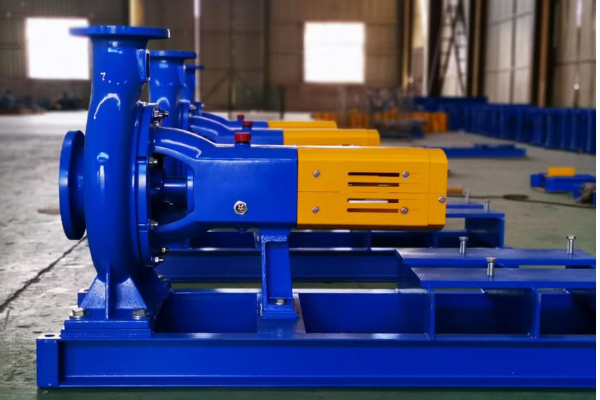
LC–MC
Consistency Range Serviced (1–16%)
2
Agitator Configurations (Chest / Side-Entry)
Centrifugal
Pump Design Family
Factory-Direct
Henan, China Manufacturing
Custom-Sized
Matched to Chest/Tower Volume
Single Supplier
Pumps + Agitators, One Quote
Process Integration
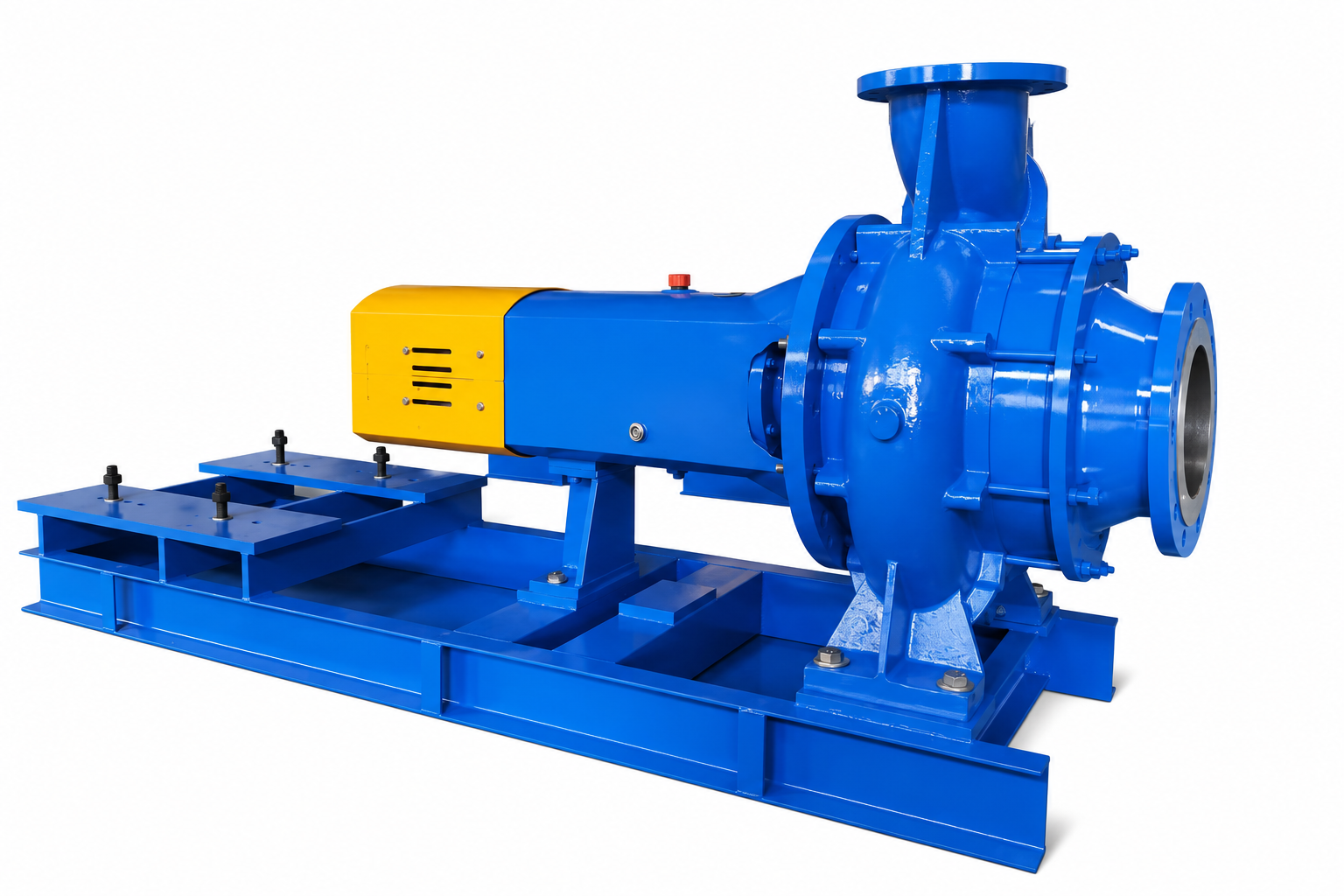
Why Pumps and Agitators Get Specified as One System, Not Two
A pump curve gets picked to match a flow rate and head. An agitator gets picked to match a chest volume. Treated as two separate purchase decisions, both specs can be individually correct on paper and the system can still underperform — because the pump’s actual suction condition depends on what the agitator is doing upstream of it, not on the catalog number stamped on either unit.
Where the Two Specs Actually Meet
An agitator’s job is to hold fiber in suspension at a uniform consistency across the whole chest volume – not just near the outlet. Where an agitator is undersized or poorly placed, dead zones form in the corners and bottom of the tank, and the stock reaching the pump suction stops being the uniform consistency the pump was sized for.
A pump built for a steady 3% LC feed can be pulling pockets of settled, higher-consistency stock one moment and thinner stock the next, which is exactly the kind of suction-side variation that pushes a correctly-sized pump toward cavitation or intermittent loss of prime – a problem that shows up as a pump complaint even though the pump itself was specified correctly.
The reverse also holds: a pump’s suction design and NPSH margin can pull stock in a pattern that reinforces exactly the dead zones an agitator is meant to eliminate, if the two aren’t reviewed against the same chest drawing. That’s why Zejiang treats pump and agitator sizing as one system-level quote rather than two catalog lookups – reviewing consistency band, chest geometry, and pump suction layout together against your quote data catches this interaction before it becomes a commissioning-stage problem instead of a design-stage decision.
Sizing a pump and agitator for the same chest or tank?
Request a Combined System Quote →
Pulp & Stock Pumps, LC/MC Pump Selection
30%+
of motor-driven electricity use in a typical U.S. pulp & paper mill goes to pumps — and pumps over 20 years old commonly run 10–25% below their original efficiency.
Source: ENERGY STAR / U.S. Department of Energy Pulp and Paper Energy Guide (Lawrence Berkeley National Laboratory, 2003 — still hosted as the current version on energy star.gov; no newer edition identified) [QUALIFIED — industry-wide data, not a Zejiang-specific measurement]
Stock prep pump problems almost invariably happen in one of two familiar modes: a low-consistency pump undersized for solids-handling that plugs on tramp material, or a pump that was specified for the wrong consistency range and that will either cavitate, lose prime, or wear the impeller down in months, not years. Figuring out how to establish the proper LC/MC split at the front end distinguishes the pump that require replacement every ten years from the one you’ll be servicing every three months.
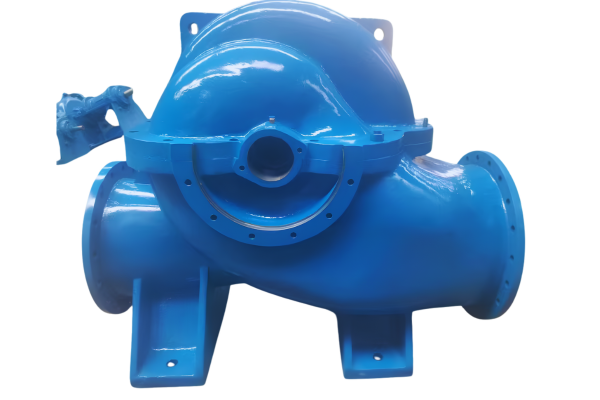
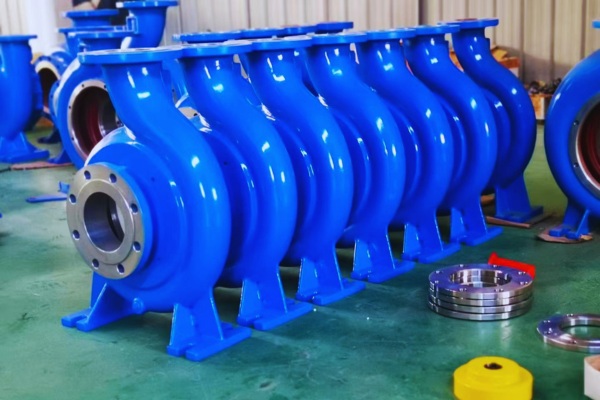
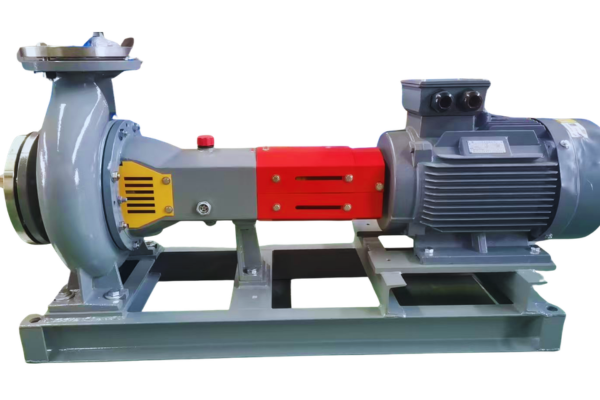
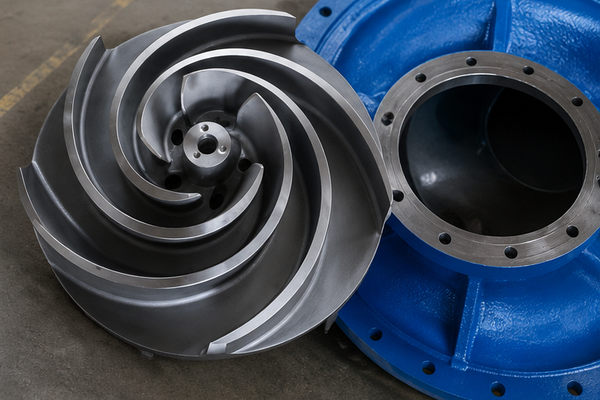
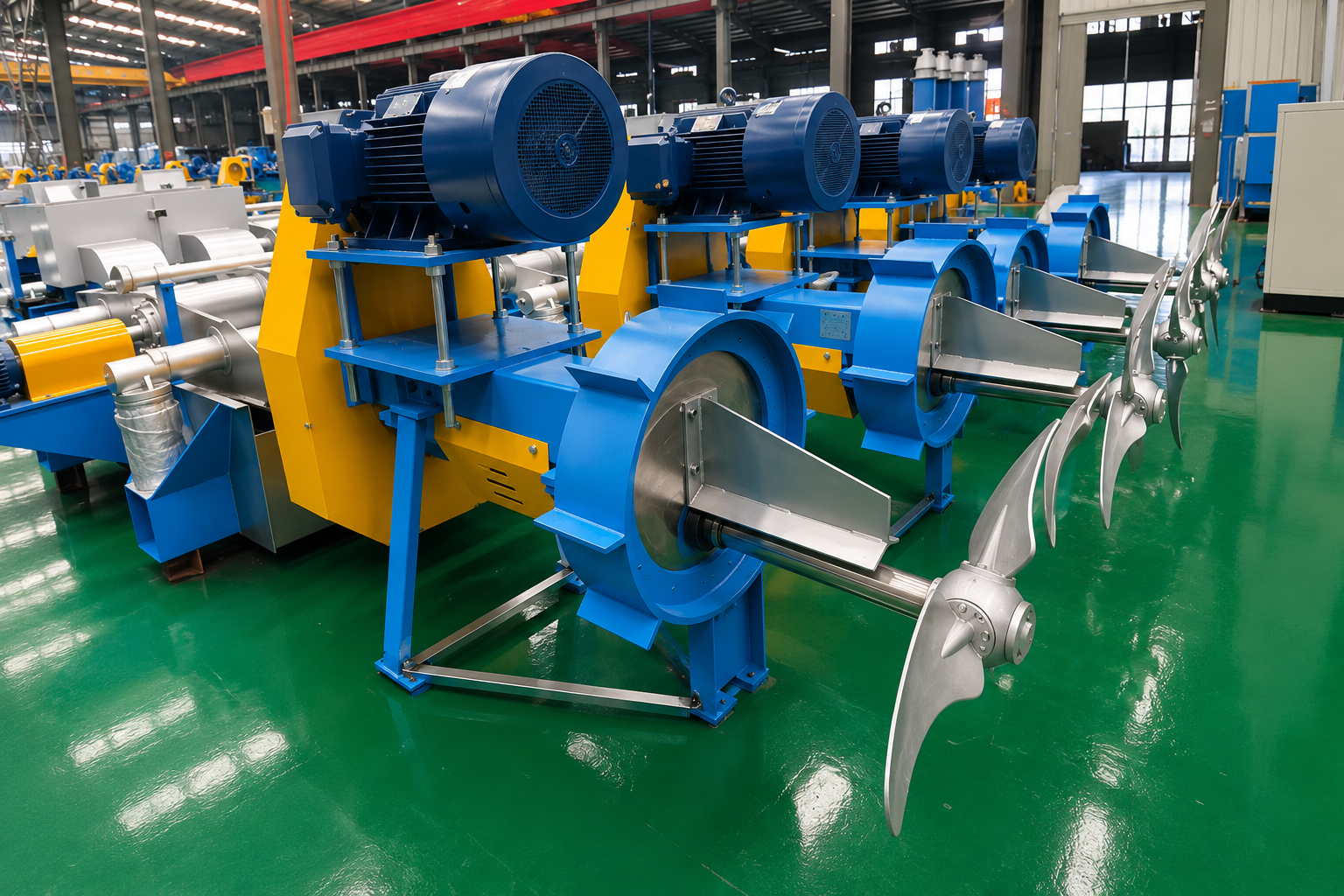
Zejiang centrifugal pulp/stock pump for LC/MC consistency handling, factory floor
Consistency Bands, What They Actually Mean
Consistency is expressed as the percent oven-dry fiber mass in a suspension of pulp (dry weight ÷ total sample weight × 100%), and it’s the one number that dictates the family of pump required. Bands defined in the reference work published by the University of British Columbia’s Pulp and Paper Centre break down as follows:
| Band | Consistency | Typical Application | Pump Type |
|---|---|---|---|
| Low Consistency (LC) | 1–5% | Stock prep, cleaning, screening, blending | Standard centrifugal, open impeller |
| Medium Consistency (MC) | 5–12% | Cooking, bleaching, storage, repulping | MC centrifugal with fiber-separation / degassing design |
| High Consistency | 12–40% | Mechanical pulping, reject refining, bleaching | Specialized HC handling (outside standard MC pump range) |
UBC Pulp and Paper Centre “Consistency and Freeness” – pulp engineering reference. Zejiang offers pumps that cover the LC and MC ranges (1-16% practical operating range); other product families cater to consistencies above 16%.
Zejiang’s approach is built around that same LC/MC divide: an open-impeller design for the 1-5% stock-prep range, and an MC product line with an incorporated fiber-separation stage for the 5-16% band, where a regular open impeller would lose prime to entrained air.
Performance at MC consistency depends on how that separation stage holds up at real operating temperature, not just at bench-test conditions – a design that look fine in a cold-water demo can still lose prime once it’s running hot pulp in daily production. Pump casings and wetted parts are specified in corrosion- and abrasion-resistant materials matched to the fiber and chemical load in your line – kraft, OCC, and tissue stock are all different – rather than one casing spec applied across every mill.
Sizing a Replacement Pump
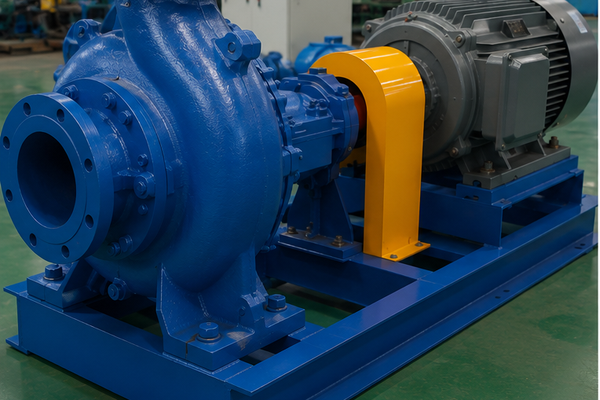
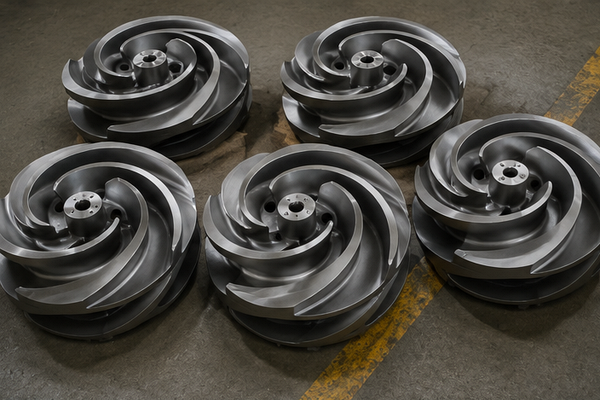
Pump selection guidance generally favors running near a pump’s best-efficiency point rather than derating an over sized one down to your duty point – although as a pump industry guide explains, “this may not always be an option when you only have a narrow range of pump options.” The real trade-off is upfront cost versus efficiency: a marginally larger pump is more expensive initially but will be much more energy-efficient over the many years you run it, than a smaller one forced to operate outside its best-efficiency range. Provide us with your required flow rate, pressure (head), and the consistency band, and Zejiang will find a model to meet your needs rather than simply push you to the next standard size.
Not sure which consistency band your line runs at?Chest & Side-Entry Agitators, Uniform Stock Consistency
An undersized or improperly placed pulp chest agitator doesn’t go boom – it goes pop. Paper pulp collects in the corners, creating dead zones where the fluid flow never reaches, and by the time it’s a problem, it appears downstream as sheet defects or an uneven supply to the paper machine. In a stock prep line, agitation is your cheapest form of insurance – and therefore it’s the most frequently undersized piece of equipment. Proper agitation relies as much on blade geometry and mixer placement as motor horsepower – whether the flow pattern actually makes it to all the corners of the tank. Blade profile isn’t a minor detail either: a recent U.S. patent on agitator impeller vane design highlights just how much fluid-mixing performance depends on blade geometry choices most buyers never think to ask about.
Chest (Top-Entry) Agitator
Mounting
Top-mounted, vertical shaft
Power Range*
5.5–75 kW
Best Fit
Machine chests, mixing chests, smaller storage tanks
Side-Entry Agitator
Mounting
Lateral, through tank wall
Power Range*
7.5–110 kW
Best Fit
Large storage chests and towers, higher-volume circulation
*Typical Industry power range across similar chest/side-entry agitator equipment, shown for comparative sizing purposes, not as specific Zejiang catalog values. Specific unit sizing is calculated to match your chest volume, target turnover, and pulp consistency.
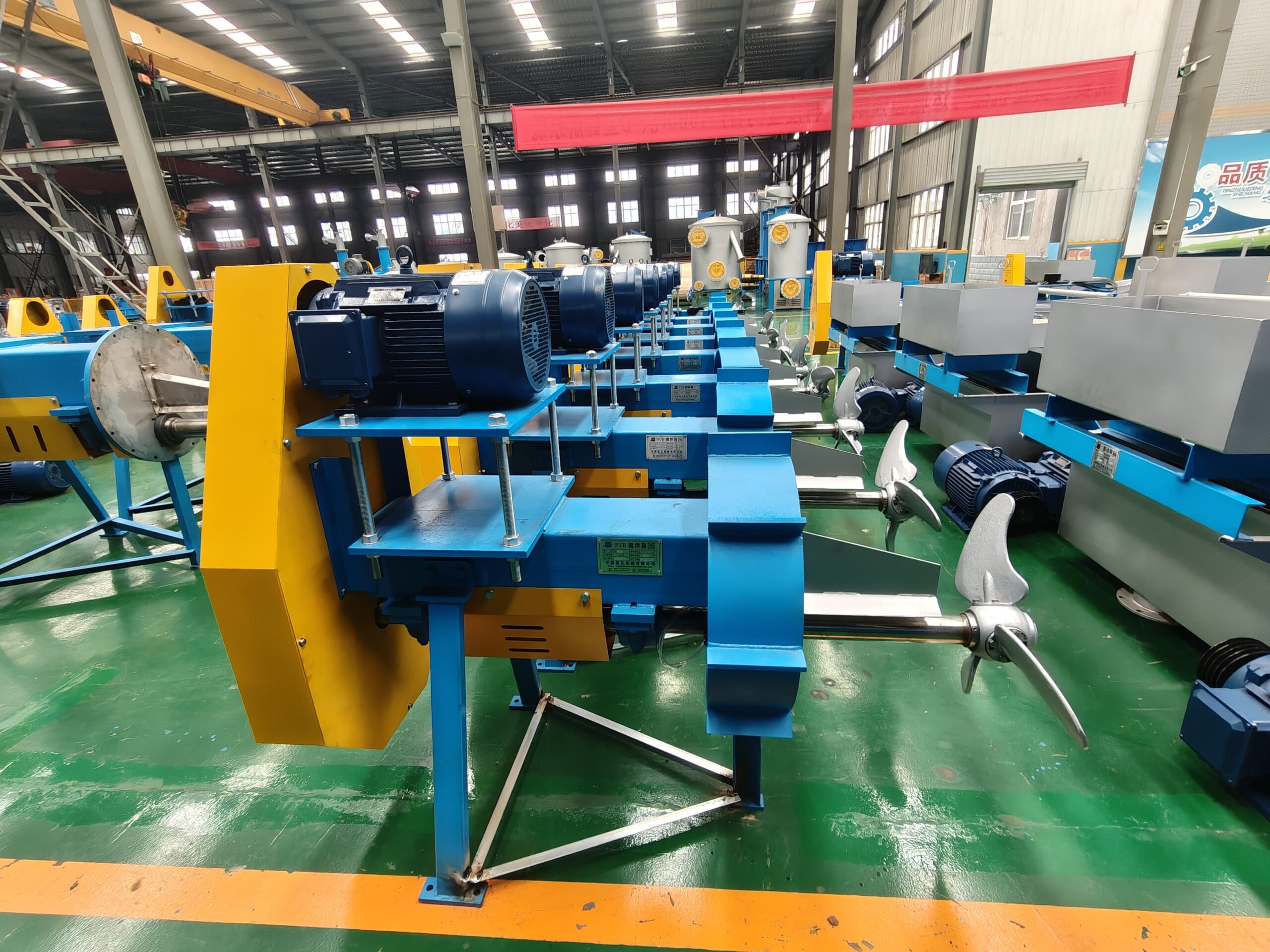
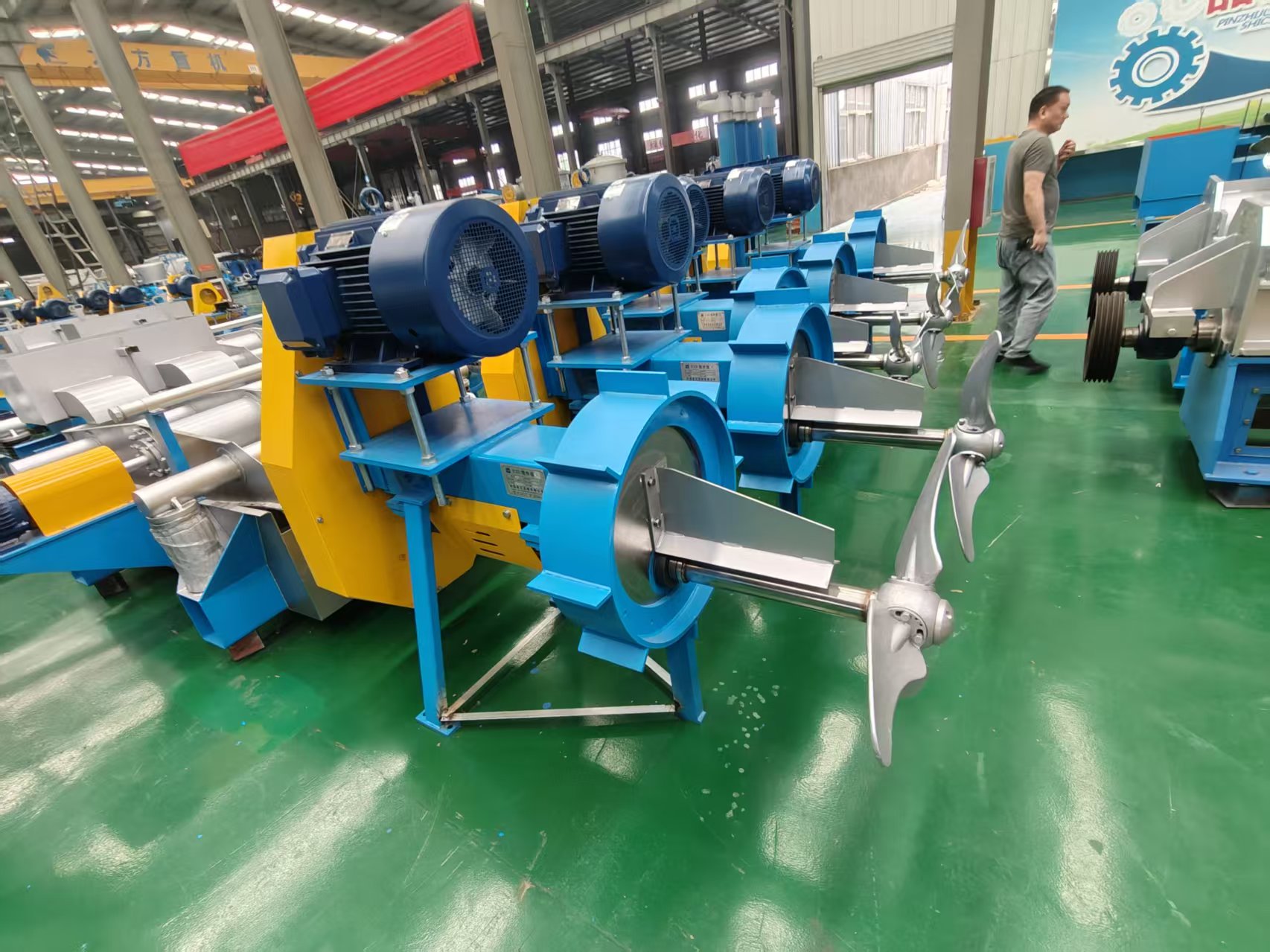
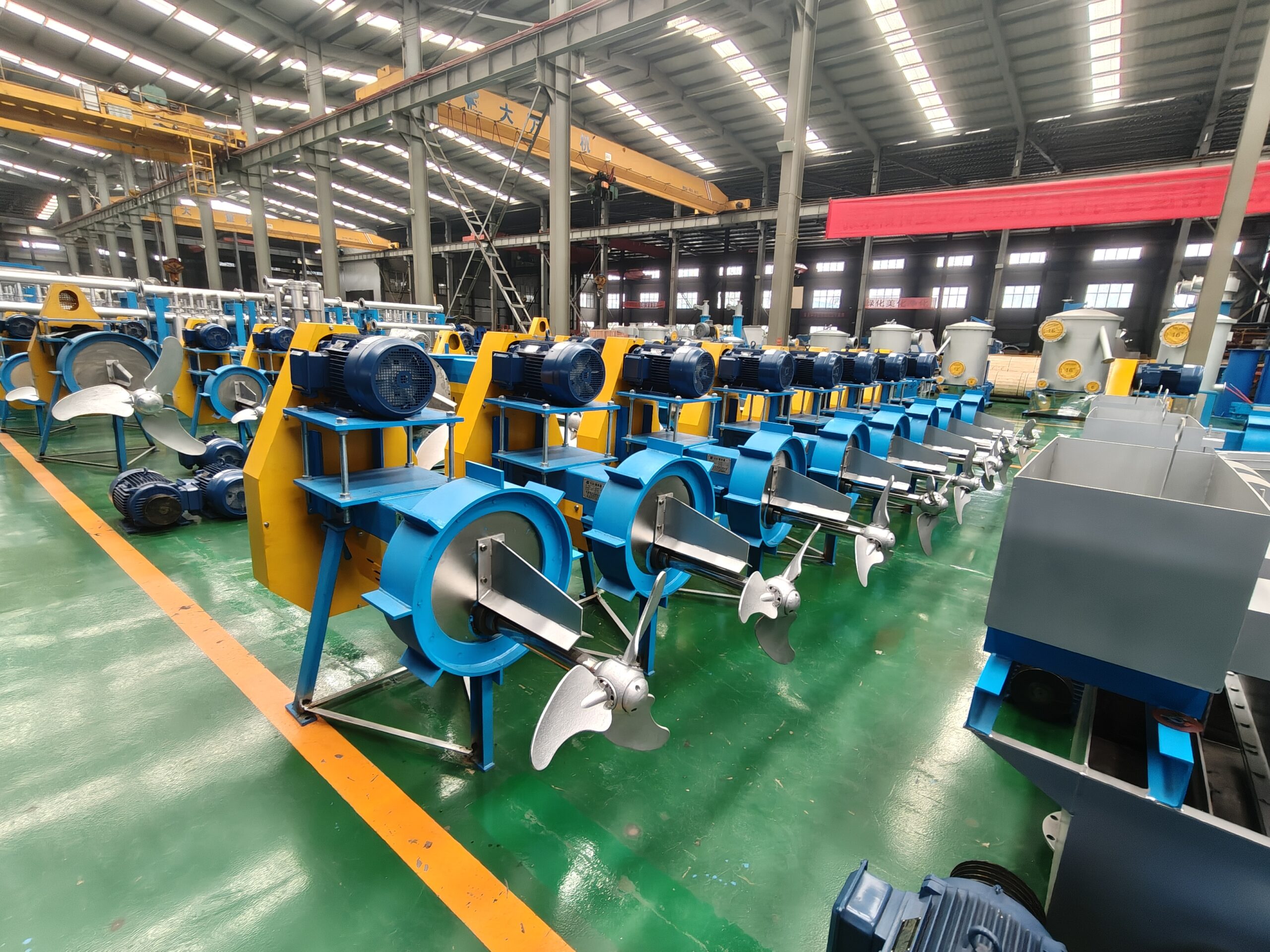
Most often misunderstood here isn’t the agitator itself, but the downstream impact of its failure. Uneven pulp suspension in dead zones in the chest appears downstream as fiber clumps, poor furnishes blending, or sheet defects that are incorrectly attributed to the paper machine when the true issue lies upstream. A correctly sized and placed agitator, that eliminates dead zones across the chest volume, maintains consistency at the headbox inlet. Unlike an undersized pump that will quickly demonstrate a lack of flow, an undersized agitator may run for months appearing fine until the compromise show up in sheet defects.
“Undersizing an agitator to save a few thousand dollars up front is the mistake we see most often in stock-prep quotes, the chest looks fine on paper until someone’s chasing sheet defects three months after startup and tracing it back to a dead zone nobody sized for. The honest version of that story is that the agitator was never the expensive part of the quote, the downtime was.”
Comparing chest vs. side-entry for your specific tank drawing?
Request a Custom Comparison Quote →
Common Failure Modes — What a Symptom Actually Points To
Most stock-prep pump and agitator complaints get diagnosed by symptom alone, which is how a suction-side problem ends up treated as a pump-quality problem. Mapping the failure modes most relevant to stock-prep pumps against their usual root cause – cross-referenced against general centrifugal-pump failure-mode data, not warranty claims specific to Zejiang units – is a faster way to sort a real defect from a downstream sizing issue.
Chasing a symptom you can’t pin down? Send us specs →Cavitation/dry-running/misalignment failure-mode and warning-sign data per Oxmaint centrifugal pump troubleshooting guide (general industrial pump maintenance reference, not paper-industry-specific or a Zejiang finding). Dead-zone/fiber-clump pattern per the agitator discussion above.
Symptom
Crackling/gravel noise, erratic flow, pitted impeller
Usual Root Cause
Cavitation – insufficient NPSH, clogged suction strainer, or entrained air at suction
What It Points To
Suction-side condition, often an upstream agitation/consistency problem rather than the pump itself
Symptom
Sudden loss of prime, zero discharge pressure
Usual Root Cause
Dry running – air-bound suction, closed/blocked suction line, or an emptied chest
What It Points To
Suction supply interruption – check chest level and agitator coverage before assuming pump failure
Symptom
2x running-speed vibration, coupling wear, repeated seal failures
Usual Root Cause
Shaft misalignment between motor and pump
What It Points To
Installation/alignment issue, not a spec or sizing error
Symptom
Fiber clumps or sheet defects with no pump-side alarm
Usual Root Cause
Dead zones in the chest – agitator undersized or mispositioned for the tank geometry
What It Points To
Agitator sizing/placement, not the pump or paper machine
Manufacturing & Assembly Facilities
Factory Overview

Factory Facility Layout
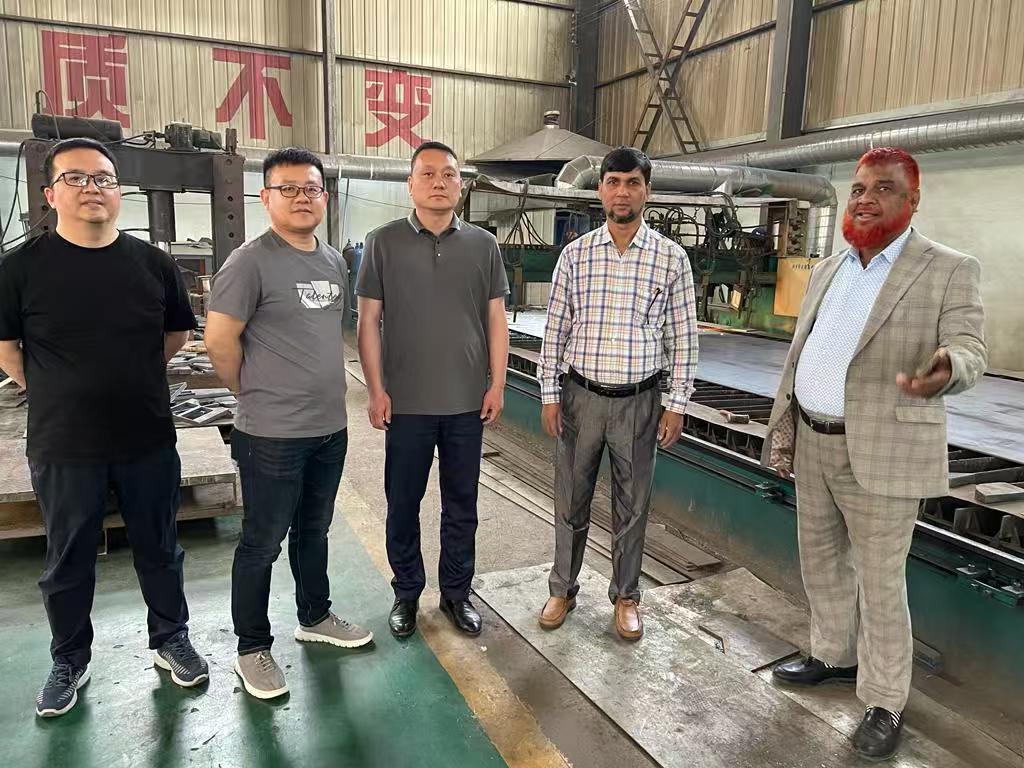
Infrastructure Block 1
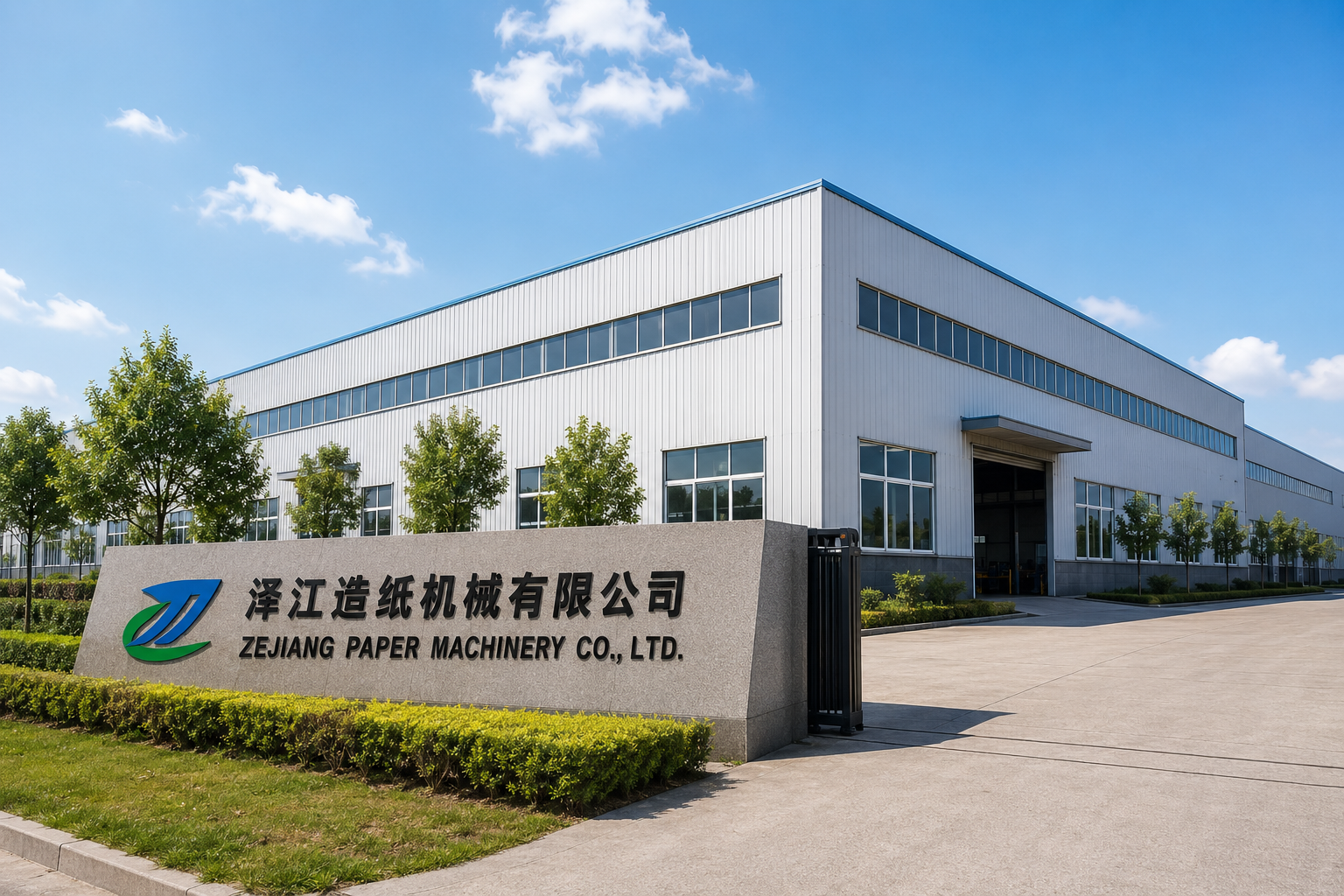
Production Base View
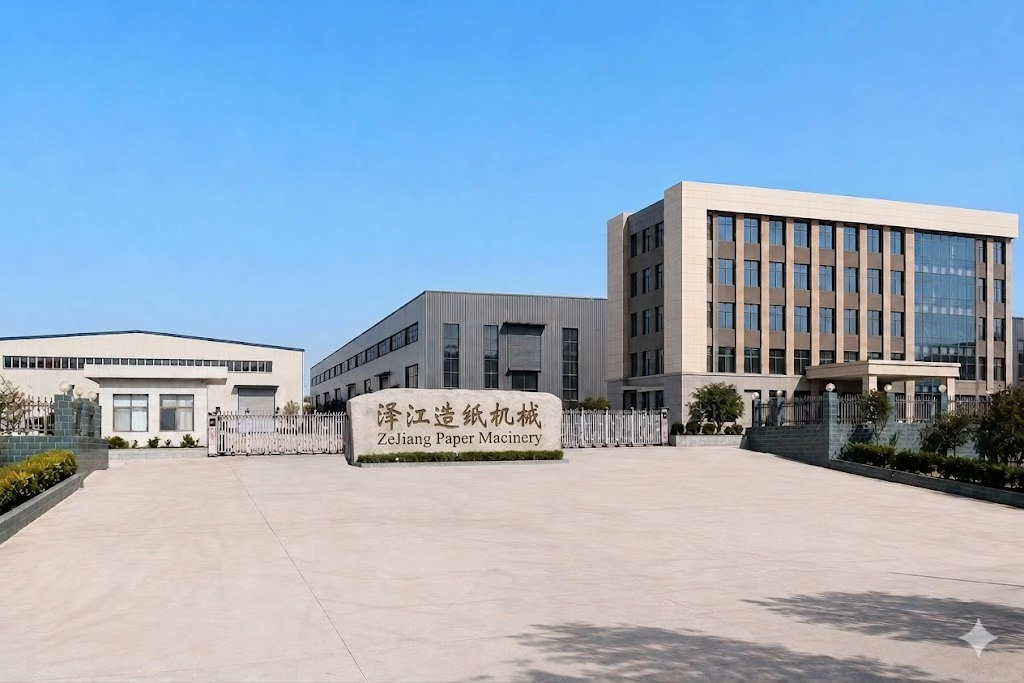
Exterior Assembly Area
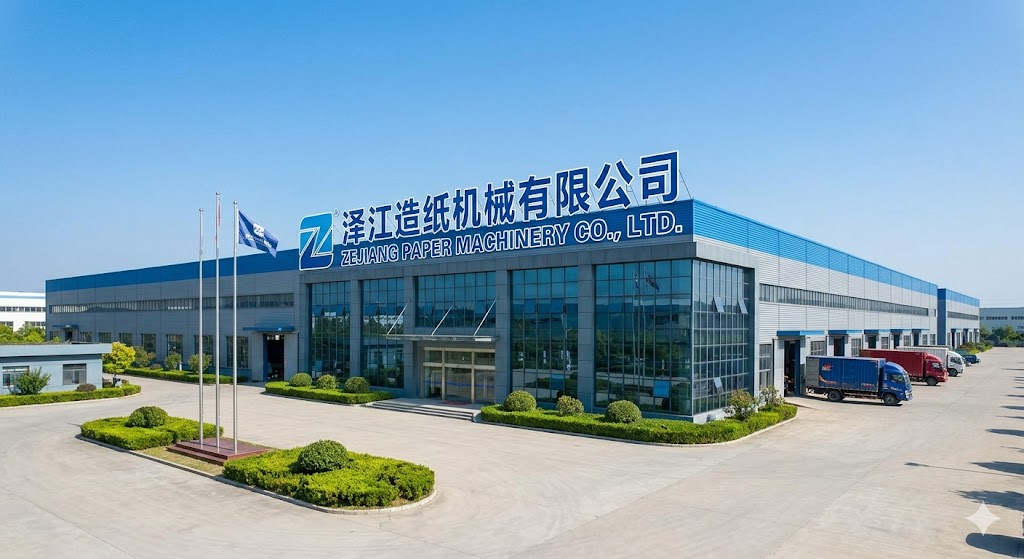
Logistics & Staging Zone
Production & Installation
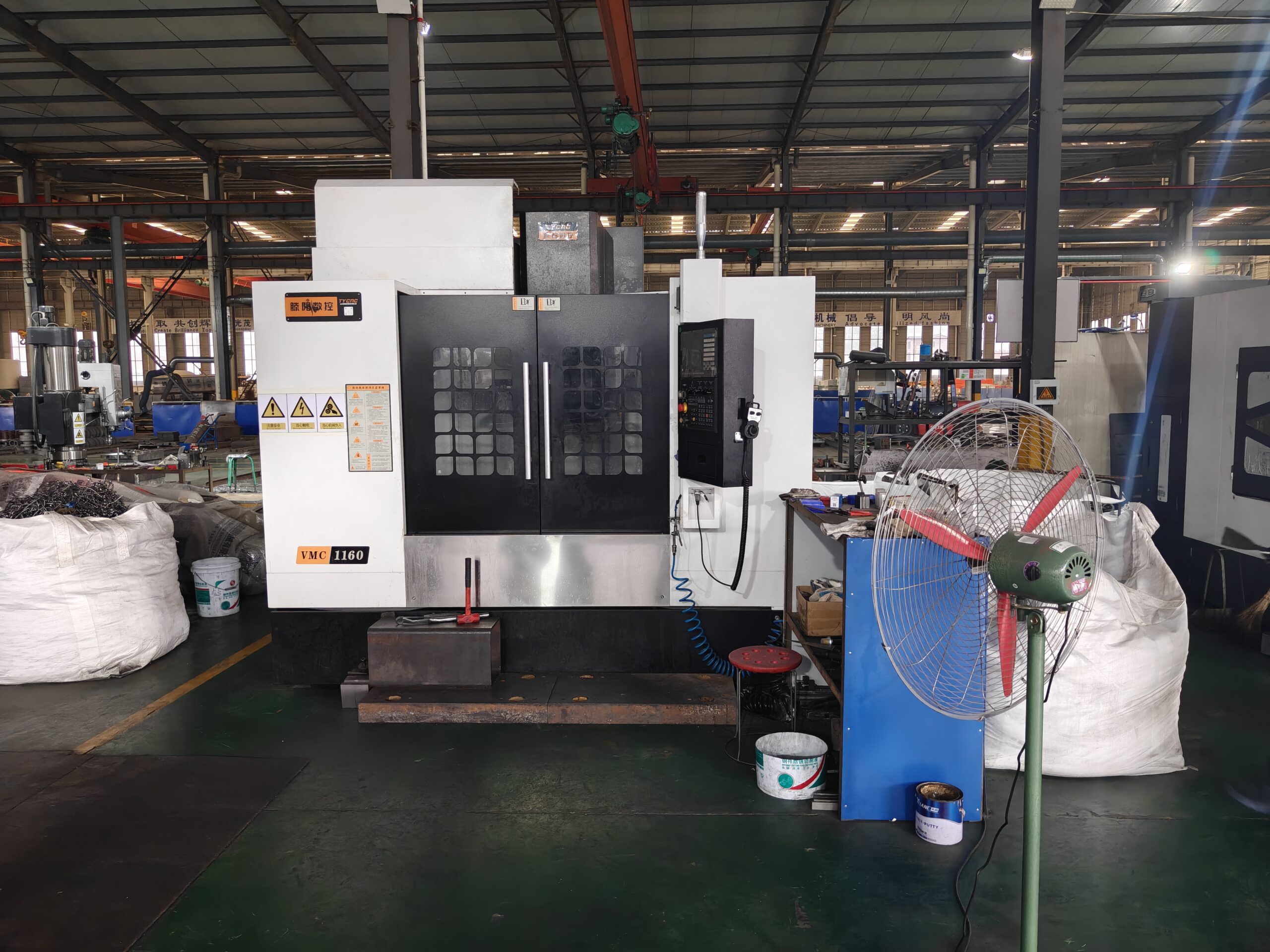
Main Production Workshop
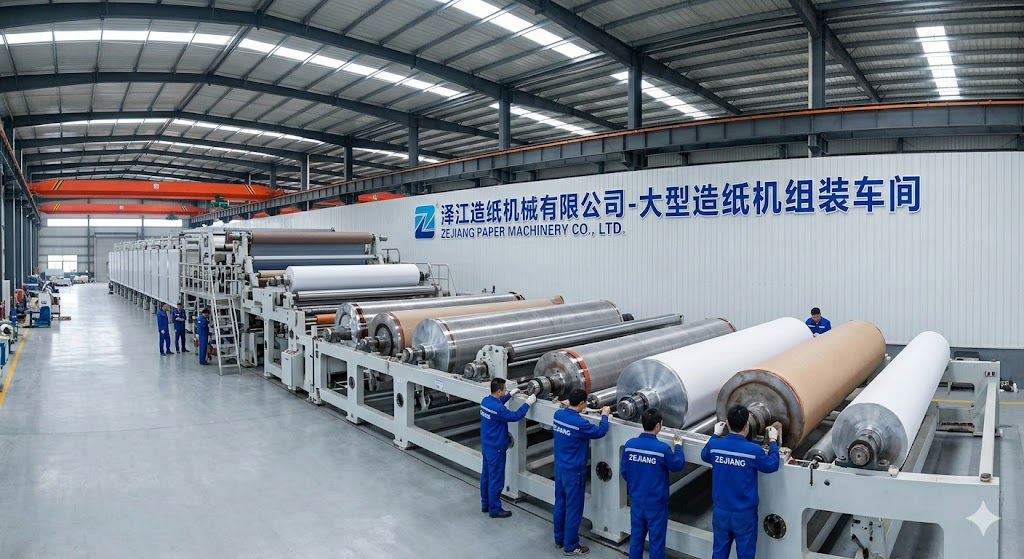
Installation & Testing Area
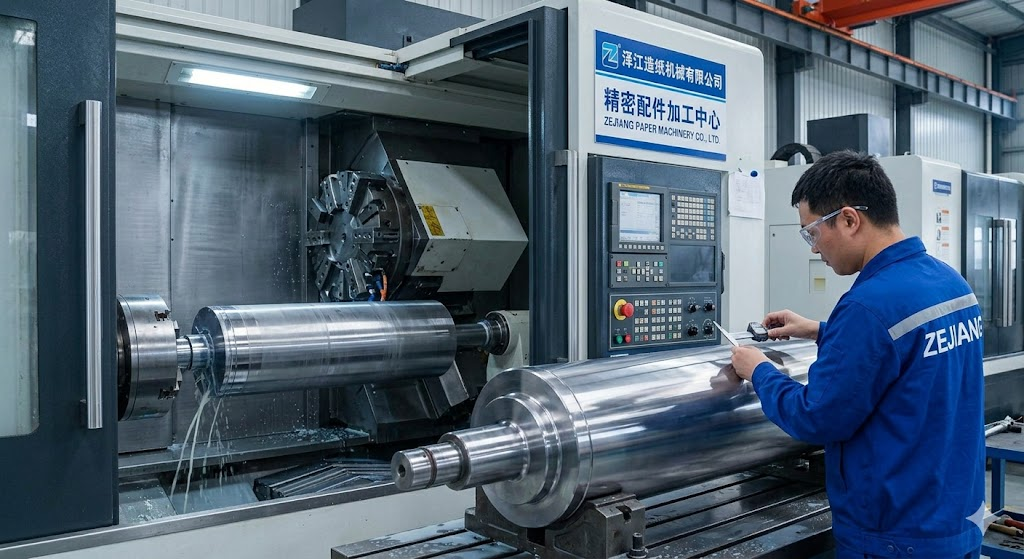
Assembly Line 2
Delivery & Dispatch
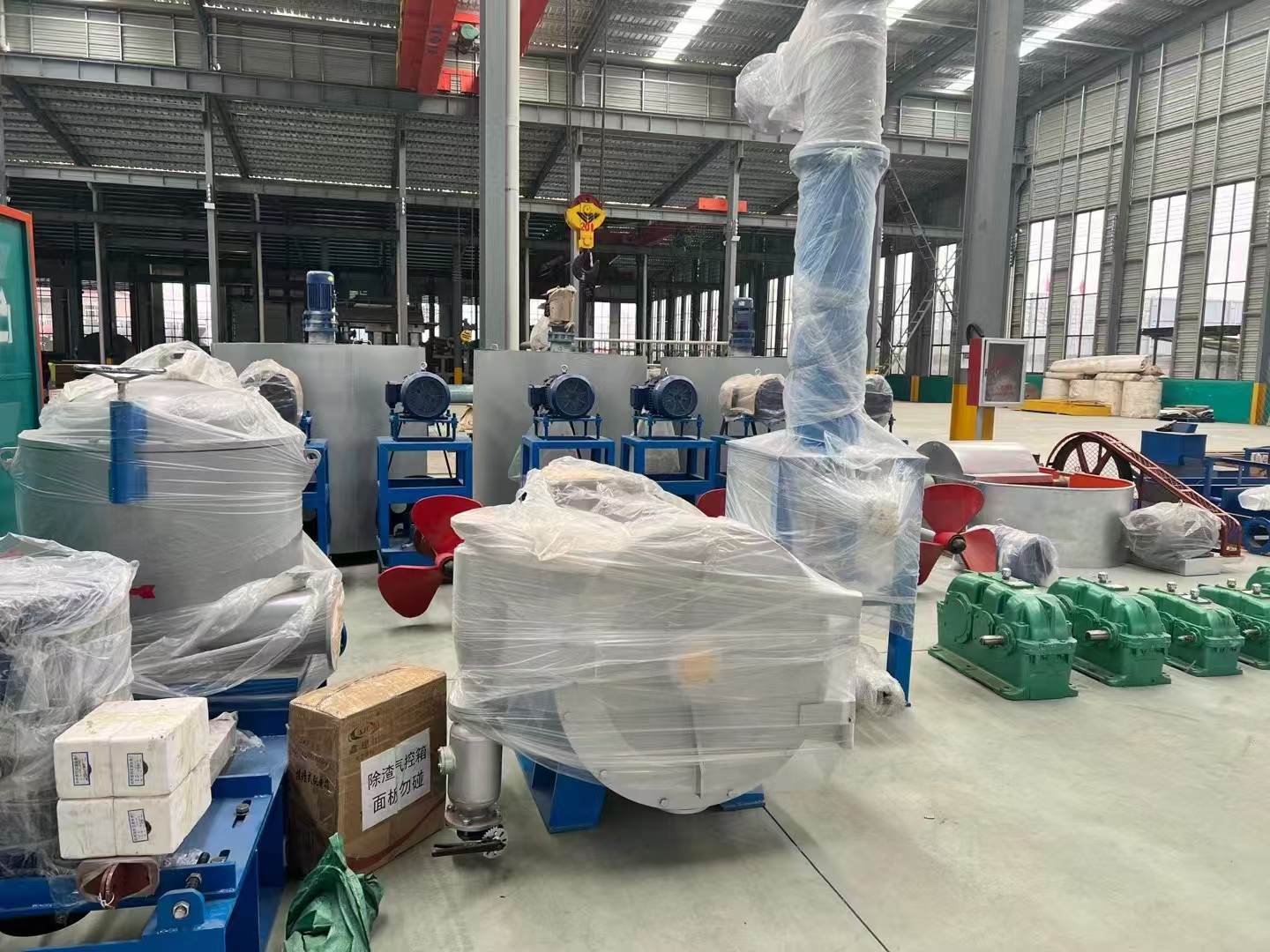
Loading Bay 2
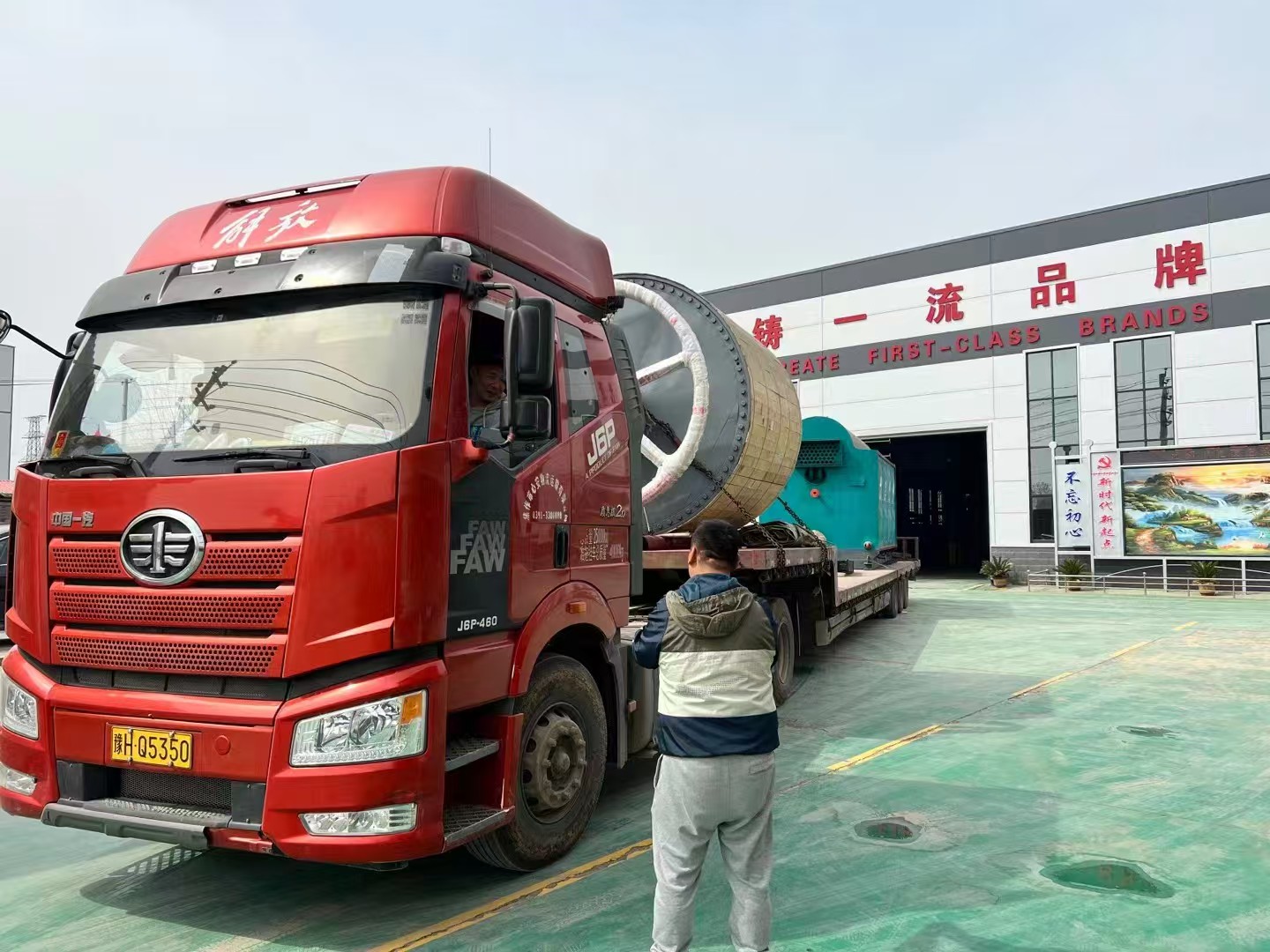
Dispatch Operations 1
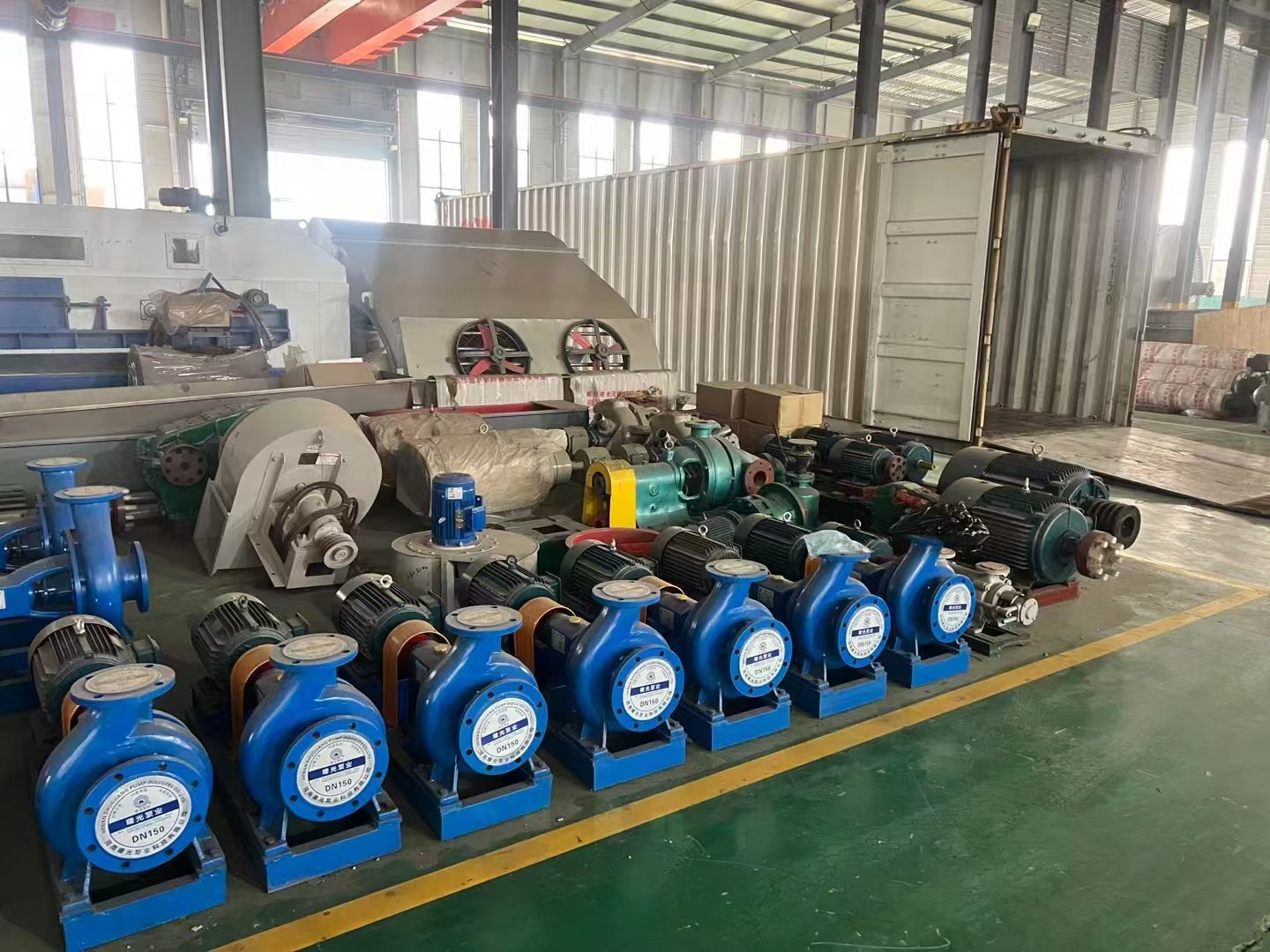
Dispatch Operations 2
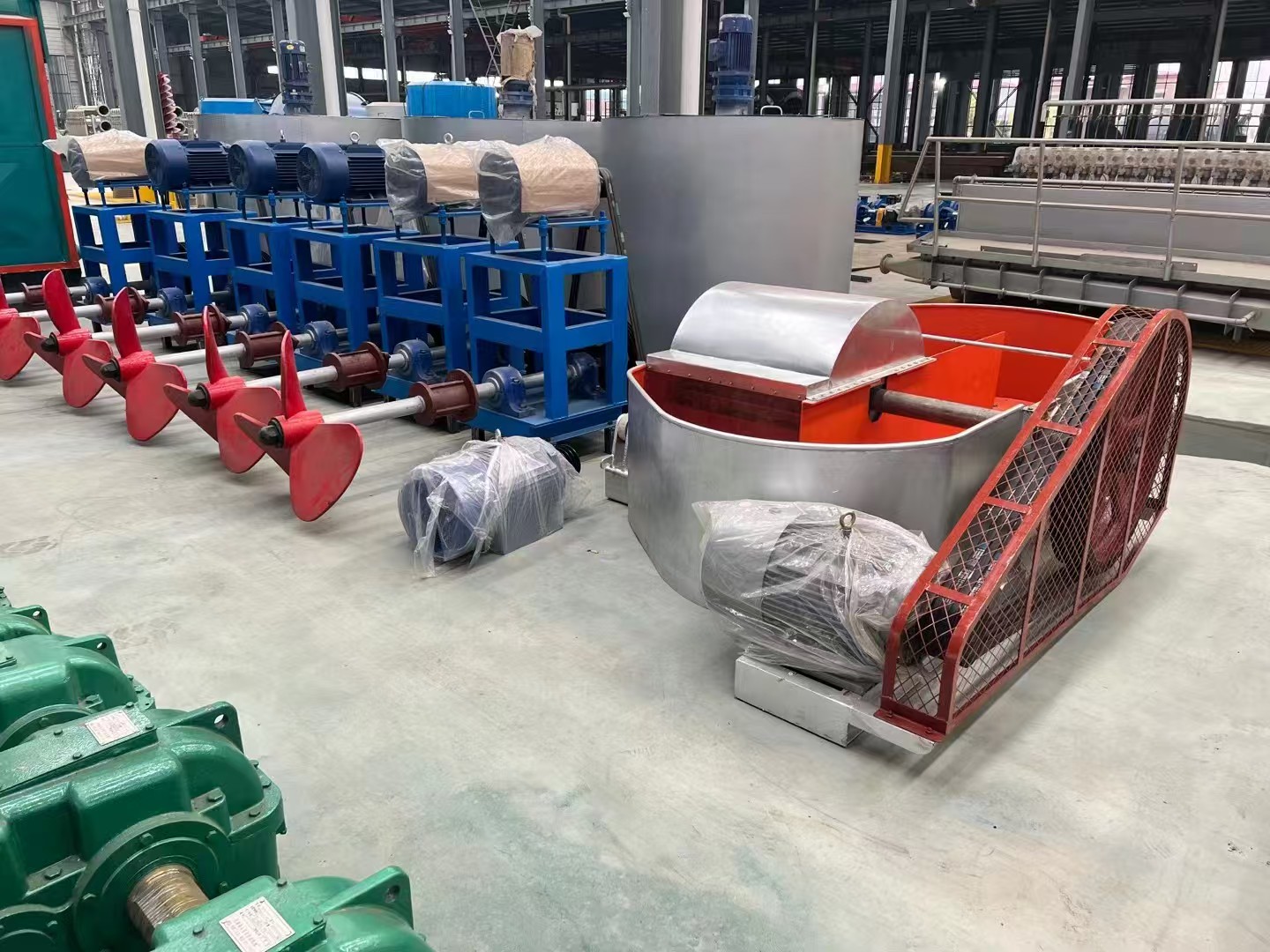
Loading Bay 1
Online Engineering Sizing & Diagnostic Tools
TOOL 01 // CALC
Pulp Consistency Selector
Range: 0.5% – 6.0% LC/MC Stock
Input stock characteristics to calculate optimal pump hydraulic configurations and matching agitator speeds based on fiber consistency curves.
TOOL 02 // CONFIG
Agitator Configuration Finder
Range: Up to 500m³ Tank Volumes
Determine correct propeller diameter, pitch angle, shaft length, and optimal positioning vectors to eliminate chest dead zones.
TOOL 03 // DIAG
Hydraulic Symptom Diagnostic
Range: Cavitation, Prime Loss & Settling
Trace suction head variations and evaluate agitator output to systematically resolve commissioning-stage performance mismatches.
Frequently Asked Questions
A chest (top-entry) agitator mounts vertically through the top of the tank and suits machine chests, mixing chests, and smaller storage tanks. A side-entry agitator mounts laterally through the tank wall and is typically the better fit for large storage chests and towers where top access is limited or circulation volume is higher. The right choice depends on tank geometry and where dead zones are most likely to form — not a fixed rule.
For pumps: target flow rate, head, and the consistency band you’re running (LC 1–5% or MC 5–12%). For agitators: chest or tank volume, geometry (round vs. square), mounting constraints, and whether the application is storage, mixing, or a machine chest feeding the paper machine directly. Send these with your quote request and Zejiang will match a model rather than default to the nearest catalog size.
Usually one of two causes: the agitator is undersized for the chest volume, or its position leaves dead zones — corners or bottom areas the flow pattern never reaches. Both are sizing/positioning problems, not agitator quality problems, which is why sharing accurate chest dimensions at the quote stage matters more than the agitator’s rated power alone.
Both. Pulp pumps and agitators are supplied individually to replace or upgrade existing equipment, or as part of a complete stock preparation line alongside pulpers, refiners, and screens.
Pump and agitator drivetrains involve exposed shafts, couplings, and belt or gear drives — the kind of mechanical power-transmission apparatus covered generally by OSHA 29 CFR 1910.219 in the U.S. Guarding requirements vary by installation and jurisdiction, so confirm your specific site’s guarding standard with your quote request rather than assuming a single global default.
Zejiang provides factory-direct technical support and spare parts availability for all pumps and agitators supplied. For mills evaluating a first order, we recommend requesting spare-parts lead times and documentation directly as part of your quote — this varies by model and is worth confirming case-by-case rather than assuming a blanket service-level commitment.
Our Engineering Perspective
We chose to cover LC/MC pump selection and chest/side-entry agitator sizing here because they are the two stock prep components where we most often see mills making costly errors in their quotations – not because they are the only components on the line. The consistency bands reported here were taken from established pulp engineering texts, not internal testing conducted by Zejiang; where we refer to our own products, we’ve only described capabilities of our LC/MC pump and chest/side-entry agitator equipment.
ISO 9001:2015
Quality Management System
Est. 2014
Henan Zejiang Paper Machinery
Multi-Market Export
Asia, Middle East, Africa, South America
References & Data Sources
- University of British Columbia, Pulp and Paper Centre – “Consistency and Freeness” (Pulp engineering reference for course: Pulp Engineering I)
- ENERGY STAR / U.S. Department of Energy (Lawrence Berkeley National Laboratory, 2003) – Pulp and Paper Industry Energy Guide, Pump Electricity Use and Aging-Pump Efficiency Data (also the version on the EPA energystar.gov website).
- OSHA 29 CFR 1910.219 – Mechanical power-transmission apparatus, general requirements.
- US Patent US11642637B2 – “Vane for an impeller of an agitator” (Google Patents) – cited as general agitator-impeller technical information, not a Zejiang patented technology.
- Quality management systems standard ISO 9001:2015 (International Organization for Standardization)
- Oxmaint, “Centrifugal Pump Failures & Troubleshooting Guide for Manufacturing Plants” – general industrial centrifugal-pump failure-mode and warning-sign reference (cavitation, dry running, misalignment), not paper-industry-specific or a Zejiang-specific finding.
![Refiner Plates & Screen Baskets [Complete Guide]](https://zjpapermachine.com/wp-content/uploads/2026/07/refiner-plates-screen-baskets-guide-featured-150x150.png)
![Doctor Blade: Types, Materials & How It Works [Guide]](https://zjpapermachine.com/wp-content/uploads/2026/07/doctor-blade-guide-featured-1-150x150.png)
![Pulping Equipment: How Paper Pulping Works [Guide]](https://zjpapermachine.com/wp-content/uploads/2026/07/pulping-equipment-guide-featured-150x150.png)