Get in touch with Zejiang Paper Machinery Company
Pulping Equipment / Stock Preparation Machinery
Pulp Thickener & Deinking
Pulp Thickener & Deinking Machines for Paper Mills
A pulp thickener that runs at 0.5% inlet consistency does the mill no good if the discharge still carries most of that water past the screw press. Henan Zejiang Paper Machinery builds the full thickening, washing, and deinking line – twelve machine types across three process stages – so mills stop losing fiber and chemical yield between stock-prep stations instead of inside them.
12
Machine Types, 3 Process Stages
0.3–8%+
Typical Consistency Range Covered
4
Export Regions (Asia, Middle East, Africa, South America)
SS
Stainless-Steel Wetted Parts (Standard)
OEM
Custom-Configured Builds Available
3
Functions: Thicken · Wash · Deink
The 0.5% Problem: Where Paper Mills Actually Lose Fiber and Chemical Yield
0.5-1.5% Consistency
The Dilution Challenge
Pulp arrives at every downstream station – screening, bleaching, papermaking – far too dilute for economical processing. Stock leaving the pulper or the digester lands at 0.5-1.5% consistency, meaning 98-99.5% of what’s moving through your pipework is water, a ratio documented in NC State University’s review of energy efficiency challenges in pulp and paper manufacturing.
Thickening, washing, and (for recycled furnish) deinking are the three stations that turn that dilute slurry into something a paper machine or a bleach plant can actually use – and each one that underperforms compounds downstream: more dilution water to re-remove, more black liquor solids escaping to the recovery boiler unwashed, more ink and contaminants riding through to the headbox.
Comprehensive Stock-Prep Equipment
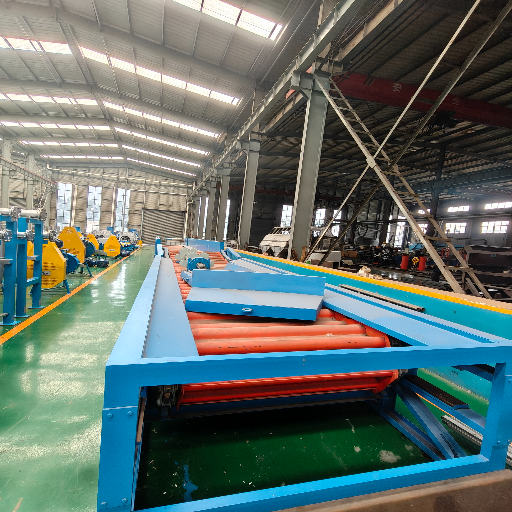
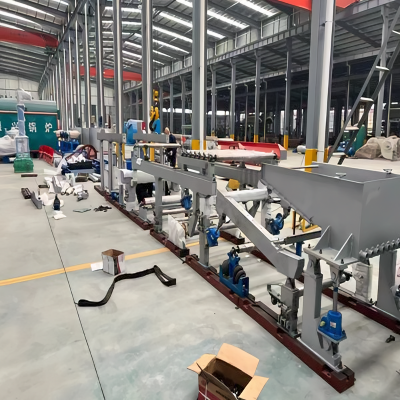
Henan Zejiang Paper Machinery supplies the equipment for all three stations – drum and screw-based thickeners, high-speed and drum washers, flotation deinking systems, and the material-handling machines (chain plate conveyors, bale breakers, reject separators) that connect them – for kraft, recycled-fiber, tissue, and packaging-grade paper mills across Asia, the Middle East, Africa, and South America. What follows is a selection reference, not a brochure: it maps consistency ranges to machine types, compares thickening methods on real numbers, and is honest about where flotation deinking still beats newer alternatives and where it doesn’t.
Closing the Washing-Efficiency Gap
This gap is exactly what a Zejiang stock-prep line is engineered to close rather than push downstream – because the structural mistake we see most often in procurement conversations is a mill sizing equipment to hit a consistency percentage instead of a washing-efficiency target. That isn’t always the cheapest line item to under-spec, and it rarely gets caught before the first production run at a 50 ton per day line: in the field, a washing-stage gap this size costs more in recovery-boiler chemical makeup than the price difference between machine tiers ever does. Request a quote against your actual furnish – not a generic spec sheet – and Zejiang’s engineering team confirms that sizing, in writing, before you commit.
The Consistency Compass: 12 Machines Mapped to Furnish, Input Concentration, and Process Goal
ENGINEER PROCUREMENT
Most suppliers in this category – including several we researched directly – list their thickening and deinking equipment as a flat catalog of ten-plus SKUs with no selection logic attached: a screw press sits next to a disc thickener sit next to a hydraulic purifier, and the buyer is left to guess which one fits a given furnish. We built the Consistency Compass to close that gap: match your furnish type and input concentration to the row below, and you’ve a starting shortlist before you ever request a quote.
How the Thickening and Washing Machines Actually Work
Furnish Selector
Instantly highlight the best-fit equipment in the Consistency Compass above.
Flotation vs. Washing Deinking: Which One Fits a Mid-Size Recycled-Fiber Line
Ink doesn’t come off recycled paper fiber by itself as part of ordinary paper recycling – it first has to be detached from the fiber surface (typically with alkali chemicals during pulping) and then physically removed. There are two primary deinking methods, and they work at completely different particle sizes. In flotation deinking, air is injected into a dilute, chemically-treated pulp slurry; the hydrophobic ink particles attach to these bubbles and rise as foam, which is then skimmed off the top. Washing deinking instead uses dilution and thickening cycles to rinse the smaller, water-soluble ink particles out of the pulp. For the large, oil-based inks produced during offset and toner-based printing, flotation de-inking is the better choice; washing, conversely, removes fine water-soluble ink that wouldn’t attach to air bubbles used during flotation. Many commercial de-inking plants incorporate both methods.
VS
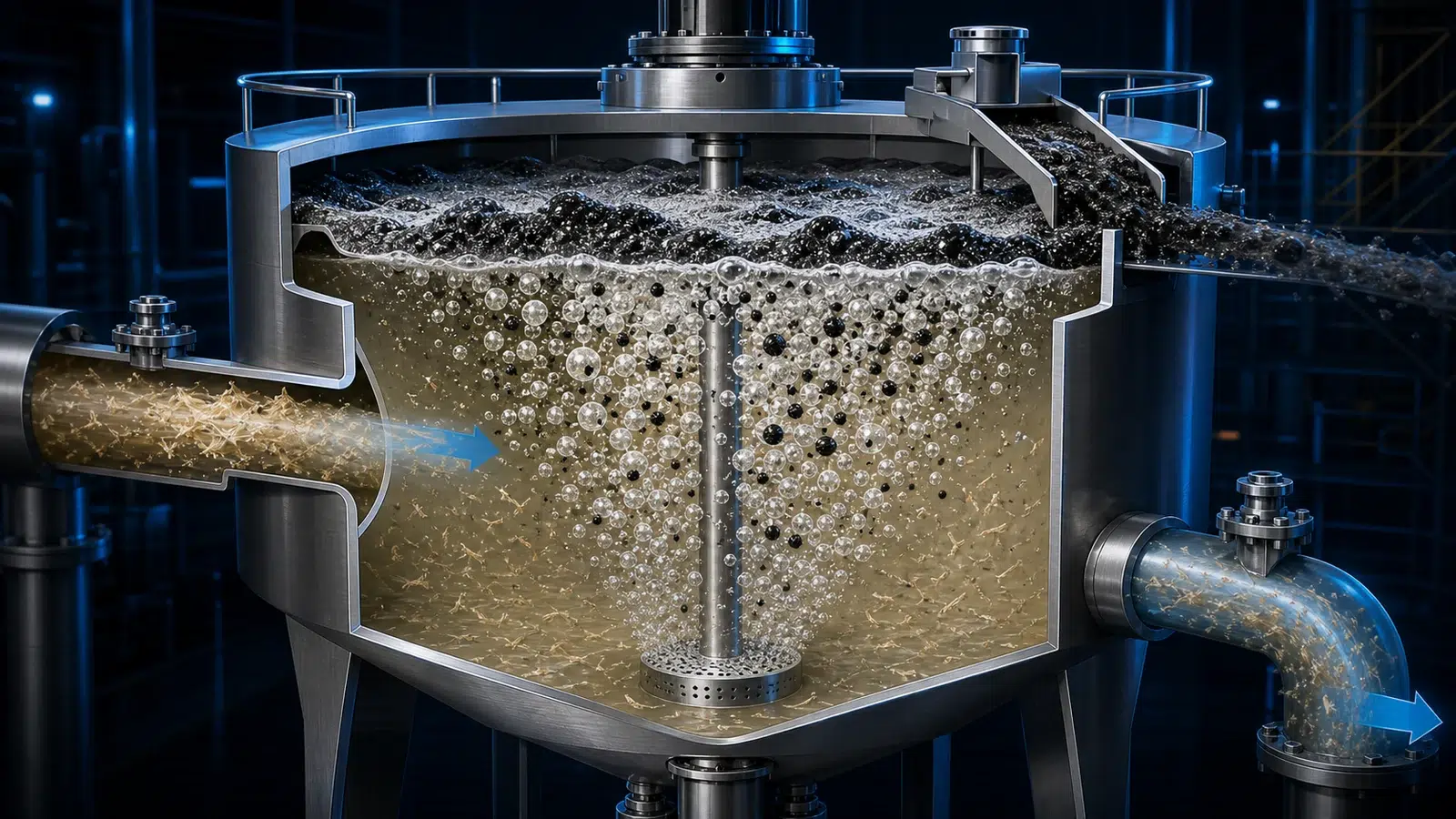 FLOTATION
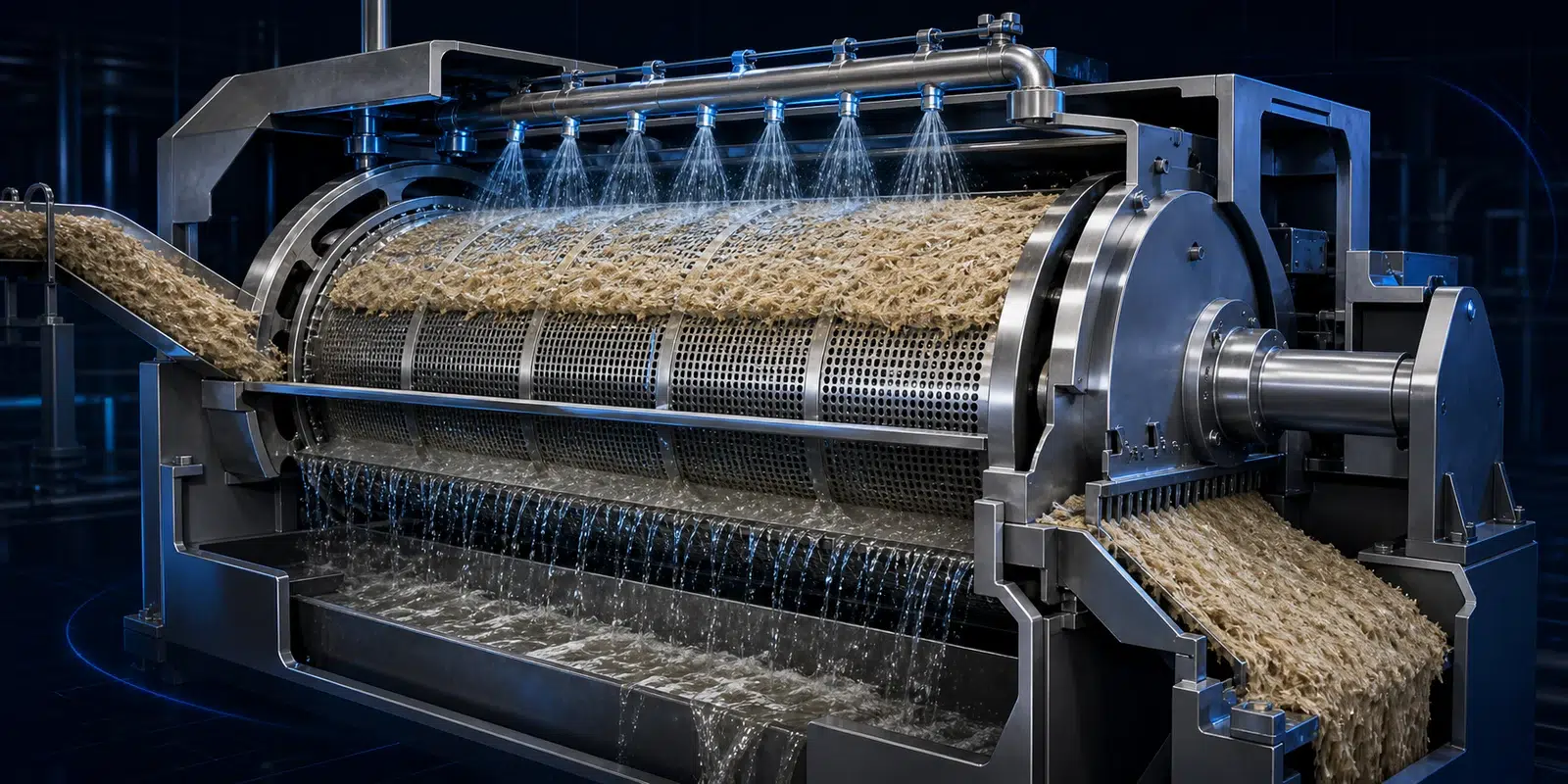 WASHING
Evaluating Equipment Specifications & Enzymatic Treatments
Flotation cell number, injection design and residence time varies by equipment supplier – none are standardized in industry mill, for instance; that’s why correct sizing to your specific furnish matters far more than a simple spec comparison. Enzymatic de-inking is a new alternative worthy of direct discussion – peer-reviewed comparative research on chemical versus enzymatic deinking shows enzymatic treatment, either alone or in conjunction with alkali treatments, relies on enzymes like cellulase and xylanase instead of the traditional alkali chemical mix, but costs are noticeably higher. Enzymes, according to analysis by a chemical supplier, cost considerably more than the sodium hydroxide, sodium silicate, and surfactant mixture required for conventional flotation and washing methods, adding up to significant cost differences that matter especially for middle-market mill owners using large amounts of fiber for their product. The honest answer is that enzymatic treatment earns its place only for those specific brightness needs or regulatory requirements, not as an easy across-the-board upgrade.
Strategic Engineering & Process Integration
The costs associated with poor deinking setup-overpaying for unnecessary enzymatic performance or over-working flotation cells-are too high to ignore. That’s why the Henan Zejiang Paper Machinery approach centers on engineering the flotation cell count, residence time and related parameters to suit each customer’s fiber feed characteristics-a system for an under-100 ton-per-day mill is usually a few flotation cells, and larger plants require more. It’s just not about the count of flotation cells but their design and how well they integrate with the rest of your operation. Contact Henan Zejiang Paper Machinery for a custom comparison.
Getting this wrong is an expensive mistake in both directions: over-specifying enzymatic pre-treatment on a mill that doesn’t need the brightness gain wastes chemical budget, while under-specifying flotation capacity on a heavy-ink furnish create a bottleneck the deinking stage can never clear. Henan Zejiang Paper Machinery is engineered to size that flotation cell count and residence time against your actual furnish, because the right call for a 50 ton per day mill isn’t always the same as the trade-off that fits a 200 ton per day line – industry-typical thinking treats every recycled-fiber furnish the same, and that assumption is exactly where the risk hides.
“We still get asked whether flotation is ‘older technology’ compared to enzymatic deinking. It isn’t obsolete, it’s the more economical choice for the brightness targets most of our customers are actually running to. We’d rather size a mill correctly on flotation than sell an enzymatic upgrade they don’t need.”
Request a Custom Comparison of flotation-only, washing-only, or a combination deinking line optimized for your fiber supply.
Initiate Custom AnalysisWashing Efficiency and the Cost You Don’t See: The Recovery-Boiler Payback Curve
Here’s the linkage that every other piece of equipment description seems to omit entirely: the efficiency with which your washers take black liquor out of your brownstock doesn’t just change the cleanliness of your pulp-it changes what your recovery boiler has to burn. Every percentage point of washing that gets lost (i.e., carried out with the washed pulp as chemical, dissolved lignin, and organic solids that never get into the recovery boiler) is a percentage point of chemical that you’ve to buy new as makeup, and that never make it to the recovery boiler as fuel.
EPA regulatory technical documentation on pulp mill water and chemical management confirms the underlying mechanism: weak black liquor recovered from brownstock washing carries real, quantifiable cost-saving potential when capture is improved, because every unit of solids that reaches the recovery boiler as fuel is a unit of purchased makeup chemical and purchased fuel the mill doesn’t need. This is precisely why washing-stage performance belongs in a capital-equipment conversation, not just a “pulp cleanliness” conversation, a washer that’s undersized or poorly matched to your furnish doesn’t just make dirtier pulp, it quietly raises your chemical and energy bill downstream, at the recovery boiler, where the cost is largest and least visible from the stock-prep floor.
And it’s also why we engineer washing and thickening equipment based on your furnish and the target washing efficiency that you need to meet-not simply on your consistency figures; we aren’t just chasing “thicker pulp.”
The hidden danger is approaching washer selection as a stock prep decision instead of a recovery boiler decision-and that’s the fundamental flaw that turns a seemingly minor piece of equipment savings into a multiyear chemical expense nightmare. Henan Zejiang Paper Machinery’s products are engineered to achieve specific washing efficiencies because the trade-offs often aren’t visible on the stock prep floor: a washer that undersizes even a few percentage points of the recovery stage can cost a 100 ton-per-day mill more in makeup chemical per year than the price difference between a higher-capacity equipment tier and the one that undersizes your recovery stage. Get a washing-efficiency estimate for your furnish before deciding on a machine tier.
Where Zejiang Equipment Is Operating
Henan Zejiang Paper Machinery’s thickening, washing, and deinking equipment has shipped to mills in four export markets – Asia, Middle East, Africa, and South America, serving kraft paper, corrugated paper, testliner, duplex board, tissue, cultural paper, and specialty paper production lines, as well as recycling operations, consistent with the production trends tracked in AF&PA’s industry capacity survey. Zejiang’s application patterns below reflect the regions and segments where this equipment category typically gets deployed. (Project-specific tonnage and performance data will be added once case records are completed with individual mills).
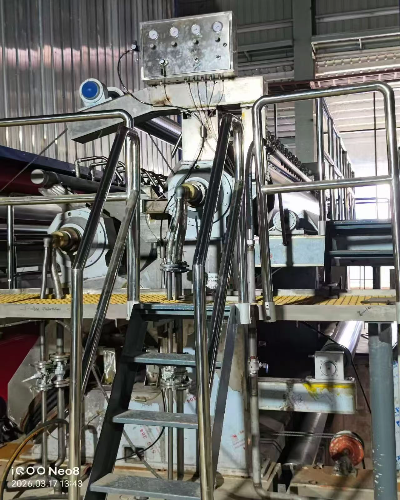
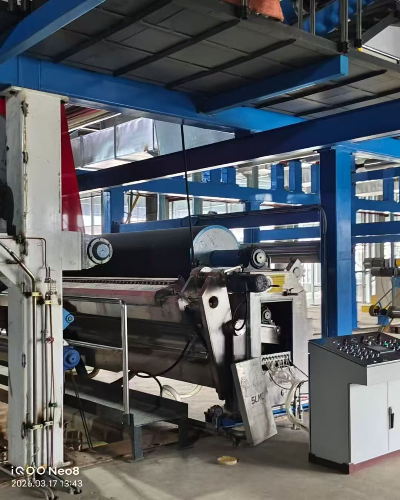
Recycled Fiber Lines
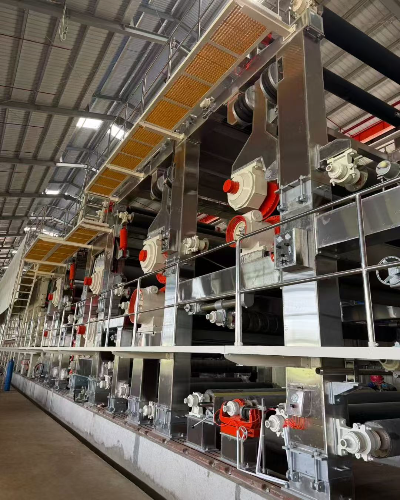
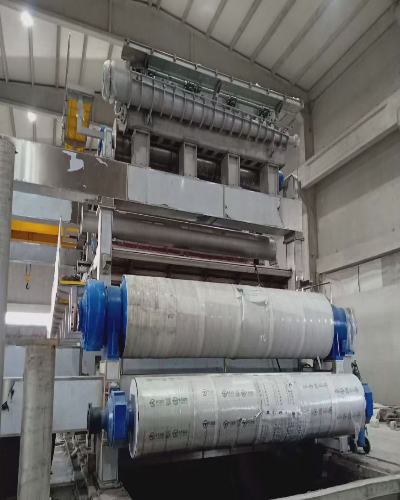
Waste paper deinking and washing lines that consist of a pulp Hydrapurger + High Speed Washer + Flotation Deinking system are the most frequently specified configuration for recycled furnish tissue and cultural-paper mills, effectively integrating the bulk contamination removal, washing/thickening, and ink-removal stages in a single, integrated process train.
Kraft & Packaging Lines
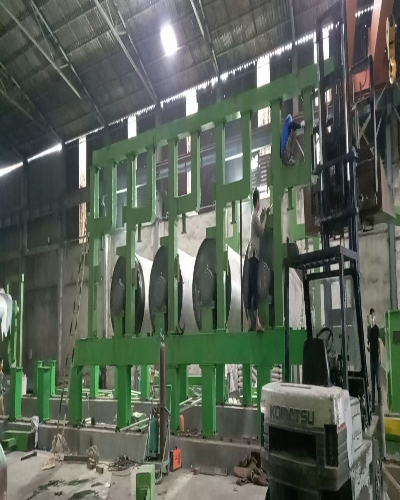
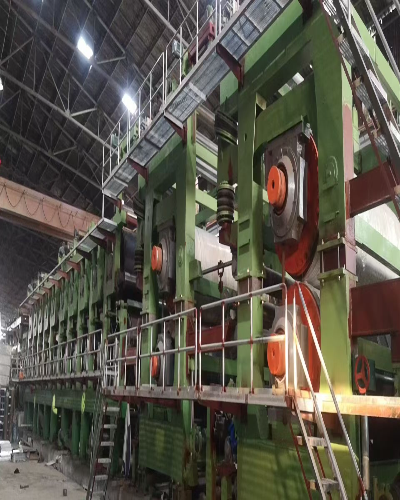
Drum thickener + Screw press combinations represent the standard system for kraft and corrugated/testliner operations that require high levels of bulk pre-thickening upstream of a high-ratio screw dewatering and aren’t including a deinking stage.
Front-End Material Handling
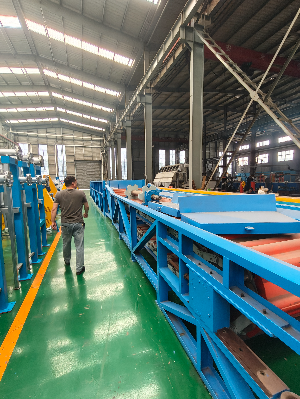
Zejiang includes Waste Bale Breaker and Chain Plate Conveyor systems in its integrated process-line offerings instead of selling them separately-because the bale breaking stage’s efficiency dictates how much of the rated process capacity mills can actually use.
⚠️ System Integration Critical Insight
Hover to Expand
Avoid the upstream error: treating front-end material handling as an afterthought – a bale breaker rated for less than your tons-per-day target will create a hidden bottleneck down-line that no downstream machine, regardless of its thickener design or the Washer’s robustness, can compensate for. Henan Zejiang Paper Machinery validates bale breaker and conveyor capacities against your full-line output target, not just your headline machine’s output; that’s the structural reason many “upgraded” lines remain stalled in the initial material prep. Get your quote for the total connected line, not a single component.
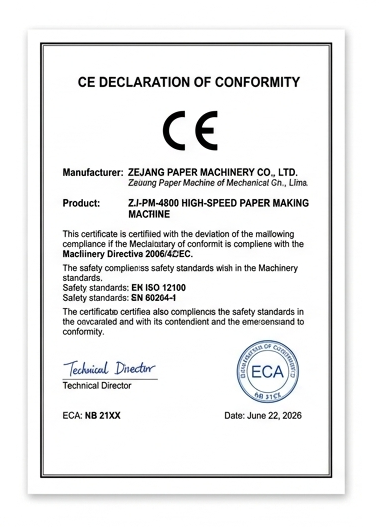
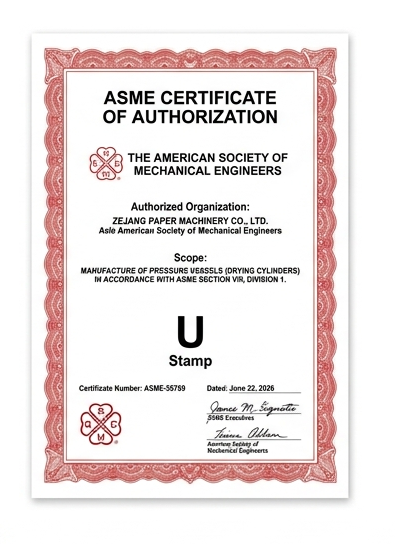
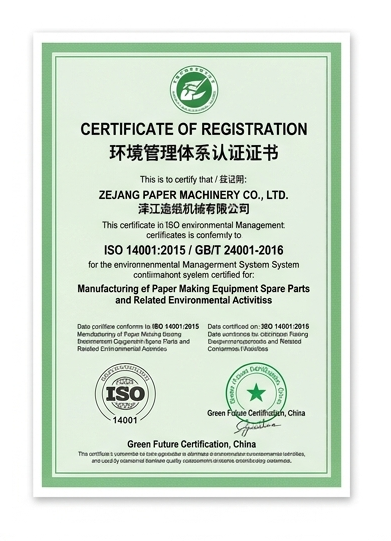
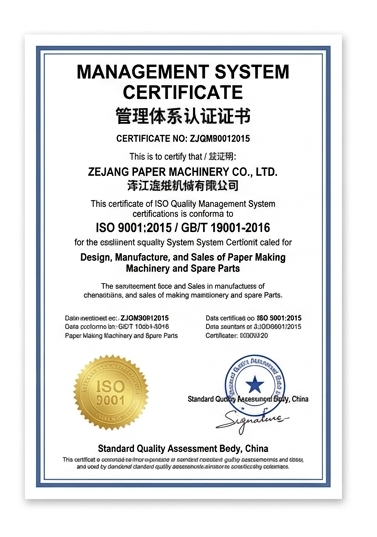
Certifications, Materials, and Build Standards
Wetted components on this equipment line ship in stainless steel to the level dictated by pulp and the washer and deinking chemistries to follow (typically NaOH, Na silicate and various surfactants); standard spec is across-the-board SS unless otherwise required by contract and destination market-request current certificate documentation and scope.
Stainless Steel
Standard wetted parts
Export-Ready
4 regions served
OEM/Custom
Configured to furnish
Certification
Confirmed per contract
Verifying a Chinese Equipment Supplier Before You Commit
Peer-reviewed case-study research on purchasing industrial machinery from China consistently flags two real risks: inability to physically inspect a factory before committing, and capacity or performance claims that don’t hold up under scrutiny. Those are fair questions to ask any supplier in this category, including us, request factory video walkthroughs, ask for reference contacts at existing installations, and confirm capacity claims against your specific furnish rather than a generic spec sheet before signing.
Procurement Guide: What Actually Drives Price, Lead Time, and MOQ
Of every washing and thickening equipment supplier we research – including the vendor-evaluation criteria outlined in procurement-industry supplier selection guidance – the high-scorers alike route your inquiry through a contact form and a “we’ll get back to you” step without a word of pricing. That isn’t efficient for an early stage procurement effort focused on budgeting before RFQ issuance. This is how the numbers really move so you can scope a useful inquiry of your own:
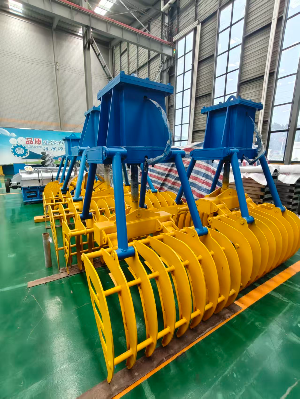
Click to Swap / Auto
Navigating the Procurement Trap
Buyers most frequently make the mistake of requesting “a price” before clearly defining these variables, receiving a generic quote that then get edited 2 or 3 times before it’s usable for budget approval – and that delay is the hidden cost most procurement teams don’t plan for. Henan Zejiang Paper Machinery is engineered to confirm machine count, capacity class, and furnish for a 50 ton per day line before issuing a number, because the right call isn’t always the fastest quote: a number built from a bare spec sheet alone is a figure, not a firm offer.
Let us discuss the specifics of your project and offer you a detailed quotation; the delivery time and MOQ for your complete line, along with any relevant logistics information, can be finalized based on the finalized equipment list and destination market.
Discuss Your Project DetailsDEINKING
Pulp Thickener & Deinking Tools
The Consistency Compass Selector
Enter your furnish and current consistency to get a starting machine recommendation from the Consistency Compass table.
Use Selector →
Recovery Boiler Downtime Cost Estimator
Industry commentary puts unplanned recovery boiler downtime at $20,000-$100,000 per hour depending on mill size. Estimate the range for your situation.
Estimate Cost →
Deinking Method Picker
Answer two questions to see which deinking approach fits your furnish and priorities.
Start Picker →
Frequently Asked Questions
Expert insights into Zejiang’s pulp thickening, washing, and deinking technology.
Air bubbles carrying big hydrophobic (offset/toner-based) ink particles rise through the slurry in a foam and are removed in the flotation deinking process. With the washing deinking method, small, water-based ink particles are flushed from the slurry with filtrate, using dilution and thickening cycles. However, most deinking plants use flotation in tandem with washing stages because they collect different size ranges of ink particles.
Conventional flotation deinking processes use sodium hydroxide as a swelling agent for fiber, sodium silicate for dispersal of ink particles, and surfactants/fatty acid soaps to promote the adhesion of ink particles on the bubbles for flotation. Chemical choice is determined on the basis of ink type (offset, flexographic and toners) and desired paper grade.
They both involve passing the pulp fiber through the pores of a rotating, permeable drum surface, in a process which dewaters the pulp fiber. A drum washer is a piece of washing equipment arranged, frequently with spray and external filter systems, to combine washing – the process of stripping out dissolved solids and black liquor – with thickening in a single pass, while a straight drum thickener is designed primarily to maximize consistency gain. Washing process efficiency itself is simply a function of how many dilution-and-drainage cycles, or stages, the equipment run the pulp through.
The high-speed washer uses a rotary drum and a centrifugal force field to build up a thin, high-pressure pulp mat that a spray system can then use to flush the black liquor, dissolved solids, and fines out through the mat. Meanwhile the screen configuration hold back the fiber. The washing and thickening process are done at one pass, which is why Zejiang calls for it in their deinking stock instead of virgin fiber.
Deinking is only necessary where the furnishes contain recovered/recycled fiber containing printing ink. Deinking must be employed on recycled fiber tissue, waste paper based newsprint, recovered office paper, and mixed waste paper based white-top testliner. In fiber virgin kraft and packaging plants deinking doesn’t have a necessary part.
Begin by establishing your type of furnish and its current consistency (refer to the Consistency Compass table above). The standard practice when you’re thickening virgin or general recycled fiber, is to initiate a run with a drum or a disc thickener. If your process requires dewatering down past the 25 percent level, choose the screw press family machine instead. If you still need washing on top of that for deinking stock, one pass with the high-speed washer take care of both needs simultaneously.
We can supply the entire process stock prep including coarse separation, thickening, washing, deinking as well as the associated material-handling equipment. Customized OEM design and manufacture are available for unusual furnish such as bamboo, straw, and sugarcane bagasse. Our export experience is Asia, Middle East, Africa and South America countries.
![Refiner Plates & Screen Baskets [Complete Guide]](https://zjpapermachine.com/wp-content/uploads/2026/07/refiner-plates-screen-baskets-guide-featured-150x150.png)
![Doctor Blade: Types, Materials & How It Works [Guide]](https://zjpapermachine.com/wp-content/uploads/2026/07/doctor-blade-guide-featured-1-150x150.png)
![Pulping Equipment: How Paper Pulping Works [Guide]](https://zjpapermachine.com/wp-content/uploads/2026/07/pulping-equipment-guide-featured-150x150.png)