Get in touch with Zejiang Paper Machinery Company
Pulping Equipment
Pulping Equipment & Stock Preparation Systems | Zejianga
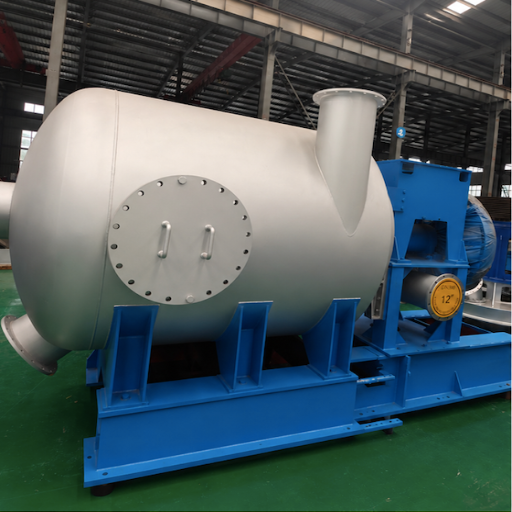
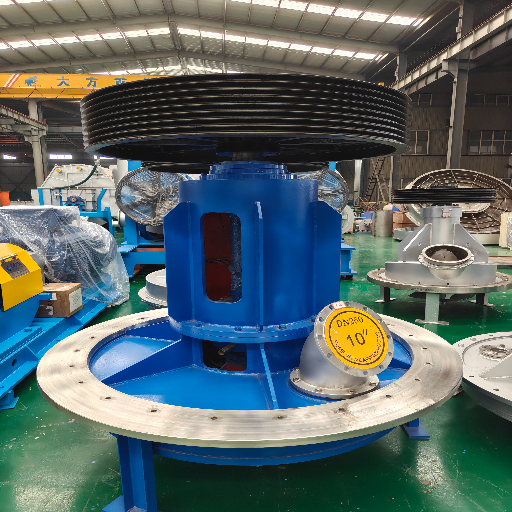
Stock preparation is where every paper mill’s runnability, fiber yield, and downstream sheet quality are decided before the furnish ever reaches the headbox. Henan Zejiang Paper Machinery manufactures paper making machines, pulp processing equipment, and paper machine spare parts, and builds the full pulping-to-stock-prep line, pulpers, refiners, pressure screens, cleaners, thickening & deinking equipment, and pulp pumps & agitators, as one accountable engineering package, not six separate quotations from six separate factories.
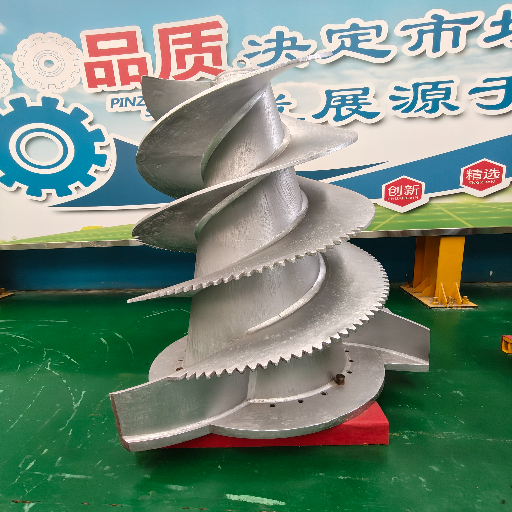
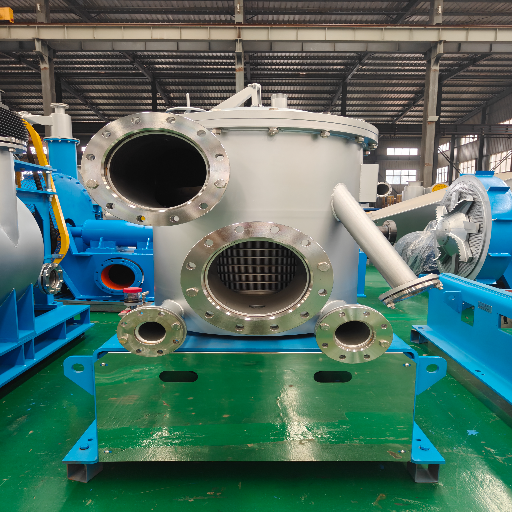
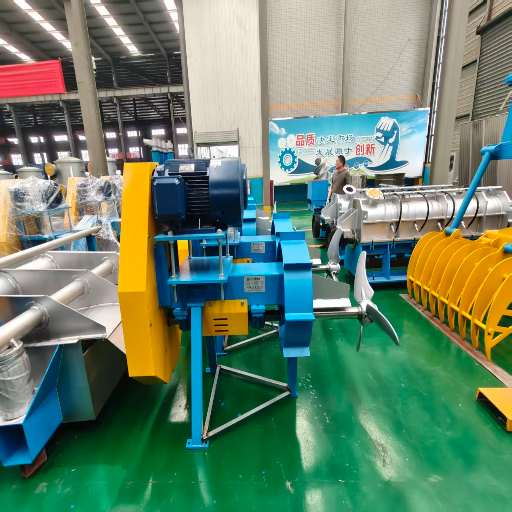
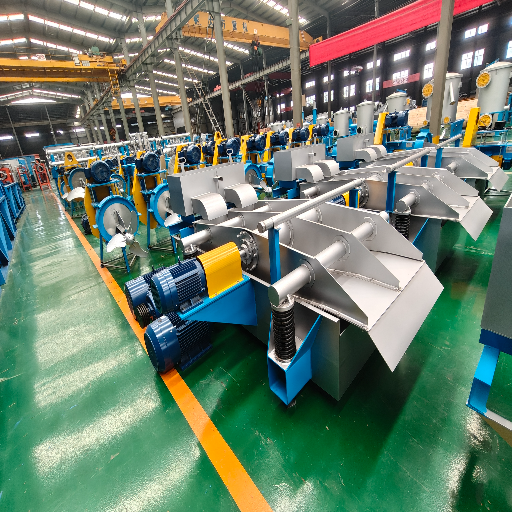
AXIS-Z // FOCUS: OK
Stock Preparation Bottlenecks, How a Single-Source Pulping Line Solves Them
Stock preparation is the first system in the mill, and it’s unforgiving of mismatches. Pulpers sized for one furnish, screens bought from a second supplier, and cleaners sourced from a third rarely share the same control philosophy or spare-parts logic, and by the time the line is running, those mismatches show up as rejects, choking, or unplanned stoppages rather than as a line item on anyone’s purchase order.
Recent industry trade-press coverage of paper mill equipment commissioning put it plainly: problems in pulping and stock preparation are rarely obvious on day one — “this is where consistency starts. If something isn’t right here, the effect travels forward” [3]. This single observation makes the entire case for buying a stock preparation line as one interface-matched system instead of six disconnected purchase orders.
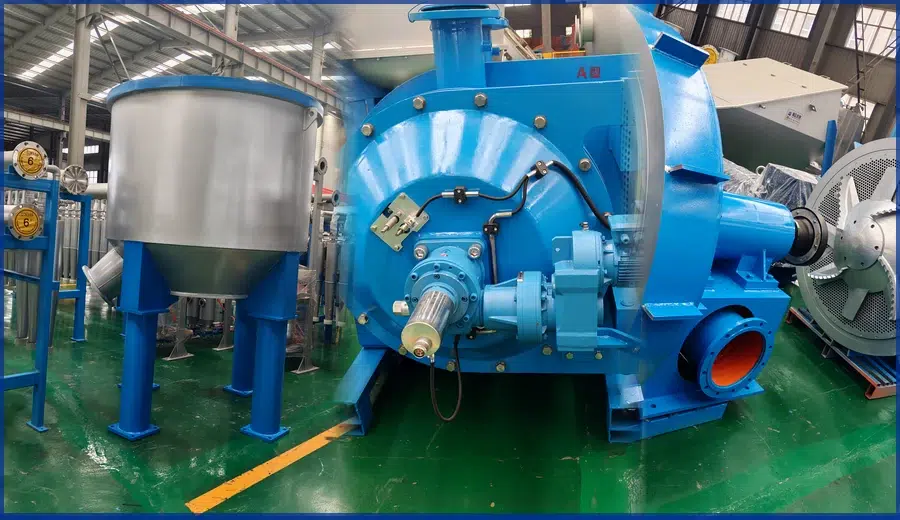
ZEJIANG INTEGRATED SYSTEM INTERFACE
Engineering a Coordinated Build
It also matches what one industry consultant who has worked “100+ interactions across pulp & paper projects” has observed directly: mills that upgrade a single component in isolation, for example, expanding pulper capacity without rebalancing the screening stage that follows it, often see rejects rise and net throughput stay flat, because the gain at one machine is absorbed as a new bottleneck at the next [6]. A pulping equipment line only performs as well as its weakest interface, which is why Zejiang engineers pulper, refiner, screen, cleaner, thickening/deinking, and pump & agitator stages as one coordinated build, not six components that happen to sit on the same purchase order.
Energy Performance Tracking
The U.S. EPA’s ENERGY STAR program, which runs a joint efficiency initiative with the pulp and paper industry, scores plant-level energy performance on a 1–100 scale, with 75+ eligible for certification [2] — a useful reminder that stock preparation’s energy draw (refining and pumping in particular) is one of the largest controllable line items in a mill’s operating cost, and a system designed as a matched line is easier to tune for that score than six mismatched machines bolted together after the fact.
Automation & Fibre Quality
Fibre quality entering the paper machine is set almost entirely by how well the preparation process upstream of it, the stock preparation process this page covers, has been specified and automated. A stock preparation process built around manual valve adjustment and unmonitored consistency drifts more than one with basic automation, which is one reason energy consumption tracking and simple process automation are worth budgeting into a new line rather than treating as a later retrofit.
Global Market Scale & System Integration Philosophy
Market analysts covering this equipment category put the global stock preparation systems market at roughly $3.8 billion in 2025, projected to grow toward $6.1 billion by the mid-2030s [7] — third-party market-research estimate, not a Zejiang figure, which reflects how much of the pulp and paper capital-equipment cycle sits in this one system, well before a mill ever specifies its paper machine. This scale is also why Chinese manufacturers have historically competed hardest on the paper machine itself, with stock preparation equipment manufacturers treated as an afterthought bundle of components rather than a system in its own right; Zejiang’s engineering position is the opposite, stock preparation is specified first, as the system that determines whether everything downstream, including the paper machine’s approach flow system, actually performs to spec.
Zejiang Pulping Equipment Line, 6 Machine Types, One Accountable Supplier
Each product line below links through to its full specification page. Every machine type comes in the variants our workshop actually manufactures, not a generic catalog placeholder.
“We size every machine in a stock preparation line against the ones immediately before and after it, a pulper is only as useful as the screen and cleaner stage it feeds. Buyers who source component-by-component usually find that out at commissioning, not before.”
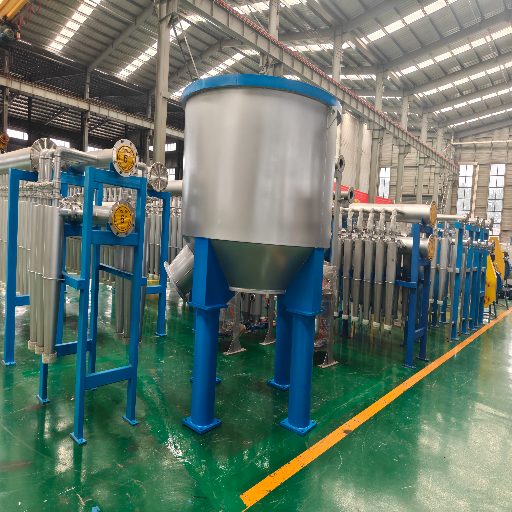
Paper Pulper Machine
The first machine in the line, breaks down waste paper, virgin pulp bales, or agricultural fiber raw material into a pumpable slurry before anything else in the stock prep line can run.
Available as: Vertical Hydrapulper · High-Consistency Pulper · Drum Pulper
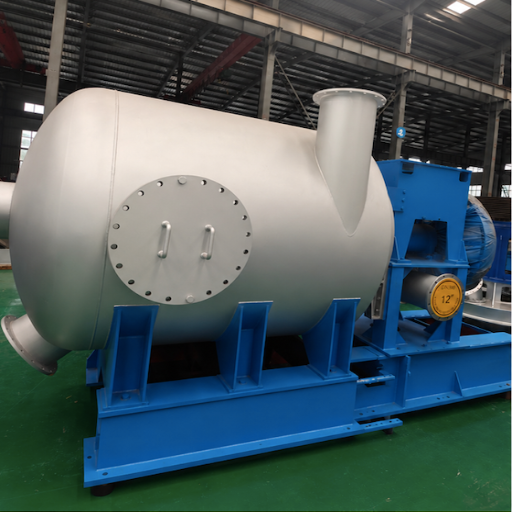
Disc Refiner
Develops fiber properties after pulping, freeness, bonding strength, and drainage are set here, and they directly determine paper machine runnability downstream.
Machine variants: Single Disc Refiner · Double Disc Refiner · Conical Disc Refiner
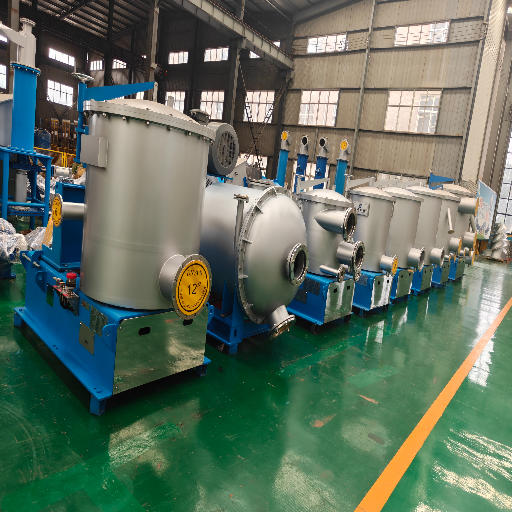
Pressure Screen
Screening equipment that removes fine contaminants and oversize fiber bundles that survived pulping, protecting the refiner and headbox from debris that would otherwise show up as sheet defects.
Available as: Inflow Pressure Screen · Outflow Pressure Screen · Upflow Pressure Screen
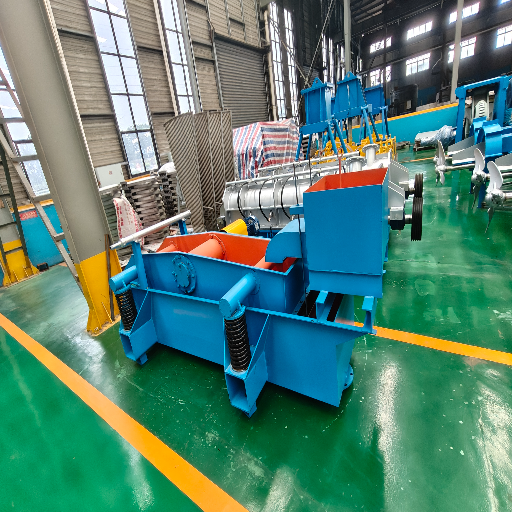
Paper Mill Cleaner
Centrifugal separation removes heavy contaminants (sand, staples, glass, metal) by density difference, a step upstream systems can’t substitute for with finer screening alone.
Available as: High-Density Cleaner · Low-Density Cleaner · Multi-Stage Centrifugal Cleaner
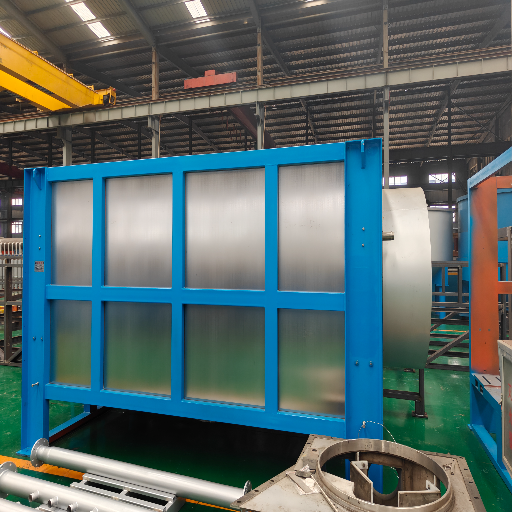
Pulp Thickener & Deinking
Dewatering and thickening equipment that concentrates dilute pulp and removes ink/fillers ahead of the paper machine, critical for recycling and recycled-fiber lines where furnish consistency swings more than on virgin-fiber lines.
Configured as: Drum Washer/Thickener · Screw Press · Single-Effect Fiber Separator · Reject Separator · Bale Breaker
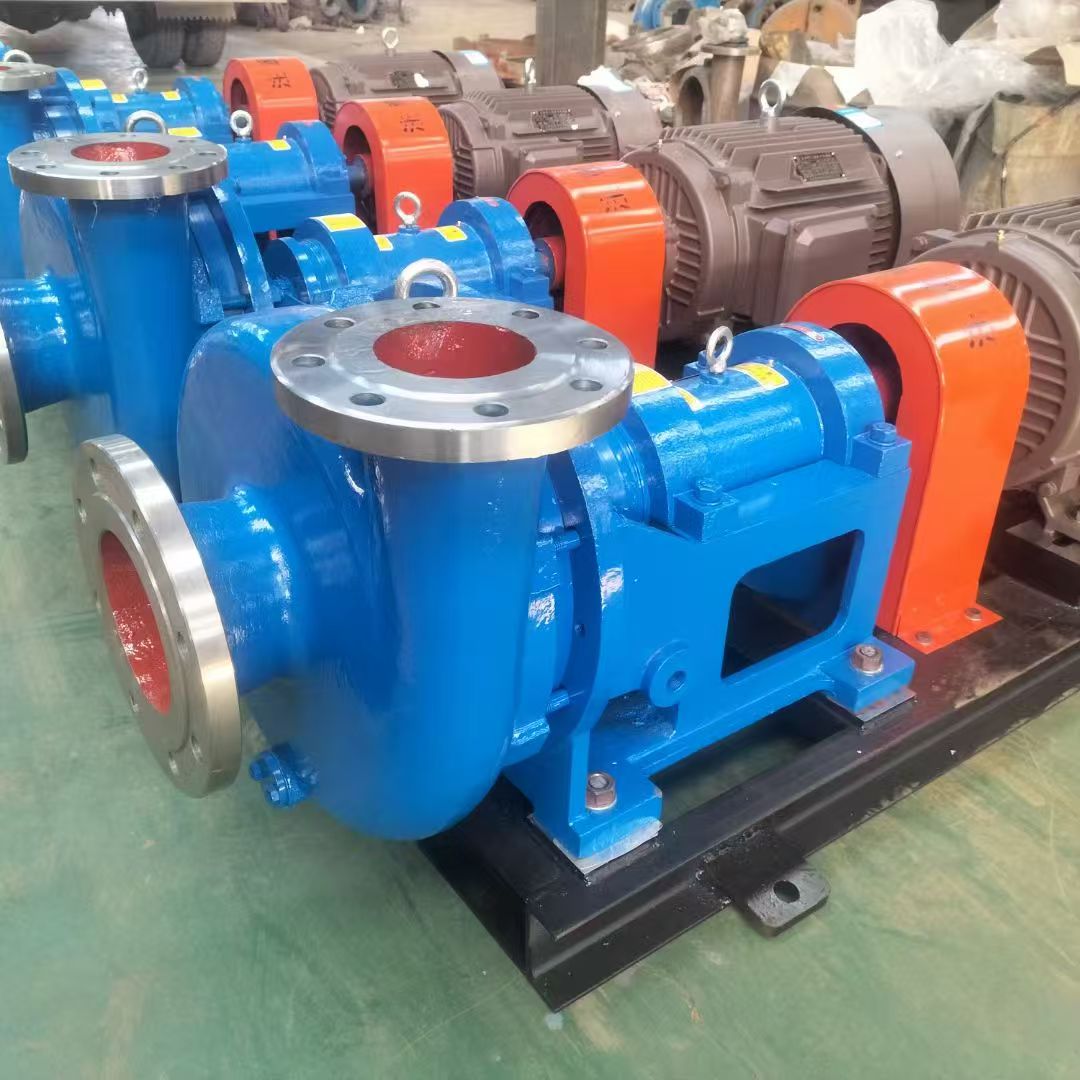
Pulp Pump & Agitator
Keeps stock in suspension and moving between every stage above, an underspecified pump or agitator is a common, easy-to-miss reason a well-designed line underperforms on paper.
Available as: Side-Entry Pulp Agitator · Chest Propeller Mixer · Propeller Agitator
| Machine | Process Stage | Primary Selection Factor | Feeds Into |
|---|---|---|---|
| Paper Pulper Machine | Stage 1 — Defibering | Furnish type (virgin / waste paper / agro fiber) + target consistency | Pressure Screen or Disc Refiner |
| Pressure Screen | Stage 2 — Coarse/fine screening | Contaminant load of incoming furnish | Disc Refiner or Paper Mill Cleaner |
| Disc Refiner | Stage 3 — Fiber development | Target freeness / bonding strength for the paper grade | Approach flow / headbox |
| Paper Mill Cleaner | Parallel — density-based contaminant removal | Density and particle size of contaminants (sand/glass/metal vs. light rejects) | Thickener or approach flow |
| Pulp Thickener & Deinking | Stage 4 — Concentration / ink removal | Recycled-fiber content and target consistency swing | Stock chest / paper machine |
| Pulp Pump & Agitator | Continuous — inter-stage transfer | Consistency and chest geometry at each transfer point | Every stage above |
Complete-Line Sourcing vs Piecemeal Procurement, What Changes
Choosing a supplier structure isn’t just a commercial decision, it changes how the line behaves once it’s running.
Industry Insight
Industry observers widely note that mills who select equipment on price alone, without checking how it fits the rest of the line, tend to pay for it later rather than up front. One documented case involved a 120 TPD kraft mill that upgraded its refining system based purely on the lowest quote; the outcome was reported as roughly 18% higher power consumption, more frequent plate wear, and an ROI delayed by more than two years [6]. That case is a third-party consultant’s field observation, not a Zejiang project, but it illustrates exactly the interface risk that a matched, single-source line removes: the extra power draw an interface mismatch causes is exactly the kind of cost that shows up in the same energy-performance metrics the U.S. ENERGY STAR program tracks for pulp and paper plants [2], not on the original equipment quote.
Complete-line sourcing (single supplier)
Interface responsibility
One engineering team owns pulper-to-pump fit
Spare parts logistics
Single parts catalog, single lead-time conversation
Commissioning
One team troubleshoots the whole line
Warranty accountability
Single point of accountability
Design iteration
Upstream/downstream changes coordinated in one design pass
Piecemeal procurement (multi-vendor)
Interface responsibility
Fit is the buyer’s problem to coordinate
Spare parts logistics
Separate parts pipelines per vendor
Commissioning
Vendors can point at each other’s equipment
Warranty accountability
Warranty disputes can fall between suppliers
Design iteration
Each vendor optimizes their own machine only
Ready to see how a matched line compares for your furnish?
Download the 6-Machine Line Spec Sheet →Customer Results Across Export Markets, Production Line Integration
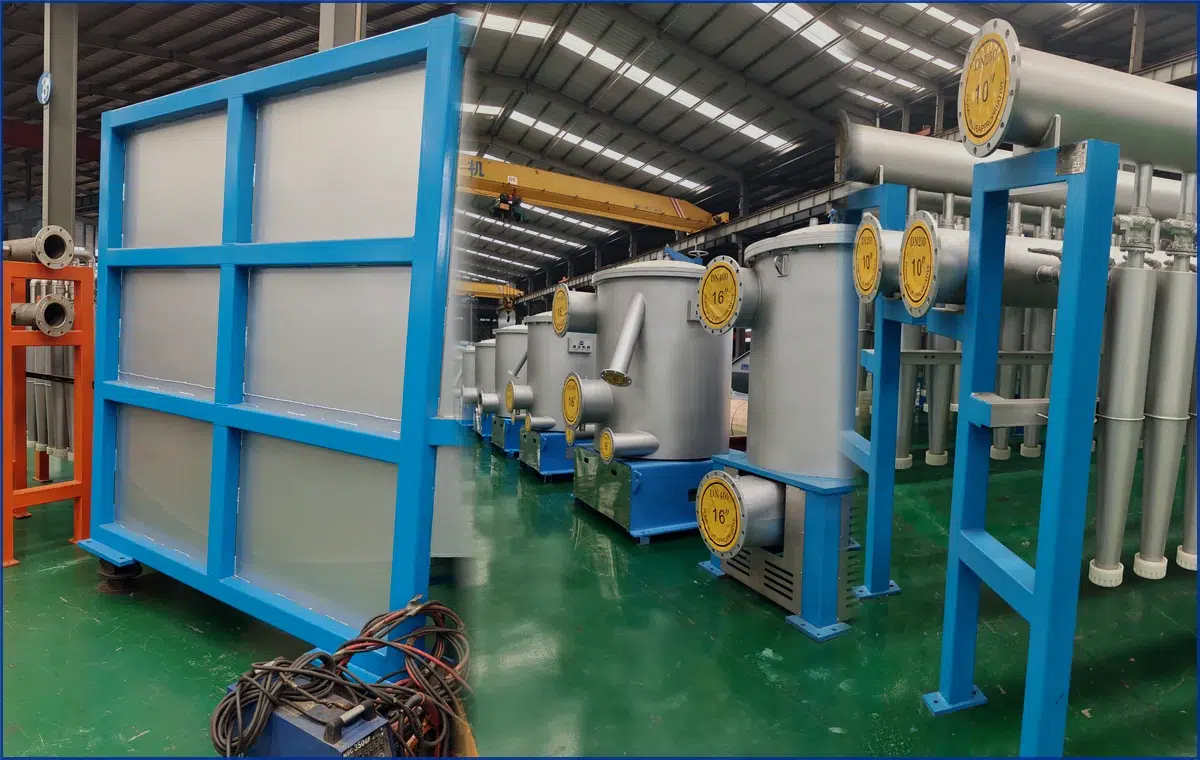
Zejiang’s stock preparation equipment ships into paper mills across Asia, the Middle East, Africa, and South America, markets where mills frequently run mixed furnish (recycled OCC alongside virgin fiber) and where engineering support response time matters as much as machine specification. Regardless of destination market, the operating-cost logic is the same one behind frameworks like the U.S. ENERGY STAR Plant Energy Performance Indicator [2]: a line that runs without inter-stage friction costs less to operate than one that doesn’t, independent of which country it’s installed in.
Tolerating Furnish Variability
Furnish variability like this isn’t a minor footnote, it’s the reason a stock preparation line built for a single, stable furnish type is often the wrong choice in these export markets. Mills running OCC one season and a mixed office-waste/virgin blend the next need a pulper, screen, and cleaner combination that tolerates that swing without a full re-specification each time the input material changes. This is a different design brief from a mill running one furnish grade year-round, and it’s one reason component-by-component sourcing tends to underperform in exactly these markets: a screen bought for one furnish profile from one vendor doesn’t automatically stay matched when the pulper feeding it’s reconfigured for a different one.
Engineering Support & Logistics
Engineering support responsiveness compounds this further. Lines running in markets several time zones from their supplier can’t treat a slow parts or troubleshooting response as a minor inconvenience, a multi-day wait on a single replaced part idles the entire line, not just the machine that failed. That’s a large part of why Zejiang treats spare-parts logistics and engineering support as part of the equipment package rather than a separately negotiated service contract.
“Field deployments of matched, single-source stock preparation lines typically report fewer inter-stage rejects and fewer unplanned stoppages than lines assembled from mismatched vendors (industry field-deployment pattern, not a Zejiang-measured statistic)”
Source: qualified industry observation — see References §6
Certifications & Compliance
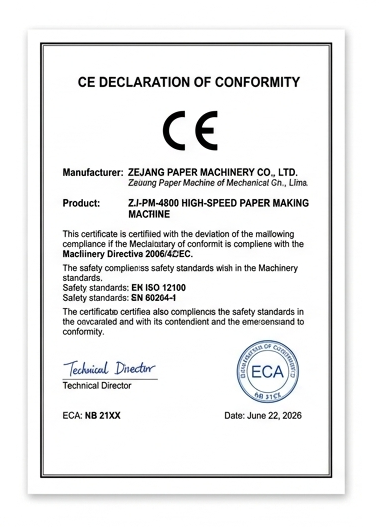
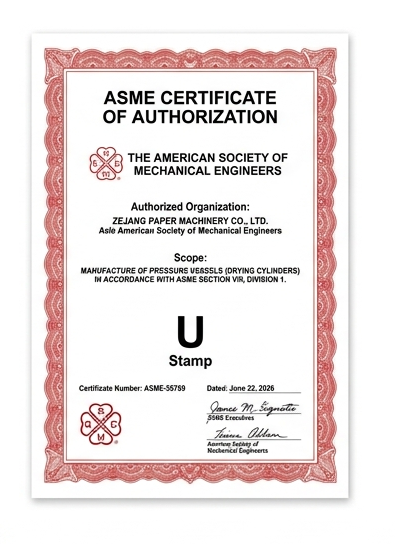
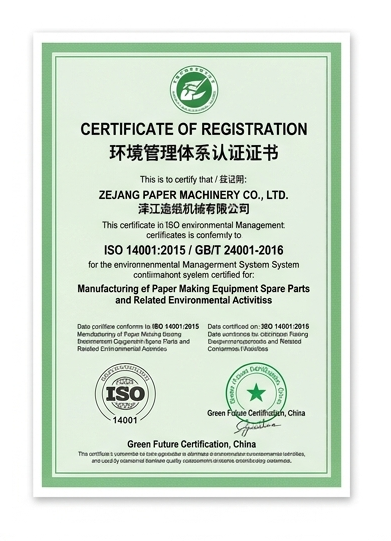
Zejiang manufactures to CE and ISO 9001 / ISO 14001 / ISO 45001 frameworks; certificate numbers and scope are provided on request during the RFQ process rather than published generically, since scope varies by machine class and export destination.
Compliance scope is worth checking early rather than late in a project. CE marking and ISO management-system certification apply differently depending on machine class and destination market, and export documentation requirements can shift a project timeline if they are confirmed only after equipment has already been manufactured. Buyers importing into markets with their own equipment-safety regimes, several export markets Zejiang ships into have their own local certification layers on top of CE, should raise destination-specific compliance requirements during the RFQ stage, not after the quotation is issued.
For energy-conscious buyers, the U.S. ENERGY STAR Plant Energy Performance Indicator is a useful external benchmark framework for evaluating a stock preparation line’s operating footprint once installed [2] — most heavily in the refining and pumping stages, where continuous power draw is highest.
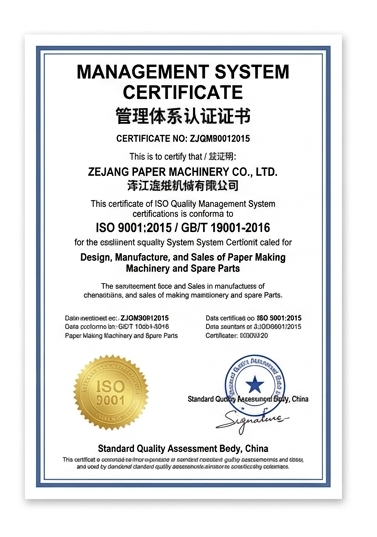
CE
On request per machine class
ISO 9001
Quality management
ISO 14001
Environmental management
ISO 45001
Occupational health & safety
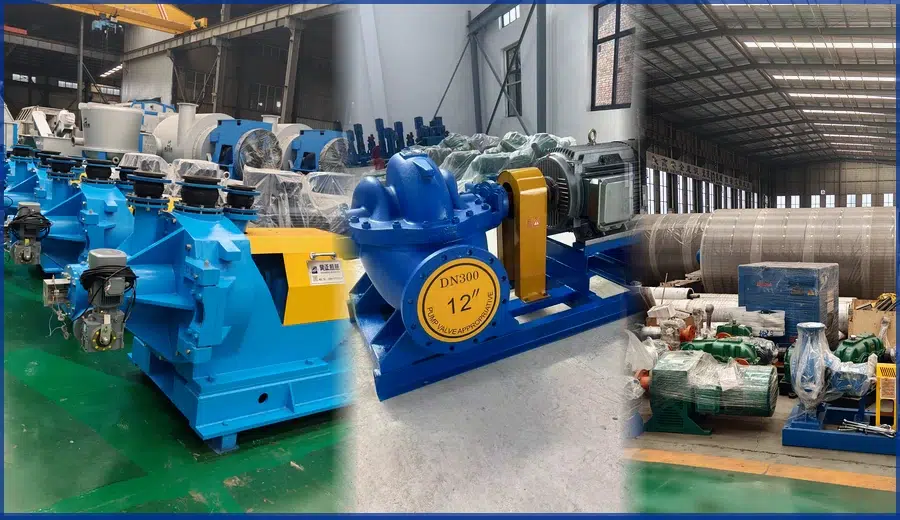
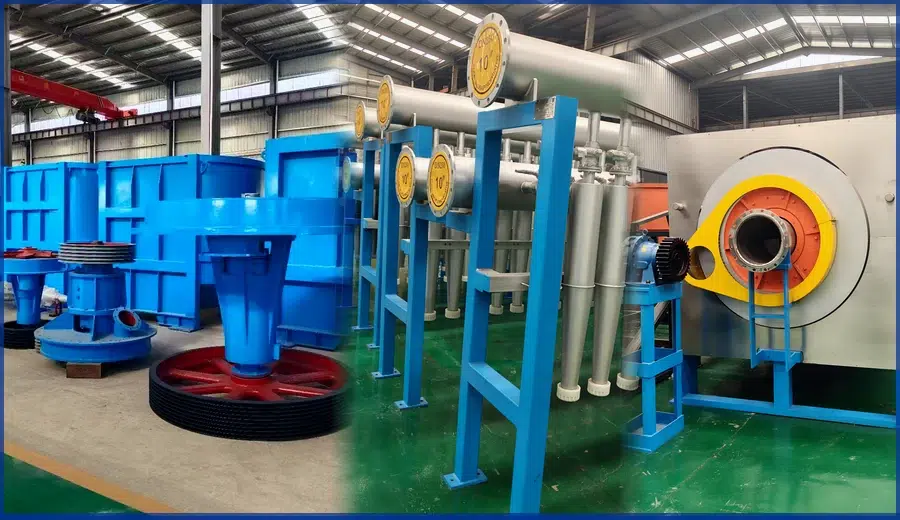
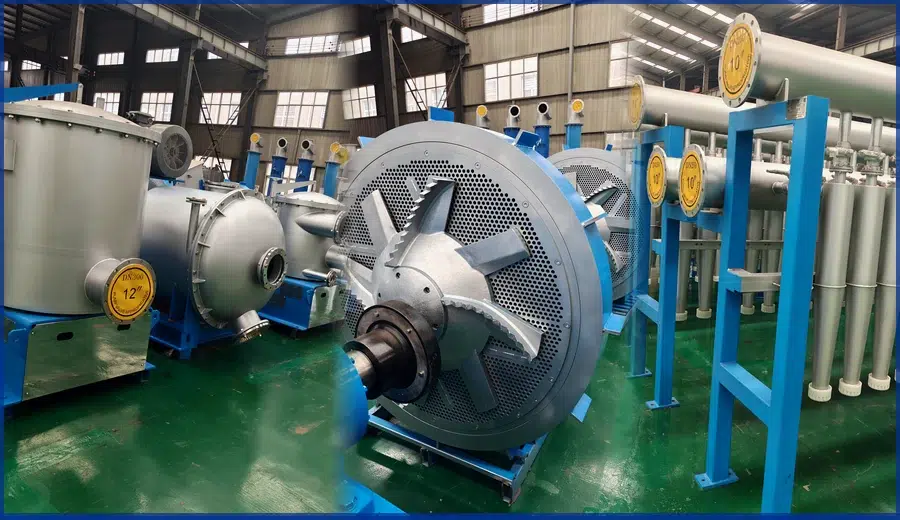
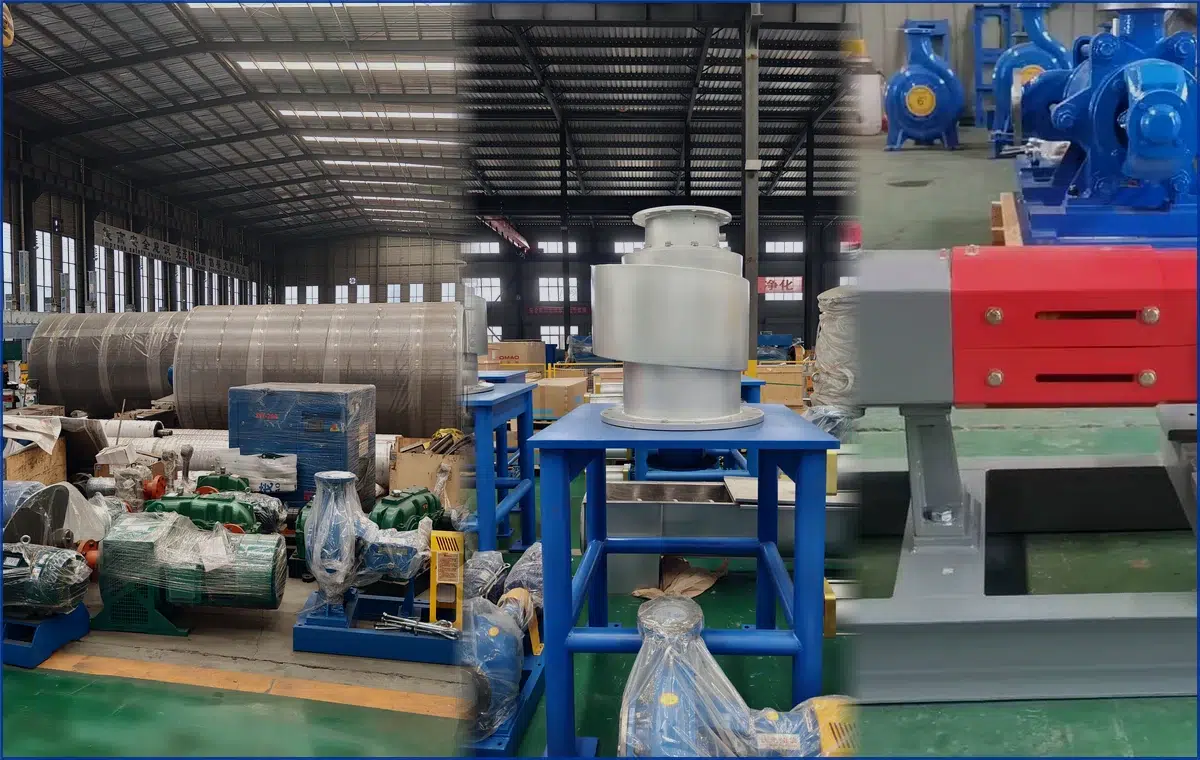
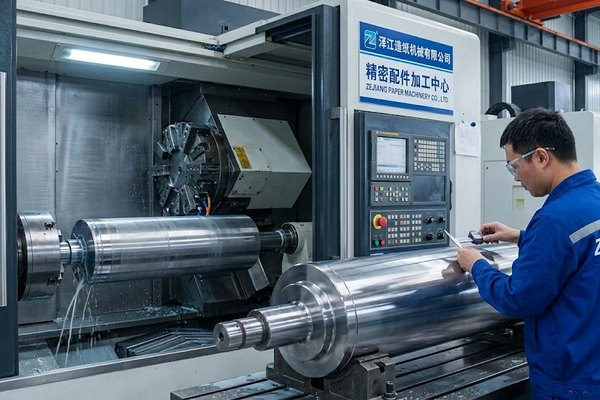
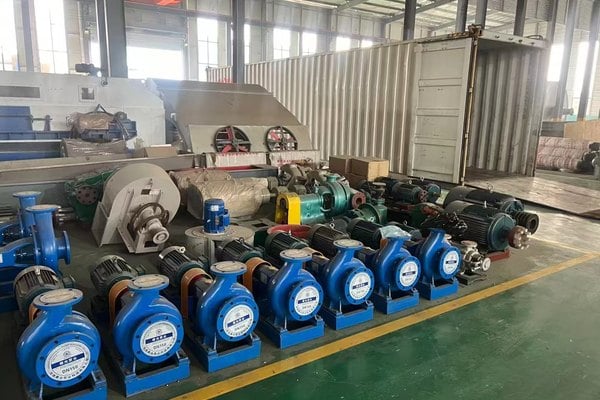
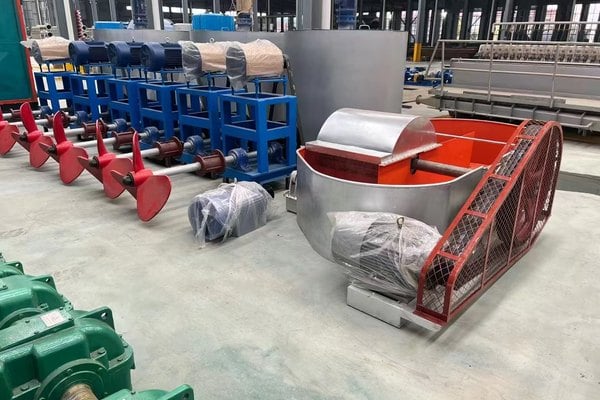
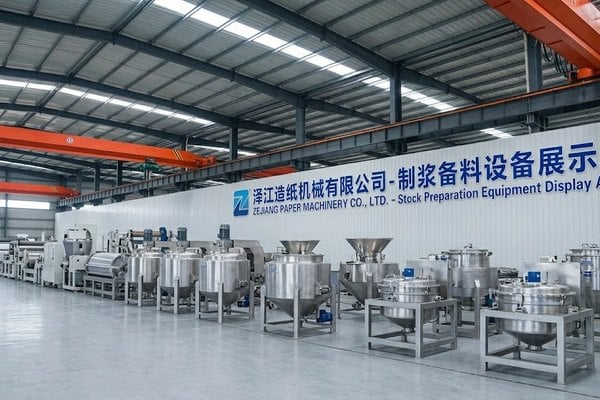
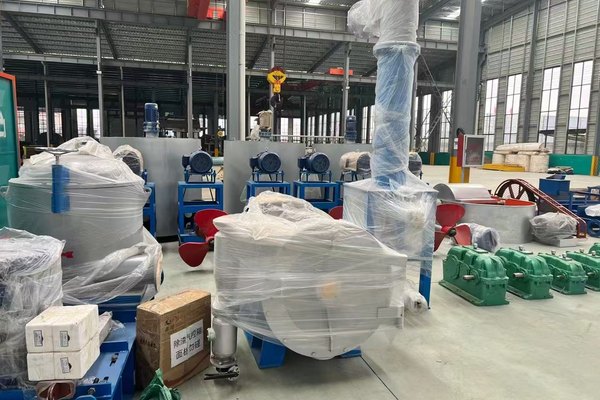
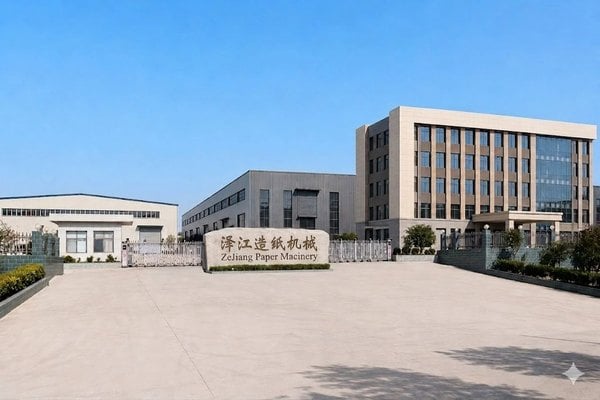
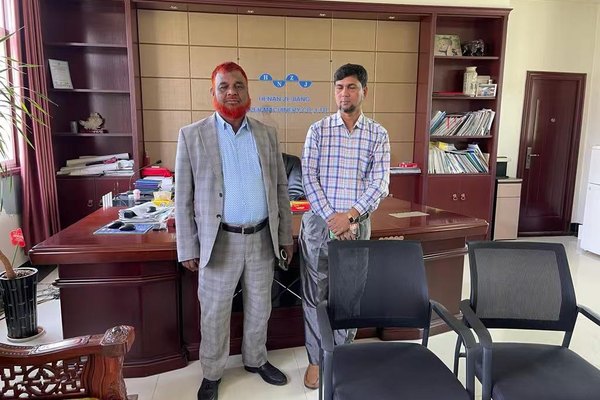
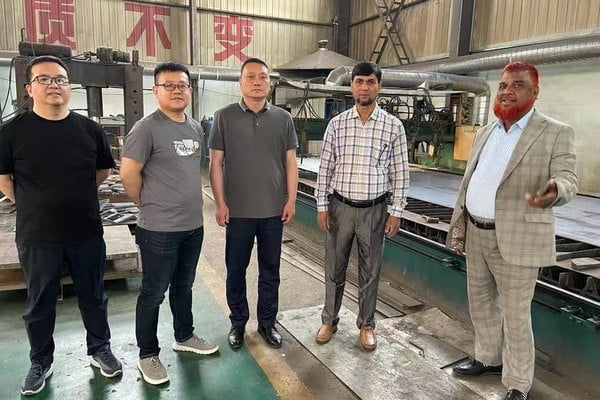
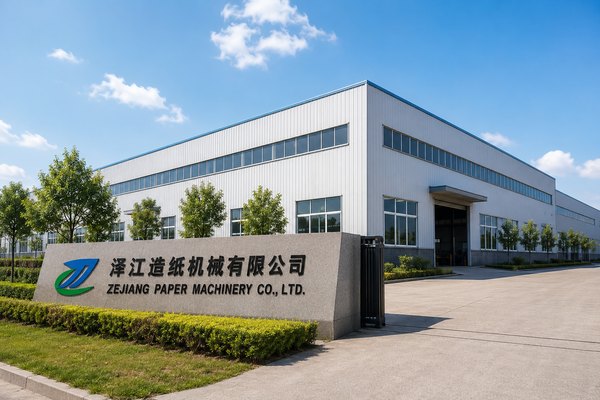
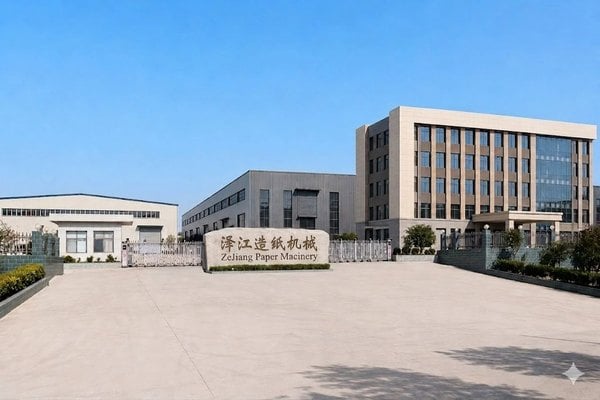
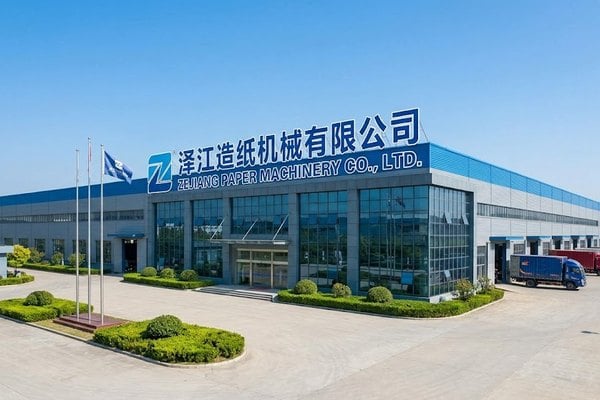
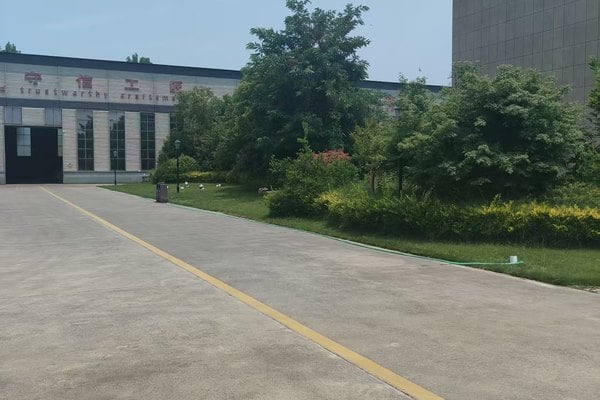
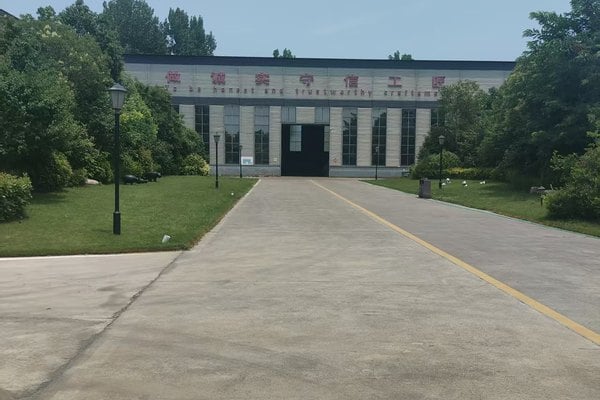
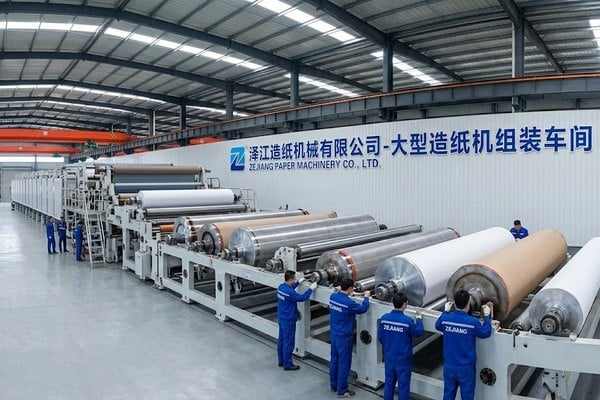
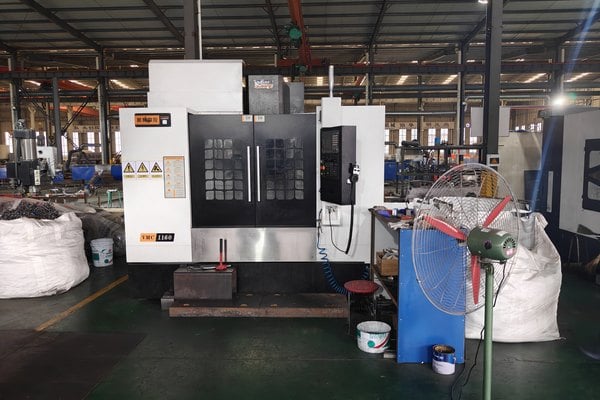
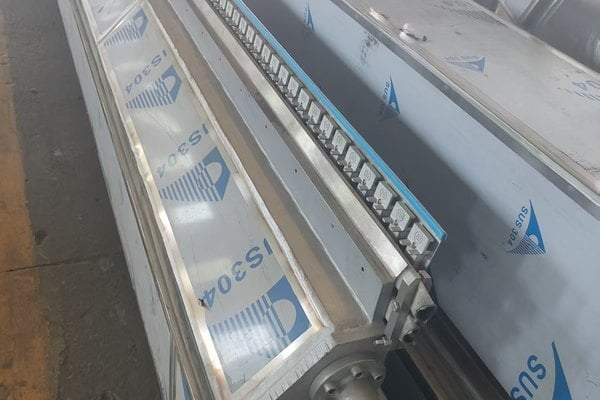
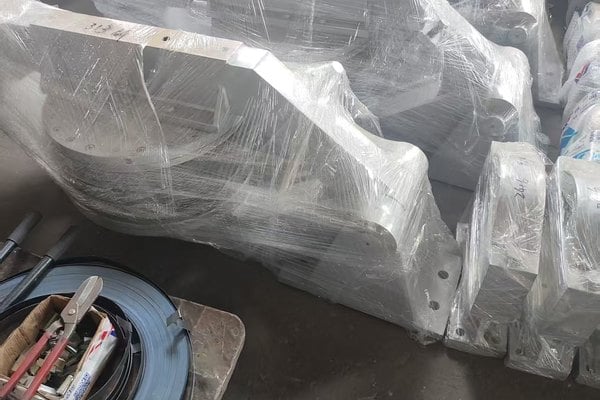
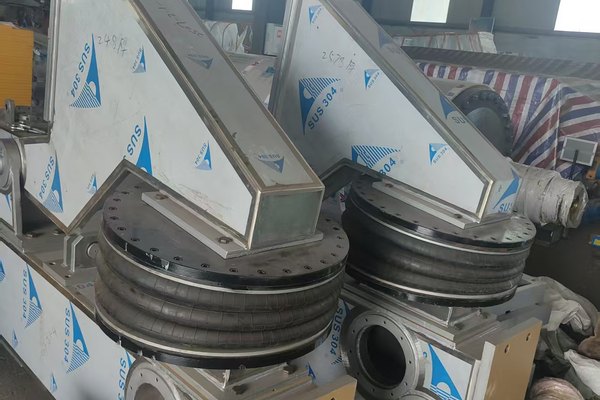
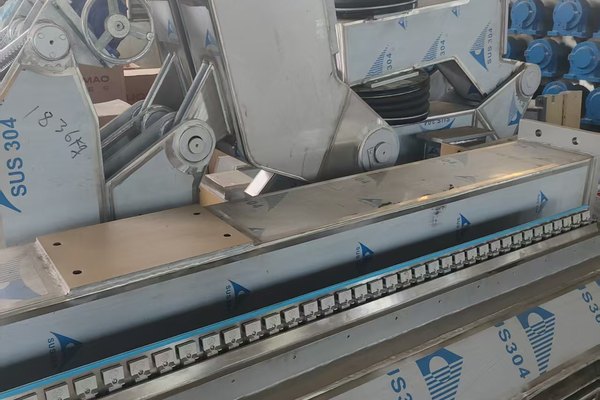
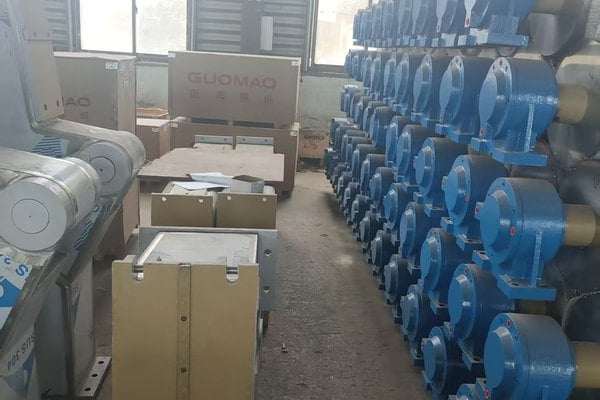
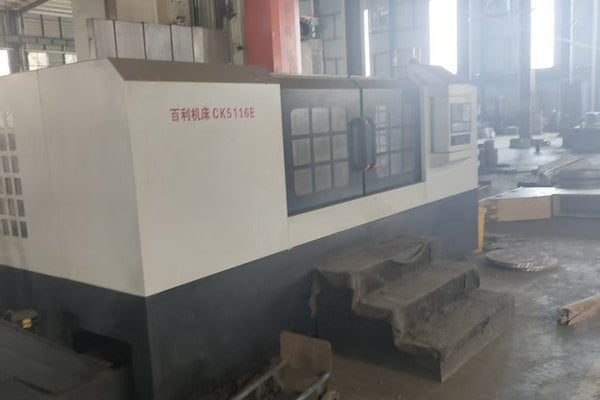
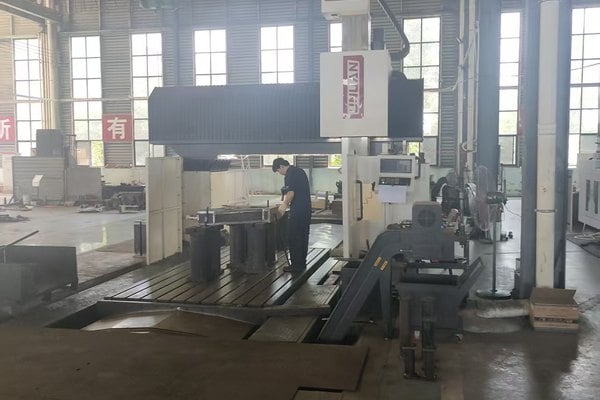
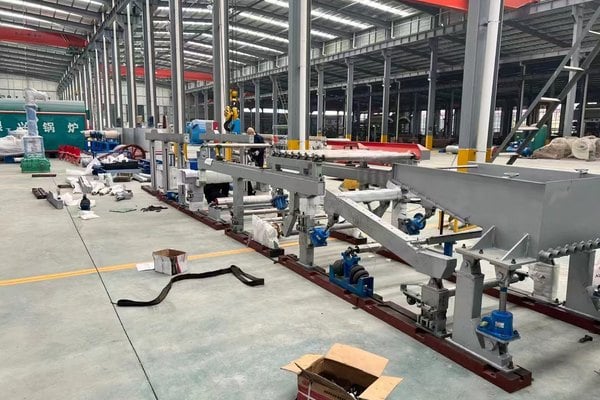
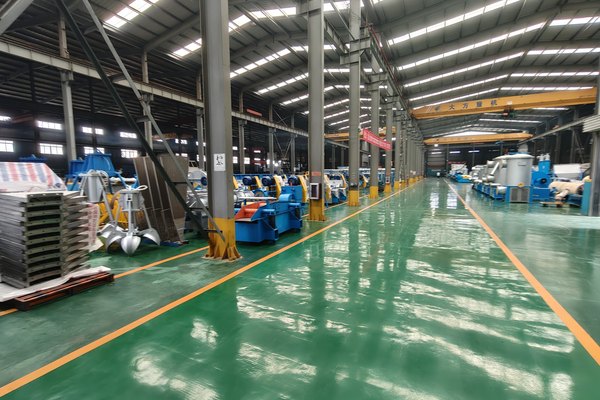
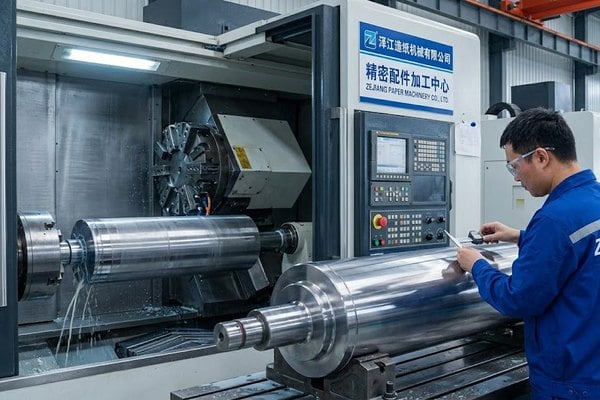
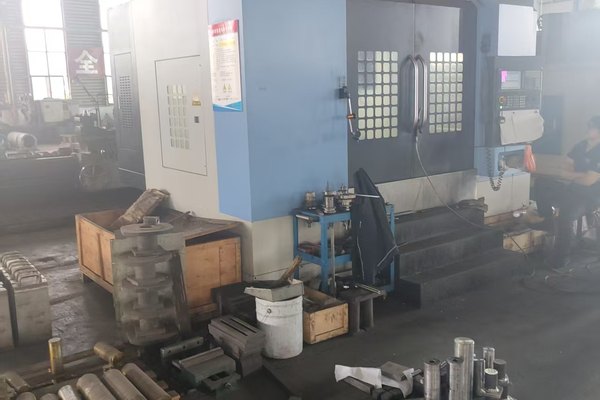
Advanced Pulping Equipment & Machinery Manufacturing Facilities
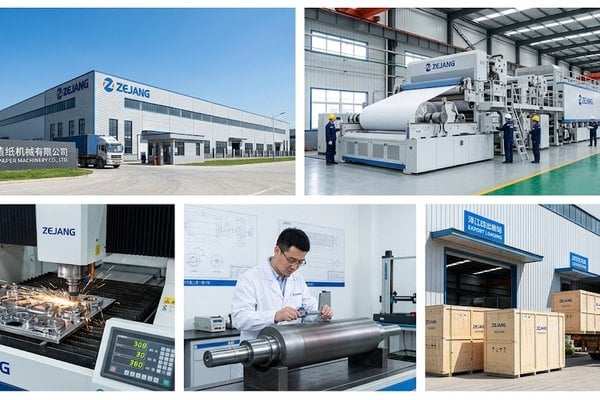
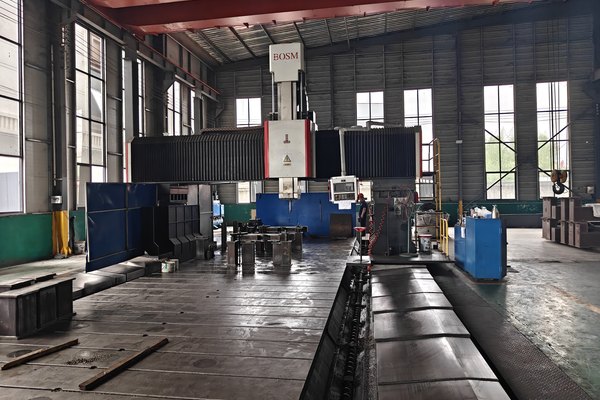
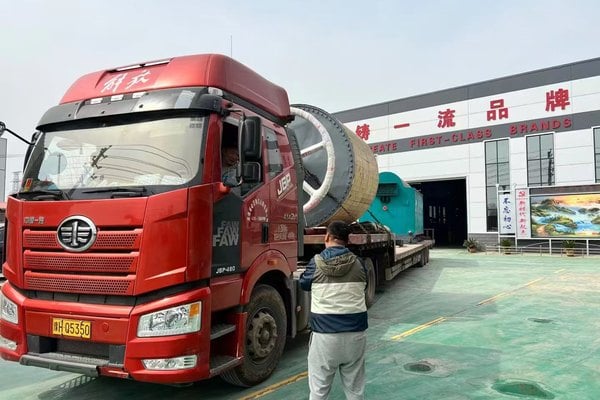
×
Procurement Guide, RFQ Process, Lead Time, and After-Sales Support
Optimize your stock preparation line. Connect with our senior engineers for precise machine configurations and custom investment quotes.
Prefer a faster channel? WhatsApp our engineering team →ZJ-TOOLS
Equipment Selection & Assessment Tools
Which Zejiang Machine Do You Need?
Two questions — get routed to the right product page for your situation.
Access Finder →
01
Stock-Prep Interface-Risk Self-Check
Check every statement that’s true for your current stock preparation setup. This is a self-assessment based on the interface-risk factors covered on this page — not a precise diagnostic.
Start Assessment →
02
RFQ Readiness Checklist
Zejiang’s RFQ process runs in three stages (furnish/capacity review → configuration proposal → quotation). Having these ready before you reach out speeds up stage one.
View Checklist →
03
Pulping Equipment FAQ
01
What is stock preparation in a paper mill?
Stock preparation is where the papermaking process begins: fibers from pulping are blended, screened, cleaned, refined, and diluted to a consistent, contaminant-free furnish before they reach the paper machine headbox [1]. It’s the system that determines whether the paper machine downstream runs smoothly or fights sheet breaks and quality variation all shift.
02
How do I select the right pulping equipment for my mill?
Start from furnish type (virgin fiber, recycled waste paper, or agricultural fiber), then work forward through target daily capacity, required consistency at each stage, and contaminant load. Sizing a pulper correctly but feeding an undersized screen will still bottleneck the line, regardless of how well the pulper itself performs, selection has to be done at the line level, not machine by machine (see the Stock-Prep Line Build Sheet above).
03
Can I buy used stock preparation equipment instead of new?
Yes, and it can lower upfront cost, but “cheaper” isn’t automatic once maintenance frequency and remaining service life are factored in [5]. New equipment from Zejiang comes with full warranty, current engineering, and configuration matched to your specific furnish, which used equipment purchased independently typically can’t guarantee.
04
How much does a stock preparation line cost?
It depends on machine count, capacity, and destination compliance needs. See the Pricing Factors Framework above.
05
How much energy does stock preparation equipment consume?
Refining and pumping stages are typically the largest continuous energy draws in a stock preparation line. The U.S. ENERGY STAR pulp and paper program provides a 1–100 Plant Energy Performance Indicator that mills can use as an external efficiency benchmark once a line is running [2].
06
What is the difference between buying individual machines and a complete line?
Individual machines are engineered and warrantied independently, which leaves interface fit, how a pulper’s output matches a screen’s input, or how a screen’s reject stream matches the cleaner sized to handle it, for example, as the buyer’s own responsibility to coordinate across however many separate vendor relationships that requires. A complete line from one supplier, by contrast, is engineered so each stage is sized against the ones immediately before and after it from the start, with a single point of accountability for fit, spare-parts logistics, and commissioning support once the equipment actually arrives on site.
![Refiner Plates & Screen Baskets [Complete Guide]](https://zjpapermachine.com/wp-content/uploads/2026/07/refiner-plates-screen-baskets-guide-featured-150x150.png)
![Doctor Blade: Types, Materials & How It Works [Guide]](https://zjpapermachine.com/wp-content/uploads/2026/07/doctor-blade-guide-featured-1-150x150.png)
![Pulping Equipment: How Paper Pulping Works [Guide]](https://zjpapermachine.com/wp-content/uploads/2026/07/pulping-equipment-guide-featured-150x150.png)